Main Facts: A Community in Mourning
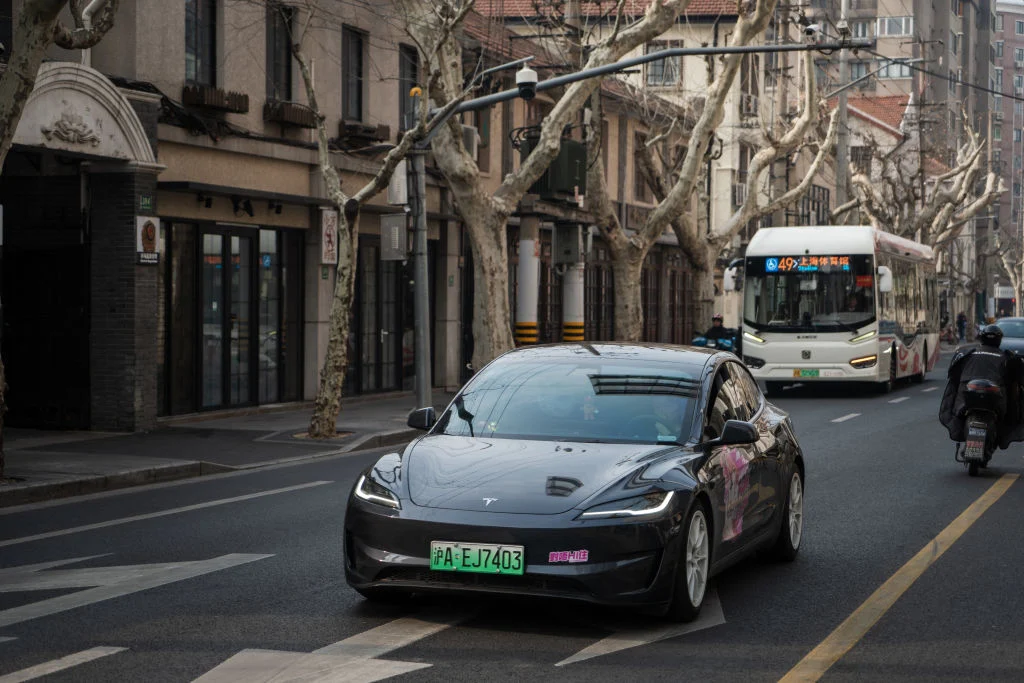
The quiet neighborhood of Katy, Texas, was shattered on Friday night when a Tesla Model 3 left the roadway and plowed into a residential home, resulting in the tragic death of 76-year-old Martha Avila. The incident, which has reignited a fierce national debate regarding the efficacy and safety of Tesla’s advanced driver-assistance systems, saw the vehicle leave the street and strike the house with such force that Avila was critically injured. She was subsequently airlifted to a local hospital, where she was later pronounced dead.
The driver of the vehicle, Michael Butler, reportedly informed Harris County sheriff’s deputies at the scene that his vehicle had been operating on Autopilot at the time of the collision. This assertion, which spread rapidly across news outlets and social media, became the immediate focal point of a broader conversation regarding the risks associated with the automation of consumer vehicles.
Chronology of the Incident
The events of that Friday evening are currently being reconstructed by law enforcement and federal regulators. According to initial reports:
- Friday Evening: A Tesla Model 3, operated by Michael Butler, veered off the road in Katy, Texas.
- The Impact: The vehicle collided with the home of Martha Avila, causing catastrophic damage and resulting in fatal injuries to the homeowner.
- Initial Statements: Following the crash, the driver alleged that the vehicle’s Autopilot system was engaged during the incident.
- The Weekend: The allegation gained significant traction, prompting widespread public concern and media scrutiny over Tesla’s software.
- Monday Afternoon: Tesla, in a rare departure from its policy of avoiding public relations engagement, issued a formal rebuttal on X (formerly Twitter) regarding the technical data recovered from the vehicle.
- The Federal Response: By Monday, the National Highway Traffic Safety Administration (NHTSA) confirmed it had launched a special investigation into the circumstances surrounding the crash.
Technical Rebuttal: Tesla’s Defense
Tesla’s response to the incident was uncharacteristically swift and direct. Ashok Elluswamy, the company’s vice president of AI software and a foundational member of the Autopilot engineering team since 2014, utilized the X platform to present data that contradicts the driver’s initial claims.
According to Elluswamy, internal vehicle logs provide a very different narrative than the one initially reported by the driver. "In this case, the driver manually overrode self-driving by pressing the accelerator all the way to 100% of the pedal in this residential area," Elluswamy wrote. The data allegedly indicates that the vehicle reached a speed of 73 mph, an velocity that is vastly inconsistent with the intended use of driver-assistance systems in residential zones. Perhaps most damningly, the logs suggest that the accelerator remained depressed even after the initial impact with the home.
Elon Musk, CEO of Tesla, amplified this technical defense, reinforcing the idea that the software is designed to operate conservatively in neighborhood settings. "This [allegation] makes no sense," Musk wrote. "FSD drives slowly through neighborhood streets, and this was a high-speed crash!"
Understanding the Systems: Autopilot vs. FSD (Supervised)
To understand the implications of this crash, it is essential to distinguish between the various iterations of Tesla’s software. In January, Tesla discontinued its basic "Autopilot" offering following a ruling by California regulators, who argued the name was deceptive.
Currently, the primary system in question is "Full Self-Driving (Supervised)," a feature available via a $99 monthly subscription. While the marketing suggests high levels of autonomy—including navigation, steering, and lane changes—the company maintains that the system is not truly autonomous. It requires the driver to remain attentive and prepared to take control of the vehicle at any given moment. This "supervised" nature is the crux of both the legal and ethical arguments surrounding these crashes: if the driver is required to oversee the system, where does the fault lie when that system is overridden?
Supporting Data: A Pattern of Scrutiny
This incident is not an isolated event; it is part of a growing dossier of concerns regarding Tesla’s technology. The NHTSA has been increasingly aggressive in its oversight of the company. The current investigation in Texas marks one of more than 40 separate probes launched by the federal agency in recent years, all of which focus on crashes where advanced driver-assistance systems were either in use or suspected of being in use.
The sheer volume of these investigations suggests that regulators are not merely looking at individual driver error, but at the potential for system-wide design flaws that might encourage over-reliance on automation. As federal investigators continue to comb through the vehicle’s "black box" data logs, the industry is watching closely to see if this crash will be classified as a software failure, a human error, or a catastrophic intersection of both.
Official Responses and Legal Implications
The Harris County Sheriff’s Office has confirmed that it is conducting a thorough investigation. Their findings will eventually be presented to the local district attorney, who will determine whether criminal charges are warranted against the driver.
While Tesla’s technical data points toward human error, the legal outcome will hinge on a complex analysis of the vehicle’s data logs. Investigators must determine:
- The state of the system: Was the software active, or had it been fully disengaged prior to the acceleration?
- The driver’s input: Did the system fail to warn the driver, or did the driver ignore potential safety overrides?
- The human-machine interface: Is the "supervised" nature of the software clearly communicated to the driver, and does it provide sufficient safeguards against erratic human behavior?
The outcome of this legal process could set a significant precedent for how Tesla is held accountable for the behavior of its vehicles on public roads.
Broader Implications for Autonomous Technology
The tragedy in Katy, Texas, serves as a grim reminder of the gap between the promise of autonomous driving and the reality of current technological limitations. As Silicon Valley companies push toward a future of fully autonomous transit, the public is increasingly sensitive to the "teething problems" that often result in fatal consequences.
The PR Silence
For years, Tesla famously dismantled its public relations department, preferring to communicate through the social media accounts of its leadership. This strategy has served the company well in terms of brand loyalty, but it has left it vulnerable to criticism during times of crisis. By breaking its silence on this occasion, Tesla acknowledged that the narrative surrounding the Katy crash posed a significant threat to the reputation of its AI division.
The Regulatory Landscape
The NHTSA’s persistence signals that the "Wild West" era of self-driving software testing may be drawing to a close. As federal oversight intensifies, Tesla and other autonomous vehicle developers may be forced to implement more rigid safety protocols, such as stricter driver-attention monitoring or geofencing that limits speed in residential areas regardless of driver input.
The Human Element
Ultimately, the incident highlights the persistent issue of human-machine interaction. When a driver is tasked with "supervising" a machine that is capable of driving itself, the risk of complacency—or, as suggested in this case, active interference—remains high. Whether the vehicle’s software could have prevented the accident or whether the driver’s input rendered the safety systems inert, the tragic loss of life remains the defining fact of the case.
As the investigation moves forward, the tech industry, federal regulators, and the public are left to grapple with a sobering question: Can we ever truly balance the convenience of advanced driver-assistance technology with the absolute safety of those living, walking, and existing in the spaces where these cars operate? For the family of Martha Avila, that answer comes far too late.