The e-commerce landscape is undergoing a profound transformation as 2026 reaches its midpoint. From the integration of "agentic" artificial intelligence—systems capable of performing complex, multi-step tasks autonomously—to the strategic consolidation of logistics and the modernization of advertising infrastructure, merchants are gaining access to an unprecedented suite of operational tools.
This report provides an in-depth analysis of the latest releases, partnerships, and platform updates shaping the digital retail ecosystem. Whether you are managing a boutique Shopify storefront or navigating the complexities of global supply chains, the following developments signal a shift toward a more automated, data-driven, and hyper-personalized era of retail.
Main Facts: The Strategic Shift Toward Agentic Commerce
The defining trend of this quarter is the rise of Agentic Commerce. Unlike traditional AI tools that merely assist with content generation, the new generation of "agentic" platforms is designed to analyze performance, audit storefronts for technical friction, and execute complex workflows on behalf of the merchant.

Key highlights include:
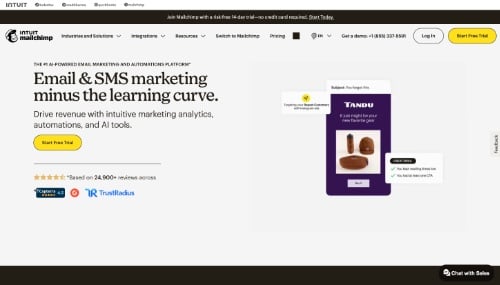
- Intuit Mailchimp has introduced Analytics AI, a conversational agent that translates complex email and SMS performance data into plain-language actionable intelligence.
- Amazon Web Services (AWS) has launched an Agentic Shopping Assistant platform, enabling retailers to build bespoke, AI-powered conversational shopping experiences modeled after the company’s own "Alexa for Shopping" expertise.
- Selltonomy has debuted an AI Buyability platform designed to audit storefronts specifically for AI agents, ensuring that automated purchase pathways are free of structural or pricing glitches.
Chronology of Key Industry Developments (May–June 2026)
The recent flurry of activity demonstrates a concerted effort by major players to bridge the gap between back-end operations and front-end customer experiences.
May 2026: Consolidation and Logistics
- Late May: DHL eCommerce secured a massive multi-year partnership with the United States Postal Service (USPS) to streamline last-mile delivery. By leveraging the USPS’s reach of 170 million delivery points, DHL aims to fortify its position in the domestic parcel market.
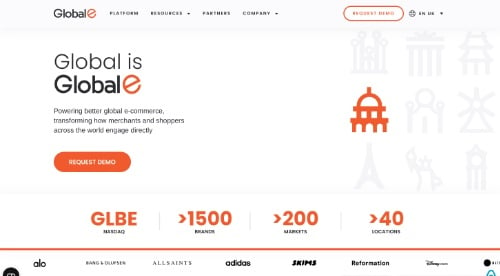
- Late May: Global-e announced its acquisition of Passport Global, a strategic move aimed at enhancing its cross-border logistics and multi-carrier capabilities.
- Late May: Reddit expanded its Shopify integration to all global advertisers, allowing merchants to automate the sync of product catalogs and deploy dynamic product ads with minimal technical overhead.
June 2026: AI Integration and Marketing Innovation
- Early June: Attentive unveiled its "Next-Generation Agentic AI" marketing suite, which includes predictive analytics and Brand Voice 2.0.
- Early June: SumUp launched SumUp Bookings in the U.S., specifically targeting service-based small businesses with integrated scheduling and payment processing.
- Mid-June: Pic Copilot, backed by Alibaba International, integrated with Google Ads, providing a one-click solution for merchants to push product visuals into Google’s display advertising ecosystem.
Supporting Data: Why These Tools Matter
The proliferation of these technologies is not arbitrary; it is a direct response to the increasing complexity of the omnichannel retail environment.
Marketing Efficiency
Modern merchants are juggling more channels than ever. The integration of Taggbox’s updated social media widget—which allows for the seamless aggregation of user-generated content (UGC)—addresses the critical need for social proof. Data suggests that integrating UGC directly into product pages can significantly decrease bounce rates. Similarly, the Pic Copilot-Google Ads integration reduces the time-to-market for campaign assets, allowing merchants to iterate on their ad creative in hours rather than days.
Financial Flexibility
The partnership between Stripe and Affirm in the U.K. market highlights the ongoing importance of "Buy Now, Pay Later" (BNPL) services. As consumers continue to seek flexible payment terms, the ability for merchants to integrate Affirm directly into their checkout flow via Stripe is a low-friction method for increasing Average Order Value (AOV) and reducing cart abandonment.
Supply Chain Resiliency
The DHL-USPS deal is significant due to the sheer scale of the reach involved. By accessing 41,550 ZIP codes via the USPS network, DHL provides a robust safety net for e-commerce brands struggling with the rising costs of last-mile delivery. Concurrently, the Global-e/Passport acquisition signals that the era of "frictionless global trade" is becoming a standard expectation for even mid-sized merchants.
Official Perspectives and Strategic Rationale
Industry leaders have been vocal about the "why" behind these releases.
- Intuit Mailchimp on Analytics AI: The company emphasizes that the barrier for most marketers is not a lack of data, but the inability to interpret it quickly. By allowing marketers to "ask" the data questions, Mailchimp is shifting the focus from manual report generation to strategic decision-making.
- AWS on Retailer Empowerment: Amazon’s decision to offer its proprietary AI architecture to external retailers is a bold move to commoditize high-end retail AI. By providing starter code and architecture guidance, AWS is lowering the entry barrier for mid-market brands to compete with industry giants in the realm of conversational search.
- Shopopop on Community Logistics: With its move into the U.K. market, Shopopop is banking on the "crowdshipping" model—a decentralized, sustainable, and hyper-local approach to delivery that contrasts sharply with the traditional, fuel-heavy logistics models.
Implications: Preparing for the Future of Retail
What does this mean for the average merchant? The implications are three-fold:
1. The Death of Technical Debt
Tools like Selltonomy and the updated Goflow Listing Publisher represent a growing focus on "hygiene." Merchants can no longer afford to have "invisible" technical issues—such as incorrect structured data—that prevent AI agents from completing a purchase. As consumers increasingly use AI assistants to do their shopping, your storefront must be as optimized for machines as it is for humans.

2. The Rise of "Intelligent" Sourcing
The launch of SourceHound and Sellyze.ai points toward a new era of data-backed product development. Instead of relying on gut instinct, merchants can now use AI to scrape competitor reviews and identify product gaps. This "product intelligence" approach reduces the risk of launching private-label goods that do not align with market demand.
3. Hyper-Personalization as the Standard
With Attentive’s new agentic AI features and Nayax’s product discovery platform, the expectation for personalized shopping is rising. Consumers now expect the website to "know" what they want, show them relevant products in real-time, and provide an effortless path to checkout.
Conclusion
The e-commerce sector in 2026 is clearly moving toward a "plug-and-play" infrastructure where AI handles the heavy lifting of data analysis, creative design, and technical auditing. For the merchant, this means that the focus must shift from managing technology to leveraging it.

As we look toward the second half of the year, the winners in this space will be those who successfully adopt these agentic tools to streamline their workflows, reduce their operational friction, and create more meaningful, conversational relationships with their customers. The tools are ready; the question is which merchants will be the first to fully integrate them into their core strategy.
Do you have an e-commerce product release or a breakthrough in retail technology? Reach out to our editorial team at [email protected] to ensure your news is considered for our next industry roundup.