For many small business owners and digital marketers, the barrier to entry on YouTube has historically been defined by high-production friction. The mandate to film, edit, and curate high-quality video content has often sidelined those with limited budgets or small teams. However, YouTube is currently undergoing a structural transformation, rolling out a suite of AI-powered tools that prioritize organic reach over high-budget polish.
As YouTube strategist Liron Segev notes, the governing principle behind these updates is simple: while AI lowers the cost of execution, the "ideation" remains the exclusive domain of the creator. By integrating sophisticated AI into the creator workflow, YouTube is attempting to democratize professional-grade content creation. This article explores the four critical updates—Add Motion, Reimagine, Voice Replies, and the Gemini-powered Creator Partnerships platform—and assesses their long-term implications for brand strategy.
The Strategic Shift: Lowering Production Friction
The pace of innovation at YouTube has accelerated significantly over the past eighteen months. Unlike previous iterations of platform tools that catered primarily to advertisers, the current roadmap focuses on the "organic" creator. For the small business owner, this means the ability to experiment, test creative hypotheses, and maintain a consistent posting schedule without the need for a full-scale creative agency.
However, Liron Segev warns that tools alone do not guarantee traction. "The right tools in the right hands can change what is possible," Segev says, "but the thinking still has to come from you." The goal is to move beyond mere presence and toward strategic engagement.
1. Add Motion: Animating the Static
One of the most accessible entry points for businesses with existing visual assets but no video budget is the new "Add Motion" tool. This feature allows users to upload a single still photograph and transform it into an eight-second Short using preset motion effects, zoom, and ambient audio generation.
Practical Applications
For a bakery with high-quality food photography, a consultant with professional headshots, or a construction firm with site documentation, Add Motion acts as a force multiplier. It provides a way to establish a video presence without the intimidation of being on camera.
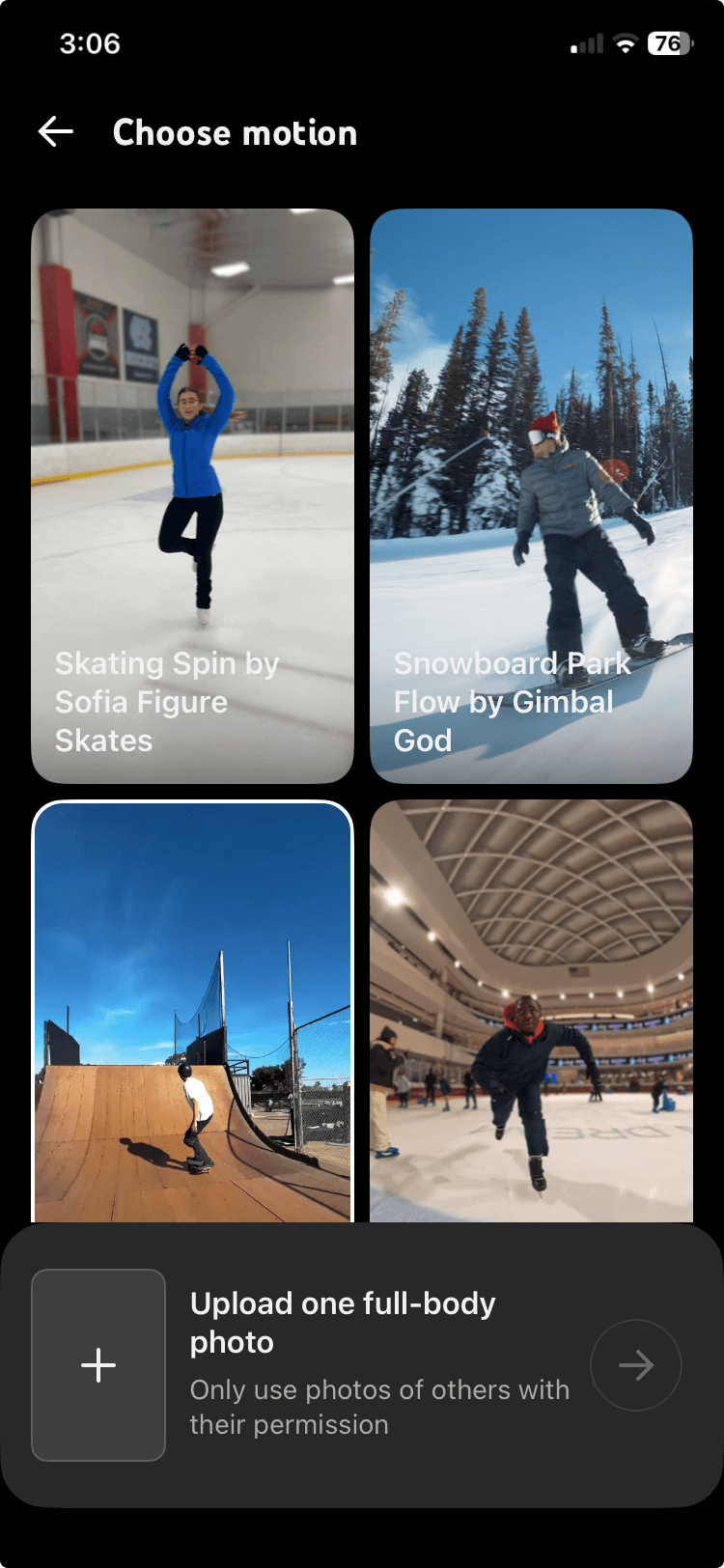
Furthermore, the feature introduces an interesting dynamic in the "Remix" economy. Because Add Motion allows users to animate frames from existing Shorts, creators can theoretically invite their audience to grab a frame from their content and animate it, effectively turning the community into a content engine. This is not just a feature; it is an invitation for user-generated content that maintains attribution back to the original source.
2. Reimagine: Redefining Content Remixing
The "Reimagine" tool represents YouTube’s push into the interactive remix space. It allows creators to take a frame from an existing Short and use it as the foundational visual for their own unique video.
The Rules of Engagement
Segev emphasizes that Reimagine should not be treated as a shortcut for lazy content. "Don’t just slap your logo on a remixed clip," he warns. The value proposition of a remix is the addition of unique context. If a brand uses a clip of a creator using their product, the brand should step in to explain the why—the health benefits, the technical specs, or the "how-to" nuance.
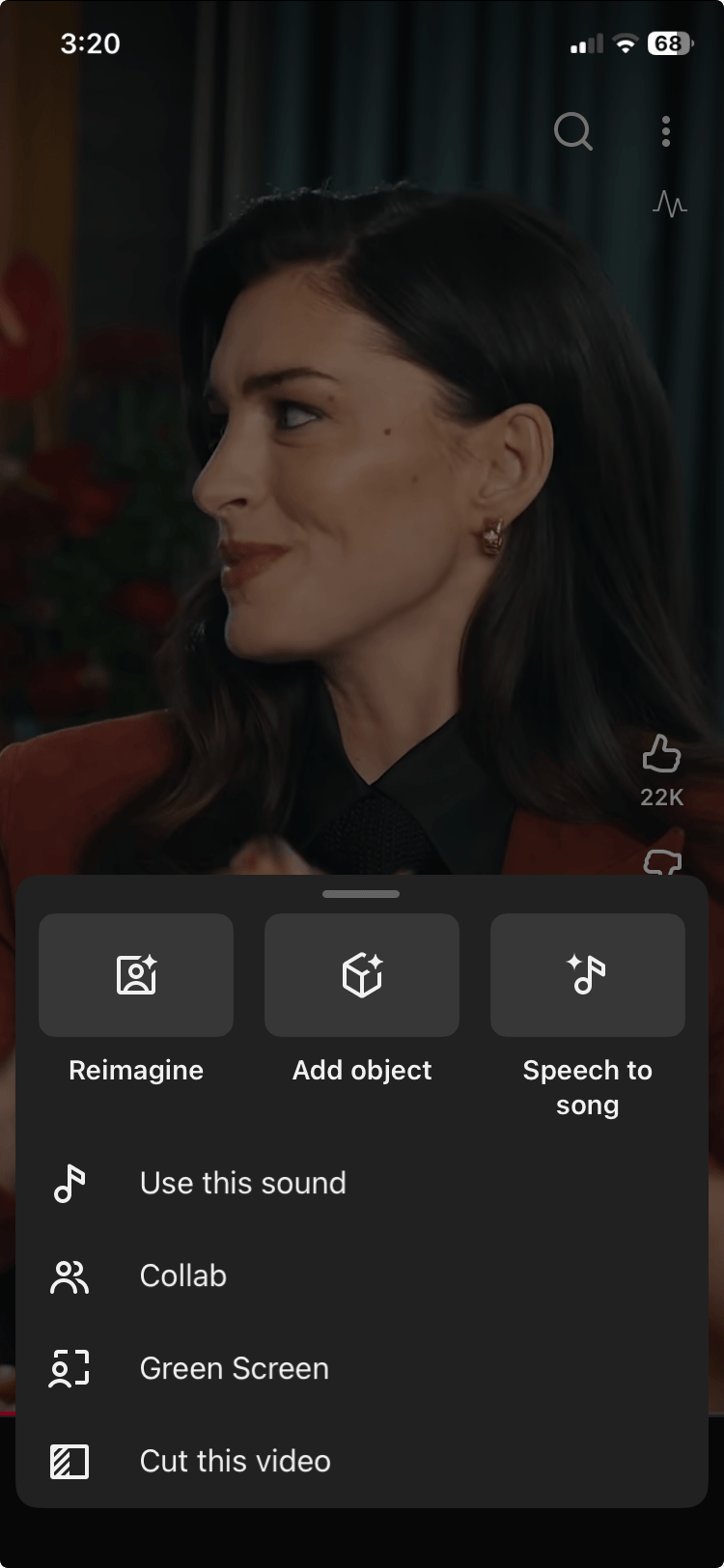
When done correctly, this shifts the focus from the original creator’s content to the brand’s authority. When done poorly—such as simply placing a green-screen cutout of one’s face over existing content without commentary—it risks eroding brand equity.
3. Voice Replies: Humanizing the Brand
Perhaps the most significant change in community management is the introduction of "Voice Replies." Creators can now record up to 30 seconds of audio to respond to comments directly within the YouTube mobile app.
The Psychology of Audio
Voice carries tonal warmth and personality that text cannot replicate. However, there are inherent risks to this feature:

- The Public Record: These replies are not private messages; they are public, permanent fixtures in the comment thread.
- Friction for the Viewer: A voice note interrupts the viewing experience. Users who are watching a video must pause the content to listen to your reply.
Segev advises that business channels should only employ this tool if there is a "face" behind the brand. If your brand is faceless, a voice reply can feel disconnected or jarring. For solo consultants or personal brands, however, it is a powerful tool for deepening relationships. By addressing a commenter by name and acknowledging their specific interests, a brand can turn a standard, impersonal comment section into a high-touch point of engagement.
Pro Tip: Test this with high-value, thoughtful comments first. If the community reacts positively, expand the practice. If they feel it disrupts the flow, pull back.
4. The Creator Partnerships Platform: Data-Driven Collaboration
The most substantial shift for B2B and consumer brands is the integration of Google Gemini into the "Creator Partnerships" platform. Previously known as Brand Connect, this tool has been integrated into Google Ads and Studio to help brands find influencers whose audiences statistically mirror their own.

Due Diligence: The Four-Step Evaluation
Before initiating a partnership, Segev outlines a rigorous, data-driven approach to evaluating potential partners:
- Customer-Centric Review: Watch the last ten videos on the creator’s channel through the eyes of your customer. Does the creator’s tone match your brand values?
- Sentiment Analysis: Read the comment sections. Do you see genuine, supportive engagement, or is the audience sentiment volatile?
- Integration Quality: Analyze past sponsored content. Do the integrations feel natural, or does the audience appear to skip through them?
- Analytics Transparency: Prioritize creators who share their analytics within the platform. According to YouTube data, creators who enable this visibility receive double the brand inquiry rate.
Implications for Future Strategy
The overarching implication of these updates is that YouTube is moving away from a platform that requires high-barrier production toward a platform that rewards high-value strategy.
Chronology of Adoption
- Phase One: Audit. Review your current content library. Where can "Add Motion" create low-cost video assets?
- Phase Two: Engage. Experiment with "Voice Replies" on your most engaged threads to gauge community sentiment.
- Phase Three: Collaborate. Use the Gemini-powered platform to find partners, but resist the urge to view influencers as one-off ad placements.
The Long-Term View
Influencer marketing, when executed through the lens of long-term partnership, is about accessing established trust. Segev recommends a minimum of three to five appearances for any brand integration. A single mention might spike awareness, but a series of contextually relevant mentions builds the credibility required to convert viewers into customers.

As these AI tools become standard, the "creative moat" that once protected large production houses is shrinking. Small businesses now have the capacity to compete on the same stage as global brands. The challenge is no longer about having the budget to produce video; it is about having the strategic vision to make that video matter to a specific, target audience.
In the final analysis, YouTube’s latest suite is a reminder that while technology evolves, the fundamentals of marketing remain static. Whether using a generative AI tool to animate a photo or leveraging a Large Language Model to identify the perfect brand partner, the ultimate goal remains the same: building human-to-human connections at scale. The tools are ready—the question is whether your strategy is prepared to match the speed of the platform.