In the fast-paced digital economy of 2025, the friction between a customer’s intent to purchase and the actual completion of a transaction is the single greatest threat to small business profitability. As consumer expectations for speed, security, and variety in payment methods reach an all-time high, choosing the right payment infrastructure is no longer just an administrative task—it is a core strategic decision.
Whether you are a startup launching your first e-commerce store or an established small business looking to upgrade your point-of-sale (POS) hardware, the landscape of payment gateways and processors is vast. This guide provides an in-depth analysis of the top six payment systems to consider this year, evaluating their performance, security, and integration capabilities to help you streamline your cash flow.
Understanding the Payment Ecosystem
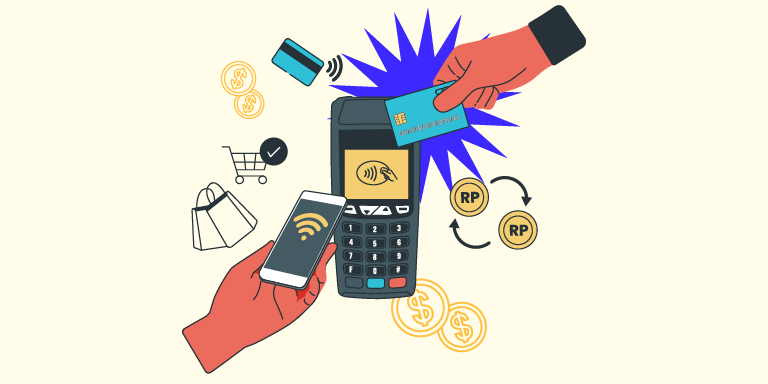
Before diving into specific providers, it is vital to distinguish what a "payment system" actually is. At its most fundamental level, a payment system acts as the digital bridge between your business bank account and your customer’s financial institution. It is a network that authorizes the transfer of funds, ensures encryption of sensitive data, and provides the reporting tools necessary for accounting.
It is important to note that a payment system is not a bank, nor is it a simple accounting software—though many modern platforms now offer "all-in-one" business management suites that include invoicing and inventory tracking.
Critical Factors for Selection
My research into these providers was guided by five pillars essential for modern business health:
- Payout Velocity: For small businesses with tight cash flow, the "lag time" between a transaction and the arrival of funds in your bank account is critical.
- Conversion Optimization: A payment system must be invisible. If the checkout process is cumbersome, customers will abandon their carts.
- Geographic Reach: If your target audience is international, your payment processor must support cross-border currencies and local payment methods.
- Fee Transparency: The industry is notorious for "hidden" fees. We prioritize platforms that offer clear, tiered, or flat-rate structures.
- Security Compliance: Every provider listed below maintains PCI-DSS (Payment Card Industry Data Security Standard) compliance, ensuring your customers’ data is shielded from breaches.
The Top 6 Payment Systems for 2025
1. Stripe: The Developer’s Favorite
Stripe has cemented its reputation as the gold standard for online-first businesses. Its API-driven nature allows for highly customized checkout experiences that keep the user on your domain, which is proven to reduce bounce rates.

- Pros: Exceptional customization, robust documentation, and an ecosystem that scales from a side hustle to a multinational corporation.
- Drawbacks: Requires a degree of technical literacy; if you want a deeply integrated custom build, you may need to hire a developer.
- Best For: E-commerce stores and SaaS businesses requiring a seamless, branded user experience.
2. PayPal: The Trusted Household Name
PayPal remains a staple in the digital economy. Its primary advantage is consumer trust. Many shoppers feel more comfortable using their PayPal login than entering card details into a new or unknown website.
- Pros: Unmatched brand recognition, immediate trust with consumers, and multi-currency support.
- Drawbacks: Redirecting users to PayPal’s checkout page can occasionally create friction and lead to lower conversion rates compared to integrated gateways.
- Best For: Businesses targeting older demographics or international markets where PayPal is the dominant payment method.
3. Authorize.net: The Versatile Veteran
Owned by Visa, Authorize.net is one of the oldest and most reliable gateways in the market. It excels in offering advanced fraud detection and a stable, developer-friendly API that integrates into almost any existing architecture.
- Pros: Advanced security features, excellent customer support, and high reliability for high-volume transactions.
- Drawbacks: The interface feels somewhat dated compared to modern fintech startups, and it often requires a merchant account.
- Best For: Established businesses that prioritize security and need a rock-solid, enterprise-grade gateway.
4. Amazon Pay: Leveraging the Giant’s Trust
Amazon Pay allows your customers to use the payment methods already stored in their Amazon accounts. By leveraging the "Amazon" brand, you signal to your customers that their transaction is safe and reliable.
- Pros: High trust levels, reduced friction, and deep integration with existing e-commerce platforms like Shopify or BigCommerce.
- Drawbacks: You are limited to the Amazon ecosystem; your data is also subject to Amazon’s terms and platform constraints.
- Best For: E-commerce retailers looking to reduce cart abandonment by offering a "one-click" checkout experience.
5. Square: The In-Person Powerhouse
If your business operates a physical storefront, pop-up shop, or market stall, Square is effectively the industry standard. Their hardware is sleek, intuitive, and designed to work out of the box.
- Pros: Best-in-class POS hardware, an intuitive virtual terminal, and a suite of tools that bridge the gap between physical and online sales.
- Drawbacks: Their online-only processing fees can be higher than competitors like Stripe for high-volume users.
- Best For: Retailers, coffee shops, and service-based businesses that accept payments in person.
6. SecurePay: The Emerging Alternative
SecurePay provides a balanced, user-friendly approach for startups. It is particularly useful for businesses that need to accept a wide variety of payment types without a complex onboarding process.
- Pros: Extremely easy setup and a generous free trial that allows business owners to test the system before committing.
- Drawbacks: Lower brand awareness, which can occasionally lead to hesitation from customers unfamiliar with the checkout interface.
- Best For: Startups and small businesses looking for an affordable, "plug-and-play" solution.
Implications for Your Business Strategy
Choosing a payment provider is not a "set it and forget it" task. As your business scales, your transaction volume will likely trigger volume-based discounts. It is advisable to review your payment processing costs every six months.
Furthermore, the rise of digital wallets—such as Apple Pay, Google Pay, and even crypto-based settlements—is fundamentally changing how consumers interact with brands. Ensure that whichever provider you choose supports "contactless" and "digital wallet" payments, as these are no longer optional features but baseline requirements for modern retail.
Frequently Asked Questions
What is the most cost-effective option for a new business?
For startups, providers like Square or Stripe are generally the most cost-effective because they typically do not charge monthly subscription fees, opting instead for a "pay-as-you-go" transaction model. This ensures that you only pay when you make a sale.
How do I ensure my payment system is secure?
Always verify that your provider is PCI-DSS compliant. This is the global standard for protecting cardholder data. Additionally, look for platforms that offer built-in fraud detection services, which use machine learning to flag suspicious transactions before they impact your revenue.
Can I use multiple payment systems at once?
Yes. Many businesses use an "omnichannel" approach, utilizing Square for physical locations while running Stripe or PayPal on their website to capture different segments of the market. Modern platforms are increasingly designed to sync with each other through API integrations.
Note: The pricing and features detailed in this article reflect data available as of early 2025. Payment processing providers frequently update their fee structures, introduce new hardware, and change compliance requirements. It is strongly recommended that you review the official terms of service for any provider before finalizing your integration to ensure their rates align with your current business model and volume.
Want to accelerate your growth?
Selecting the right payment system is merely the foundation. To truly scale, you need to master marketing, customer retention, and brand building. Unlock access to over 30 expert-led courses and 1,000+ lessons designed specifically for the modern entrepreneur. Join the community today and start building your brand with the tools used by the world’s most successful founders.