In the rapidly shifting landscape of digital commerce, few platforms carry the weight and influence of WooCommerce. As the engine powering a significant portion of the internet’s retail activity, WooCommerce finds itself at a critical juncture: balancing the stability of its open-source foundations with the aggressive, fast-paced innovation required to compete with high-capital SaaS (Software as a Service) giants.
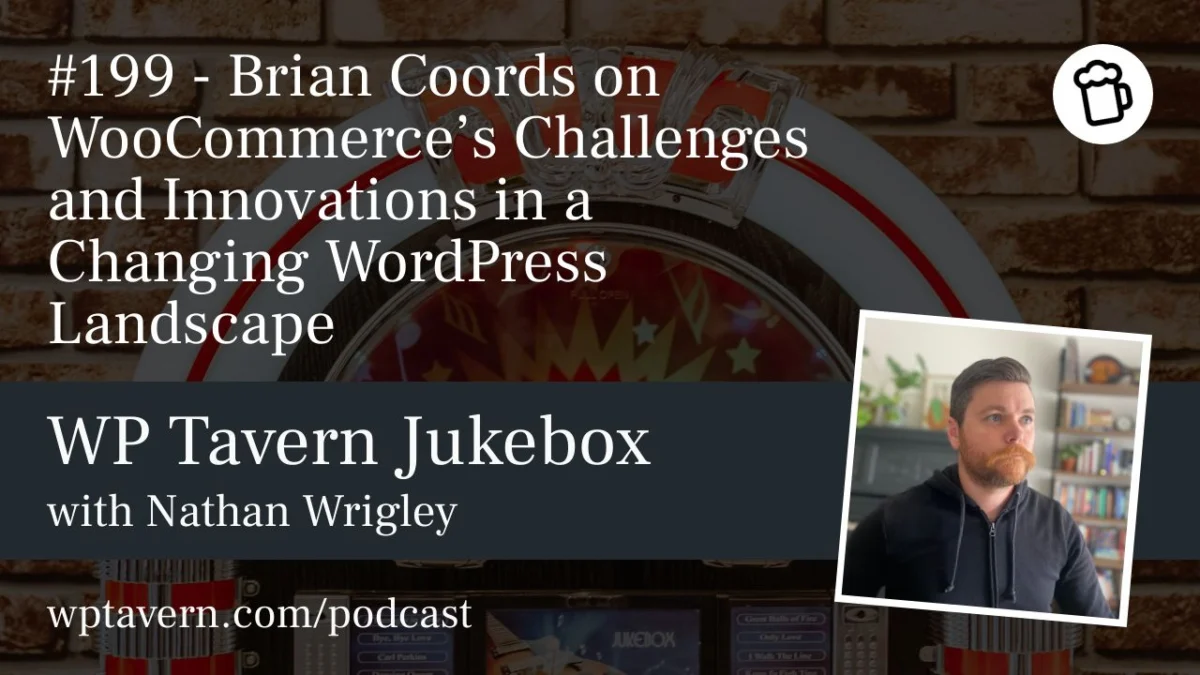
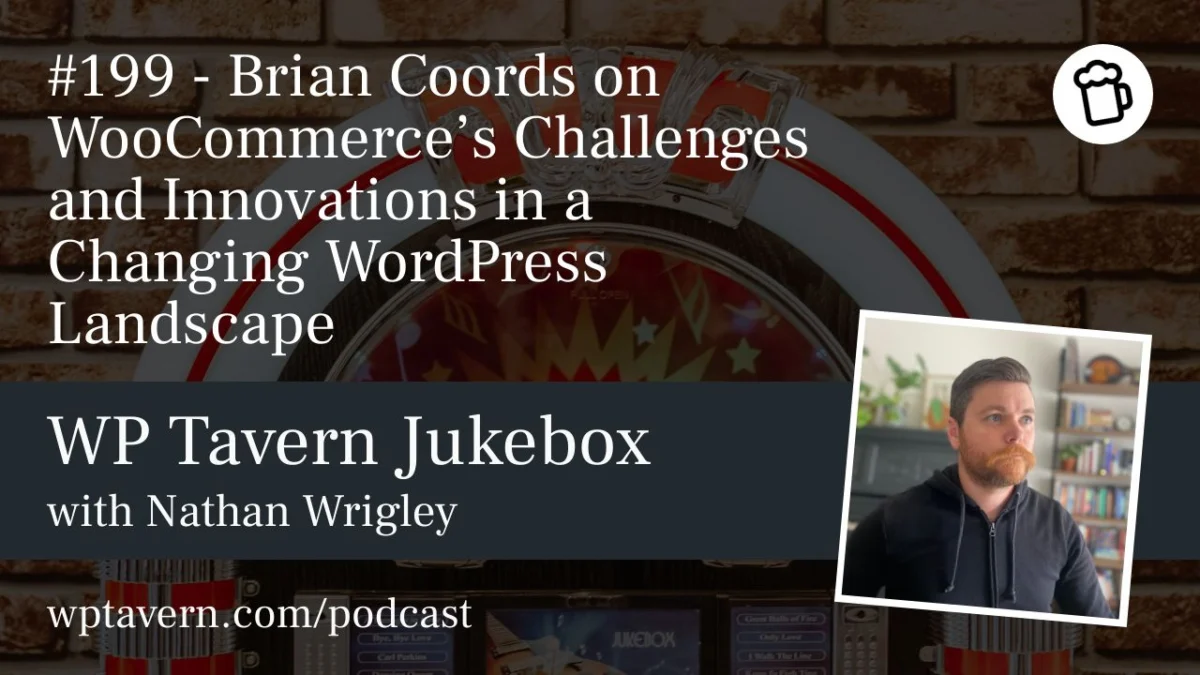
To unpack this transformation, we sat down with Brian Coords, a developer advocate at WooCommerce and a long-time fixture in the WordPress ecosystem. Coords, who joined Automattic nearly a year ago, offers a unique vantage point on how one of the world’s most ubiquitous platforms is adapting to the "tsunami" of AI integration, evolving developer relations, and a changing global market.
The Evolution of an Open-Source Titan
The journey of WooCommerce over the last decade is inextricably linked to the broader story of WordPress. Once a niche plugin for those who wanted to sell a few items on their blog, it has matured into a sophisticated e-commerce solution.
For Coords, the recent rebranding—which introduced a new visual identity and a more deliberate marketing strategy—was not merely cosmetic. It was a strategic repositioning. "The goal was to go from saying, ‘We’re a WordPress plugin that lets you sell things’ to ‘We’re an e-commerce solution that happens to run on WordPress,’" Coords explains. This shift is crucial as the platform seeks to stand toe-to-toe with proprietary giants like Shopify and BigCommerce, ensuring that when enterprise-level decision-makers evaluate their options, WooCommerce is recognized as a serious, scalable contender.
Chronology of a Developer-Centric Role
Brian Coords’ path to Automattic was anything but linear. A former high school teacher and nonprofit worker, Coords spent over a decade in the agency world, navigating the rise of page builders and the eventual dominance of the WordPress block editor. This background in the "trenches" of web development is precisely what informs his current role as a developer advocate.
"I spent 10 years working at a WordPress agency—building sites, managing developers, and living through the transition to the block editor," says Coords. "I know what it’s like to sell WordPress websites for a living."
When he joined the team at Automattic, he found a company in a state of consolidation. Over the past year, internal efforts have focused on streamlining workflows across the vast Automattic portfolio, including WordPress Core, WordPress.com, and WooCommerce. By centralizing these efforts, the engineering and developer relations teams are now more synchronized, allowing for a more cohesive experience for developers who contribute to both the CMS and its e-commerce extension.
Bridging the Gap: The Developer Relations Framework
At the heart of the WooCommerce ecosystem is a complex network of developers, agencies, and merchants. The role of developer relations (DevRel) here is not just to broadcast information, but to facilitate a feedback loop that sustains the platform.
"Our job is to bridge the gap between our internal engineers and the community," Coords notes. This includes:
- Documentation and Examples: Providing the technical scaffolding for developers building extensions and integrations.
- Release Management: Ensuring the community is prepared for the five-week release cycle of WooCommerce.
- Community Engagement: Running office hours, managing a 30,000-member community Slack, and monitoring repositories for community-led contributions.
This open-source "iceberg" is vast. While the vocal community of developers is highly engaged, Coords acknowledges that a significant percentage of WooCommerce users are "invisible"—they operate their stores quietly without engaging in the broader WordPress discourse. Reaching these users remains a key objective for the coming years.
Data and Global Reach
The scale of WooCommerce is difficult to overstate. It runs on a significant percentage of the web, and its user base is remarkably diverse, spanning almost every country, currency, and legal jurisdiction.
Supporting such a global footprint presents unique technical challenges. Unlike SaaS platforms that offer a controlled, monolithic environment, WooCommerce must contend with an endless variety of regional payment providers, local banking regulations, and specific shipping requirements.
"One of the things that surprised me most was the sheer diversity of integrations," Coords says. "There are payment providers, banks, and shipping companies that I had never heard of, all of which are essential to merchants in specific regions. That is the reality of a truly global, open-source e-commerce platform."
Official Stance on the AI Tsunami
Perhaps the most significant challenge facing any CMS today is the rapid advancement of Artificial Intelligence. When asked about the future of the platform in an AI-driven world, Coords emphasizes the importance of a measured, long-term approach.
"I’m overwhelmed by AI in my day-to-day work sometimes," he admits. "The only thing you can do is sit, go slow, and see what happens."
Despite this caution, WooCommerce is actively testing AI-driven features. One notable development is the use of Model Context Protocol (MCP) servers, which allow AI models like ChatGPT or Claude to securely interact with a store’s backend. This could enable store owners to use natural language commands to update product descriptions, adjust pricing, or change imagery—tasks that would previously require manual navigation through the dashboard.
Implications for the Future of Retail
The implications of these developments for the average store owner are profound. As we look toward 2026, the retail experience is likely to move away from the traditional "browser-cart-checkout" flow.
The Rise of Invisible Commerce
As AI assistants become more adept at managing repetitive tasks, the "utilitarian" side of e-commerce—purchasing routine goods like toiletries or office supplies—may become largely invisible. A user might simply tell their AI assistant to "restock my last order," and the transaction occurs in the background. WooCommerce is positioning itself to be the underlying engine for these automated interactions.
Discovery vs. Intent
There is also a shift in how products are discovered. As AI chat interfaces become the primary way users search for products, the SEO landscape will change. WooCommerce is focusing on ensuring that stores are "AI-ready," meaning their data is structured in a way that allows AI agents to accurately represent their products in search recommendations and chat-based shopping experiences.
The Human Element
Despite the march of automation, Coords remains bullish on the unique value of the WooCommerce ecosystem. "Most of the stores I come across on WooCommerce are selling weird, unique, and interesting products—things you aren’t going to find on a generic marketplace," he observes. This diversity is the platform’s greatest strength. While Amazon and other giants dominate the mass-market commodity space, WooCommerce empowers the boutique merchant to maintain ownership of their brand, their data, and their customer relationship.
Conclusion: A Resilient Ecosystem
The "slow pace of change" often criticized by impatient observers is, in retrospect, one of WordPress’s and WooCommerce’s greatest assets. By avoiding the temptation to "be everything to everyone," the platform has allowed for a thriving secondary ecosystem of builders, agencies, and plugin developers to grow alongside it.
As Brian Coords and his team look to the future, the strategy is clear: continue to foster a robust developer environment, lean into the integration with Gutenberg and the block editor, and carefully integrate AI to streamline the store-management experience. In a digital world increasingly dominated by closed-loop SaaS environments, WooCommerce remains a vital beacon for those who value the flexibility, ownership, and collaborative spirit of open source.
For those interested in following this evolution, Coords points developers to developer.woo.com, a central hub for documentation, community channels, and the latest updates from the team as they continue to refine the future of online retail.