The era of "build it and they will come" has effectively ended in the WordPress ecosystem. For years, the barrier to entry for plugin developers was primarily technical—if you could write clean, functional code that solved a niche problem, success was often a natural byproduct. Today, however, with over 59,000 plugins in the official directory and a market that has matured into a hyper-competitive, professionalized industry, the landscape has fundamentally shifted.
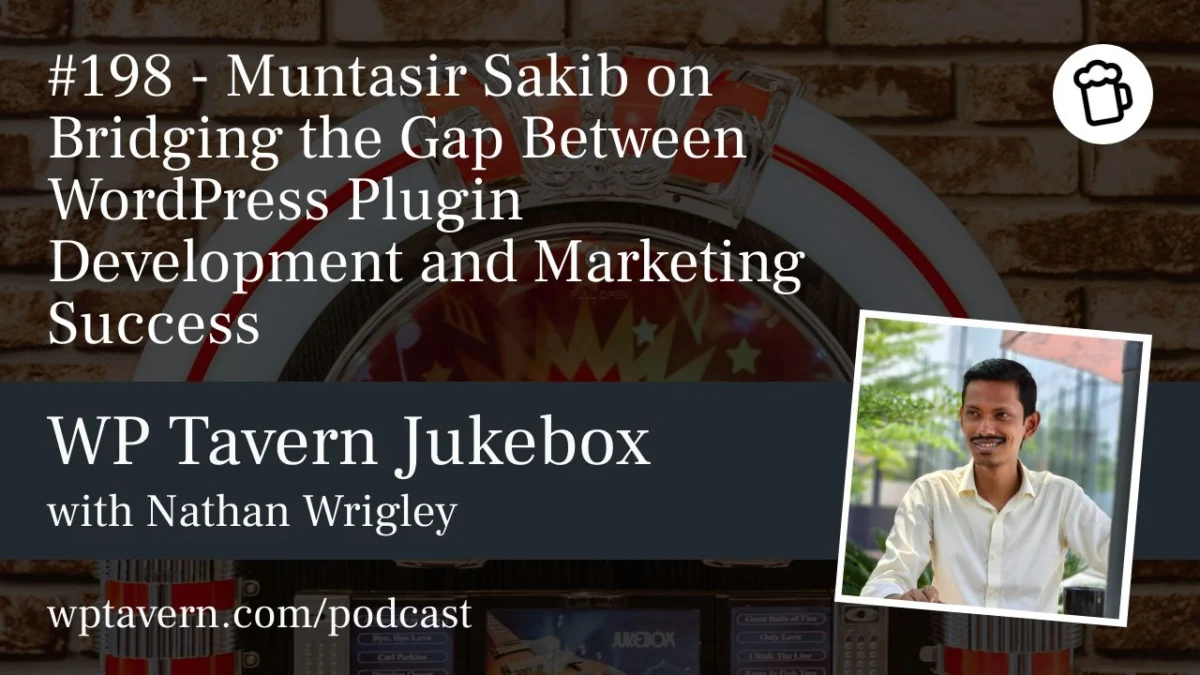
To understand how developers can bridge the widening gap between technical completion and market success, we turn to Muntasir Sakib, a veteran of the WordPress product space. Having played a pivotal role in scaling industry staples like Tutor LMS and Droip, Sakib argues that the distinction between "builder" and "business owner" is no longer a luxury—it is a prerequisite for survival.
The Evolution of the WordPress Ecosystem
Since 2018, Muntasir Sakib has been a fixture in the WordPress product development world. His work with companies like JoomShaper saw products like Tutor LMS skyrocket from 15,000 to over 100,000 active installations in just over three years.
"When I joined the team back in 2019, we were working day and night," Sakib recalls. "But the growth wasn’t just about code; it was about understanding the ecosystem. We didn’t just build features; we built a community-centric product that accounted for the open-source nature of WordPress."
Sakib notes that the WordPress market differs significantly from the traditional Software-as-a-Service (SaaS) model. In a SaaS environment, the developer controls the entire stack—the server, the browser experience, and the user’s workflow. In WordPress, you are a guest in the user’s house. Your code must coexist with dozens of other plugins, varying PHP versions, and diverse hosting environments. This inherent lack of total control makes interoperability and support the primary drivers of long-term reputation.
The "Development-Marketing" Chasm
A common pitfall identified by Sakib is the "feature-first" development trap. Many developers spend months—or years—adding features based on their own internal roadmap, only to realize upon launch that the market is either uninterested or already served by a competitor.
The Problem with Feature-First Development
- Reactive Roadmaps: Building features without user input results in a "reactive" roadmap, where the developer is constantly playing catch-up to competitors.
- Performance Degradation: The more features added to a plugin without careful architecture, the slower it becomes. In a world where Core Web Vitals and site speed are critical, bloat is a death sentence for a plugin.
- The "Myth of Value": Developers often equate a laundry list of features with high value. However, Sakib emphasizes that "clarity, reliability, and use-case fit" drive adoption. A user does not care about 30 payment gateways; they care about the one that works flawlessly with their business.
Strategic Marketing: When Does the Clock Start?
According to Sakib, the moment development ends is the moment success begins, provided the marketing foundation was laid on day one. If a developer waits until launch day to think about their audience, they have already lost.
The 30% Rule
Sakib suggests a radical shift in resource allocation: roughly 30% of a project’s budget should be dedicated to marketing and community engagement from the outset. This budget isn’t for flashy ads, but for:
- Influencer Collaboration: Reaching out to key figures in the WordPress space early in the beta phase to gather authentic feedback.
- Community Building: Using events like WordCamps not just as promotional platforms, but as networking hubs to establish partnerships with hosting companies, theme developers, and other plugin authors.
- Customer Discovery: Instead of guessing what users want, developers should rely on marketers to synthesize user pain points.
The Trap of Short-Term Revenue
One of the most contentious topics in the WordPress product space is the reliance on "Lifetime Deals" (LTDs). While these deals offer a quick infusion of cash, Sakib classifies them as a dangerous trap for long-term sustainability.
"Many founders rely on lifetime deals to get early traction," says Sakib. "It creates cash flow, but it destroys long-term sustainability. You are essentially taking on a permanent liability—the cost of supporting that user—without any recurring revenue to fund that support."
As a product grows, fixed costs rise. Server maintenance, support staff, and development cycles become more expensive every year. A customer who paid once five years ago and still demands top-tier support can eventually drag a company toward bankruptcy. The path to growth, Sakib argues, lies in subscription-based models and clear, one-click upgrade paths for users who need to move from single-site to multi-site licenses.
The Role of Community and Partnership
In the modern WordPress market, success is rarely a solo act. The community functions as a distribution and feedback engine.
Leveraging WordCamps and Meetups
Sponsoring a WordCamp isn’t just about brand visibility; it’s about the "Five for the Future" initiative. By contributing to the ecosystem, companies build trust. Furthermore, these events allow for the formation of strategic partnerships. An LMS plugin author, for example, can partner with an SEO plugin developer to create a cohesive experience for educators. These mutualistic relationships are the backbone of sustainable WordPress businesses.
Implications for Future Developers
For the solo developer or the small startup team, the message is clear: You do not need to be a marketing expert, but you do need to respect the discipline.
- Stop being the bottleneck: If you are a developer, recognize that your skill is building. If your product is worth building, it is worth hiring or partnering with someone whose skill is marketing.
- Prioritize "Jobs to be Done": Stop asking "What feature should I build?" and start asking "Where are my users getting stuck?"
- Be Vocal: The WordPress community is inherently helpful. If you are struggling with a product, be honest. Engage with beta testers and early adopters. They are your best marketers, and their word-of-mouth is more valuable than any paid advertisement.
Conclusion: The Path Forward
The professionalization of the WordPress plugin market means that the barrier to entry has moved from the keyboard to the boardroom. The developers who thrive in the coming years will be those who can successfully marry high-quality, stable code with a deep, empathetic understanding of their users’ needs.
As Muntasir Sakib concludes, "Success isn’t about the number of features you have in your changelog. It’s about the number of people whose businesses you’ve helped sustain and grow. If you solve their problems, they will solve your marketing problems for you."
For those looking to turn a finished plugin into a lasting business, the advice is simple: Step away from the code, look at the world, and start building relationships—not just features.