In the vast, crowded digital landscape of the 21st century, the barrier to entry for content creation has never been lower. Anyone with an internet connection can launch a blog, publish well-structured articles, optimize for search engines (SEO), and master the technical nuances of WordPress or Squarespace. Yet, thousands of aspiring creators find themselves staring at stagnant traffic numbers and low engagement. They are doing everything “by the book,” but their blogs remain digital ghosts—visited, but never truly felt.
The missing ingredient is rarely technical proficiency; it is the human touch. Personality is the fundamental differentiator between a blog that is instantly forgotten and one that cultivates a loyal, thriving community. It is the bridge between a static webpage and a resonant brand.
This article explores how ten industry-leading bloggers have leveraged their unique voices and identities to turn simple websites into influential platforms, offering a blueprint for creators looking to infuse their own work with the authenticity that modern audiences crave.
The Anatomy of an Authentic Brand
To understand why personality matters, one must look at the shift in consumer behavior. Readers today are fatigued by AI-generated fluff and corporate-sanctioned copy. They seek connection, vulnerability, and a distinct point of view. When a reader arrives at your site, they are not just looking for information—they are looking for a guide, a peer, or a storyteller they can trust.

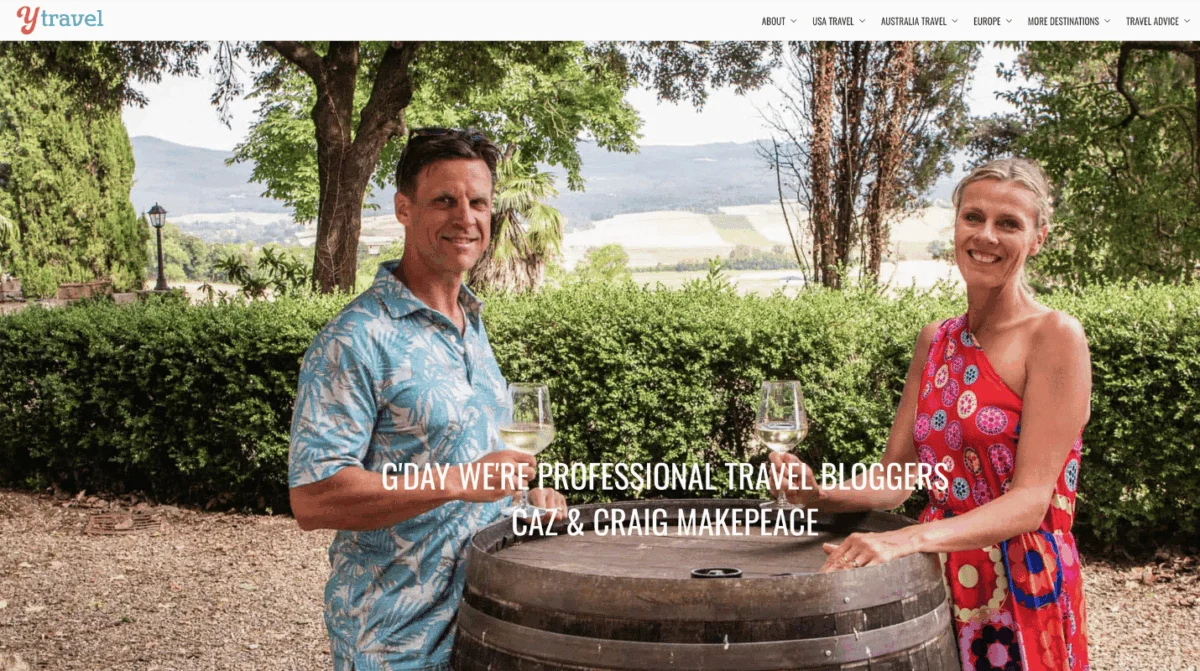
1. The Visual Narrative: YTravel
For travel bloggers Caz and Craig, photography is more than just an aesthetic choice; it is a storytelling vehicle. By prioritizing candid, high-quality imagery of their family’s adventures, they move beyond the "generic travel guide" archetype. Their photos do not just show a location; they show an emotional state—joy, curiosity, and the authentic messiness of family travel.
- The Lesson: Visuals must serve the narrative. Whether you are in food, fashion, or travel, use imagery that captures the specific, human emotion behind your experience.
2. The Power of Personal Flair: Pat Flynn
Pat Flynn’s Smart Passive Income serves as a masterclass in approachable authority. By prominently displaying his identity—husband, father, and "protector of Baby Yoda"—he humanizes the "entrepreneur" label. This isn’t just a business site; it is an extension of Pat himself.

- The Lesson: Don’t hide behind a corporate logo. Let your audience know who you are outside of your professional expertise.
3. Radical Authenticity: Shannon Kelly White
Salty language and a bold, unfiltered tone can be a polarizing strategy, but for creators like Shannon Kelly White, it is a filter. By embracing a raw, conversational style, she ensures that the "right" people stick around while weeding out those who don’t resonate with her ethos.
- The Lesson: Trying to appeal to everyone is a recipe for being ignored. A strong, specific voice builds a smaller but significantly more loyal audience.
4. Consistent Identity: Blog Tyrant
Ramsey’s use of a custom, red-shirted superhero avatar across all platforms—from his homepage to his free downloadable reports—creates an indelible brand mark. It makes his content instantly recognizable, regardless of where it appears.

- The Lesson: Branding is about repetition. If you have a visual asset that defines your brand, use it everywhere.
5. The "About" Page as a Hook: A Beautiful Mess
Elsie and Emma of A Beautiful Mess understand that the "About" page is often the second most visited page on a site. It is where a casual reader becomes a fan. They treat this page as a dynamic introduction to their personalities rather than a dry resume.
- The Lesson: Your bio should be the heart of your site. It is the place to tell your story, share your mission, and invite the reader into your world.
Chronology of Connection: Building Trust Over Time
Building a personality-driven blog does not happen overnight. It is a process of consistent alignment. The following timeline illustrates how top creators scale their influence:

- Foundation (Months 1–6): Establishing a consistent tone and visual identity.
- Growth (Months 6–18): Developing a clear "Brand Statement" that tells readers exactly who you are and how you help them.
- Authority (Months 18–36): Using lead magnets (like quizzes or niche-specific definitions) to convert casual traffic into a dedicated community.
- Legacy (36+ Months): Maintaining consistency across all platforms, ensuring that your brand voice remains the same whether the reader is on your blog, Twitter, or LinkedIn.
Supporting Data: Why Personality Drives Engagement
The shift toward personality-driven content is backed by psychological principles of social proof and parasocial interaction. According to recent content marketing surveys, 70% of consumers report that they feel more connected to a brand when the leadership shares their personal values and personality.
Furthermore, data suggests that "niche authority" is bolstered by personal experience. For example, James Schramko’s SuperFastBusiness uses a clear, benefit-driven brand statement at the top of his page. This reduces "cognitive load" for the visitor; they instantly know if the content is for them. By filtering out the wrong audience, his conversion rates for high-ticket coaching services remain exceptionally high compared to broader, "personality-free" competitors.

Official Perspectives: The Philosophy of Connection
When asked about the importance of branding, industry experts often point to the "Know, Like, and Trust" factor.
"People buy from people, not corporations," notes one digital marketing strategist. "When you strip the personality out of a blog, you are essentially asking your reader to engage with a database. But when you inject your own quirks, humor, and specific worldview, you are creating a relationship. That relationship is the single most valuable asset a blogger can own."

Jadah Sellner, a prominent voice in the blogging space, exemplifies this through color theory and design cohesion. Her site uses a specific, warm, and earthy palette that matches her personal brand, ensuring that every touchpoint feels deliberate and professional. This attention to detail signals to the reader that the creator cares about their experience.
Implications: The Future of Personal Blogging
As generative AI begins to dominate the production of generic, "how-to" information, the value of personal experience will skyrocket. If a machine can answer "how to bake a cake," the human blogger must answer "why baking this cake changed my life."

The Call to Action
The implications for new and veteran bloggers are clear:
- Define Your Archetype: Are you the mentor? The explorer? The rebel? Choose a lane and inhabit it.
- Audit Your Visuals: Does your site reflect your personality? If you are a minimalist, your design should reflect that. If you are bold and quirky, your design should reflect that.
- Solve, Don’t Just Inform: Use tools like quizzes (as seen on Puttylike) or clear, direct calls to action (as seen on Kelly Exeter) to turn your readers into active participants.
In conclusion, the era of the anonymous, SEO-only blog is waning. The creators who will thrive in the coming decade are those who recognize that their personality is not a distraction from their content—it is the very substance of it. Whether through professional photography, consistent branding, or a singular, identifiable voice, the path to blogging success is paved with the courage to be authentically, unapologetically yourself.

What will be your next step toward personalizing your corner of the web? The audience is waiting for someone they can connect with. Ensure that someone is you.