In an era defined by the exponential growth of data, we find ourselves in a paradoxical reality. We have access to more information than at any point in human history, yet finding what is relevant, accurate, and actionable at the precise moment of need has become an increasingly daunting challenge. We are drowning in a deluge of content, trapped in a cycle of information overload. As we traverse this digital landscape, the discipline of Information Architecture (IA) emerges not merely as a technical necessity, but as the essential scaffolding that provides structure, meaning, and navigation to our chaotic digital existence.
What Is Information Architecture and Why Does It Matter?
At its core, as defined by The Information Architecture Institute, IA is the practice of deciding how to arrange the parts of something to be understandable. For the User Experience (UX) designer, this definition translates into a human-centric mandate: it is the art of empathizing with the user, deciphering the specific problems they are attempting to solve, and presenting information in a logical, intuitive framework that respects their context.

Whether designing a global e-commerce platform, a complex software suite, or a simple mobile application, the initial phase of development must prioritize the design of the information hierarchy. Without this foundation, users are left to fend for themselves in a sea of unorganized data. Good information architecture transforms that data into a navigable path, significantly reducing the cognitive load on the user and increasing the likelihood of goal completion.
The User-Centric Imperative
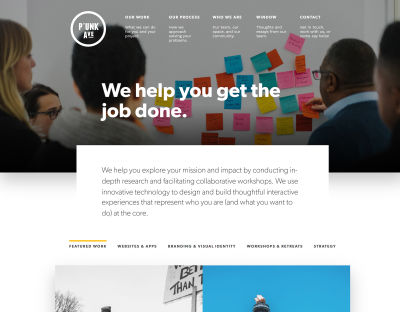
For the end-user, effective IA is the difference between a seamless journey and total frustration. Consider the modern wizard-style interface. By breaking down complex processes into logical, sequential steps, designers use IA to guide users through tasks that would otherwise be overwhelming. When the hierarchy makes sense, the user feels empowered and in control. Conversely, when navigation is ambiguous or terminology is inconsistent, the user experience collapses, leading to high bounce rates and diminished trust.
The Business Case for Structure
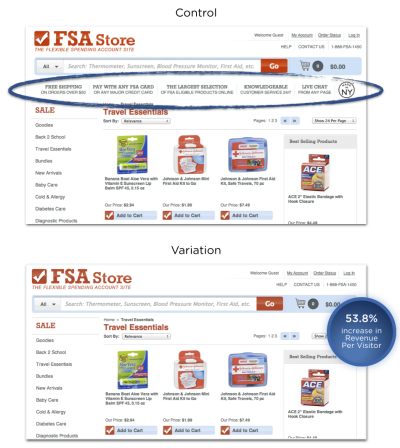
From a business perspective, the implications of IA are directly tied to the bottom line. A case study involving an e-commerce platform revealed that optimizing site navigation and removing superfluous, distracting content between search bars and product displays resulted in a staggering 53.8% increase in revenue. By prioritizing the user’s primary intent and streamlining the path to purchase, the business effectively removed friction, proving that clear architecture is a primary driver of conversion.
Search vs. Navigation: The Perpetual Debate
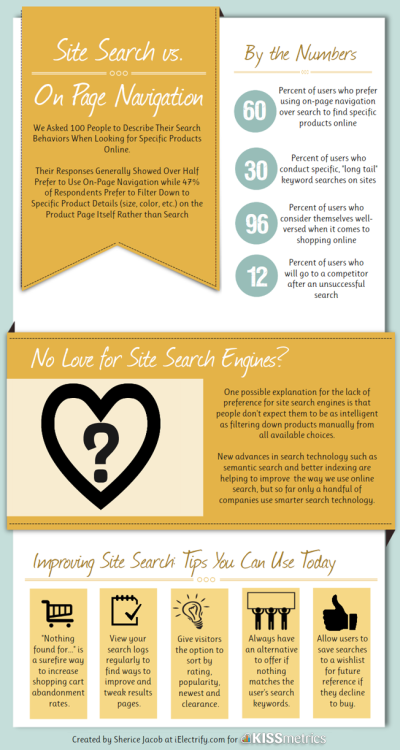
One of the most persistent questions in the field is the relationship between site navigation and search functionality. Historical data from industry experts like Jakob Nielsen and Gerry McGovern has consistently shown that while users rely heavily on navigation to browse, a significant portion—ranging from 30% to 50%—prefer to jump directly to a search bar.

This behavior is particularly pronounced on content-heavy websites. The reality is that these two pillars of discovery are not mutually exclusive; they are symbiotic. For complex structures, providing a robust, intelligent search function is not a luxury—it is a requirement. However, search is only as good as the underlying data structure. By utilizing metadata and tags, designers can ensure that a search for “hygienic soap” returns the same result as “antibacterial hand wash,” accounting for the varied vocabulary of different users.

The Information Age: A Broader Perspective
To truly understand the value of IA, we must step back and examine the "Information Age" itself. We live in a world where access is instantaneous, global, and virtually limitless. Information is the currency of the 21st century. However, this ubiquity brings with it the inherent dangers of misinformation, manipulation, and security breaches.
The Power and Responsibility of Data
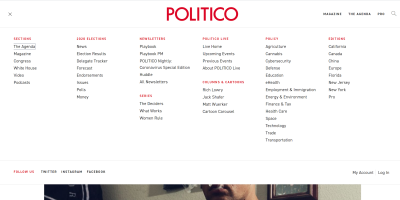
Information is inherently neutral, yet it possesses immense power. As the late activist Aaron Swartz understood, the act of "liberating" information is a political statement. When information is walled off or hidden, it can be used for control; when it is accessible, it can be used for empowerment. But we must be cognizant that this power can be abused. The same tools that allow us to distribute life-saving medical data can be used to propagate dangerous conspiracy theories or political propaganda designed to incite fear.
Chronology of Influence: Information in Crisis
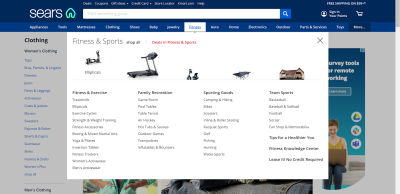
The impact of information on world events is often instantaneous. During the COVID-19 pandemic, we witnessed how rapidly governments were forced to pivot their policies based on shifting data. In Australia, a high-profile shift regarding the suspension of elective surgeries occurred in a matter of hours, triggered by urgent updates from the health sector. This highlights a critical reality: in a fast-paced environment, the speed at which information is processed, categorized, and acted upon can determine the difference between success and catastrophe.

The Dangers of Misinformation and Security Lapses
The dark side of our information-rich society is the ease with which bad actors can weaponize data. The rise of "fake news" and the deliberate blurring of lines between objective reporting and partisan opinion have created a crisis of trust. When users cannot distinguish between credible sources and misinformation, the utility of the internet as an information repository is severely compromised.

Furthermore, the vulnerability of personal data remains a constant threat. The 2018 Facebook security breach and the 2017 Equifax incident—which exposed the sensitive data of 147 million people—serve as grim reminders of the costs of poor data management. These breaches cost billions in damages and have fueled a global movement toward stricter data privacy legislation. Currently, 132 countries have enacted laws to protect the privacy of their citizens, a number that continues to grow as the world recognizes that personal information is a commodity that must be protected with the same rigor as physical assets.
How to Get It Right: Best Practices in IA Design
Designing effective IA requires a systematic, evidence-based approach. To build a structure that stands the test of time, designers should employ the following methodologies:

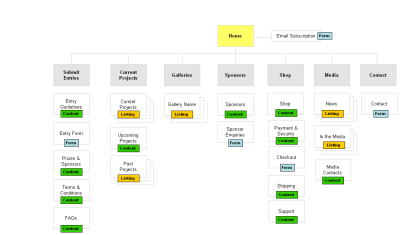
- Sitemap Development: Map out the entire navigation structure to identify opportunities for consolidation. The goal is to reach the target content in the fewest number of clicks possible.
- Visual Consistency: On mobile devices, icons must always be accompanied by text labels to eliminate ambiguity. Visual cues should reduce cognitive load, not add to it.
- Card Sorting: This remains the gold standard for understanding user mental models. By conducting open card sorts, designers can discover how users naturally group information, which can then be validated through closed card sorts.
- Scenario Testing: Use clickable wireframes to observe how users navigate specific tasks. If a user cannot find their way through a prototype, they certainly won’t find it on the live site.
- Tool Utilization: Platforms like Treejack allow designers to validate navigation structures before a single line of code is written, ensuring that the hierarchy is intuitive from the outset.
- Keyword Research: Tools like "Answer the Public" help designers understand the exact language users are using, which informs the labeling of menus and the implementation of effective SEO and internal search tags.
Conclusion
The vast, uncontrolled explosion of information in the digital age is not slowing down. As designers and architects of the web, we have a profound responsibility to bring order to this chaos. Information architecture is more than just a menu design or a site map; it is the fundamental infrastructure that allows our society to function in the digital realm.

By focusing on clear, logical, and user-centric structures, we can mitigate the effects of information overload, protect user privacy, and ensure that when people reach for the truth, they can find it. In an age where information is king, the architect who builds the castle holds the most significant influence of all. We must continue to build with empathy, precision, and a deep respect for the data we organize.