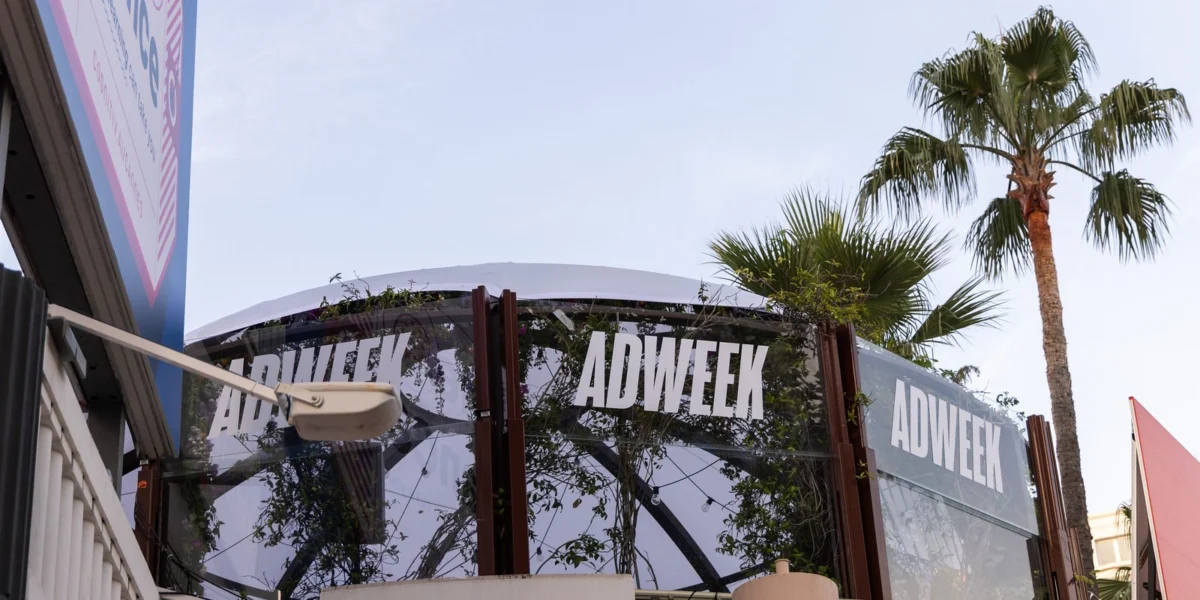
The annual pilgrimage to the Côte d’Azur for the Cannes Lions International Festival of Creativity is more than just an industry gathering; it is a barometer for the health, ambition, and trajectory of the global marketing ecosystem. This year, Adweek House served as the central nervous system for these conversations, hosting a series of high-level panels, executive roundtables, and networking sessions that defined the discourse of the 2024 festival. From the integration of generative AI to the shifting sands of brand purpose, the insights gleaned at Adweek House provide a comprehensive roadmap for what lies ahead.
Main Facts: The Pillars of Cannes 2024
At its core, the 2024 edition of Adweek House focused on three primary pillars: The AI Transformation, The Evolution of Attention, and The ROI of Authentic Brand Purpose.
The narrative shifted significantly from previous years. Where 2023 was defined by "experimental curiosity" regarding AI, 2024 was defined by "operational reality." Industry leaders gathered at the Adweek stage to discuss not if AI will change the creative process, but how it is currently being integrated into workflows, supply chains, and consumer personalization strategies.
Furthermore, the conversation around brand purpose matured. Following years of critique regarding "purpose-washing," brands at Adweek House showcased a pivot toward "pragmatic impact"—prioritizing initiatives that are measurable, long-term, and deeply embedded in the product experience rather than merely communicative.
Chronology: A Week of Industry Evolution
The programming at Adweek House was structured as a thematic progression, mirroring the rapid pace of change within the creative economy.
Day 1: The AI Paradigm Shift
The week opened with a series of sessions dedicated to Artificial Intelligence. Early morning keynotes focused on the democratization of creative tools. CMOs from major global brands discussed the "co-pilot" model, emphasizing that while machines can handle repetitive tasks and data-driven targeting, the "human spark" remains the premium asset in the creative hierarchy.
Day 2: The Attention Economy and Retail Media
By Tuesday, the focus shifted to the fragmentation of the media landscape. Sessions explored the rise of Retail Media Networks (RMNs) and how brands are navigating a world where "everything is a store." Experts debated the threshold between helpful personalization and intrusive surveillance, advocating for a more transparent value exchange with the consumer.
Day 3: Sustainability and Ethical Advertising
Wednesday was anchored by discussions on environmental, social, and governance (ESG) goals. Industry leaders acknowledged the "purpose fatigue" among consumers and proposed a new framework: Impact Marketing. This strategy prioritizes tangible results—such as reducing carbon footprints in production—over symbolic advertising campaigns.
Day 4: Future-Proofing the Creative Workforce
The final day was dedicated to talent and culture. With the rise of hybrid work and the looming automation of entry-level tasks, leaders debated how to train the next generation of creative directors. The consensus was clear: "T-shaped" skills—deep expertise in one area coupled with a broad understanding of technology and data—are the new industry standard.
Supporting Data: The Quantitative Landscape
To understand the scope of the shifts discussed at Adweek House, one must look at the underlying industry metrics. Data presented during the festival revealed several critical trends:
- The AI Investment Gap: According to internal surveys presented by leading consultancies at the event, 74% of marketing leaders have increased their AI budget by at least 20% compared to the previous fiscal year. However, only 32% report that their teams have the necessary technical literacy to fully leverage these tools.
- The Attention Deficit: Data shared by major media agencies suggests that consumer attention spans for short-form video content have decreased by 18% over the last 24 months, forcing brands to optimize creative assets within the first 1.5 seconds of interaction.
- Retail Media Growth: Retail media spending is projected to surpass $140 billion globally by 2026. This trend was underscored by the heavy presence of retail giants at Cannes, marking a permanent shift in where marketing dollars are being diverted from traditional linear television.
Official Responses: Voices from the Frontlines
The Adweek House stage featured a diverse array of stakeholders, from global CMOs to tech innovators and agency CEOs.
On AI Implementation:
"We are moving past the ‘wow’ factor of generative AI," noted a Chief Marketing Officer of a Fortune 500 CPG company. "The conversation has shifted to governance, copyright, and ensuring that our AI outputs remain consistent with our brand voice. The technology is a force multiplier, not a replacement for creative intuition."
On the Role of the Agency:
The CEO of a major global agency network emphasized the changing agency model: "Our value proposition is no longer just ‘great ideas.’ It is ‘great ideas, powered by data, delivered at scale, and measured for effectiveness.’ The siloed agency structure is dead; we are now partners in business transformation."
On Consumer Trust:
A prominent industry analyst speaking at an Adweek roundtable remarked: "Consumers are smarter than we give them credit for. They can distinguish between a brand that is trying to sell a values-based narrative and one that is actually changing its internal business practices. The era of the performative brand is coming to a close."
Implications: The Roadmap for 2025 and Beyond
The takeaways from Adweek House at Cannes Lions 2024 suggest that the industry is entering a period of "High-Stakes Creativity." As we look toward the remainder of the decade, three major implications emerge:
1. The Consolidation of Tech and Creative
The traditional wall between "creative" and "performance" marketing is dissolving. As AI tools become standard, the creative process will be continuously informed by real-time performance data. Agencies and brands that fail to integrate these departments will struggle to compete with the agility of "digital-first" incumbents.
2. The Return to Human-Centricity
Ironically, in a year defined by technology, the most frequent buzzword was "humanity." There is a growing recognition that as the digital landscape becomes flooded with AI-generated content, authentic, human-led storytelling will become a scarce and highly valuable commodity. Brands that can foster genuine community and connection will differentiate themselves from the noise of algorithmic content.
3. Regulatory Preparedness
With the EU AI Act and evolving global data privacy laws, the regulatory environment is tightening. Adweek House sessions highlighted the need for CMOs to become "compliance-literate." Future marketing strategies must be built with privacy and ethics as foundational elements, rather than afterthoughts.
4. A New Definition of ROI
The days of relying solely on vanity metrics (likes, impressions, reach) are ending. The discourse at Cannes pointed toward a future of "Outcome-Based Marketing," where success is measured by long-term customer lifetime value, brand equity growth, and direct contribution to the bottom line.
Conclusion: Crafting the Future
Adweek House at Cannes Lions 2024 was a crucible of ideas that will undoubtedly shape the industry for years to come. The message was loud and clear: the industry is at an inflection point. The winners of the next decade will be those who can balance the cold efficiency of machine intelligence with the warm, unpredictable, and essential power of human creativity.
As the industry returns to business-as-usual, the lessons from the Côte d’Azur serve as a reminder that creativity is not just an artistic pursuit—it is a business imperative. Whether through the ethical adoption of AI, the strategic navigation of retail media, or the commitment to authentic purpose, the path forward requires a blend of courage, data-driven precision, and an unwavering commitment to the consumer.
The Cannes Lions festival may conclude each year with the awarding of gold, silver, and bronze, but the real prize remains the collective intelligence gathered at hubs like Adweek House. The future of advertising is not something that happens to the industry; it is something that is being built, day by day, in rooms like these. As we look ahead to 2025, the challenge for every marketer is to translate these lofty discussions into actionable, high-impact reality.