In the modern digital landscape, the inbox has become the most contested real estate in marketing. As consumers are bombarded with hundreds of notifications daily, the era of the "spray and pray" email strategy—sending a single, generic blast to an entire subscriber list—has officially reached its expiration date. For founders and marketers in 2025, the ability to cut through the noise is no longer a luxury; it is a fundamental requirement for survival.
The solution is audience segmentation: the art and science of dividing a broad subscriber base into smaller, highly targeted cohorts based on behavior, psychographics, and purchase history. By moving from mass communication to personalized engagement, businesses can transform their email marketing from a source of friction into a powerful engine for revenue.
The Core Mechanics: What is Segmentation?
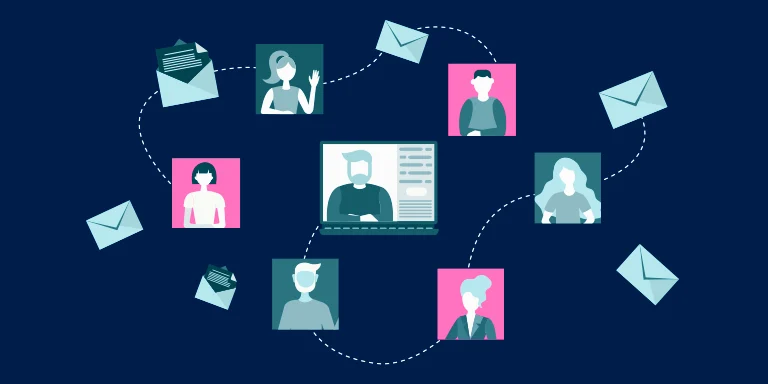
At its most fundamental level, audience segmentation is the practice of delivering the right message to the right person at the exact moment they are most receptive. Rather than treating an email list as a monolith, segmentation treats each subscriber as an individual with unique needs, preferences, and pain points.
This process involves parsing data—often collected through website interactions, purchase history, and engagement patterns—to categorize users. When a brand treats a customer like an individual rather than a statistic, the psychological effect is profound. It mimics the experience of walking into a local boutique where the clerk greets you by name and suggests products based on your past preferences. In the digital realm, this level of personalization is the ultimate driver of loyalty and conversion.
Chronology of a Failed Strategy: The Decline of Mass Blasts
To understand why segmentation is critical, one must look at the evolution of email marketing over the last decade.
- 2010–2015: The "Volume Era." Marketing teams prioritized list size above all else. The goal was to reach as many inboxes as possible, believing that high-volume sends would inevitably lead to high-volume sales.
- 2016–2020: The "Spam Filter Era." As inbox providers (like Google and Outlook) became more sophisticated, mass-blasting generic content triggered aggressive spam filters. Companies began to see declining deliverability rates as their engagement metrics plummeted.
- 2021–2024: The "Privacy & Personalization Era." With the rise of stricter data regulations and a consumer base that grew weary of irrelevant noise, users began to aggressively unsubscribe from brands that didn’t provide immediate value.
- 2025 and Beyond: The "Precision Era." Today, the metric that matters most is not how many people receive your email, but how many people act on it. Brands that fail to segment are now viewed as intrusive, while those that do are viewed as essential partners in the customer journey.
Supporting Data: Why the Numbers Favor the Focused
The empirical evidence supporting segmentation is overwhelming. According to the Omnisend 2025 Industry Report, the disparity between generic and segmented outreach is stark. While the average cross-industry email open rate sits at approximately 26.6%, automated, segmented flows—triggered by specific user actions—achieve a staggering 40.55% open rate.
Furthermore, segmented campaigns have been shown to drive significantly higher Click-Through Rates (CTR). When a message is tailored to a specific buyer intent—such as a discount on an item left in a shopping cart—the conversion rate can increase by as much as 300% compared to a general promotional newsletter. These figures underscore a critical truth: modern consumers are not opposed to marketing; they are opposed to irrelevant marketing.
The 5 Essential Segments for Every Founder
You do not need to be a data scientist to implement effective segmentation. By focusing on these five foundational groups, you can immediately begin to improve your email ROI:
1. New Subscribers (The Trust-Building Phase)
New subscribers are at their peak of curiosity. Rather than immediately bombarding them with "Buy Now" calls-to-action, use this window to establish your brand identity. A three-part welcome series—sharing your origin story, your values, and a low-friction incentive—is the most effective way to build the foundation for a long-term relationship.
2. Past Purchasers (The Retention Engine)
A customer who has bought once is statistically more likely to buy again, provided you give them a reason. Use this segment to suggest complementary products. If a customer buys a yoga mat, send them an automated follow-up a week later featuring recovery tools like foam rollers or resistance bands. This adds value to their initial purchase while encouraging repeat business.
3. Cart Abandoners (The Recovery Segment)
Cart abandonment is one of the biggest revenue leaks for e-commerce brands. These users have shown high intent but hit a snag at the final step. A timely reminder—ideally sent within 24 hours—that includes an image of the abandoned item and perhaps a small incentive like free shipping can recover a significant portion of lost revenue.
4. Inactive Subscribers (The Re-Engagement Segment)
Do not let your list grow stale. Users who stop opening emails are not necessarily lost forever; they may just need a "nudge." A re-engagement campaign, using a subject line like "Still interested?" or offering a "We miss you" discount, can prune your list of truly dead contacts while winning back those who simply grew busy.
5. VIP Customers (The Loyalty Tier)
Your most valuable customers deserve special treatment. These are the individuals who purchase frequently or spend heavily. By providing them with "insider" perks—such as early access to new product drops or private Q&A sessions—you deepen their emotional investment in your brand, turning them into vocal advocates.
The Implications: What Happens When You Ignore the Data
The cost of failing to segment is not merely a loss of potential revenue; it is the degradation of brand equity. When you send irrelevant content, you signal to your audience that you do not understand their needs.
The consequences are three-fold:
- Lower Deliverability: Low engagement rates (opens and clicks) signal to ISPs like Gmail that your emails are unwanted, causing more of your future messages to be shunted directly to the "Promotions" or "Spam" tabs.
- Higher Unsubscribe Rates: The "unsubscribe" button is the most visible metric of a brand losing its connection with its audience. Every unsubscribe is a lost lifetime value (LTV) opportunity.
- Revenue Stagnation: In an environment where customer acquisition costs (CAC) are rising, your existing list is your most valuable asset. Treating it with a one-size-fits-all approach is equivalent to leaving money on the table.
Implementing the System: Tools and Strategy
For the modern founder, the barrier to entry for segmentation has never been lower. Platforms like Omnisend have democratized the process, allowing even lean, early-stage startups to build complex, behavior-triggered workflows without writing a single line of code.
Step 1: Platform Selection
Choose an email service provider (ESP) that views segmentation as a feature, not an afterthought. You need a platform that integrates directly with your store’s backend, allowing you to trigger emails based on real-time behavior.
Step 2: Behavioral Grouping
Start by segmenting based on actions. Did they visit a specific category? Did they view a specific product? Did they spend over $100? These are the data points that predict future behavior.
Step 3: Automate the Flow
The goal of segmentation is to create a "set it and forget it" system. Once your flows are mapped—a welcome flow for new signups, a recovery flow for abandoned carts, and a post-purchase flow for loyalty—your marketing works for you 24/7.
Step 4: Iterative Refinement
Segmentation is an experiment, not a static document. Regularly review your open and click-through rates for different segments. If a segment isn’t performing, adjust your messaging. If a segment is highly responsive, double down on that strategy.
Conclusion: The Path Forward
The future of email marketing belongs to the brands that prioritize relevance over volume. By treating your email list as a collection of unique, evolving individuals rather than a static spreadsheet, you unlock the ability to foster genuine relationships that lead to sustainable growth.
The technology is ready, the data is available, and the path is clear. It is time to stop shouting at the crowd and start having conversations with your customers. For those ready to begin, the journey starts with one segment, one automated email, and one personalized message sent at the perfect time.
For founders looking to streamline this process, Omnisend offers a robust suite of tools tailored for high-growth e-commerce. Foundr readers can access an exclusive 50% discount on their first three months by using the code FOUNDR50 at checkout. Activate your growth strategy here.