In the modern digital landscape, the promise of anonymity is a core component of the subscription economy. For millions of Apple users, the "Hide My Email" feature—a flagship offering of the iCloud+ suite—has served as a primary bulwark against spam, tracking, and unwanted data harvesting. By generating unique, randomized email aliases that forward traffic to a personal inbox, Apple allowed users to interact with websites and apps without revealing their primary identity.
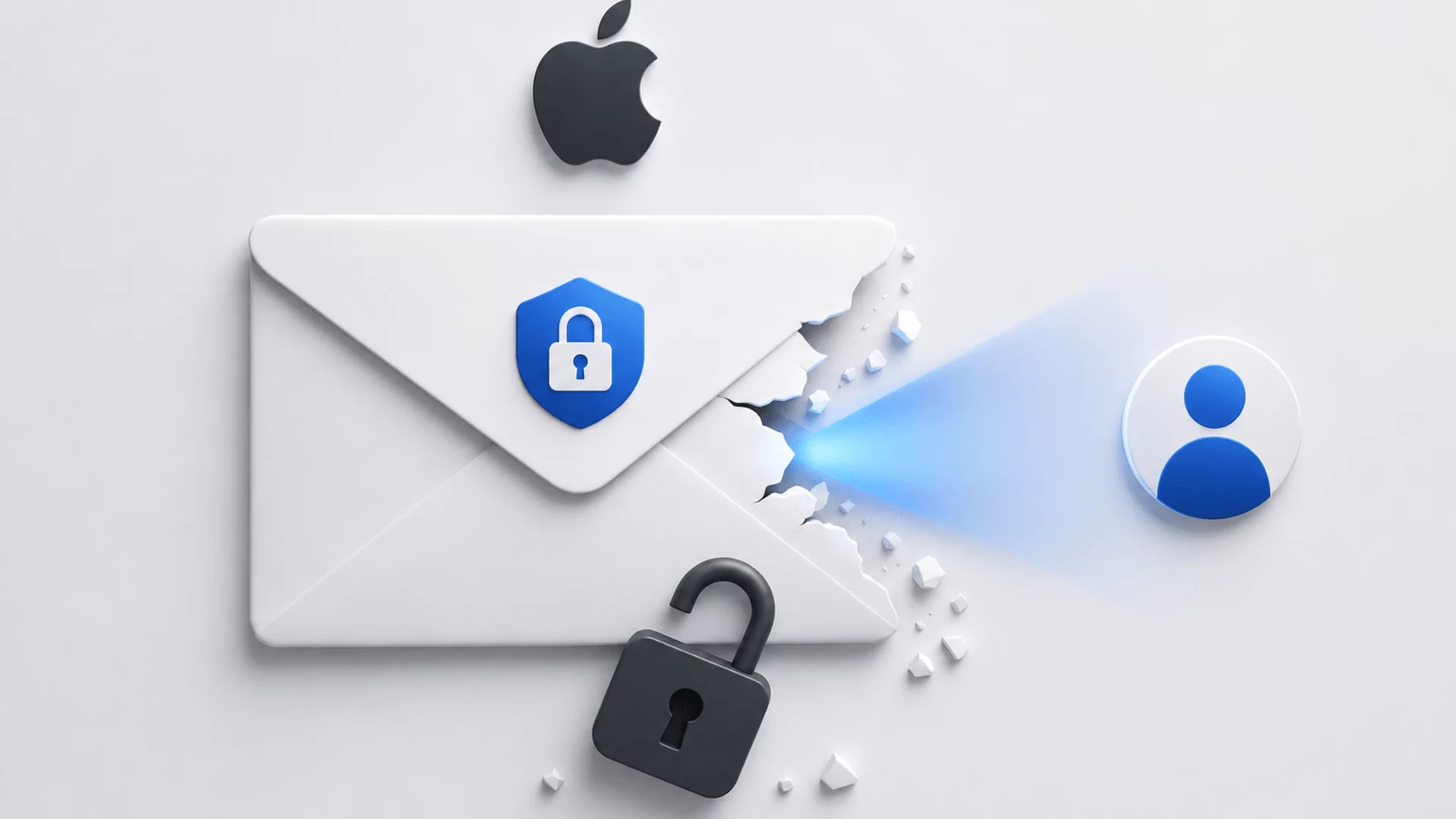
However, that sense of security has been shattered. A persistent, critical vulnerability in the system allows bad actors to bypass the masking mechanism and uncover the real, private email addresses of users. Despite being reported to Apple over a year ago, the flaw remains unpatched, casting a long shadow over the company’s reputation as a privacy-first technology leader.
The Breach of Trust: How the Vulnerability Works
The vulnerability, first uncovered by Tyler Murphy, co-founder of the data privacy firm EasyOptOuts, essentially renders the "Hide My Email" feature decorative rather than functional. At its core, the service is designed to create a one-way bridge: external entities send mail to a masked address, and Apple’s relay service directs that mail to the user. The sender should never be able to "see" the origin point of that relay.
The flaw identified by Murphy fundamentally breaks this logic. By exploiting a specific technical oversight in how Apple handles the routing of these aliases, an attacker can perform a deanonymization process that links the alias back to the genuine user account.
According to reports verified by 404 Media, the vulnerability is not merely a theoretical exercise. During testing, Murphy successfully resolved 100% of the generated addresses he targeted back to their original owners. For privacy-conscious users who rely on these aliases to compartmentalize their digital footprint, the implications are severe. If a bad actor can link an alias to a real email, they can potentially link that user to a lifetime of digital activity, effectively nullifying the protection the user sought to achieve.
A Timeline of Negligence: One Year of Broken Promises
The history of this vulnerability is a study in corporate inertia. The timeline of communication between the independent security researcher and Apple’s internal teams highlights a significant disconnect between Apple’s public-facing marketing and its internal responsiveness to security threats.
- June 2025: Tyler Murphy discovers the vulnerability and conducts a rigorous series of tests. He provides Apple with a comprehensive, step-by-step guide on how to replicate the flaw, enabling their engineers to understand the mechanism behind the leak.
- March 2026: After months of silence, Apple informs Murphy that the issue has been addressed and effectively "fixed." However, follow-up testing by Murphy proves that the vulnerability remains fully active.
- May 2026: Murphy contacts Apple again to report that the "fix" failed. Apple responds by requesting that he refrain from public disclosure, citing an ongoing internal investigation. They provide assurances that a security patch will be deployed within weeks.
- June 2026: The promised deadline passes without any security update or official communication from Apple.
- July 1, 2026: Following a year of failed deadlines and continued exposure of user data, the details of the vulnerability are finally made public by 404 Media.
The decision to go public was not one taken lightly by Murphy. In his statement to the media, he noted that he no longer feels "comfortable waiting any longer." By choosing to disclose, he has prioritized user awareness over the standard industry courtesy of waiting for a vendor-supplied patch—a move forced by Apple’s failure to secure its infrastructure.
Supporting Data and Technical Context
To understand the scope of the problem, one must look at the structural design of "Hide My Email." The service is built on the premise that Apple acts as a secure intermediary. When a user signs up for a service, they are assigned a unique address, such as [email protected].
The vulnerability appears to reside within the handshake protocols of the relay service itself. While Apple has withheld specific technical details to prevent mass exploitation, the consensus among cybersecurity experts is that the exploit involves a method of "interrogating" the relay to force it to leak metadata associated with the recipient’s account.
This incident arrives at a precarious time for Apple’s email strategy. The company has recently informed developers that it intends to consolidate these aliases under a shared domain: private.icloud.com. While intended to simplify infrastructure, the transition creates a secondary privacy risk. Security researchers at Malwarebytes have pointed out that a single, recognizable domain makes it trivial for third-party platforms to identify—and subsequently block—all users who employ Apple’s masking tools.
When you combine a vulnerability that leaks the real address with a transition that allows websites to easily block the aliases, the "Hide My Email" feature is effectively being squeezed from both sides.
Official Responses and Corporate Silence
As of the date of publication, Apple has maintained a policy of silence regarding the specific nature of the vulnerability. The company has not provided an official public statement addressing why the fix was delayed for over a year or why it failed to materialize in March and June as promised.
For a company that frequently uses the slogan "Privacy. That’s iPhone," this silence is particularly damaging. In the world of cybersecurity, the "disclosure window"—the time between a company being notified of a bug and it being fixed—is a metric of accountability. By allowing an entire year to pass, Apple has moved beyond a simple technical oversight into a realm of organizational negligence.
Industry analysts suggest that the delay may stem from the complexity of Apple’s legacy mail infrastructure, which is notoriously difficult to modify without breaking existing user configurations. However, for the average subscriber, these technical hurdles offer little comfort.
Implications for the Email Ecosystem
The repercussions of this vulnerability extend far beyond Apple’s own user base. The email marketing and data analytics industries have become accustomed to the presence of masked addresses. For email professionals, the following three points are critical:
1. The Ethical Boundary
Any data enrichment firm or vendor that attempts to use this vulnerability to "unmask" users is crossing a significant ethical and legal line. Exploiting a known, unpatched vulnerability to deanonymize users is not a growth hack; it is a violation of user intent and a potential breach of privacy regulations like GDPR and CCPA. Organizations should strictly avoid any services promising to "resolve" masked addresses.
2. The Danger of Blocking
As Apple moves toward the private.icloud.com domain, many businesses will be tempted to block all traffic coming from that domain to ensure they collect "real" data. This is a strategic mistake. A user who utilizes a masked address has still opted into your mailing list; they have simply expressed a desire for a degree of separation. By blocking these users, businesses are not "securing" better data—they are simply losing a customer who values their privacy.
3. Deliverability Risks
The infrastructure changes Apple is currently undertaking, combined with the need to rush out a security patch, create an unstable environment for email deliverability. Mail sent to these addresses must pass through Apple’s relay; if that relay is undergoing rapid, forced updates, senders may see an uptick in bounces or filtering. Monitoring bounce rates and authentication protocols (DKIM, SPF, DMARC) for these domains is more important now than ever.
What Should Subscribers Do?
Until Apple releases a comprehensive security update that resolves the deanonymization flaw, users must change their expectations regarding "Hide My Email." While it remains an effective tool for preventing spam from basic marketers, it should no longer be treated as a "secure vault" for highly sensitive information.
For critical accounts—such as banking, healthcare, or primary professional communication—it is currently safer to use a dedicated, private email provider that does not rely on third-party relay systems. Users should also audit the accounts associated with their most important "Hide My Email" addresses.
The promise of Apple’s ecosystem has always been the "it just works" philosophy. In the case of privacy, however, the burden of vigilance has now shifted back to the user. Until the company provides a transparent fix and a timeline for resolution, the "Hide My Email" feature remains a tool of convenience rather than a tool of ironclad security. The industry, and the users who trust Apple, are waiting for a response that is long overdue.