
In the rapidly evolving landscape of modern e-commerce, the barrier to entry for aspiring entrepreneurs has never been lower. Yet, the traditional hurdles of retail—inventory management, warehouse overhead, and the financial risk of unsold stock—remain formidable. For many, the answer to these challenges lies in the "Print-on-Demand" (POD) model, with Printful standing at the forefront of this digital-first retail revolution.
The Genesis of Print-on-Demand
To understand Printful’s dominance, one must look at the shift in consumer behavior over the last decade. As global markets transitioned toward hyper-personalization, the demand for custom apparel, home goods, and accessories skyrocketed. However, the manufacturing industry was largely built on high-volume, bulk-order production.
Printful emerged as a disruptive bridge between creators and manufacturing. Founded in 2013, the company identified a critical gap: creators, influencers, and small business owners wanted to monetize their brands through merchandise but lacked the capital and infrastructure to manage logistics. By providing a seamless, automated interface between a creator’s storefront and a production floor, Printful effectively democratized the supply chain.
What is Printful? The Core Mechanics
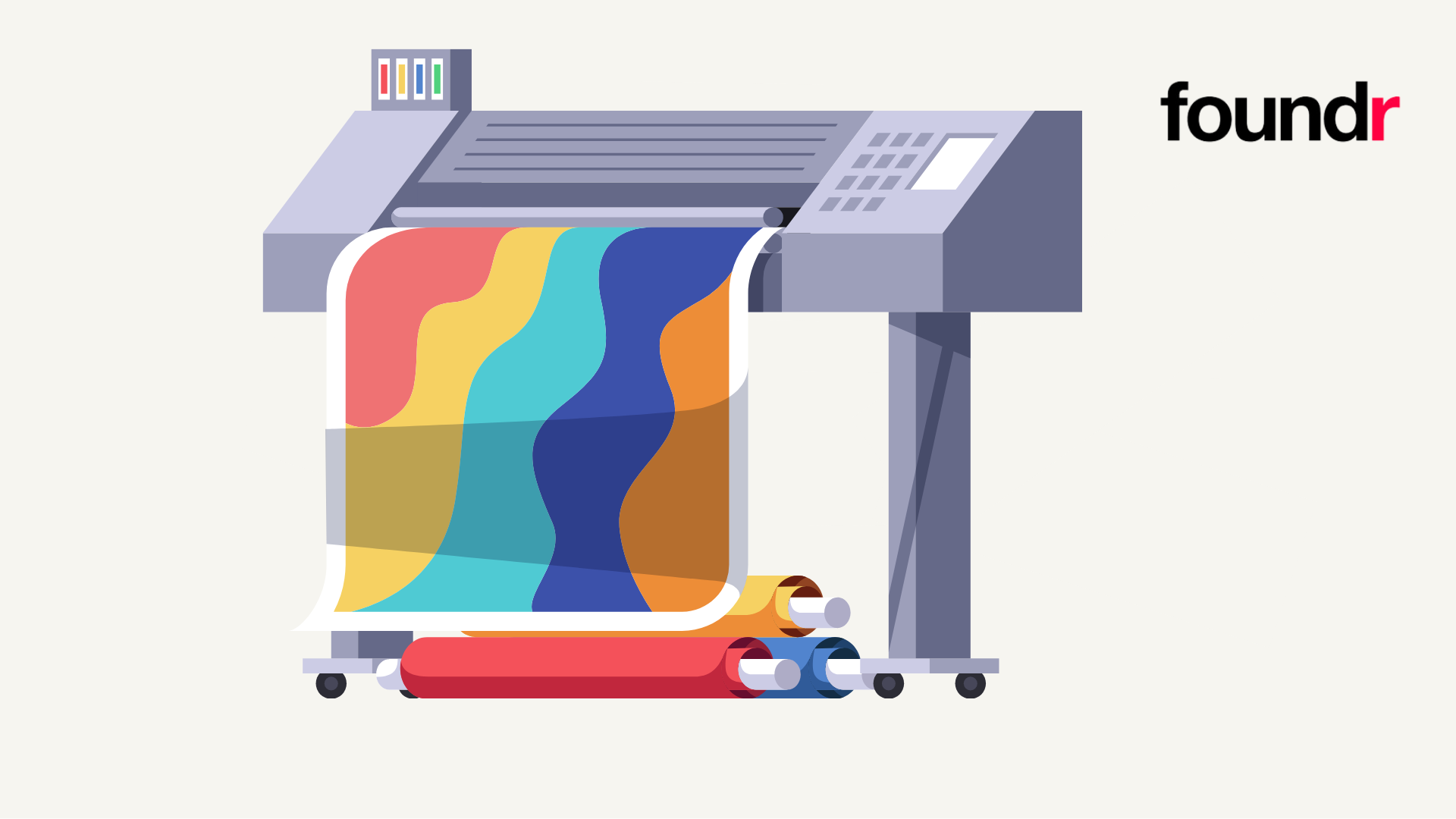
At its heart, Printful is a dropshipping-adjacent service that allows users to create, print, and ship custom products on a per-order basis. Unlike traditional wholesale models, where a business owner must purchase 500 units of a t-shirt before knowing if there is a demand for it, Printful operates on a "zero-inventory" model.
The Operational Workflow
- Integration: The business owner connects their storefront (Shopify, Etsy, Amazon, WooCommerce) to the Printful dashboard via an API.
- Creation: Using the built-in mockup generator, the user uploads their artwork, selects a product—ranging from apparel and phone cases to embroidered hats and canvas prints—and places the design.
- The Trigger: When a customer places an order on the user’s website, the order data is automatically routed to the nearest Printful fulfillment center.
- Production & Fulfillment: Printful prints, packs, and ships the item under the merchant’s brand (white-labeling). The customer receives the package as if it were sent directly from the merchant’s own warehouse.
Chronology of a Scaling Startup
For many entrepreneurs, the lifecycle of a business utilizing Printful often follows a predictable, highly effective trajectory:
- Phase 1: Validation (Months 0–6): The entrepreneur tests niche designs with zero upfront cost. By avoiding inventory costs, they can experiment with different aesthetics to see what resonates with their target audience.
- Phase 2: Optimization (Months 6–18): As sales data flows in, the merchant refines their product mix. They lean into the best-sellers, utilizing Printful’s automated fulfillment to maintain a lean operation while scaling marketing efforts.
- Phase 3: Transition (Months 18–36): Having built a loyal, proven customer base, some entrepreneurs reach a point where they transition to private labeling or bulk-ordering to maximize profit margins. Printful serves as the "incubation" phase for these successful ventures.
Supporting Data and Market Implications
The growth of the global print-on-demand market is projected to continue its upward trajectory, with a CAGR (Compound Annual Growth Rate) consistently hitting double digits. This is largely driven by the sustainability factor inherent in the model. By producing items only after a sale has occurred, Printful and similar platforms drastically reduce the environmental impact of textile waste—a major concern in the fast-fashion era.

From a financial standpoint, the trade-off is clear. While a bulk-order model might offer a 60-70% profit margin per unit, the POD model usually hovers between 20-30%. However, when factoring in the total cost of ownership—warehousing fees, unsold inventory liquidation, and logistics personnel—the "hidden" costs of traditional retail often equalize the playing field for early-stage startups.
Expert Perspectives and Official Responses
Industry analysts often point to the "White-Labeling" aspect of Printful as its most significant value proposition. In interviews, company leadership has emphasized that the platform is designed to be invisible. "We aren’t the brand," notes a representative from the Printful ecosystem. "We are the engine that powers the brand. When a customer opens a package, they shouldn’t see a Printful logo; they should see their favorite creator’s identity."
This commitment to brand sovereignty is what distinguishes the platform from marketplace-based POD services (like Redbubble), where the artist is often just a contributor to a larger platform. With Printful, the merchant owns the customer relationship, the data, and the long-term equity of the brand.
Potential Pitfalls: What to Watch For
No system is without its friction points. A professional assessment of Printful requires acknowledging the limitations:
- Margin Compression: Because every unit is printed individually, the per-unit cost is higher than mass-produced items. Scaling a business to a significant revenue level requires high sales volume or a premium brand positioning that justifies higher retail prices.
- Quality Control Oversight: By outsourcing production, the merchant relinquishes direct control over the physical assembly. While Printful maintains high standards, any rare defect reflects directly on the merchant’s reputation.
- Design Limitations: Certain products have strict "print area" restrictions. While advanced techniques like All-Over Print (AOP) exist, they require a deeper learning curve compared to standard front-center graphic printing.
The Strategic Path Forward
Is Printful the right choice for your venture? The answer depends on your primary goal.
If your goal is to build an asset-heavy business with maximum margins, you may eventually outgrow POD. However, if your goal is to test product-market fit, minimize financial risk, and focus your energy on marketing and community building rather than logistics, Printful is arguably the gold standard.
For the modern founder, the ability to launch a global brand from a laptop in an afternoon is a luxury that did not exist twenty years ago. Printful serves as the bridge for that capability, allowing you to focus on what matters most: creativity, customer connection, and growth.
Final Thoughts for the Aspiring Founder
Building a business is an exercise in resource management. By offloading the complexities of manufacturing, packaging, and shipping, you reclaim your most valuable asset: your time. As you navigate the complexities of 2025’s e-commerce landscape, remember that the most successful businesses are those that are agile, data-driven, and customer-centric.
Whether you are an artist looking to monetize your sketches or an influencer launching a clothing line, Printful provides the infrastructure to turn your vision into a physical reality. As you scale, the key is to balance the convenience of the POD model with a rigorous focus on brand identity, ensuring that while the production may be outsourced, the value remains uniquely your own.
Ready to start? The tools are available, the infrastructure is ready, and the market is waiting. By leveraging the right frameworks and focusing on high-quality design, you can transform your creative vision into a sustainable enterprise.