In the high-stakes environment of hyper-growth startups, the transition from a founder-led organization to one governed by a professional management team is the most perilous chasm a company must cross. As a startup matures, the need to install layers of management becomes not just a preference, but an existential necessity. Without the right leadership, growth trajectories inevitably flatten, and the "founder’s magic" that fueled the early days begins to dissipate under the weight of operational friction.
Yet, despite exhaustive interview processes and rigorous due diligence, many founders find themselves in a precarious position: they have hired a VP who simply isn’t working out. While it is tempting to point fingers at the executive’s performance, the reality is often more sobering. In most cases, a "bad hire" is a failure of the founder’s alignment and onboarding strategy.
The Anatomy of an Executive Mis-Hire
Scaling a company is impossible without delegating authority to a robust management team. However, when that delegation goes wrong, the impact is catastrophic. A Vice President is not merely an employee; they are the architect of a department. They influence culture, dictate hiring velocity, and control significant portions of the company’s burn rate.
When a VP fails, the damage is compounding. Every month they remain in their role, they are potentially hiring the wrong subordinates, draining capital on ineffective strategies, and slowing down critical product development. The cardinal rule of executive management is this: You cannot "fix" a mis-hire at the VP level. If the alignment is fundamentally broken, the only professional course of action is to part ways—and the faster you do it, the better.
Chronology of the Failure
The descent into a failed executive hire typically follows a predictable timeline:
- The Honeymoon Phase (Months 1–2): The new VP is in "learning mode." Founders often misinterpret this period of observation as deep strategic analysis.
- The Divergence (Months 3–4): The VP begins to make independent decisions that subtly clash with the company’s DNA or the founder’s vision. Performance metrics start to show inconsistencies.
- The Denial (Months 5–6): The founder notices red flags but chooses to "wait and see," hoping that more time or better communication will bridge the gap.
- The Critical Realization (Months 7+): The damage to team morale, customer churn, or product delays becomes impossible to ignore. The founder realizes they have lost months of progress.
The Burden of Responsibility: It Starts at the Top
It is a bitter pill for many founders to swallow, but if a VP fails, it is primarily the founder’s fault. As the visionary, you possess the most intimate knowledge of the company’s history, its current limitations, and its future aspirations. It is your job to ensure a 100% match, not the prospective candidate’s job to figure it out for you.
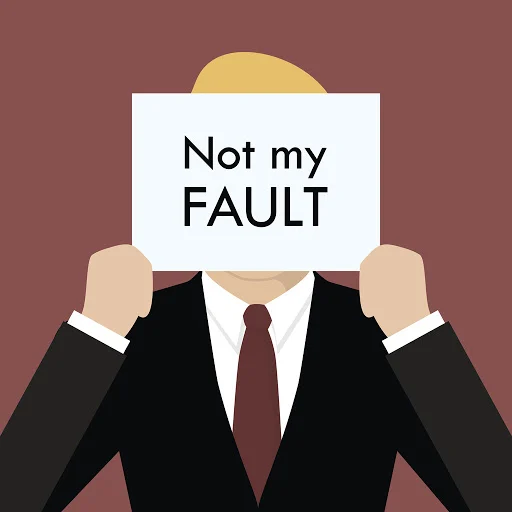
When times are tough—as they are in the current macroeconomic climate—founders often default to "blaming the VP" to deflect from their own strategic or hiring errors. However, this reactionary approach ignores the underlying reality: a VP hire is a marriage of vision and execution. If the vision was never clearly articulated, or if the cultural fit was sacrificed for a flashy resume, the blame lies squarely with the person who signed the offer letter.
Identifying the Red Flags: A Departmental Breakdown
To mitigate the risk of a long-term mis-hire, founders must learn to spot the warning signs early. While the specifics vary by department, the core indicators of failure remain constant.
H3: Signs of a Mis-Hire at VP of Sales
The VP of Sales is the engine of your revenue. If the engine is sputtering, the entire car stops.
- Metric Stagnation: You see an inability to replicate the early, founder-led sales success.
- Misalignment of the Sales Cycle: They attempt to force a "big company" sales process on a startup that still requires scrappy, founder-level closing.
- Talent Attrition: Your best account executives begin leaving. A VP who cannot retain top-tier sales talent is a red flag that the culture is toxic or the strategy is fundamentally flawed.
H3: Signs of a Mis-Hire at VP of Marketing / Demand Gen
Marketing is about predictable, scalable lead flow. If the lead pipe is dry, the VP is failing.
- The "Brand Over Lead" Trap: They spend your capital on expensive, vanity-metric brand awareness campaigns rather than measurable, high-intent lead generation.
- Failure to Own the Narrative: They cannot articulate the product’s value proposition in a way that resonates with your specific target persona.
- Lack of Analytics: If the VP cannot explain the Customer Acquisition Cost (CAC) and the Lifetime Value (LTV) dynamics, they are flying blind with your money.
H3: Signs of a Mis-Hire at VP of Customer Success
In a SaaS model, churn is the silent killer. A failing VP of CS accelerates it.
- Reactive vs. Proactive: They are constantly fighting fires rather than building a systematic onboarding and success program.
- Customer Feedback Loop: They fail to translate customer complaints into actionable product feedback for the Engineering team.
- Metric Blindness: They cannot identify at-risk cohorts before they churn, leading to unexpected revenue dips.
H3: Signs of a Mis-Hire at VP of Engineering
This is perhaps the most dangerous failure, as technical debt accumulates silently.
- Feature Velocity Decay: Features that should take weeks take months.
- The "Perfect Architecture" Syndrome: The VP focuses on re-architecting the system for "scale" when the current priority should be hitting market-driven milestones.
- Culture of Blame: When things break (and they will), the VP blames the legacy code or the product team rather than fostering a culture of accountability and rapid remediation.
The Implications of "Waiting it Out"
Many founders believe that by waiting a few more months, they can coach a struggling VP into excellence. In practice, this is rarely the case. The implications of delay are profound:
- Capital Burn: Every month of a mis-hire is a month of wasted salary, expensive, ineffective initiatives, and opportunity cost.
- Team Morale: Your high-performing individual contributors are usually the first to notice that the VP is underperforming. When they see a founder tolerate incompetence, they start looking for the exit.
- Market Positioning: A weak VP will inevitably dilute your market presence. In a competitive landscape, you cannot afford to have a leader who doesn’t understand the nuance of your product-market fit.
Conclusion: When to Pull the Trigger
When you start seeing these flags, the internal debate begins: "Is it just a bad month?" "Maybe they just need more support." These are natural human reactions. However, the data is clear. If you find yourself asking, "Should I have fired them three months ago?" the answer is almost always yes.
Scaling a company is about building a team that can handle the pressures of growth. When an executive cannot shoulder that burden, the most respectful and strategic decision is to move on. By cutting ties early, you protect your capital, your culture, and your future. Remember, your job is to build a winning organization—not to facilitate the career development of a VP who is fundamentally misaligned with your company’s success.