In the modern digital economy, the adage "work smarter, not harder" has shifted from a cliché to an operational mandate. For e-commerce founders, the constant pressure to maintain growth while managing the logistical complexities of a business can lead to burnout. However, there is a mechanism that allows businesses to operate a high-converting sales engine while the founder sleeps: email automation.
By transitioning from manual, one-off marketing campaigns to behavioral-triggered workflows, businesses can transform their email lists from static databases into dynamic revenue-generating assets. This article explores the strategic implementation of email automation, the seven essential flows every brand requires, and the long-term implications of building a "set-and-forget" revenue ecosystem.
The Core Mechanics: What is Email Automation?
At its simplest, email automation is the practice of sending pre-written, highly relevant messages to specific segments of your audience based on their interactions with your brand. Unlike traditional newsletters, which are sent to an entire list simultaneously, automated emails are triggered by real-time customer behavior—such as signing up, abandoning a shopping cart, making a purchase, or a period of inactivity.
For many entrepreneurs, the traditional approach to email marketing involves manually crafting and scheduling broadcasts. This is not only time-consuming but fundamentally flawed. It fails to account for the unique customer journey of every individual user. Automation, by contrast, acts as a personalized digital concierge. It ensures that every customer receives the right message at the exact moment they are most likely to act.
The Chronology of Customer Interaction
A successful automation strategy maps out the customer lifecycle, ensuring that every touchpoint is optimized. The journey typically follows a logical sequence:
- The Acquisition Phase: The customer discovers the brand and signs up for the list.
- The Consideration Phase: The customer explores products, perhaps adding items to a cart.
- The Conversion Phase: The customer completes the purchase.
- The Retention Phase: The customer is nurtured through post-purchase support and loyalty incentives.
- The Reactivation Phase: The customer is targeted after a period of dormancy to prevent churn.
By automating these phases, founders ensure that no lead is left behind. When a user enters the system, the automation software monitors their movements and serves the corresponding "gear" in the sales engine.
Supporting Data: Why Automation Wins
The effectiveness of automation is not merely anecdotal; it is backed by significant quantitative data. According to recent industry benchmarks from platforms like Omnisend, automated emails generate 320% more revenue per email than traditional, manual campaigns.
This disparity in performance is driven by two primary factors: relevance and timing. Because automated emails are triggered by specific user actions, they inherently contain content that the user is interested in at that precise moment. Consequently, open rates, click-through rates, and conversion rates for these flows consistently outperform broad-spectrum marketing efforts. For a time-strapped founder, the efficiency of a single setup that continues to yield returns for months or years is an invaluable competitive advantage.
The 7 Essential Email Automations
To build a robust system, brands should focus on seven high-impact flows. These form the backbone of a sophisticated e-commerce revenue strategy.
1. The Welcome Series
This is your brand’s "digital handshake." When a new subscriber joins your list, they are at the height of their interest in your company. A 3-to-5-part welcome sequence serves to establish your brand identity, share your origin story, and deliver on any initial promises (such as a discount code). This is the foundation upon which trust is built.
2. The Abandoned Cart Flow
Statistically, cart abandonment is one of the greatest revenue leaks in e-commerce. It occurs due to distractions, shipping costs, or mere hesitation. An automated follow-up sequence—typically sent within the first hour and then again 24–48 hours later—can recapture a significant percentage of these "lost" sales.
3. Browse Abandonment
Often overlooked, browse abandonment targets users who viewed specific products but did not add them to their cart. This indicates interest without immediate intent. A gentle, helpful reminder featuring the viewed item and related customer reviews can nudge a curious visitor toward a purchase.
4. Post-Purchase Nurture
Many brands fail the customer relationship by going silent after the sale. Post-purchase emails are essential for reducing buyer’s remorse. By providing order tracking, shipping expectations, and "how-to" guides, you reinforce the customer’s decision to buy from you, laying the groundwork for future loyalty.
5. The Win-Back Flow
Customer retention is significantly cheaper than customer acquisition. A win-back flow targets subscribers who have been inactive for 60 to 120 days. Through exclusive offers or a simple "we miss you" message, you can reactivate dormant customers before they churn completely.
6. Review Requests
Social proof is the currency of the modern web. By automating a review request email a few days after product delivery, you ensure a steady stream of user-generated content that provides the validation new customers need to make their own purchases.
7. Birthday and Milestone Emails
These emails leverage emotional connection to foster loyalty. By celebrating a customer’s birthday or the anniversary of their first purchase with a small gift or early access, you transform a transactional relationship into a long-term brand affinity.
The "Set-and-Forget" Fallacy: The Importance of Optimization
While automation is often marketed as "set-and-forget," the most successful founders treat their workflows as living organisms. Once your systems are active, the next phase is rigorous optimization. Even a marginal increase in open rates—a 2% to 5% lift—can equate to substantial revenue growth when scaled across thousands of customer interactions.
Founders should adopt a quarterly audit schedule. During these check-ins, analyze the performance of each flow. If a cart abandonment email has a high open rate but a low click-through rate, the call-to-action (CTA) may be weak or the messaging unclear. Conversely, if your welcome series experiences a drop-off after the second email, it may be time to shorten the content or introduce a more compelling hook.
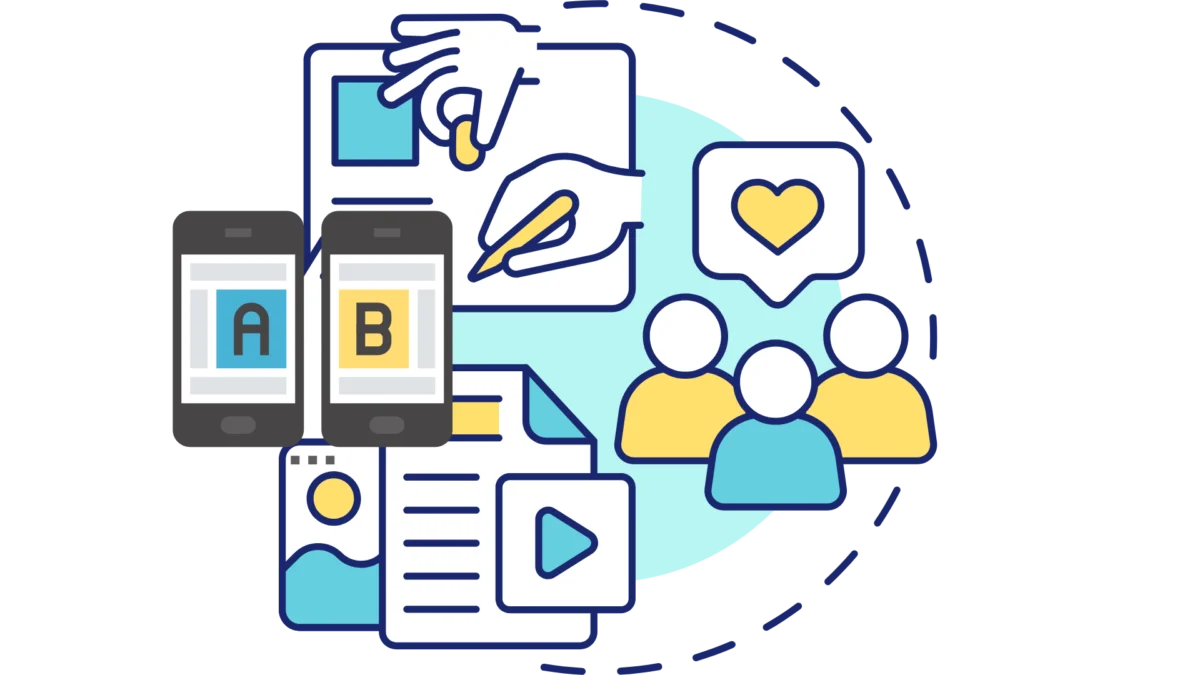
Effective testing involves isolating variables. Change your subject lines, adjust the timing of your follow-ups, or experiment with different offer formats. Use A/B testing to allow data, rather than intuition, to dictate your strategy.
Implications for Modern Business Growth
The shift toward email automation represents a fundamental change in how small and medium-sized enterprises scale. In the past, scaling revenue necessitated scaling headcount. Today, technology allows for a "decoupled" growth model where revenue increases as a direct result of process optimization rather than increased labor.
This allows founders to reclaim their most valuable resource: time. By delegating the repetitive, high-frequency tasks of customer communication to an automated system, the founder is freed to focus on high-level strategy, product development, and creative marketing.
Furthermore, automation democratizes the customer experience. A boutique e-commerce brand can now provide a level of personalized, attentive communication that was previously only available to large-scale retailers with massive marketing departments.
Conclusion: Starting Your Journey
Email automation is not merely a tool for efficiency; it is an engine for growth. By implementing the seven essential flows—Welcome, Abandoned Cart, Browse Abandonment, Post-Purchase, Win-Back, Review Requests, and Milestone emails—you create a comprehensive system that nurtures, converts, and retains customers automatically.
The barrier to entry is lower than ever. For those ready to build their own 24/7 sales engine, tools like Omnisend offer specialized infrastructure designed for the needs of modern e-commerce founders. With features built for rapid deployment and deep segmentation, it is a viable path for any brand looking to scale without adding unnecessary complexity to their operations.
For those seeking to modernize their marketing, the time to begin is now. By investing the time to set up these workflows today, you are building an asset that will continue to pay dividends in revenue and customer loyalty for years to come.
For readers looking to fast-track their automation journey, Omnisend is currently offering an exclusive incentive for our community. Founders can receive 50% off their first three months of service by using the code FOUNDR50 upon registration. Elevate your business by building systems that work as hard as you do.