By Tech Policy Desk
Updated: July 8, 2026, 4:11 PM PDT
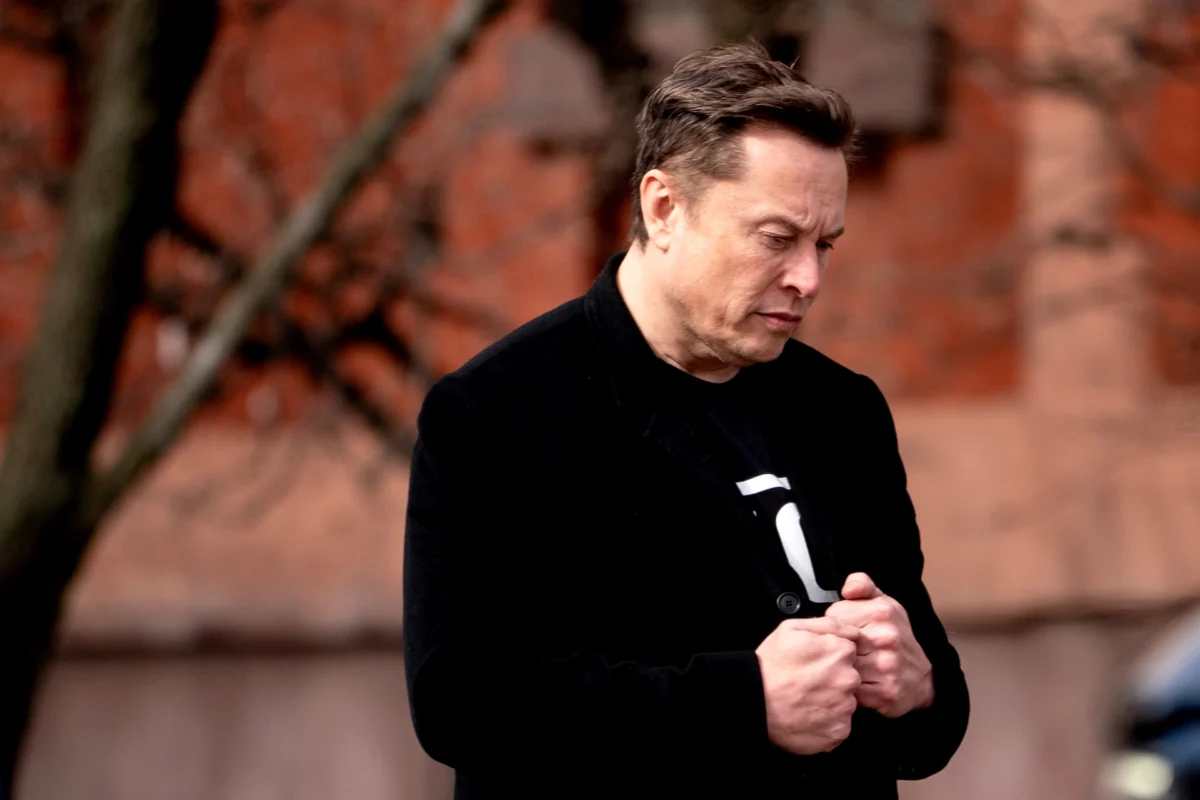
In a judicial decision that highlights the complex intersection of federal oversight, political influence, and corporate governance, U.S. District Judge Sparkle Sooknanan has formally approved a $1.5 million settlement between Elon Musk and the U.S. Securities and Exchange Commission (SEC). The resolution concludes a high-profile lawsuit stemming from Musk’s 2022 acquisition of Twitter—now rebranded as X—but the ruling was accompanied by a pointed judicial critique that suggests the court felt its hands were tied by the procedural limitations of federal law.
The settlement, which requires a trust in Musk’s name to pay the $1.5 million penalty without an admission of wrongdoing, brings a close to a legal saga that had become a lightning rod for debates regarding the SEC’s enforcement efficacy during the current political administration.
The Core Dispute: A Failure to Disclose
The lawsuit, initiated in early 2025, centered on Musk’s conduct leading up to his $44 billion acquisition of the social media platform Twitter. Federal securities laws mandate that any investor who acquires more than 5% of a company’s stock must disclose that stake to the public within ten days.
According to the SEC’s original complaint, Musk began accumulating his position in Twitter in early 2022. By failing to disclose his growing stake in a timely fashion, Musk allegedly misled public investors and market participants. The SEC contended that this delay provided Musk with a significant financial advantage, arguing that the omission "ultimately saved him a whopping $150 million." By keeping his ownership quiet while he continued to accumulate shares, Musk was able to purchase stock at prices that did not yet reflect the "Musk premium"—the inevitable market bump that occurs when a high-profile billionaire takes an active interest in a company.
Chronology of a Contested Deal
The path to this week’s settlement was long, marked by political volatility and shifting regulatory environments.
- Early 2022: Musk begins his aggressive accumulation of Twitter shares.
- April 2022: Musk finally reveals he has become the largest shareholder of Twitter, causing the stock price to surge.
- Late 2024: Following the presidential election and the subsequent change in administration, questions regarding the SEC’s enforcement priorities against prominent political donors began to emerge.
- Early 2025: The SEC officially files suit against Musk, alleging a violation of disclosure rules. The timing—just days before the inauguration of Donald Trump—sparked immediate speculation regarding the politicization of the case.
- May 2026: After months of litigation, Musk reaches a tentative settlement agreement with the SEC.
- July 2026: Judge Sooknanan issues her formal approval, despite publicly documenting her reservations about the fairness of the $1.5 million penalty relative to the $150 million benefit the SEC itself claimed Musk derived from his actions.
Judicial Skepticism and the "Special Treatment" Narrative
Perhaps the most notable aspect of the court’s decision is the transparency with which Judge Sooknanan expressed her dissatisfaction. Throughout the proceedings, the judge had repeatedly questioned whether the settlement suggested that Musk was receiving "special treatment" due to his significant financial support of the Trump campaign during the 2024 election cycle.
In her written opinion, Sooknanan navigated a difficult legal landscape. She noted that the court’s authority is strictly defined by the need to ensure a settlement meets "minimum standards of fairness and reasonableness." She contrasted this against the higher threshold of determining whether a settlement would "make a mockery of judicial power."
"Although the Court has significant misgivings about the settlement reached in this case, it cannot say that the settlement meets that high threshold," Sooknanan wrote. This phrasing serves as a rare judicial rebuke, suggesting that while the judge felt the penalty was insufficient or potentially influenced by external factors, she lacked the legal grounds to unilaterally reject a deal agreed upon by both the regulator and the defendant.
Supporting Data: The Financial Disparity
Legal analysts have pointed to the stark discrepancy between the $150 million gain alleged by the SEC and the $1.5 million penalty ultimately levied. This 1-to-100 ratio has fueled criticism from investor advocacy groups who argue that for the ultra-wealthy, such fines function less as a deterrent and more as a "cost of doing business."

Historically, the SEC has faced criticism for its approach to repeat offenders, particularly those with significant capital. Critics argue that when penalties are drastically lower than the profits derived from the violation, the incentive to comply with securities law is eroded. The SEC, for its part, has maintained that the settlement secures a clear acknowledgment of the legal framework and avoids the uncertainty and cost of a prolonged trial that could have lasted years.
Official Responses and Stakeholder Perspectives
Neither Elon Musk’s legal team nor the SEC issued extensive public statements following the approval, beyond confirming the finality of the agreement. However, the lack of an admission of wrongdoing remains a point of contention for many observers.
For the SEC, the settlement represents a completed case file and a recovery of funds. For Musk, the $1.5 million payment—to be handled by a trust—is a minor financial hurdle that allows him to put the regulatory scrutiny of his 2022 investment behind him.
Independent legal experts suggest that the settlement highlights a broader trend: the "normalization" of high-stakes litigation involving tech moguls. By opting for a settlement rather than a court-mandated judgment, both parties avoided the creation of a legal precedent that could have impacted future disclosure requirements or set a new standard for how the SEC treats major market participants.
Implications for Market Regulation
The approval of this settlement carries significant implications for the future of corporate governance and federal oversight.
1. The Precedent of "Fairness"
Judge Sooknanan’s opinion creates a record of a judge explicitly questioning the proportionality of a government settlement. Future litigants may cite her "significant misgivings" to challenge the SEC’s settlement practices, arguing that if the court finds a penalty unreasonable, it should have the power to intervene more forcefully.
2. The Political Lens
The shadow of the 2024 election looms large over this case. The perception that regulatory outcomes can be influenced by campaign donations creates a crisis of confidence for retail investors. The SEC will likely face continued pressure from Congress to explain why it accepted a settlement that, by its own internal calculations, left the defendant with a substantial net profit from his non-compliance.
3. Disclosure Requirements
The core of the case—the 10-day window for reporting share accumulation—remains a vital mechanism for market transparency. By settling, the SEC has avoided a definitive ruling on whether its existing enforcement tools are adequate to prevent the kind of "stake-building" that Musk utilized. If similar cases arise in the future, the SEC may find itself under pressure to demand higher penalties or more significant admissions of guilt to maintain its credibility.
Conclusion
The $1.5 million penalty, while significant to an average citizen, remains a rounding error for one of the world’s wealthiest individuals. Yet, the legal process has exposed the fragile boundary between the power of the federal government and the influence of private industry. As the dust settles on this case, the focus will likely shift toward whether the SEC can regain its reputation as a firm regulator or if the "Musk settlement" will become the standard blueprint for how billionaires handle federal investigations in the years to come.
For now, the case is closed. But the questions raised by Judge Sooknanan—regarding fairness, judicial power, and the sanctity of market rules—remain very much open.