In the competitive landscape of digital publishing, the success of a blog is rarely determined by the volume of content alone. Instead, it is predicated on a blogger’s ability to cultivate a sense of "future value"—the unspoken promise that subscribing to a feed today will result in tangible enrichment tomorrow. Converting a casual, one-time visitor into a loyal, long-term subscriber is the "holy grail" of content marketing. Achieving this requires more than just high-quality writing; it requires the intentional construction of anticipation.
The Foundation of Audience Retention
At its core, subscription is an act of faith. A reader chooses to integrate your content into their daily information stream because they believe your future output will continue to solve their problems, entertain their interests, or broaden their perspectives.
Many bloggers operate on instinct, producing content they hope will resonate. However, the most successful creators treat anticipation as a structural component of their website design. The central challenge for any creator is this: How do you convince a stranger that an unwritten, unformed future post is worth the investment of their time and digital attention? The answer lies in transforming your archives from a chronological graveyard into a curated showroom of your best work.
Chronology of Strategy: From Archives to Authority
The evolution of professional blogging has shifted from simple, linear updates to complex, architecture-heavy platforms. In the early days of the web, blogs functioned as digital diaries. Today, they are sophisticated content hubs.
The Shift in Reader Behavior
In the mid-2000s, as the volume of content exploded, readers became more discerning. They no longer had the time to scan a homepage for relevance. This shift necessitated a strategic change in how bloggers presented their back catalogs. Instead of focusing solely on the most recent post, successful bloggers began to realize that a new visitor’s first impression was often dictated by the "Best Of" content they were served, rather than the chronological order of publication.

The Rise of Content Curation
The transition from a "feed-first" mentality to a "content-hub" mentality allowed bloggers to leverage their past success as a marketing tool. By systematically organizing archives into thematic collections, bloggers began to see higher conversion rates. This chronology of growth shows that the more a reader interacts with curated, high-value past content, the more likely they are to view the author as an authority, thereby increasing the "anticipation" of future value.
Supporting Data: Why Quality Curation Drives Growth
Evidence from user-experience (UX) research consistently supports the theory that "sneeze pages" and curated archives reduce bounce rates and increase subscription conversions.
The "Sneeze Page" Phenomenon
A "sneeze page" is a central hub page designed to direct readers toward a specific, high-interest topic, linking out to a series of the author’s best posts on that subject. The term—popularized in blogging circles—refers to the idea that a reader should be able to "sneeze" their way through a vast amount of related content, moving deeper into the site with every click.
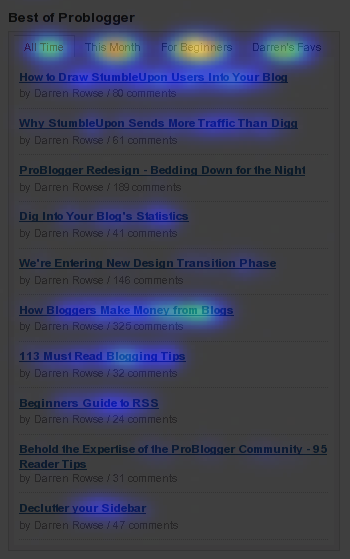
Data from heat-mapping tools, such as CrazyEgg, demonstrates that sidebar widgets or front-page "Best Of" sections consistently attract the highest volume of clicks. When a visitor is greeted by a curated list of "Essential Reads," their perception of the blog’s value increases exponentially compared to a visitor who only sees the most recent, potentially niche, post.
The Conversion Gap
Studies on subscription funnels show a distinct correlation between the depth of a visitor’s first session and their likelihood to subscribe. A visitor who reads one post may have a conversion rate of less than 1%. A visitor who navigates through a "sneeze page" or a thematic category hub—viewing three or more posts—often sees that conversion rate jump by 300% to 500%. By placing high-quality content in the path of the visitor, the blogger isn’t just asking for a subscription; they are providing the evidence required to make that subscription an easy decision.
Practical Implementation: Four Pillars of Anticipation
To build this sense of future value, creators must be intentional about their site architecture. Here are the four primary strategies to bridge the gap between "first-time visitor" and "loyal subscriber."
1. The Power of Sneeze Pages
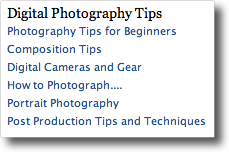
As noted, a Sneeze Page serves as a gateway. If you are a photography blogger, for example, creating a page titled "The Ultimate Guide to Digital Photography" that compiles your top tutorials on lighting, composition, and post-processing turns a scattered archive into a cohesive course. This builds immediate authority. When a reader sees a comprehensive list of high-quality work, they instinctively assume that future posts will be of equal caliber.
2. High-Visibility "Best Of" Sections
Your front page is prime real estate. Avoid the temptation to fill it solely with the most recent articles. Instead, dedicate a permanent section—a "Best of [Brand Name]"—that showcases the evergreen content that defines your voice and expertise. Using heat-map technology to track where users click confirms that these sections are often the most utilized entry points for new subscribers.
3. Smart Landing Pages
Modern content management systems allow for dynamic landing pages that detect the source of a user’s visit. If a reader arrives from a search engine looking for a specific term, a sophisticated site will present them with a "cluster" of posts related to that topic. By showing the reader a library of resources on their specific query, you immediately frame your blog as a "comprehensive source" rather than a single-topic outlet.
4. Strategic Interlinking
The internal link is the most underrated tool in the blogger’s arsenal. Every new post should function as a bridge to your greatest hits. By hyperlinking to relevant, high-quality past content, you guide the reader through a curated journey. This keeps the reader on your site longer and exposes them to the "best-of" content that ultimately triggers the desire to subscribe.
Implications for the Modern Creator
The implication of these findings is clear: the passive approach to blogging is effectively dead. In an attention-starved economy, you cannot rely on the "publish and pray" model.
The Authority Tax
If you do not curate your content, you are essentially asking your readers to do the work for you. By curating, you pay the "authority tax"—you take the time to organize, label, and highlight your work so the reader doesn’t have to. This investment of effort is repaid in reader trust.
Building a Long-Term Asset
When you build anticipation, you are building an asset. Subscribers are not just numbers; they are a community that has signaled a long-term interest in your perspective. By using the strategies above, you shift your blog from a collection of isolated posts into a structured, credible resource that feels indispensable to the reader.
Final Thoughts: The Ongoing Process
Building anticipation is not a one-time setup; it is a mindset. Every post you write, every link you place, and every widget you design should answer the question: Why does this matter for the reader’s future?
While highlighting your current and past quality content is the most effective way to gain new subscribers, it is only the first step. The next stage—which involves community engagement, teaser campaigns, and consistent delivery—builds upon this foundation of quality. By mastering the art of showcasing your existing excellence, you create a powerful, compelling argument for why someone should hit that "subscribe" button today, ensuring they return to see what you create tomorrow.