The open-source philosophy that has powered WordPress to dominate over forty percent of the web is also its greatest structural vulnerability. While millions of site administrators routinely click "update" to keep their platforms secure, a clandestine crisis is unfolding beneath the surface.
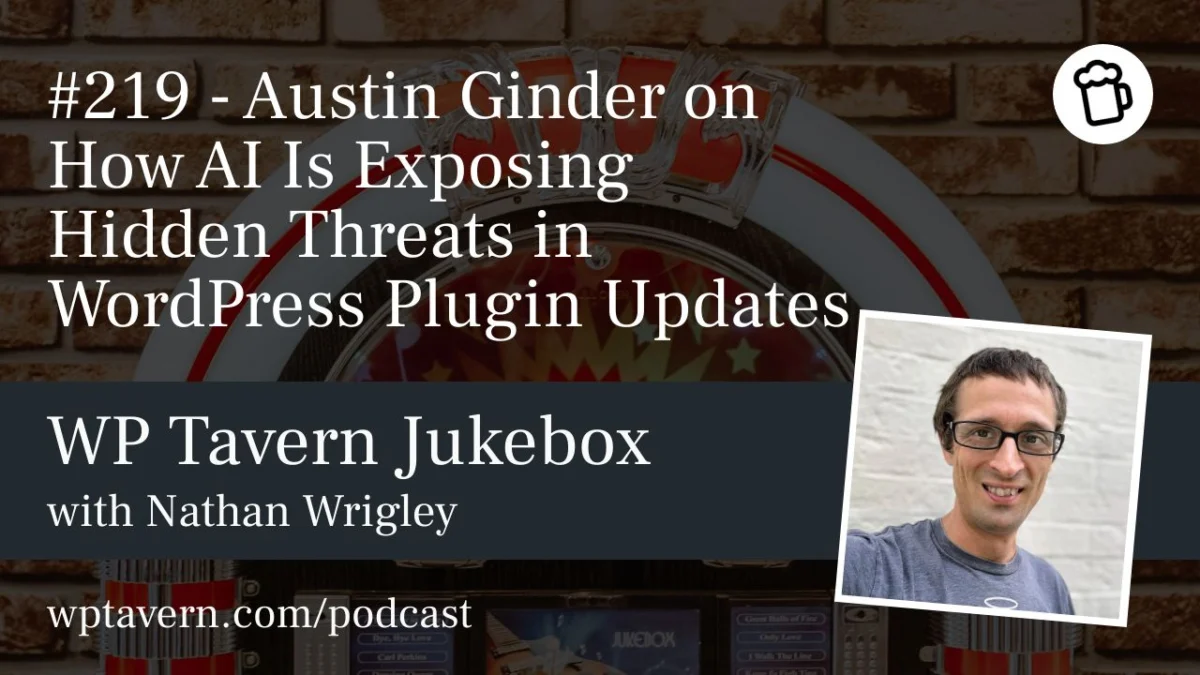
In a recent episode of the Jukebox podcast from WP Tavern, host Nathan Wrigley sat down with Austin Ginder, a long-time WordPress developer and the founder of Anchor Hosting. What began as a routine malware cleanup for a client spiraled into a much wider, more alarming investigation. Ginder uncovered a sophisticated web of WordPress supply chain attacks—where bad actors bypass traditional direct hacks, opting instead to purchase established plugin companies, hijack update channels, and weaponize trusted codebases from within.
Armed with artificial intelligence tools, Ginder has emerged as an unlikely whistleblower in open-source security, leading to the creation of the WP Beacon Project to track and expose these modern digital threats.
1. The Main Facts: Understanding WordPress Supply Chain Attacks
Unlike traditional hacking methods—where malicious scripts are forcibly injected into a vulnerable website due to a weak password or an unpatched vulnerability—a supply chain attack targets the architecture of software distribution itself.
In the context of WordPress, this typically manifests in one of two ways:
- Repository Hijacking: Malicious actors compromise developer credentials on the official WordPress.org plugin repository, pushing out unauthorized, dangerous code under the guise of legitimate updates.
- Corporate Acquisitions & Rogue Update Channels: Shifting into the realm of financial engineering, bad actors purchase existing, trusted plugin businesses with established user bases. Once in control, they quietly insert malicious payloads or redirect update pipelines away from WordPress.org to rogue, third-party servers.
"These are bad actors trying to hide themselves," Ginder explained during his podcast appearance. "They’re sneaky. They don’t do things that are obvious… They might slip a third-party updater [into the code]… then they can actually hijack the plugin. Meaning you download a plugin from WordPress.org, run auto-updates, and it updates not from WordPress.org, but offloads to their own compromised update channel."
Once a plugin is successfully hijacked, WordPress.org loses complete visibility over its behavior. End-users remain completely in the dark, believing their sites are running secure, official software, while the plugin quietly executes payloads ranging from SEO spam and search result poisoning to complex ad injection and background data collection.
2. Chronology: From Accidental Discovery to the WP Beacon Project
The trajectory of Ginder’s investigation reads like a digital detective story, tracking a progression from a localized site failure to an ecosystem-wide threat assessment.
February: The Anomaly
The crisis first hit Ginder’s radar in February, when a cluster of his managed websites—which had maintained uncompromised security postures for years—suddenly began showing signs of malware infection. While conducting manual forensic cleanups, traditional scanning protocols proved insufficient. Seeking deeper insights, Ginder began leveraging AI-assisted code analysis (utilizing tools like Claude Code) to perform file-by-file forensic audits.
Uncovering the Patterns
The AI didn’t just clean the immediate infections; it allowed Ginder to trace the malware upstream. By querying the raw data available via Subversion (SVN) on WordPress.org, Ginder began connecting isolated incidents into broader systemic trends. He uncovered four distinct, highly sophisticated compromise scenarios:
- The "Essential Plugins" Compromise: A package of over 30 essential plugins was flagged by the WordPress Plugin Team after suspicious backend activity was detected. Subsequent analysis revealed that a corporate acquisition had led to the introduction of malicious monitoring code targeting server configuration files.
- The Widget Logic Infiltration: A new automated security protocol scanning JavaScript embeds across Ginder’s client portfolio flagged anomalous behavior in a long-standing widget plugin, which was secretly embedding unauthorized sports-related scripts.
- The Quick Redirection Variant: Ginder developed an AI-driven tool to cross-reference customer plugins against known codebases. This uncovered twelve client sites running a rogue, unlisted variant of a popular redirection plugin that had been covertly migrated to an external update server by its original author.
- The Dormant "Scroll To Top" Exploit: While scanning a broader sample of the top 2,000 WordPress sites, Ginder discovered a compromised version of a plugin called Scroll To Top active across 20,000 installations. Crucially, the bad actor had not yet "pulled the trigger," leaving the malicious backdoor dormant and undiscovered.
The Birth of WP Beacon
Realizing that these threats represented a distinct category of security issue—focusing on bad actors rather than traditional bad code—Ginder launched wpbeacon.io. The platform serves as an independent database designed to document supply chain attacks, track malicious operators, and aggregate actionable intelligence for security researchers and hosting providers.
3. Supporting Data & The AI Paradigm Shift
The sheer scale of the WordPress ecosystem has historically made comprehensive security auditing a human impossibility. With more than 60,000 plugins housed in the official WordPress.org repository—each receiving frequent updates—manual code review is entirely impractical.
This is where artificial intelligence has fundamentally altered the cybersecurity landscape.
- The Scale of Code: Ginder noted that a modest monthly investment in advanced AI tools enables individuals to perform comprehensive, line-by-line code audits that previously required enterprise-grade security teams.
- Dormant Infrastructures: Threat actors frequently play the long game. Plugins with massive installed bases are acquired or subverted, and malicious code is pushed out silently. It can sit dormant for months or years across tens of thousands of websites until an opportune moment arises to execute a synchronized monetization or exploit campaign.
- The Longevity of Bad Actors: Forensics data uncovered by Ginder revealed that certain malicious operators have persistently attempted to infiltrate the WordPress repository for over a decade, spinning up new accounts and repackaging plugins the moment their previous infrastructure is taken offline.
4. Official Responses and Collaborative Defense
Addressing supply chain vulnerabilities requires a multi-layered defense strategy that extends far beyond individual site administrators.
The Role of the WordPress Plugin Team
In the instances uncovered by Ginder, the WordPress Plugin Team acted swiftly, closing down compromised repositories, issuing community-wide alerts, and deploying targeted patches to inspect server configurations for unauthorized alterations. However, reactive measures alone are not enough to stem the tide of sophisticated, premeditated takeovers.
The Power of Hosting Infrastructure
Ginder emphasizes that individual developers and small-scale agencies possess only a fraction of the data needed to map these threats comprehensively. The true goldmine of security intelligence lies with enterprise managed WordPress hosts (such as Kinsta, Rocket.net, and others) that oversee millions of websites collectively.
"Any hosting company out there that has more data than me, they are sitting on a gold mine and they don’t know it," Ginder stated. By pairing AI-driven forensic analysis with the centralized traffic and file data of large hosts, the industry can transition from reactive cleanup to proactive threat interception.
Collaboration between independent researchers—such as former hosting security engineers who can rapidly get rogue domain infrastructure suspended—and automated monitoring tools represents the most effective deterrent against repeat offenders.
5. Implications for the Future of Open-Source Security
The rise of AI-powered supply chain attacks forces the WordPress community to confront uncomfortable questions regarding trust, architecture, and governance within an open-source framework.
The Open-Source Paradox
WordPress thrives on its absolute openness. Unlike strictly walled gardens like Apple’s iOS App Store—where every single update undergoes rigorous, centralized inspection—WordPress permits code to be published and updated with minimal friction. While this freedom fuels innovation and lowers barriers to entry, it creates an expansive attack surface for bad actors seeking to exploit automated update habits.
Moving Toward 100% Code Coverage
Can WordPress adopt permission-based security models similar to modern mobile operating systems? According to Ginder, that ship has largely sailed. Retrofitting granular, application-style permissions onto a decades-old PHP ecosystem would fundamentally break backward compatibility and stifle the rapid development workflows users expect.
Instead, the immediate path forward relies on automated, token-based code auditing. By utilizing AI to continuously scan plugin updates against immutable cryptographic hashes, developers and hosts can achieve near-complete code coverage. This ensures that any deviation from trusted repositories—such as the unauthorized introduction of third-party update endpoints—is flagged instantly.
A Call to Action for Site Owners and Developers
Ultimately, the discovery of these sophisticated supply chain operations serves as a stark reminder that digital security is never a "solved problem." As bad actors become more inventive, utilizing AI to obfuscate code and finance corporate buyouts of trusted utilities, the defensive community must adapt in kind.
For web professionals, the takeaway is clear: automated updates, while essential for routine maintenance, must be paired with proactive monitoring, intelligent anomaly detection, and a healthy skepticism of sudden ownership changes in plugin development teams. Projects like WP Beacon provide a vital foundation, but safeguarding the open web will require a collective, automated commitment to transparency and vigilance.