Main Facts
The personal hygiene market is undergoing a quiet, yet remarkably aggressive, revolution. At the forefront of this movement is Goodwipes, a disruptive personal care brand on a self-declared mission to "dethrone Big Toilet Paper." Founded by college entrepreneurs turned hygiene evangelists, the company has consistently rejected traditional, clinical advertising in favor of bold, humorous, and frequently jaw-dropping marketing strategies designed to normalize a better way to clean up.
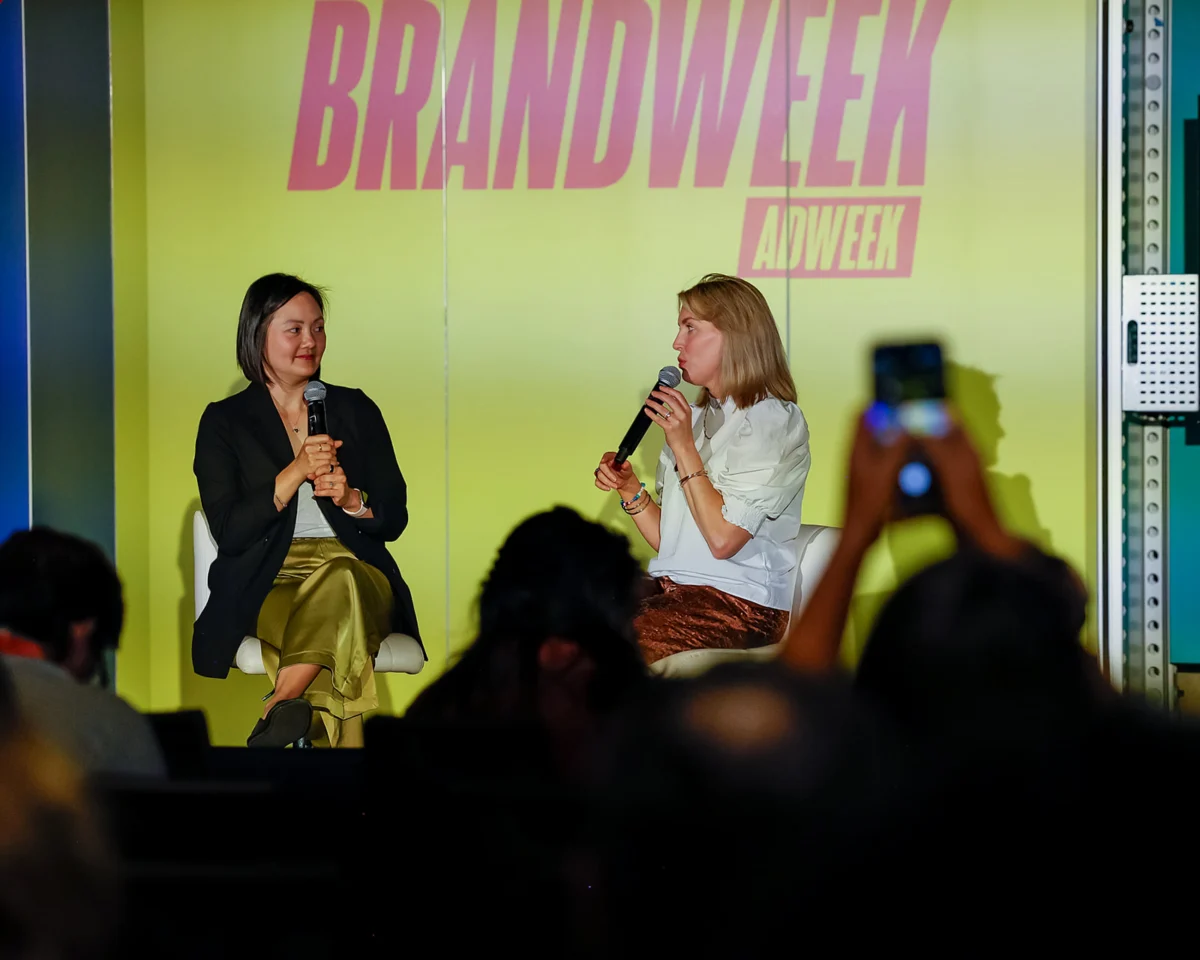
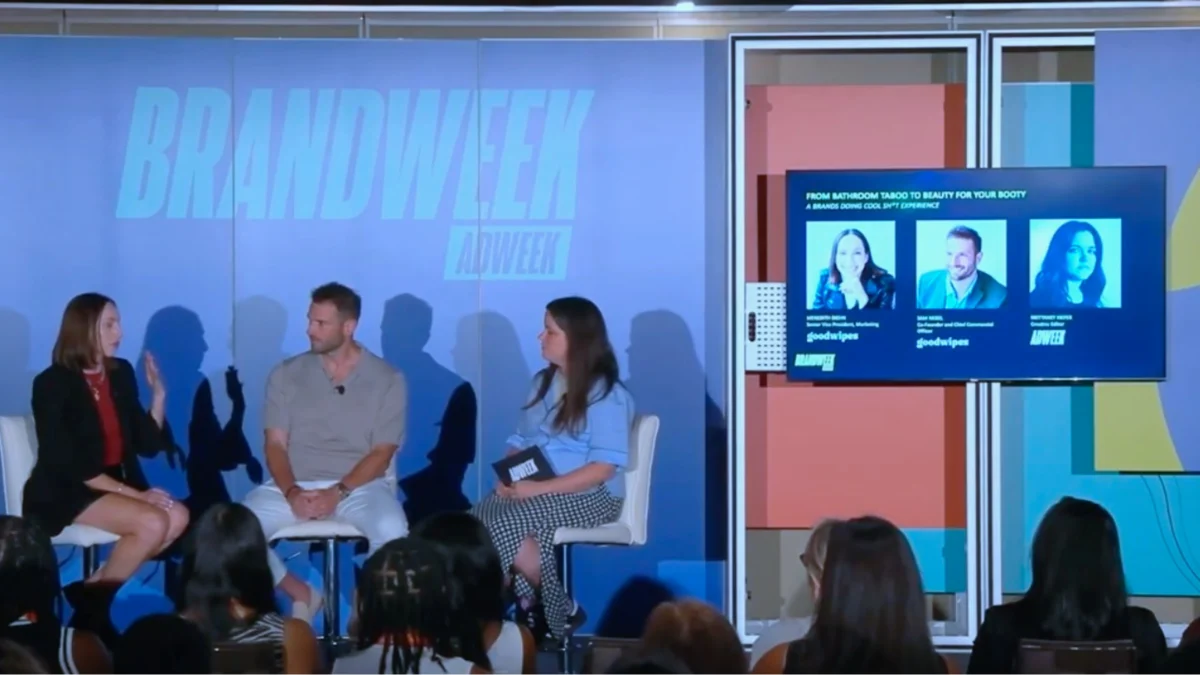
At a recent Brandweek Brand Doing Cool Sh*t Experience session, Goodwipes co-founder Sam Nebel and Senior Vice President of Marketing Meredith Diehn detailed the brand’s playbook. Rather than relying on standard commercial formats, Goodwipes leverages unexpected cross-brand partnerships, tongue-in-cheek social commentary, and intentional shock value to challenge entrenched bathroom habits.
Key elements defining Goodwipes’ market disruption include:
- The "Death to Dry" Manifesto: A unified brand stance against traditional dry toilet paper, advocating instead for a cleaner, hydrated clean.
- High-Impact Collaborations: Out-of-the-box partnerships with brands like Liquid Death and Olipop to generate immediate consumer curiosity and viral fame.
- Taboo-Busting Humor: Striking a delicate balance between crass bathroom humor, consumer education, and authentic engagement with digital subcultures.
- Lean, In-House Creativity: Operating with a nimble marketing apparatus consisting of three in-house creatives supplemented by agency partnerships for major rollouts.
Chronology: From College Campus Evangelism to Industry Disruption
The Early Days: Florida State University
The Goodwipes story did not begin in a corporate boardroom, but rather on the campus of Florida State University. Long before the brand became a recognized name in retail aisles, co-founders Sam Nebel and Charlie Siciak started out as self-described "baby wipes evangelists." During these early formative years, the simple act of using wet wipes for adult hygiene was largely considered a taboo subject. Consumers were conditioned to accept dry paper as the default standard, and discussing the physiological realities of bathroom habits in public was virtually unheard of. Nebel and Siciak used this cultural resistance not as a deterrent, but as an invitation to educate, slowly building the grassroots foundation for what would eventually become a nationwide movement.
Scaling Up and Hitting the Mainstream
As the brand transitioned from a college startup to a serious market contender, the founders realized that incremental marketing would not suffice to break consumers’ lifelong habits. Traditional advertising campaigns highlighting softness, strength, or eco-friendliness were already crowded with century-old paper conglomerates. To stand out, Goodwipes needed to inject personality into the aisle. They began leaning heavily into humor, taking direct aim at "Big Toilet Paper," and crafting viral campaigns that forced consumers to rethink how they finish their bathroom routines.
2024: The Year of the Unconventional Collab
Goodwipes’ marketing evolution reached a fever pitch over the past year through a series of viral, headline-grabbing stunts. In early 2024, the brand made waves with an April Fool’s Day collaboration with prebiotic soda maker Olipop, followed by high-profile partnerships with rebellious canned water brand Liquid Death. These campaigns proved that brand synergy does not have to be literal to be effective; rather, it just needs to spark a reaction. As the brand looks toward the remainder of the year, its sights are set on holiday campaigns designed to capture seasonal foot traffic and household stocking demands.
Supporting Data and Strategic Partnerships
To understand how a challenger brand cuts through the noise in a mature fast-moving consumer goods (FMCG) category, one must look at the mechanics of Goodwipes’ partnerships. According to Meredith Diehn, every unconventional collaboration serves a strict dual purpose: generating fame and driving disruption.
The Liquid Death Partnership: sCREAM Soda and the "Buttler"
Perhaps one of the most eccentric crossovers in recent personal care history was Goodwipes’ team-up with Liquid Death. The collaboration featured limited-edition, sCREAM Soda-scented wipes alongside the viral "Buttler Sweepstakes," which famously offered one lucky consumer a live-in, personal butt-wiper.
While the concept sounds absurd on the surface, it aligned perfectly with both brands’ ethos. Operating under the shared tagline "Death to Dry," the partnership juxtaposed Liquid Death’s edgy, anti-plastic hydration messaging with Goodwipes’ mission to hydrate the nether regions.
"Sometimes it doesn’t necessarily make sense at first glance, and that’s the whole point," Diehn explained during her Brandweek presentation. "We want that little bit of shock value, and then when you peel back the layers you say, ‘Oh wait, this actually does make a lot of sense.’"
The Olipop April Fool’s Integration
In another clever cross-category play, Goodwipes approached functional soda brand Olipop for an April Fool’s Day stunt that yielded unexpected strategic alignment. The collaboration introduced a limited-edition wipe scented after Olipop’s popular Peaches & Cream flavor, anchored by the tongue-in-cheek tagline: "Treat your butt as good as your gut."
While ostensibly a joke, the partnership possessed a surprisingly clear through-line. Because Olipop heavily promotes the benefits of dietary fiber for digestive wellness, an association with bathroom habits and posterior care felt entirely organic upon second thought. It demonstrated Goodwipes’ ability to turn a one-off holiday gag into a cohesive brand statement.
Official Responses and Marketing Philosophy
Changing a deeply ingrained daily habit is one of the hardest challenges in consumer marketing. When that habit takes place behind closed bathroom doors, the friction multiplies exponentially. Goodwipes’ leadership team has mastered the art of navigating this delicate psychological landscape.
Striking the Balance: Humor Meets Clinical Health
A core focus of Diehn’s Brandweek discussion was the ongoing tightrope walk between "crass" bathroom humor and serious clinical discussions regarding dermatological and digestive health. If a brand leans too heavily into juvenile humor, it risks alienating retail buyers and health-conscious consumers. Conversely, if a campaign is too clinical or sterile, it fails to cut through the noise of traditional advertising.
"It’s almost like the brand needs to rip [off] the Band-Aid and give the permission to have the conversation," Diehn noted, emphasizing that these dialogues need to extend far beyond private, whispered circles.
Tapping Into Existing Digital Cohorts
Rather than manufacturing artificial consumer pain points, Goodwipes has found massive success by listening to digital communities that are already openly discussing bathroom realities. Diehn pointed to viral internet micro-trends—such as the self-deprecating online mantra "hot girls have IBS" or the running community’s candid acknowledgments of mid-race bathroom emergencies—as prime examples of organic cultural moments.
"We’ve found these little cohorts where we can speak authentically and have the conversations that are already being had, without trying to create a new one," Diehn said. By embedding themselves into these existing dialogues, Goodwipes positions itself not as an intrusive advertiser, but as an understanding, empathetic insider.
Behind these campaigns is a remarkably lean operational structure. Goodwipes maintains an in-house creative team of just three individuals who conceptualize and drive day-to-day messaging, partnering with external agencies only when scaling up for massive multi-channel initiatives.
Implications for the Personal Care Industry
Goodwipes’ disruptive growth trajectory carries several major implications for the broader fast-moving consumer goods and personal hygiene landscapes:
- The Death of Staid Category Marketing: For decades, toilet paper and bathroom tissue brands relied on safe, sanitized imagery—soft golden retrievers, fluffy bath towels, and pristine white clouds. Goodwipes has proven that consumers respond better to authenticity, humor, and a willingness to break cultural taboos. Legacy brands are now forced to rethink their own marketing playbooks to avoid appearing hopelessly out of touch.
- Cross-Category Collaborations as a Growth Engine: The success of the Liquid Death and Olipop partnerships demonstrates that brand collaborations no longer need to be confined within the same product aisle. By teaming up with non-competing lifestyle brands that share a parallel ethos, challenger brands can cross-pollinate audiences and rapidly accelerate brand awareness.
- The Normalization of Sustainable Hygiene: As consumers become increasingly conscious of personal comfort, hygiene, and environmental impact, the shift away from dry paper toward flushable, biodegradable, or specialized wet wipes continues to accelerate. Goodwipes is capitalizing on a structural shift in bathroom hygiene that shows no signs of slowing down.
Looking Ahead
With its sights set on upcoming holiday marketing pushes—reminding consumers to stock up on bathroom essentials before hosting holiday guests—Goodwipes shows no intention of dialing back its disruptive approach. As the brand continues to scale, it serves as a masterclass in how humor, strategic incongruity, and a fearless willingness to talk about the unspeakable can successfully challenge legacy giants and reshape everyday human behavior.