NEW YORK — When the entertainment industry gathers for a major awards ceremony, the spotlight is traditionally reserved for pop icons, theatrical performances, and viral red-carpet fashion moments. However, as the media landscape shifts toward hyper-integrated, cross-platform audience engagement, the true fireworks are increasingly ignited by advertisers.
The 2026 MTV Video Music Awards (VMAs) proved to be a watershed moment for this evolution. While music royalty like Taylor Swift and Madonna commanded headlines and generated millions of social media impressions, it was a brand—specifically, Dunkin’—that orchestrated one of the most talked-about, multi-layered activations of the night.
By strategically leveraging a calendar shift, a high-profile host, and a comedic narrative campaign, Dunkin’ demonstrated how modern brands can move beyond traditional spot advertising to become active participants in cultural zeitgeists.
Main Facts
The 2026 MTV Video Music Awards marked a significant departure from traditional scheduling. Historically a late-summer staple, the ceremony shifted deeper into the fall season, broadcasting live on Sunday, September 27. Hosted by entertainment legend Snoop Dogg, the event promised high-energy performances and standard-setting viral moments.
Yet, the commercial strategy behind the broadcast arguably stole the show. Dunkin’, capitalizing on the seasonal calendar alignment, executed a comprehensive, two-part comedic sketch format that bridged its broader autumn marketing campaign directly into the fabric of the live broadcast.
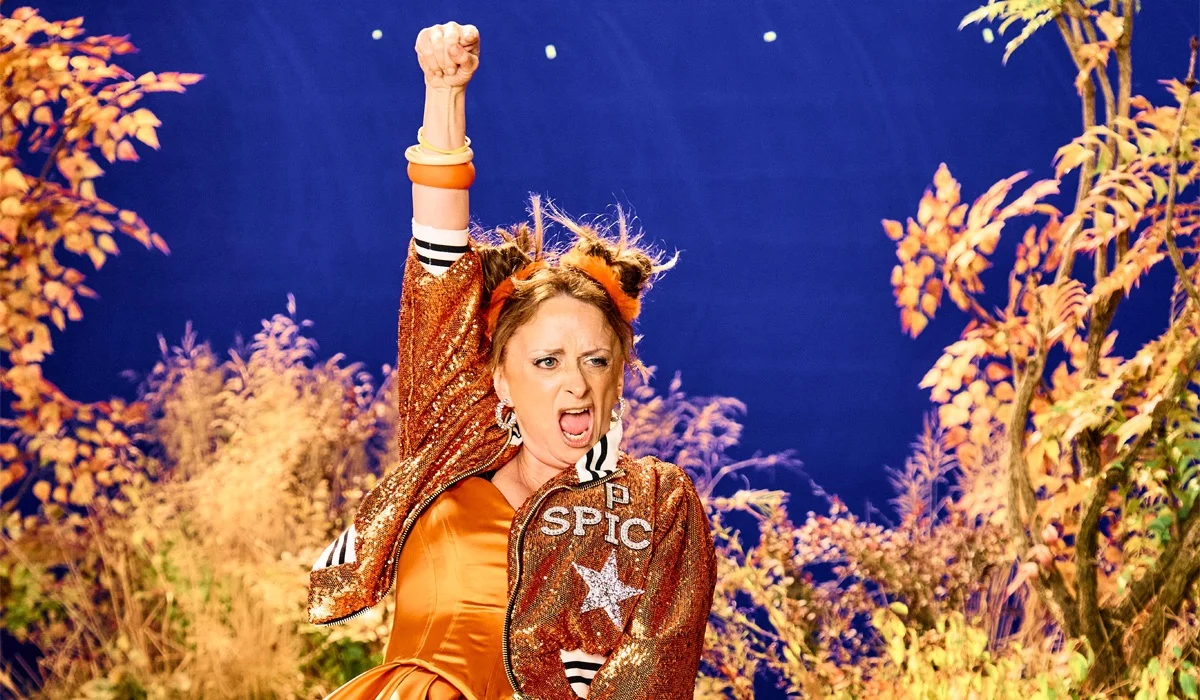
The centerpiece of this activation was the return of comedian Rachel Dratch as "Pumpkin Spice"—the fictional, long-lost "sixth Spice Girl"—a narrative thread first spun in Dunkin’s wider seasonal advertising blitz.
Rather than running standard 30-second spots during commercial breaks, Dunkin’ embedded its brand messaging directly into the ecosystem of the show. According to network executives, the integration was entirely organic to Dunkin’s seasonal promotional roadmap, proving that brands with a robust cultural narrative can effectively co-author live entertainment events.
Chronology: The Road to the VMAs
To understand how Dunkin’ executed one of the most ambitious brand integrations of the 2026 awards season, it is necessary to trace the timeline of events leading up to the September 27 broadcast.
Early August 2026: The Fall Campaign Launch
Dunkin’ launched its seasonal autumn marketing initiative, focusing heavily on its signature Pumpkin Spice lineup. The creative agency behind the campaign introduced a tongue-in-cheek narrative centered around a fictional "sixth Spice Girl" named Pumpkin Spice, portrayed by Saturday Night Live alumnus Rachel Dratch. The commercial spots, which poked fun at 1990s pop nostalgia and the omnipresence of autumn flavor profiles, quickly gained traction across digital and social platforms.
Late August 2026: Strategic Alignment with Paramount
As Paramount Media Labs finalized the broadcast partnerships for the upcoming VMAs—which had been moved to a late-September slot—discussions began regarding how to maximize advertiser value in a crowded media market. While automotive, tech, and beauty brands traditionally dominate music award sponsorships, Dunkin’ approached the network with an unexpected proposal: transplanting its narrative-driven fall campaign directly into the live broadcast.
September 10–20, 2026: Production and Scripting
Paramount production teams and Dunkin’’s creative partners collaborated on a two-part sketch system designed to run at strategic intervals during the live show. The goal was to maintain the comedic momentum established in the digital commercials while fitting seamlessly into the fast-paced, music-centric environment of the VMAs. Rachel Dratch was confirmed to make physical appearances and feature in custom interstitial content.
Sunday, September 27, 2026: The Live Broadcast
The VMAs aired live, hosted by Snoop Dogg. Midway through the broadcast, the first installment of Dunkin’s two-part sketch aired, featuring Dratch’s "Pumpkin Spice" character interacting with the awards show environment. The second installment followed later in the evening, driving home the product offerings while leaning into the nostalgic humor of the campaign. Simultaneously, social media channels lit up with memes, clips, and commentary regarding Dratch’s unexpected presence at the VMAs.
Supporting Data and Industry Context
The integration of Dunkin’ into the 2026 VMAs did not happen in a vacuum. It reflects broader macroeconomic and media consumption shifts that are fundamentally altering how brands allocate marketing budgets.
The Shift in Live Event Viewership
While linear television ratings for traditional awards shows have faced secular declines over the past decade, live tentpole events remain uniquely valuable because of their ability to generate simultaneous, real-time engagement. According to recent media analytics:
- Real-Time Social Spikes: Live music events generate upwards of 40% higher social media interaction per minute compared to scripted television.
- The "Second Screen" Effect: Over 75% of viewers engage with social media platforms (TikTok, X, Instagram) while watching live awards broadcasts, creating an immediate feedback loop for clever commercial content.
The Rise of Narrative-Driven Commercials
Consumer fatigue with traditional, hard-sell advertising has forced brands to adopt entertainment-first strategies. By treating advertising as content rather than interruption, brands achieve significantly higher recall rates. Dunkin’s choice to use a narrative-driven character arc (the lost Spice Girl) rather than product-shot montages aligns with data showing that humor and storytelling drive up to 3x higher brand favorability among Gen Z and Millennial demographics.
Official Responses and Industry Reactions
The success of the Dunkin’-Paramount partnership has drawn praise from media executives and advertising experts alike, highlighting a shift in how networks and brands collaborate on live broadcasts.
Matt Newcomb, Senior Vice President of Marketing Activation for Paramount Media Labs, noted the unconventional genesis of the partnership during post-event industry roundtables.
"What screams more fall than Pumpkin Spice?" Newcomb remarked when discussing the integration. "That was not even a territory we were talking to Dunkin’ about, and they brought their fall marketing campaign to us."
Newcomb’s comments underscore a growing trend where top-tier media publishers look to brands not merely as buyers of inventory, but as creative partners capable of co-creating content that enhances the viewer experience.
Advertising analysts have similarly lauded the campaign for its execution. By aligning a food and beverage brand with a music awards ceremony—two entities that traditionally inhabit different marketing verticals—Dunkin’ successfully broadened its cultural footprint. Rather than paying simply for logo placement or standard commercial breaks, the brand bought into the narrative of the evening, ensuring that viewers could not easily fast-forward or tune out without missing a punchline.
Implications for the Future of Advertising and Entertainment
The synergy between Dunkin’ and the 2026 VMAs carries significant implications for the future of entertainment marketing, television production, and brand strategy.
1. The Blur Between Content and Commercials
As streaming platforms and ad-supported tiers continue to dominate the media landscape, traditional commercial breaks are under intense pressure. Viewers have low tolerance for jarring, irrelevant ads. The Dunkin’-VMAs activation demonstrates that the future lies in "native integration"—where commercial breaks are treated as extensions of the entertainment programming itself. Brands that can deliver genuine comedic value or compelling narratives within a live broadcast will command higher engagement and premium pricing.
2. Event Scheduling and Seasonal Marketing
Dunkin’s capitalization on the VMAs’ new late-September slot highlights the importance of agility in marketing calendars. Historically, fall campaigns rolled out in a linear, predictable fashion across digital and out-of-home channels. By seizing an opportunistic live television window that coincided with the official kickoff of autumn, Dunkin’ created an immediate cultural anchor for its product lineup. Other brands will likely study this playbook, looking for ways to align seasonal product rollouts with major live entertainment milestones.
3. The Evolution of Celebrity Endorsements and Brand Characters
The success of Rachel Dratch as "Pumpkin Spice" points to a broader trend: the effectiveness of recurring, serialized brand characters over one-off celebrity endorsements. While a celebrity reading a script for a paycheck often feels hollow to modern consumers, a dedicated, comedic character with an ongoing storyline builds familiarity and emotional resonance. When that character crosses over from digital commercials into live cultural events like the VMAs, it bridges the gap between traditional advertising and immersive brand storytelling.
Conclusion
The 2026 MTV Video Music Awards will be remembered for stellar musical performances, memorable hosting by Snoop Dogg, and the ongoing cultural dominance of pop icons. However, from a media and marketing perspective, the event served as a masterclass in modern brand integration.
By refusing to settle for standard commercial inventory, Dunkin’—with the collaborative backing of Paramount Media Labs—proved that advertising, when executed with narrative ambition and comedic timing, can share the main stage with the biggest names in entertainment. As the media industry prepares for the future of hybrid content and live broadcasting, the playbook written at the 2026 VMAs will undoubtedly serve as a benchmark for brands seeking to capture the fleeting, invaluable attention of the modern consumer.