In the current digital ecosystem, the pace of technological innovation has moved from a brisk jog to a full-blown sprint. If you can conceive of a marketing task—from predictive analytics and hyper-personalized customer journeys to automated content creation and complex account intelligence—there is almost certainly an artificial intelligence (AI) tool designed to execute it.
The marketing AI landscape is experiencing an unprecedented surge in saturation. New platforms are emerging daily, each promising to redefine search, streamline personalization, optimize campaign performance, and provide deeper insights into account behavior. However, for the modern marketing leader, the challenge is no longer about finding a tool; it is about discernment. The true opportunity lies not in chasing every "shiny object" that enters the market, but in strategically identifying the technologies that possess the potential to fundamentally disrupt and elevate your day-to-day operations.
The Evolution of the Marketing Stack: A Brief Chronology
To understand where we are, we must look at how we arrived here. The trajectory of marketing technology (MarTech) has followed a clear evolution toward intelligence.
Phase 1: The Era of Manual Execution (Pre-2010)
Early marketing technology was largely functional. We used Content Management Systems (CMS) to publish blogs, basic Email Service Providers (ESPs) to blast newsletters, and rudimentary Customer Relationship Management (CRM) tools to store contact data. Everything required manual input, scheduling, and analysis.
Phase 2: The Data-Driven Decade (2010–2020)
As cloud computing matured, marketers gained access to "Big Data." Platforms focused on attribution, analytics, and marketing automation. This allowed for basic segmentation and lead scoring, but the heavy lifting of insight generation still relied on human data scientists and marketing analysts.
Phase 3: The Generative and Predictive AI Boom (2020–Present)
The current era is defined by the transition from "automation" (doing what you tell it to do) to "intelligence" (doing what you need it to do). With the explosion of Large Language Models (LLMs) and sophisticated predictive algorithms, AI is no longer just a support tool; it is an active participant in the creative and strategic process. We have moved from simple rules-based automation to adaptive, self-optimizing systems.
The Strategic Imperative: Why Tool Selection Matters
The current surge in AI tools creates a paradox of choice. When every platform claims to be "AI-powered," how does a CMO or marketing manager filter the signal from the noise?
According to experts at the Marketing AI Institute, the goal of adopting AI should not be to replace human intuition, but to augment it. The most intriguing tools currently on the market are those that expand the "art of the possible." They allow marketers to move away from repetitive, low-value tasks and pivot toward high-level strategy, empathy, and creative direction—areas where human expertise remains irreplaceable.
By integrating the right stack, organizations can achieve:
- Operational Velocity: Reducing the time-to-market for campaigns from weeks to hours.
- Hyper-Personalization: Delivering bespoke experiences to thousands of customers simultaneously.
- Predictive Foresight: Anticipating churn or conversion trends before they appear in standard reports.
Supporting Data: The AI Impact on Marketing ROI
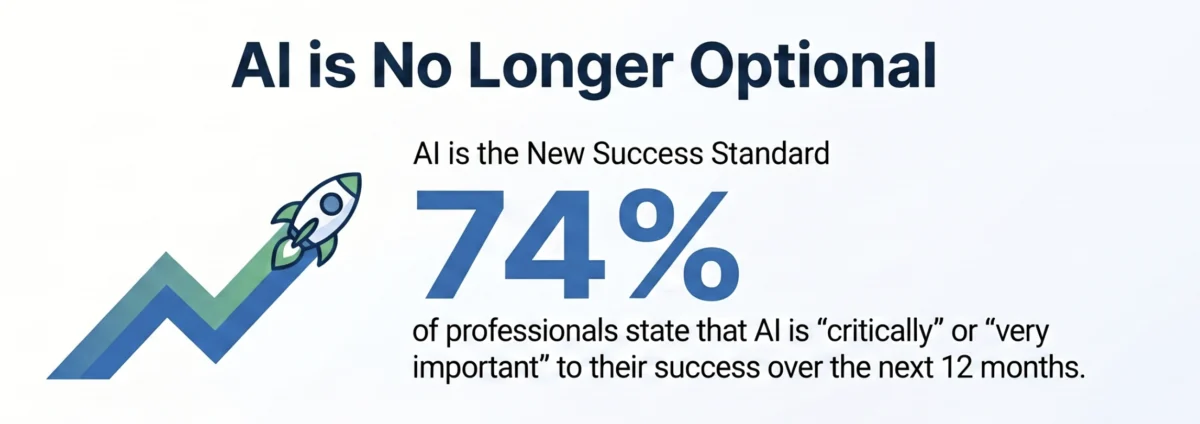
The shift toward AI is not merely a trend; it is a financial necessity. Recent industry data indicates that companies leveraging AI for marketing purposes are seeing significant improvements in key performance indicators (KPIs).
- Efficiency Gains: Research suggests that generative AI tools can reduce the time spent on content drafting and ideation by up to 40%.
- Conversion Rates: Predictive personalization models have been shown to increase conversion rates by 15% to 25% by ensuring that the right message reaches the right lead at the exact moment of intent.
- Resource Allocation: By automating routine data processing, marketing teams report a 30% increase in time redirected toward creative strategy and campaign innovation.
However, the "AI gap" remains. While the majority of organizations have experimented with AI, fewer than 20% have successfully integrated it into their core workflows. The barrier, according to industry analysts, is not the technology itself, but the lack of an implementation roadmap.
Official Perspectives: The Industry Viewpoint
Cathy McPhillips, Chief Marketing Officer at SmarterX and the Marketing AI Institute, emphasizes that the industry is at a critical inflection point. "The most intriguing AI tools aren’t just helping us do existing jobs faster," she notes. "They are augmenting our capabilities and expanding what’s possible, allowing marketers to view their roles in a new light."
From the perspective of AI developers, the focus is shifting toward "agentic workflows"—AI systems that don’t just generate text, but actually execute tasks autonomously across multiple platforms. As these tools become more robust, the role of the marketer is evolving into that of an "AI Orchestrator," someone who manages the parameters, ethics, and strategic direction of the intelligent systems under their control.
Implications for the Future of Marketing
The widespread adoption of these technologies carries profound implications for the industry.
1. The Death of the "Generic" Campaign
With AI, the cost of personalization drops to near zero. Consequently, the standard "batch and blast" email or generic ad copy will soon be viewed as obsolete—and potentially harmful to brand reputation. Marketers must now prepare for a world of dynamic, real-time content.
2. The Reskilling Mandate
The most important skill for a marketer in 2026 will not be writing or design in the traditional sense, but "prompt engineering" and "algorithmic literacy." Understanding how to talk to these systems and how to interpret their output will be the primary differentiator between successful professionals and those who fall behind.
3. Ethical and Data Governance
As AI becomes more embedded in marketing, the burden of ethical responsibility grows. Issues surrounding data privacy, copyright, and algorithmic bias are moving from the legal department to the center of the marketing department’s strategy. Transparency with the consumer regarding AI use is becoming a hallmark of trustworthy brands.
Seeing the Future: MAICON 2026
Reading about AI marketing tools is an essential first step, but seeing them in action is where the real transformation occurs. The theoretical potential of a tool is often dwarfed by its practical application in a live environment.
For those looking to bridge the gap between "knowing" and "doing," the Marketing AI Conference (MAICON) stands as the premier venue for exploration. Scheduled for October 13–15, 2026, in Cleveland, Ohio, the 7th annual MAICON will serve as a hub for innovation.
Attendees will have the unique opportunity to:
- Engage in Live Demos: Move beyond slide decks and interact directly with the platforms that are shaping the future.
- Learn from Practitioners: Hear firsthand accounts of how organizations—from mid-sized firms to Fortune 500 enterprises—are scaling their AI implementations.
- Network with Pioneers: Connect with the developers and early adopters who are currently setting the standard for AI-driven marketing.
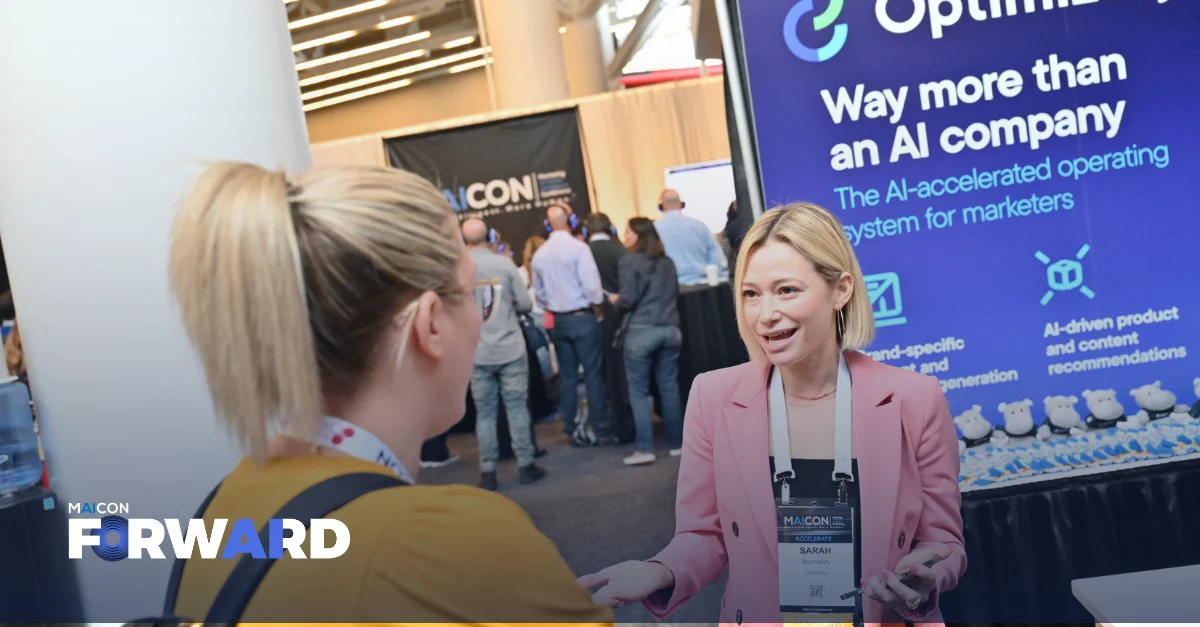
The conference will feature a curated selection of sponsors, all of whom have been chosen for their unique ability to push the boundaries of what is possible in the marketing function. Whether your focus is on account intelligence, search optimization, or creative automation, the expo hall at MAICON is designed to provide the clarity needed to make informed investment decisions.
Conclusion: The Journey Has Only Just Begun
We are currently in the "early adopter" phase of the AI revolution. While it may feel as though we are saturated with tools and headlines, we are, in reality, only scratching the surface of what is possible. The shift we are witnessing is not a temporary trend; it is a fundamental restructuring of the marketing discipline.
As we look toward 2026 and beyond, the marketers who thrive will be those who remain curious, critical, and courageous. By viewing AI as a partner in innovation rather than a threat to productivity, we can unlock levels of creativity and efficiency that were previously considered impossible.
The question is no longer whether your organization should adopt AI—it is how quickly you can move from observation to implementation. The future of marketing is intelligent, and it is waiting for you to define it. Join the conversation at MAICON 2026 and prepare to lead the next era of digital excellence.