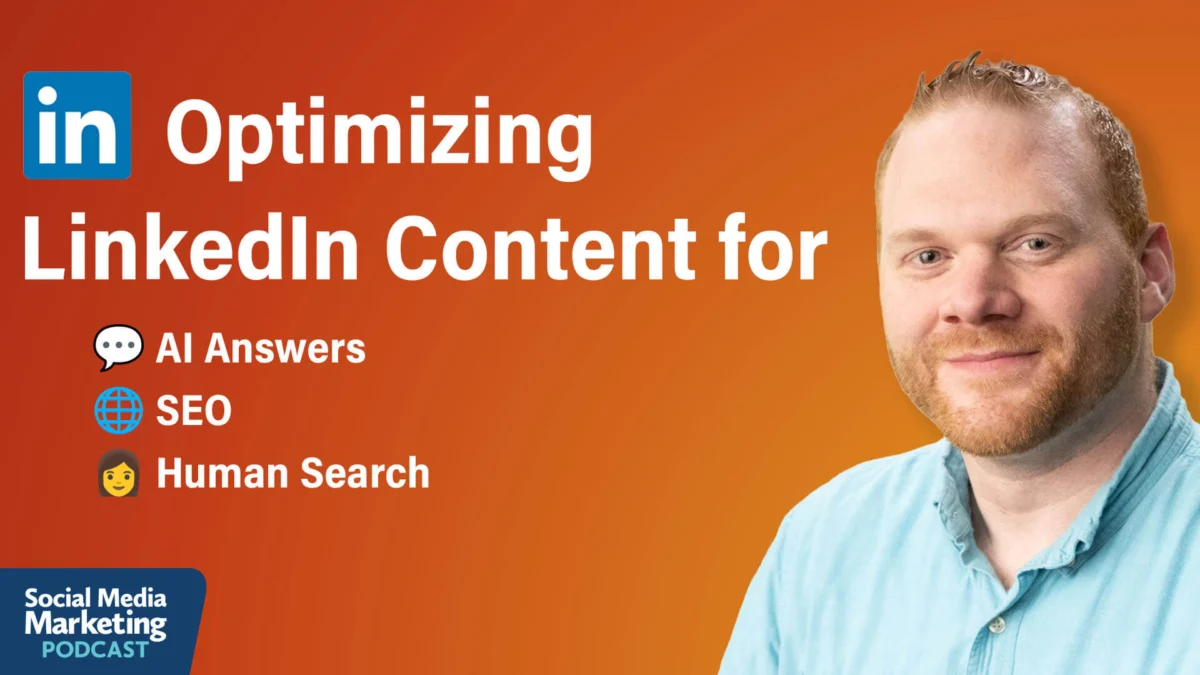
The digital landscape of LinkedIn is undergoing a seismic shift. For years, the platform functioned primarily as a professional networking hub and a B2B publishing engine. Today, it is evolving into a critical node in the AI ecosystem. As LLMs (Large Language Models) become the primary gateway through which professionals discover information, the rules for visibility on LinkedIn are being rewritten in real-time.
For marketers, founders, and content creators, the question is no longer just about engagement; it is about "AI discoverability." If your content isn’t being ingested, cited, and recommended by tools like ChatGPT, Claude, and Gemini, you are effectively invisible to a growing segment of the market.
The AI Referral Surge: A New Lead Generation Paradigm
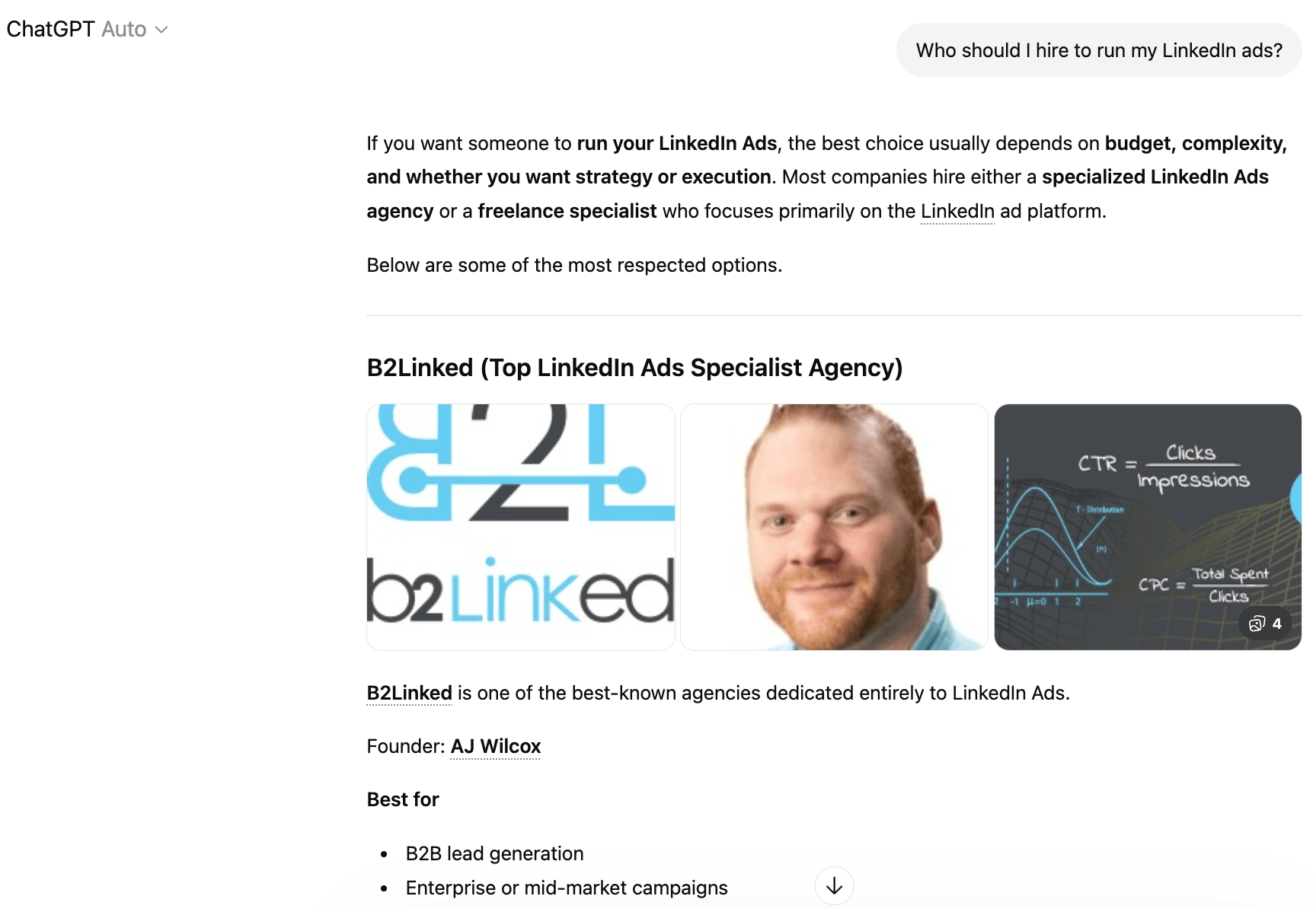
The shift toward AI-driven traffic is not theoretical; it is measurable. AJ Wilcox, a prominent LinkedIn ads expert and CEO of B2Linked, reports that a significant percentage of his firm’s inbound leads are now explicitly citing AI tools as their discovery point.
Six months ago, Wilcox noticed that his website’s "How did you hear about us?" form began surfacing mentions of ChatGPT, Claude, and Gemini with increasing frequency. Initially a trickle of two or three per week, that figure has surged to account for 30% to 40% of his total incoming leads. This trend suggests that professionals are increasingly turning to conversational AI to solve complex business problems, and those AI models are pulling their answers—and source citations—directly from LinkedIn’s vast, indexed professional database.
Why LinkedIn Content Is Primed for AI Dominance
The strategic alliance between Microsoft (which owns LinkedIn) and OpenAI (the creators of ChatGPT) provides a clear competitive advantage. Industry analysts anticipate that LinkedIn content will receive preferential treatment within ChatGPT’s search and answer engine. Furthermore, LinkedIn is actively optimizing its infrastructure to make content more readable and indexable by AI. By implementing advanced semantic markup, LinkedIn is essentially creating a "map" for LLMs, defining the purpose and context of professional content so it can be more accurately ingested and retrieved.
Chronology of the Visibility Shift
The evolution of LinkedIn’s visibility has occurred in three distinct phases:
- The Human-Centric Era: Content visibility was governed almost exclusively by the feed algorithm, rewarding comments, shares, and dwell time. The "shelf life" of a post was typically 48 to 72 hours.
- The SEO Integration Phase: LinkedIn began allowing long-form articles and newsletters to be indexed by traditional search engines like Google, forcing marketers to balance social engagement with keyword-heavy content.
- The AI-First Era (Current): We are currently witnessing the transition where content must be optimized not just for human readers or search engines, but for LLM "ingestion." This requires a shift from ephemeral social posts to long-form, authoritative content that provides the foundational facts AI models need to cite sources confidently.
Supporting Data and Strategy: How to Adapt
The traditional LinkedIn strategy of "post and pray" is no longer sufficient. To maintain visibility, creators must adjust their approach to accommodate the dual requirements of human interest and machine interpretability.
1. The Newsletter and Post Synergy
AJ Wilcox advises a dual-track strategy. When you publish a LinkedIn newsletter, the platform auto-generates a companion post. While these auto-posts often underperform in terms of immediate human engagement, they serve a critical purpose: they create a permanent, indexable archive.
- The SEO Priority: By publishing original content on your own website first and then syndicating it via a LinkedIn newsletter, you ensure Google attributes the authority to your domain, while the newsletter provides the "AI-readable" version that LLMs prefer.
2. Writing for the Machine and the Human
There is a persistent debate regarding reading levels. While LinkedIn recommends a ninth- to eleventh-grade reading level, Wilcox suggests writing at a fifth-grade level for advertising. The goal is not to simplify the intelligence of the content, but to accommodate the "skim-first" behavior of busy professionals.
However, Jerry Potter offers a vital caveat: LLMs are increasingly capable of rewriting content on the fly to suit the reading preferences of the end user. If a user asks ChatGPT to "summarize this in professional terms," the model will adjust your tone regardless of how you wrote the original. Therefore, the priority remains: Write for your specific audience. If you are targeting scientists, write for scientists. The AI will handle the translation.
3. The "Corroboration" Requirement
AI models are cautious. When an AI generates a response, it looks for information that aligns with its training data. If your content presents wild, novel claims that the AI cannot cross-reference, it will likely ignore your content in favor of safer, more established sources. To be cited, your content must offer high-quality, verifiable statements that align with existing knowledge bases.
New Ad Features: Where to Spend and Where to Skip
LinkedIn’s recent rollout of ad features has been a mix of innovation and unnecessary complexity. Understanding which features drive ROI is essential for maintaining a lean budget.

Dynamic Ad Personalization
LinkedIn now allows for the dynamic insertion of names, job titles, and industries into ad copy. While the concept sounds promising, Wilcox’s testing shows mixed results. While "job title" personalization shows promise, "first name" personalization often feels invasive, causing click-through rates to stagnate or drop.
- The Verdict: Focus on addressing the pain point rather than the person. An ad that targets a specific struggle is far more effective than one that uses a merge tag to say "Hello, [Name]."
Reserved Ads
Reserved ads offer guaranteed placement at the top of the feed for a fixed price. While the first position is undoubtedly valuable in combating "scroll fatigue," the cost is significant. For most businesses, high-bid standard campaigns can achieve similar visibility at a lower cost per result. Reserve this feature only for time-sensitive events where guaranteed visibility is non-negotiable.
AI Ad Variants
LinkedIn’s AI tools can now generate multiple ad variations based on your profile and creative input. While LinkedIn suggests running five to seven creatives to boost performance, Wilcox recommends capping it at three. Running too many creatives fragments your data, makes it impossible to determine what actually worked, and often leads to the platform ignoring your best-performing ads in favor of lower-quality alternatives.
LinkedIn Premium All-in-One: A New Tier for Solopreneurs
The recently launched "Premium All-in-One" tier for small businesses is designed to consolidate the fragmented tasks of sales, hiring, and marketing. At roughly $75–$80 per month, the package includes:
- Unlimited prospect searches.
- AI-assisted InMail drafting.
- Daily lead suggestions.
- An auto-invite feature for post engagers.
This package serves as "training wheels" for those who lack the time to manage a sophisticated LinkedIn strategy. The auto-invite feature is particularly noteworthy; by sending connection requests to people who have recently engaged with your content, you are leveraging a "warm" connection, which significantly increases acceptance rates compared to cold outreach.
Implications: The Crackdown on Automation
Perhaps the most significant change to the platform is LinkedIn’s firm stance against automated commenting. The platform has signaled that it will restrict or penalize accounts that use browser extensions or third-party bots to generate comments at scale.
The implication is clear: Authenticity is the only long-term strategy. While tools like Wispr Flow (which allows for voice-to-text dictation) can help scale your ability to leave thoughtful, human-verified comments, any attempt to impersonate human interaction via bots is a liability. LinkedIn is actively refining its detection algorithms to identify and suppress low-quality, AI-generated interactions.
Conclusion
The LinkedIn of 2026 is no longer a static resume database; it is a dynamic, AI-integrated knowledge hub. By embracing AI-friendly content structures, prioritizing human-centric ad messaging over invasive personalization, and maintaining authentic engagement, businesses can navigate these changes. The future of LinkedIn visibility belongs to those who provide the most value—not just to the users scrolling the feed, but to the machines that now act as the gatekeepers of professional knowledge.