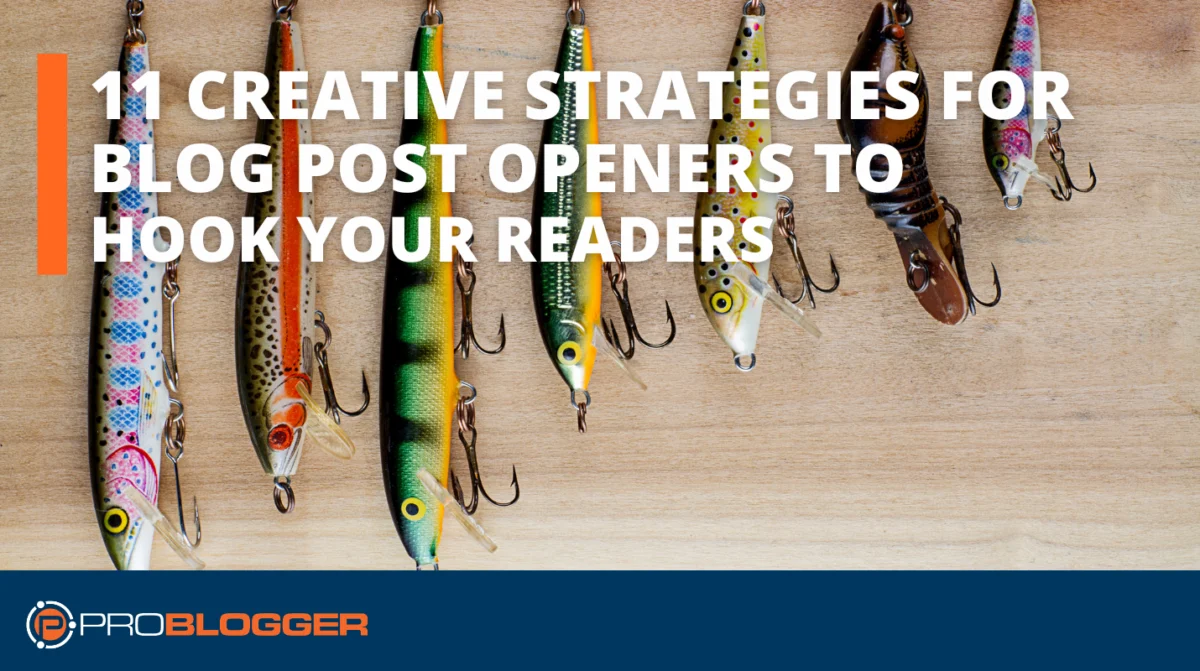
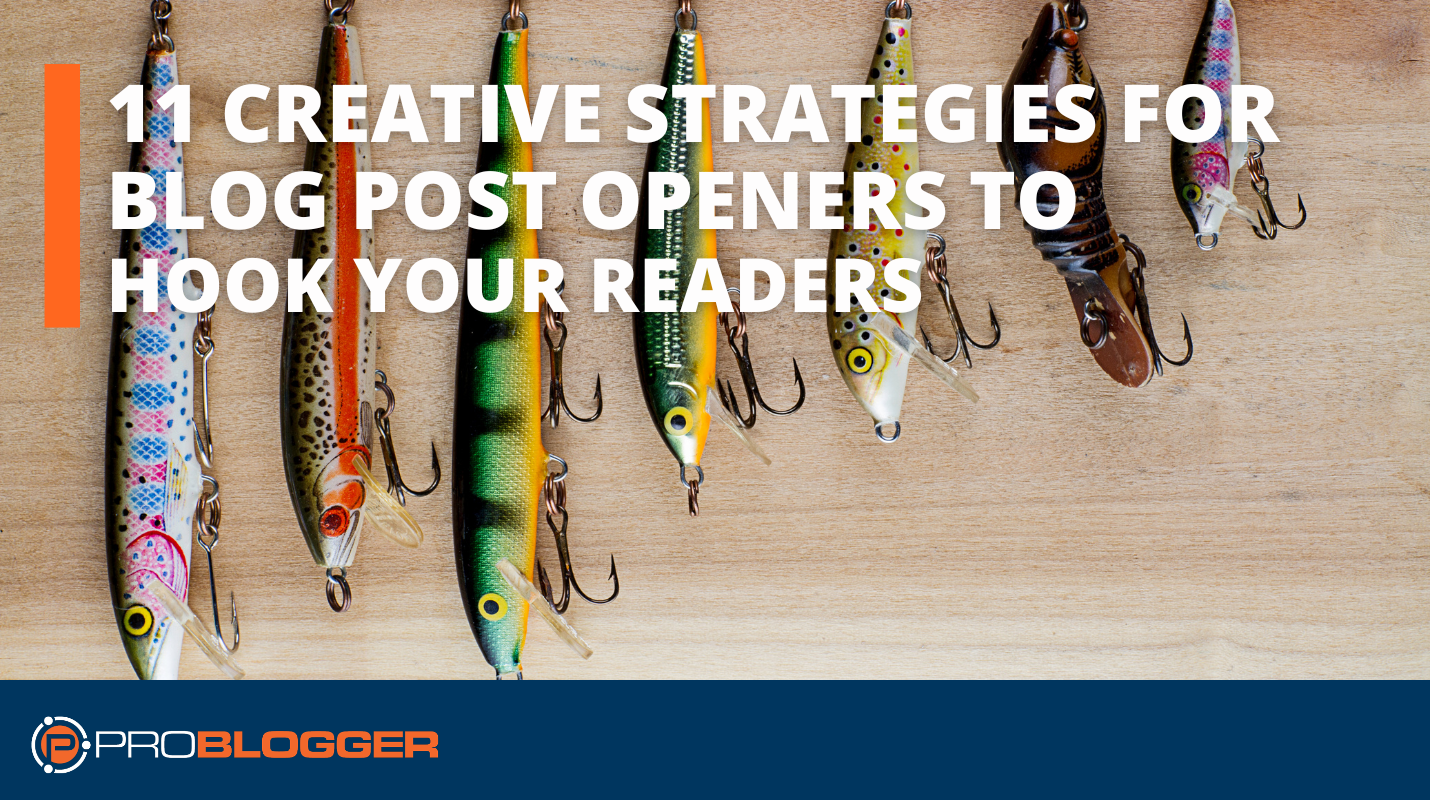
In the digital landscape, where the average human attention span is reportedly shorter than that of a goldfish, the battle for a reader’s focus is fought and won in the first few seconds of engagement. For bloggers, content creators, and digital journalists, the opening line of an article is not merely a greeting—it is the deciding factor in whether a piece of content becomes a viral success or a ghost in the machine.
While much emphasis is placed on search engine optimization (SEO) and catchy headlines, the "hook"—the paragraph immediately following the title—serves as the critical gatekeeper. If the headline is the promise, the opening line is the contract that binds the reader to the rest of the text. Mastering this craft requires a blend of psychology, narrative structure, and strategic intent.
The Anatomy of Engagement: Why Opening Lines Matter
Content strategy experts have long identified the headline as the primary driver of clicks, but data consistently suggests that the "bounce rate"—the percentage of visitors who leave after reading only the first few sentences—is inextricably linked to the quality of the opening line.
A compelling opener performs three essential tasks: it validates the reader’s decision to click, it establishes the tone and authority of the writer, and it creates a "curiosity gap" that necessitates further reading. Whether you are writing a personal blog, a technical white paper, or a feature news story, the principles of engagement remain constant: you must solve a problem, pique interest, or challenge a belief immediately.
Chronology of a Hook: From Initial Thought to Final Polish
The process of crafting the perfect opener often follows a specific progression. Writers rarely begin with their best line; rather, the hook is typically the result of a deliberate iterative process.
- The Drafting Phase: Many successful writers begin by writing their conclusion first. Knowing exactly where the article is headed allows the writer to plant "bread-crumbs" in the opening paragraph that point toward the final takeaway.
- The Selection Phase: Once the draft is complete, the writer must choose from a variety of opening strategies. This involves analyzing the target audience: Are they seeking entertainment, data, or actionable advice?
- The Refinement Phase: This is where brevity meets impact. Removing "fluff" words and tightening the syntax ensures that the opening lines hit with maximum velocity.
- The A/B Testing Phase: In a professional digital environment, creators often test multiple variations of an opening line to see which one maintains reader retention for longer periods, analyzing heatmaps and scroll-depth metrics to gauge effectiveness.
Supporting Strategies for Capturing Attention
To move beyond the generic, writers must employ specific psychological triggers. Here are the eleven most effective strategies to hook readers, refined for the modern digital era.
1. Identify the Reader’s Pain Point
The most effective way to build rapport is to show that you understand the reader’s struggle. By pinpointing a specific problem, you immediately establish relevance. For instance, if you are writing about time management, opening with the feeling of "drowning in a sea of unread emails" creates an immediate emotional connection.
2. The Power of the "Yes" Question
Copywriters have utilized the "yes-set" technique for decades. By asking a question that forces a mental "yes" from the reader, you create a psychological agreement. If your opening line confirms a frustration or a desire the reader already feels, they are significantly more likely to continue reading to find the solution you are offering.
3. Intrigue Through Mystery
Human beings are hardwired to resolve ambiguity. Posing a question that promises a surprising revelation—such as, "What if everything you know about productivity is actually holding you back?"—forces the brain to seek closure, which can only be found further down the page.
4. The Strategic Surprise
Unexpected anecdotes, even those that seem slightly tangential, can disrupt the reader’s "scrolling autopilot." A personal story—like a humorous misunderstanding about a name—humanizes the content and breaks the pattern of formal, robotic writing.
5. Narrative and Analogy
Abstract concepts are difficult to process, but stories are universal. Starting with a brief, punchy analogy transforms a dry topic into a tangible experience. Whether it is a true story or a fictionalized scenario, narratives act as a "pattern interrupt" that draws the reader in.
6. The Bold Assertion
In an era of nuance and hedging, a clear, authoritative claim is refreshing. By stating a controversial or high-stakes promise—such as "This is the only strategy you need to double your traffic"—you raise the stakes. However, this carries a caveat: you must be prepared to provide ironclad proof immediately following the hook.
7. Stirring the Pot of Controversy
Controversy, when handled with integrity, is an incredible attention-getter. Taking a firm stand against a popular trend or questioning a common industry belief triggers a defensive or curious response, compelling the reader to see if your argument holds weight.
8. Painting a Vivid Scene
Sensory language allows the reader to visualize the subject matter. By describing a scenario where the reader can "see" the stakes, you move the content from the intellectual realm into the emotional one.
9. The Authority of Data
Statistics that defy conventional wisdom are powerful tools. If your research reveals that only 1% of a demographic succeeds in a specific area, leading with that number instantly establishes your post as a high-value resource.
10. The Power of the Quote
A well-chosen, poignant quote from a recognized authority acts as a form of social proof. It provides an immediate intellectual anchor for your article, suggesting that the upcoming content is well-researched and grounded in credible thought.
11. Visual Anchors
In a digital-first world, the opening image is just as important as the opening text. A high-quality, relevant image can do the heavy lifting of setting the mood, ensuring that the reader’s visual senses are as engaged as their intellectual ones.
Implications for Content Strategy
The cumulative effect of these techniques is a more robust, high-performing content portfolio. When a brand or a creator consistently masters the opening line, they see a quantifiable shift in key performance indicators:
- Increased Time on Page: Readers who are hooked are more likely to digest the full content, which boosts site authority.
- Higher Social Sharing: Content that starts strong is perceived as higher quality, leading to increased shares and social proof.
- Improved Conversion Rates: A reader who is engaged by the introduction is far more likely to trust the author’s call to action (CTA) at the end of the post.
Final Observations: The Balance of Consistency and Variety
While these strategies provide a framework for success, they are not a "one-size-fits-all" solution. The most successful writers are those who rotate these techniques to avoid becoming predictable. If every post begins with a statistic, the impact will eventually wane.
Furthermore, the opening line must always be an honest representation of the article. Using "clickbait" to draw readers in, only to provide subpar content, will result in a high bounce rate and long-term damage to the writer’s reputation. The goal is to hook the reader with substance, ensuring that the promise made in the opening line is fulfilled by the time they reach the conclusion.
By refining the opening lines of your blog posts, you are not just writing better introductions—you are building a sustainable relationship with your audience, one click at a time. The next time you sit down to write, remember: your reader is only a heartbeat away from clicking elsewhere. Give them a reason to stay.