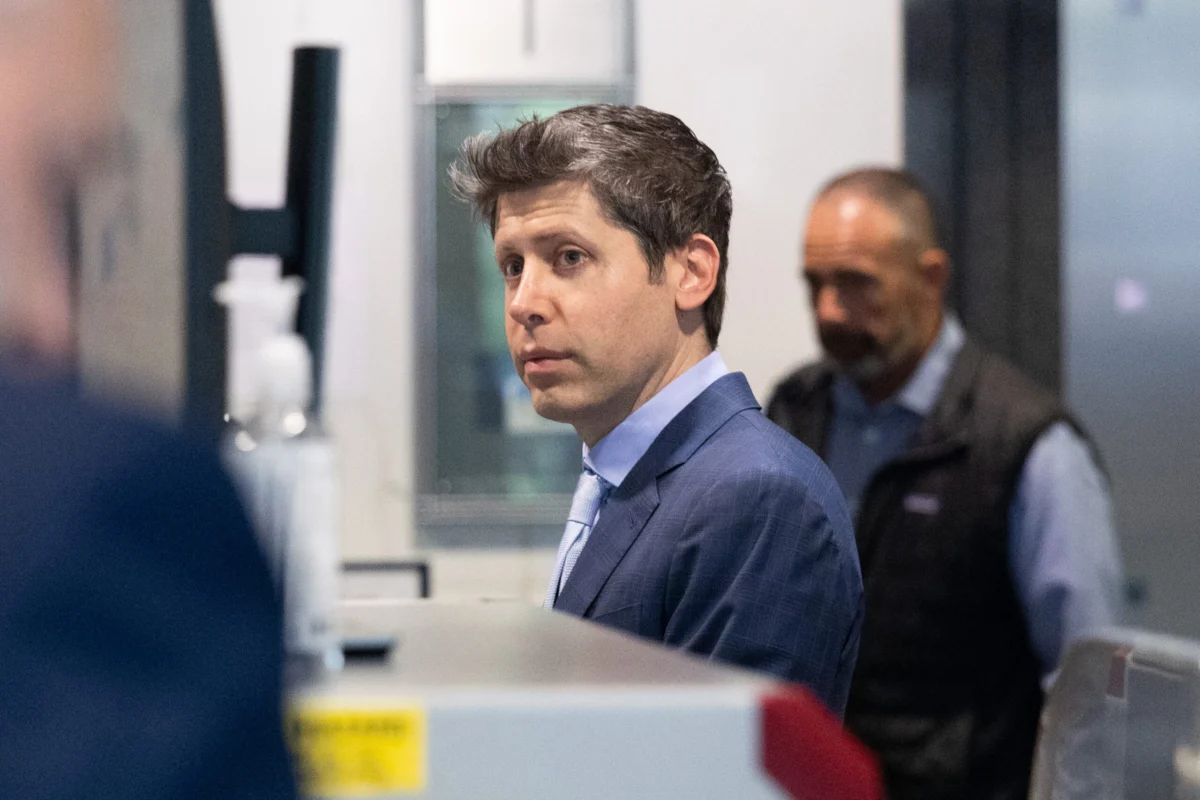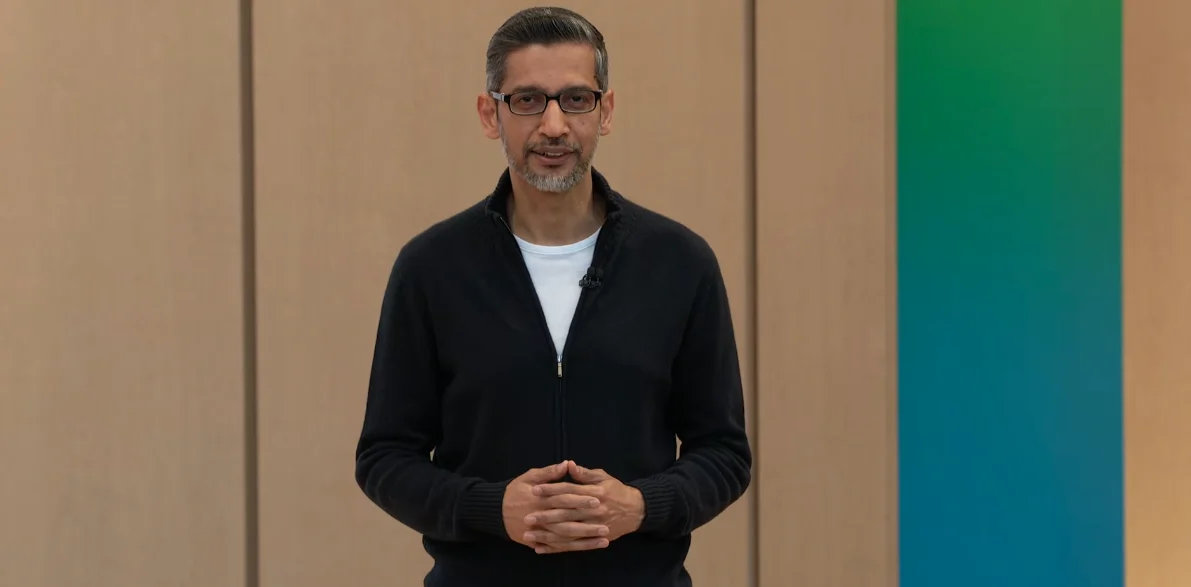
At TechCrunch’s recent "StrictlyVC" event in El Segundo, the conversation between Shinkei Systems founder Saif Khawaja and Founders Fund partner Delian Asparouhov diverged sharply from the typical discourse surrounding SaaS metrics and LLM burn rates. Instead, the two found themselves contemplating a biological existentialism: "How do you know if a fish is stressed out?"
For most, the question is an afterthought. For Khawaja, it is the cornerstone of a multi-million-dollar industrial disruption. His startup, Shinkei Systems, is attempting to overhaul the $160 billion global seafood industry by replacing traditional, often brutal, fishing methods with high-precision robotics and artificial intelligence.
The Science of the "Stress-Free" Catch
The core of Shinkei’s innovation is "Poseidon," a refrigerator-sized robotic unit designed to be bolted directly onto commercial fishing vessels. The machine utilizes sophisticated computer vision to identify a fish species, pinpoint its brain, and execute a near-instantaneous dispatch. By severing the brain stem and gills within seconds of the catch, the device replicates the Japanese ike jime technique—a centuries-old method prized for its ability to preserve the quality and flavor of the meat.
The biological rationale is clear: when a fish dies slowly—a process that can take up to an hour on a standard commercial deck—its body is flooded with cortisol and lactic acid. This chemical surge not only causes the animal unnecessary suffering but also degrades the quality of the flesh, triggering rapid decomposition and dulling the umami flavor profile that chefs demand.
By automating ike jime, Shinkei does more than improve animal welfare; it creates a superior product. The fish treated by Poseidon can be aged for weeks rather than days, as the removal of blood and the prevention of stress hormones allow enzymes to break down muscle tissue in a controlled, deliberate manner.
A Journey from Philosophy to Hardware
The genesis of Shinkei Systems is as unorthodox as its product. Khawaja, who spent his youth on family fishing trips in the Middle East, did not view the industry through a technological lens until his college years. He stumbled upon an essay by an animal rights philosopher titled "If Fish Could Scream."
The premise was simple but haunting: because fish lack vocal cords, their suffering remains invisible to the human consumer. Khawaja realized that the industry’s reliance on slow, traumatic harvesting was not just an ethical oversight—it was a massive inefficiency.

This realization transitioned from a philosophical inquiry into a vertical integration play. Today, Shinkei is not merely a hardware vendor; it is a full-stack processor. The company provides its Poseidon units to fishermen at no cost, offering them a premium price for their catch. In exchange, Shinkei secures the entire inventory, bypassing traditional, fragmented wholesale channels. The product is then processed at the company’s 16,000-square-foot facility in Tacoma, Washington, and brought to market under their consumer brand, Seremoni—marketed as "ceremony-grade" seafood.
Industry Implications: Reshoring and Transparency
The broader implications of Shinkei’s model touch on a dark secret of the American seafood industry: the "round trip" supply chain. A significant portion of fish caught in U.S. waters is currently frozen and shipped to countries like China, where low-cost labor handles the cleaning and filleting. The product is then shipped back to the U.S. for sale.
This system has faced intense scrutiny. Investigative reporting has linked segments of this overseas processing sector to forced labor, including the exploitation of Uyghur and North Korean workers. Consequently, there is an urgent push within the industry to "re-shore" processing capabilities to ensure supply chain integrity and compliance with modern labor standards.
Shinkei’s bet is that by centralizing the kill, processing, and distribution under one roof in the Pacific Northwest, it can eliminate the logistical bloat and ethical hazards of the current model. By doing so, they hope to make high-quality, sustainably harvested American fish price-competitive with the mass-market, carbon-heavy, and ethically murky alternatives.
Supporting Data: Efficiency and Market Penetration
The market is already beginning to take notice. Shinkei’s "ceremony-grade" products are currently being piloted at Erewhon, the high-end Los Angeles grocery chain, where they are marketed as "sustainably caught, humanely harvested" Miso Black Cod.
The economic justification for the tech is equally compelling. According to Khawaja, roughly 18% of seafood is lost to spoilage between the dock and the retail shelf. Shinkei’s in-plant sensor system, which projects the shelf life of individual fish, aims to mitigate this massive waste. While a standard catch might have a shelf life of five to seven days, Shinkei-processed fish can remain fresh for two to three weeks.
Furthermore, the company has begun penetrating the ultra-competitive Japanese market. Shinkei claims it has achieved what was once considered impossible: exporting American-caught fish into Japan’s discerning markets, which have traditionally viewed domestic (Japanese) product as vastly superior to imports. If these gains hold, Shinkei could fundamentally rewrite the global trade narrative for U.S. seafood.

The Founders Fund Perspective
For Delian Asparouhov and Founders Fund, Shinkei represents the ideal investment profile: a company tackling a "dysfunctional industry" that is "unfashionable" enough to lack meaningful competition.
"There’s essentially nobody else on Earth who wants to spend their life on robots that kill fish," Asparouhov noted during the event, acknowledging the visceral, often messy reality of the business. While other players exist—such as Japan’s Nichimo, which produces stunning devices, and several Norwegian startups—Shinkei remains the only firm executing a fully automated, end-to-end industrial process at this scale in the United States.
This investment aligns with a wider strategic shift at Founders Fund. Asparouhov emphasized that the firm has consciously throttled its exposure to generic AI applications, which he estimates make up less than 20% of their capital deployment. Instead, the firm is doubling down on "physical-world" businesses.
Citing the massive financial success of SpaceX—which the firm backed early—Asparouhov argued that the next decade of venture capital will be defined by complex electromechanical systems. Whether it is solar-powered cattle collars from Halter or genetic breakthroughs in crops via Ohalo, the firm is betting on companies that solve tangible problems in the real world.
Challenges Ahead
Despite the optimism, the road ahead is fraught with complexity. Shinkei is attempting to be a robotics manufacturer, a seafood processor, and a premium consumer brand simultaneously. Each of these pillars requires distinct operational expertise.
- Cultural Inertia: The fishing industry is defined by decades-old habits and established, often opaque, relationships. Convincing traditional fishermen to integrate new, specialized technology onto their vessels is a significant sociological challenge.
- Hardware Durability: The hardware must survive the brutal, corrosive, and high-motion environment of the open ocean. Unlike software, where a "bug" can be patched remotely, a mechanical failure on a boat in the middle of a catch results in immediate, non-recoverable losses.
- Market Education: While consumers are increasingly conscious of the ethics of their beef and poultry, the "humane slaughter" narrative for seafood is still in its infancy. Shinkei must convince a price-sensitive public that the higher cost of Seremoni grade fish is justified by the quality and the story of its origin.
Conclusion
The partnership between Shinkei Systems and Founders Fund is a microcosm of a larger trend in Silicon Valley: the return to the "hard" problems of the physical world. While the smell of a fish-processing plant might not have the allure of a clean, air-conditioned data center, the potential to reduce food waste, improve animal welfare, and reclaim domestic industry is, in many ways, a far more significant technological feat.
As the company moves from its pilot phase at Erewhon to broader expansion, the ultimate test will be whether the efficiency gains provided by the Poseidon robots can truly outpace the entrenched, low-cost international supply chains that currently dominate the market. If Khawaja succeeds, he won’t just be selling fish; he will be defining a new standard for how the world consumes its most vital marine resources.