The WordPress ecosystem, the bedrock of nearly 43% of the internet, is currently navigating a period of profound transition. At the center of this shift is the WordPress.org Plugin Directory, a repository that has long served as the primary engine of site functionality for millions of users. However, the rise of generative AI, changing user expectations, and the need for more robust commercial infrastructure have prompted a critical re-evaluation of how WordPress handles plugin discovery, safety, and community standards.
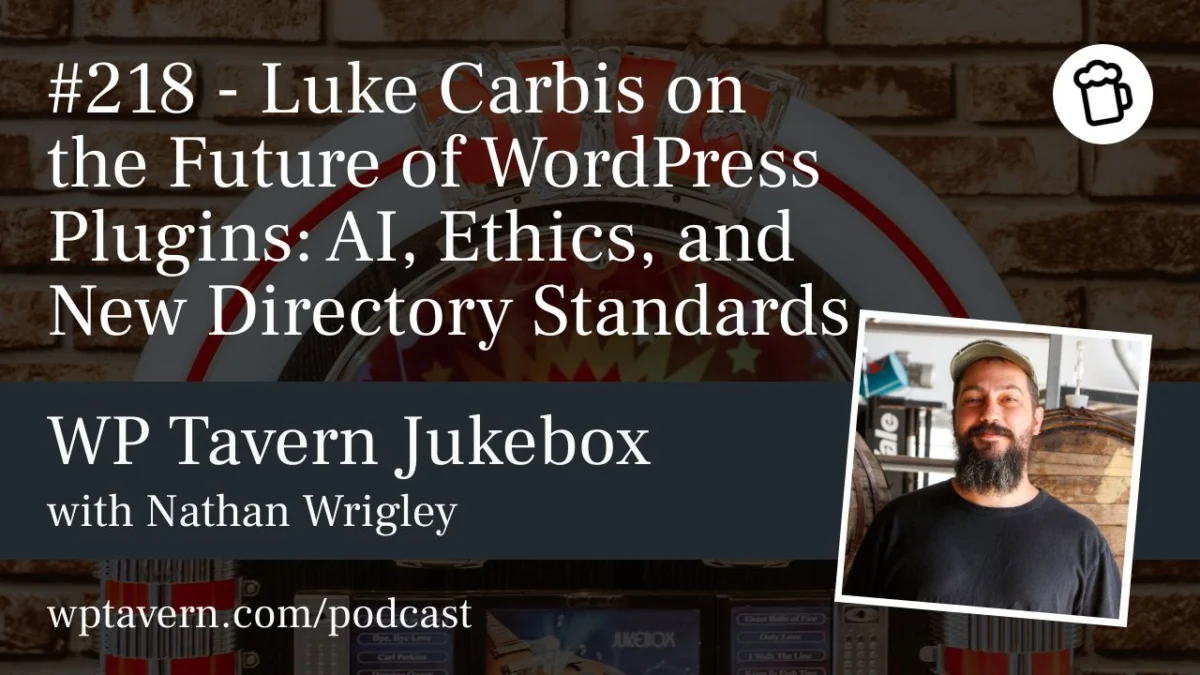
Luke Carbis, a veteran of the WordPress space with over 20 years of experience—ranging from agency work and plugin development to his current role on the Plugin Review Team—recently took to the stage at WordCamp Asia to address these challenges. His talk, “Beyond the Guidelines: It’s Time to Evolve Our Standards for a Safer Plugin Ecosystem,” serves as a blueprint for the debates currently consuming the project’s leadership and its most active contributors.
The AI Deluge: A New Challenge for the Plugin Directory
For years, the Plugin Review Team has maintained a delicate balance: ensuring that thousands of user-submitted plugins meet the required safety and coding standards while keeping the review queue moving efficiently. However, the rapid proliferation of generative AI tools has fundamentally altered this landscape.
According to Carbis, the last 12 months have seen a fourfold increase in plugin submissions compared to the previous year. While democratizing development is a core value of the WordPress mission, the sheer volume of AI-generated code has introduced logistical and qualitative challenges.
"We are being inundated with loads and loads of new plugins," Carbis notes. "It’s becoming really hard to be able to stand out from the crowd as a product designer, and as a user, it’s increasingly difficult to figure out which plugin you actually want to use."
Despite these pressures, the Plugin Review Team has managed to maintain a remarkably stable wait time of approximately one week. Through the implementation of better tools and the measured use of AI by reviewers themselves, the team has avoided a total bottleneck. Yet, the primary concern remains: when the directory is flooded with hundreds of nearly identical plugins, the discovery mechanism—which relies heavily on active installs and keyword relevance—becomes strained, potentially burying high-quality work under a pile of disposable, AI-generated code.
Reimagining the Plugin Directory: A Strategic Roadmap
Carbis argues that the current directory needs more than just incremental updates; it requires a structural evolution to keep pace with modern web development. His proposed strategy centers on three key pillars: user-centric connectivity, developer-friendly distribution, and a sustainable commercial model.
1. Connecting WordPress.org to the Dashboard
Currently, the process of interacting with the plugin directory from within a WordPress site remains clunky. Carbis suggests that by allowing users to connect their WordPress.org accounts directly to their site installations—leveraging the new Connectors API—the directory could provide a much more personalized experience. This would allow for features such as synchronizing user "Favorites" directly into the "Add New" plugin menu, bridging the gap between the web interface and the site dashboard.
2. The "Untrusted Sources" Experiment
Perhaps the most ambitious proposal involves enabling users to link their own Git-based repositories (such as GitHub) to their WordPress.org profiles. By creating a system where developers can designate specific repositories as "trusted sources," users could install custom or premium plugins directly through the standard WordPress update mechanism. This would solve the "distribution problem" for developers who do not want to navigate the public repository but still want a seamless update experience for their clients or themselves.
3. A Commercial Marketplace
Perhaps the most controversial, yet arguably necessary, suggestion is the formalization of a commercial plugin marketplace within WordPress.org. Carbis acknowledges the long-standing friction regarding money in open source but argues that an 8% commission (3% for payment processing, 5% for the Five for the Future initiative) could provide the necessary funding for the WordPress Foundation, WordCamps, and the Plugin Review Team.
"I’m a fan of an expanding ecosystem," Carbis explains. "I love the idea that someone can make a living off WordPress. If this goes another step towards enabling that, especially in the current climate where product companies are experiencing downward trends in sales, I think this could be a step in the right direction."
Leadership in the Age of Uncertainty
The debate over the plugin directory is occurring against a backdrop of renewed, highly active leadership from WordPress co-founder Matt Mullenweg. Following WordCamp Asia, the project has seen a noticeable increase in direct, often blunt, communication from the top regarding necessary changes to the project’s infrastructure and development velocity.
While this shift initially caused some friction within the community—long accustomed to the careful, consensus-driven language of the WordPress project—contributors like Carbis are beginning to view this as a necessary evolution.
"I’ve decided mentally to recast Matt in my mind from being an Elon Muskian figure to being someone more akin to Steve Jobs or DHH," Carbis admits. "These figures are known to be a little rough around the edges, but also visionary in their product thinking. We need clear, direct, active leadership."
The consensus is that the "coasting" period of the last few years has left the project vulnerable. With AI poised to reshape how websites are built, WordPress faces an inflection point: it must either adapt its strategy to remain relevant for the next generation of developers or risk seeing its market share erode.
Ethical Implications and the Generational Divide
A significant undercurrent in these discussions is the ethical weight of AI. While the industry is racing to integrate Large Language Models (LLMs) into every workflow, there is a stark generational divide.
Carbis shares an anecdote from a classroom of 15-year-olds who expressed deep skepticism toward AI, citing environmental concerns and a fear of intellectual atrophy. This anti-AI sentiment among younger users suggests that the WordPress project must be careful not to alienate a demographic it desperately needs to attract.
To address this, Carbis proposes an "AI Disclosure" system in the plugin directory. By allowing developers to voluntarily declare the level of AI usage in their plugins—ranging from simple idea generation to full-scale "vibe-coding"—the project could gather critical data while respecting the transparency that the community demands.
Implications: The Path Forward
The WordPress community stands at a crossroads. The path toward a more commercialized, AI-integrated, and highly managed directory is fraught with philosophical peril. Critics argue that such moves could threaten the "Code is Poetry" spirit that defined the project’s first two decades.
However, the arguments for reform are equally compelling. Without a more robust way to monetize, distribute, and discover plugins, the ecosystem may struggle to provide the economic incentive necessary to attract top-tier talent.
As the project moves toward WordPress 7 and beyond, the success of these initiatives will likely depend on the community’s ability to find a middle ground. The goal is to preserve the open-source ethos that makes WordPress unique while adopting the modern tools and commercial structures required to survive in a rapidly shifting digital landscape.
Whether or not the "dictator with a direction" model of leadership can successfully unite a fractured community remains to be seen. But as Luke Carbis and other contributors push these ideas into the spotlight, one thing is clear: the era of resting on the laurels of past success is over. The next chapter of WordPress will be written by those who are willing to navigate the complexities of AI, ethics, and commerce with a steady, if occasionally debated, hand.