The landscape of business productivity is undergoing a seismic shift. For the past two years, the conversation around Artificial Intelligence has been dominated by "chatbots"—interfaces where users type a prompt, receive a response, and copy-paste the result into their workflow. However, a new paradigm has emerged that moves beyond the limitations of the chat window. OpenAI’s Codex is not merely a conversational AI; it is an autonomous orchestration engine capable of connecting directly to your tech stack, manipulating files, and executing complex, multi-step business processes without a single line of traditional code.
For business owners, marketers, and operational managers, Codex represents the transition from AI as a "consultant" to AI as an "employee."
The Evolution: From Reactive Chat to Proactive Autonomy
The central misconception surrounding Codex is that it is a tool strictly for software engineers. Karl Yeh, a leading voice in AI integration, argues that this misapprehension is the primary barrier preventing organizations from unlocking true efficiency.
To understand Codex, one must visualize the "brain-and-harness" architecture. In this ecosystem, OpenAI’s models (such as GPT-4o, o1, or specialized reasoning variants) function as the "brain." The Codex desktop application acts as the "harness"—a specialized interface that allows these models to interact with the local operating system, web browsers, and cloud-based file structures.

Unlike the standard web version of ChatGPT, which lives in a browser sandbox, Codex is designed for deep integration. When a user employs Codex, they are not just generating text; they are enabling an agent to act. It can read a spreadsheet, cross-reference it against an email in Outlook, update a CRM record, and archive the process in a local folder—all triggered by a natural language request. This is the difference between reactive AI (answering questions) and proactive AI (executing business logic).
Deployment: Getting Started with the Codex Desktop App
The transition to Codex requires a shift in infrastructure. Users must download the dedicated Codex desktop application (available for PC and Mac). It is vital to distinguish this from the "lite" features found in the standard paid ChatGPT subscription.
Establishing the Digital Perimeter
Upon installation, the first task is the "Connection Phase." Codex requires access to your local machine or network to be effective. The most secure way to begin is by creating a dedicated "Codex Workspace" folder.
Security Best Practices:
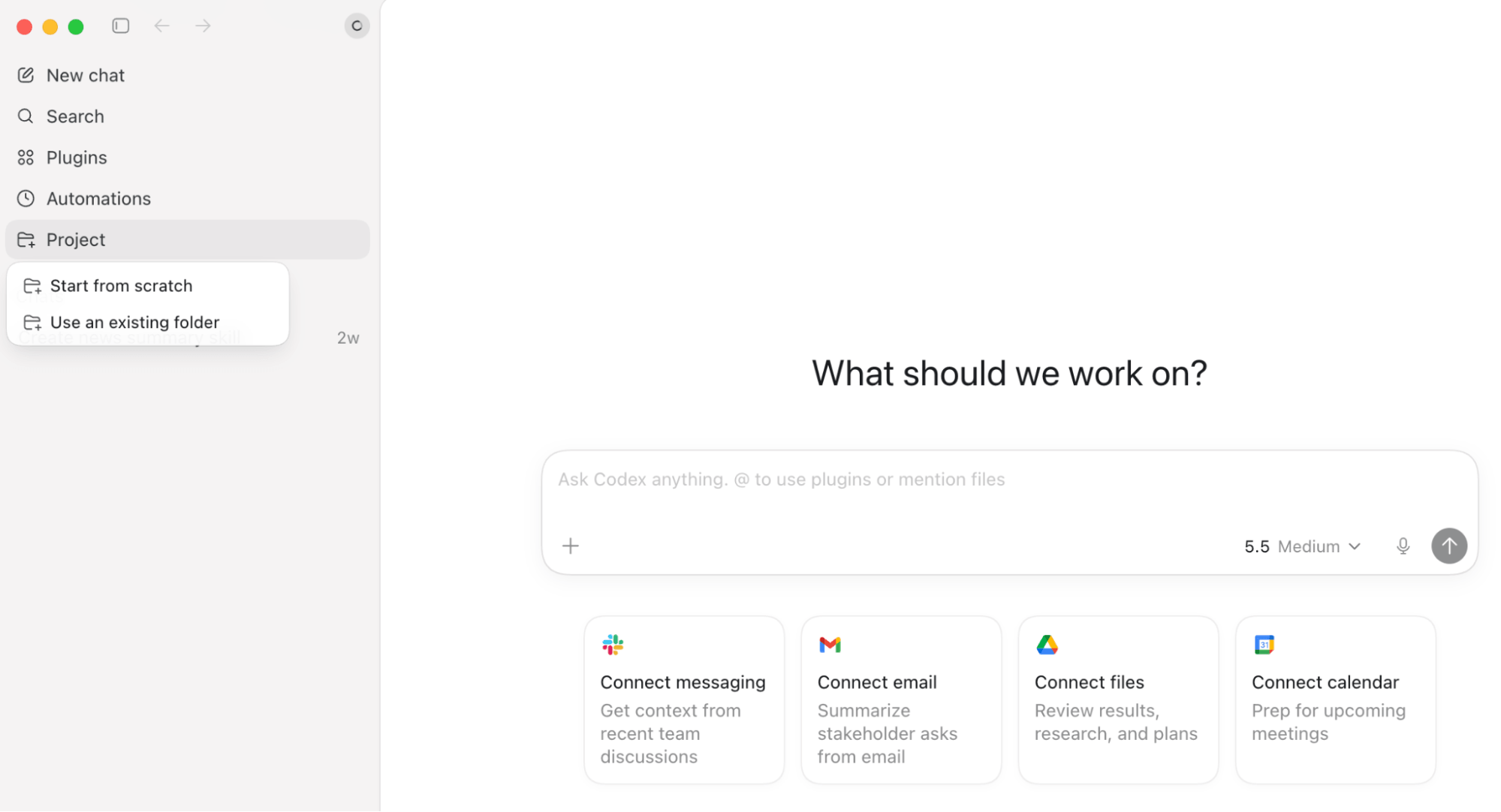
- Scoped Access: Avoid connecting Codex to a root directory or a sensitive "My Documents" folder. By creating a sandbox folder, you limit the agent’s reach to only the files necessary for its specific tasks.
- Permission Tiers: Codex offers granular permission levels. It is highly recommended to start with "Read Only" access to verify that the agent understands the file structure before granting "Write" or "Execute" permissions.
- The Prompt Injection Defense: As agents gain the ability to browse the web, they become vulnerable to "prompt injection"—hidden instructions embedded on websites designed to override the user’s intent. To mitigate this, practitioners should adopt a "Clean Separation" framework: use one agent to gather raw data and a secondary, isolated agent to verify the data’s integrity before it touches your internal files.
Executing Recurring Processes: Skills, Plugins, and Goals
The power of Codex lies in its ability to systematize repetition. This is achieved through three core pillars: Skills, Plugins, and the /goal command.
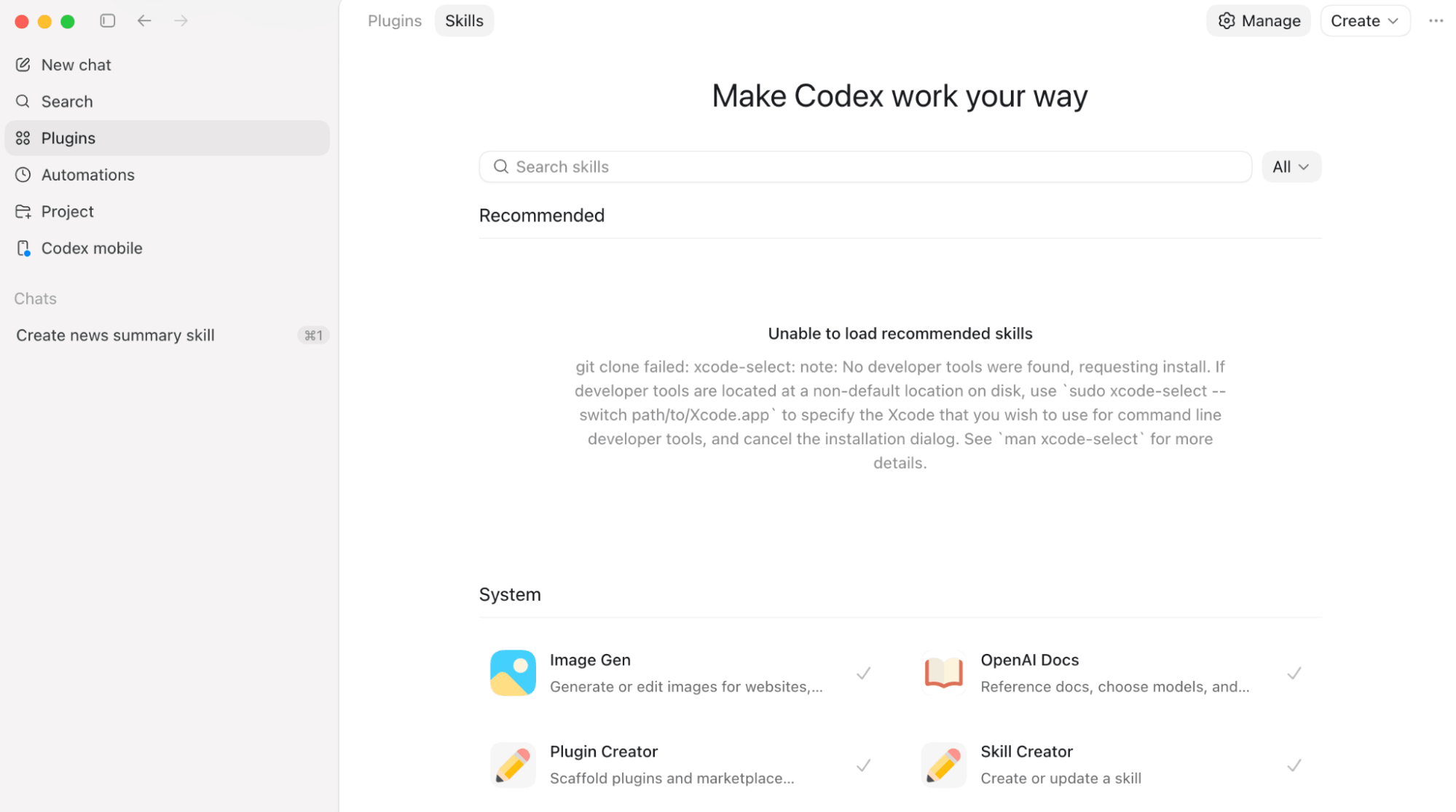
The Power of Skills
A "Skill" is essentially a codified instruction set. If your company has a specific brand voice or a complex, non-negotiable reporting format, you can teach Codex this process once and store it as a reusable Skill. Rather than relying on employees to write perfect prompts every time, they simply select the "Brand Voice Skill." This ensures 100% consistency across all generated assets, whether they are emails, whitepapers, or social media posts.
Plugins: Controlling the Uncontrollable
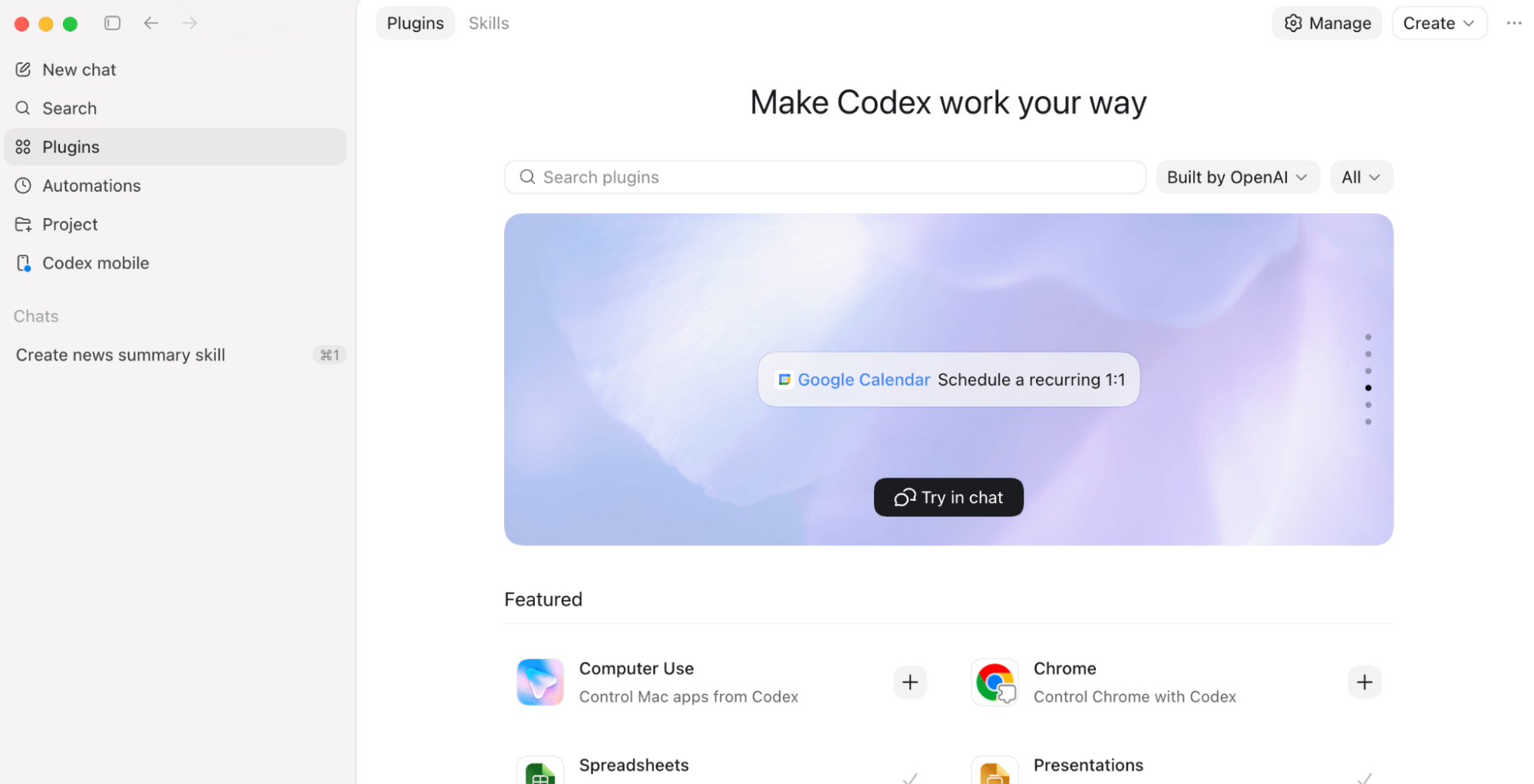
The true "killer app" within the Codex ecosystem is the Chrome Plugin. By installing the Codex browser extension, the AI gains the ability to navigate legacy software—tools that lack modern APIs. It can click buttons, fill out forms, and pull data from archaic web portals that previously required hours of manual data entry.
Furthermore, the Computer Use plugin allows Codex to control desktop applications directly. For example, a morning workflow can be fully automated: at 6:30 AM, Codex opens your Notion board, reviews the day’s agenda, and sends a summarized briefing to your iMessage.

Automations and Heartbeats: The Engine of Efficiency
For recurring business tasks, Codex utilizes two primary automation structures: Thread-based Automations and Heartbeats.
- Thread-based Automations: Best for discrete tasks like end-of-month financial reconciliation. Each execution creates a clean, separate record, allowing for easy auditing.
- Heartbeats: Ideal for ongoing, long-running processes. A Heartbeat allows Codex to remain active in a single thread, "waking up" at defined intervals to check on progress. This is invaluable for monitoring Slack mentions, tracking competitor news, or managing long-term research projects.
The /goal command acts as the master key. By typing /goal followed by a precise, multi-step instruction (e.g., "Monitor LinkedIn mentions, summarize them, and update the master lead tracker every 4 hours"), the user empowers the agent to work independently for hours, navigating through roadblocks and executing the workflow until completion.
Case Study: The Construction Workflow Revolution
To visualize the impact, consider a construction firm that previously spent three full days every month manually reconciling vendor invoices.
The Old Workflow: Manual download of invoices, manual entry into a spreadsheet, and manual error checking.
The Codex Workflow:
- Invoices are dropped into vendor-specific folders.
- A Sunday night automation spawns five subagents—one for each vendor folder.
- These agents run in parallel, applying a custom reconciliation skill to check for duplicates and discrepancies.
- By Monday morning, the master summary is waiting in the company’s SharePoint, with individual reports filed away.
The time investment for the human staff? Zero. The execution time for the agent? 15 minutes.
A second use case involved field logs. By deploying a three-subagent sequence, the firm automated the navigation of a slow, legacy project management system. The agent performs seven manual clicks, exports the data, calculates the required formulas, and updates the reference sheet. What was once an 8-minute-per-log task is now an unattended, overnight process that happens at scale.
Implications for the Modern Business
The implications of Codex are profound. We are moving toward a "Headless Business" model, where the human role shifts from doing to directing.
1. The Death of the "Busy Work" Economy
Organizations that embrace Codex will find that their human talent is no longer bogged down by "data plumbing." When the manual labor of data entry, file management, and system navigation is offloaded to agents, employees are free to focus on high-level strategy, client relations, and creative problem-solving.

2. The Rise of the "AI-Native" Enterprise
Companies that use AI merely to draft emails are missing the point. The competitive advantage in the next decade will belong to businesses that treat their tech stack as an API-accessible ecosystem that can be "programmed" via natural language.
3. Structural Shifts in Operations
The ability to build "subagents" that work in parallel means that a small team of three can now perform the administrative output of a department of thirty. This allows for unprecedented agility and lower operational overhead.
Conclusion: A New Frontier
OpenAI’s Codex is not just a tool; it is a fundamental shift in how business is conducted. By lowering the barrier to automation to the level of natural language, OpenAI has democratized the ability to build complex, autonomous workflows.
However, this power comes with the responsibility of governance. As we integrate these agents into our critical infrastructure, security, permission management, and the "human-in-the-loop" verification process must remain the bedrock of our strategy.
The future of business is not about "using" AI; it is about "orchestrating" AI. As these agents become more sophisticated, the firms that will lead their respective markets are those that learn to speak the language of automation, turning their business goals into reality through the silent, tireless work of digital agents. The transition may feel like a leap, but with the right foundational setup, the path to an autonomous, high-efficiency business is clearer than ever.