In the high-stakes world of Software-as-a-Service (SaaS), the end of a fiscal quarter is often characterized by a flurry of activity. For sales teams under immense pressure to meet aggressive growth targets, the final days of the quarter can bring out the best in persistence—or the absolute worst in professional conduct.
Recently, a troubling trend has emerged among some of the industry’s most recognizable B2B brands: the shift from value-based selling to aggressive, ultimatum-driven coercion. This article explores a case study of such behavior, where a leading SaaS provider attempted to strong-arm a long-term, loyal customer into a predatory contract, ultimately backfiring in a way that serves as a cautionary tale for the entire sector.
The Anatomy of an Ultimatum: Main Facts
The incident in question involved a long-standing customer who had been happily paying for a monthly subscription for over eight years. Without any prior request for an upgrade or service expansion, the customer received four threatening emails in less than two hours.
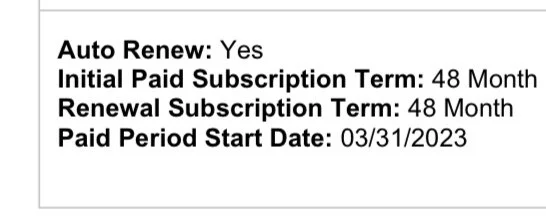
The vendor, a prominent public B2B SaaS company, demanded that the client transition from their flexible monthly plan to a rigid, 48-month binding contract. The terms were staggering: the vendor insisted the customer pay for 46 seats, despite the team size being only nine people. Furthermore, the vendor coupled this demand with a significant price hike, effectively doubling the customer’s monthly expenditure. The ultimatum was clear: agree to these terms, or face the immediate termination of the service.
This incident highlights a dangerous departure from standard B2B relationship management. Rather than fostering growth through product utility and customer success, the vendor opted for a "scorched earth" approach to revenue recognition, effectively weaponizing their existing service agreement to extract short-term capital.
A Chronology of Coercion
The sequence of events serves as a masterclass in how not to treat a customer.
- The Calm Before the Storm: For nearly a decade, the client maintained a seamless, friction-free relationship with the SaaS provider. Payments were handled automatically via credit card, and the client was satisfied with the service provided. There were no outstanding support tickets, no disputes, and no requests for service changes.
- The Quarter-End Pressure Cooker: As the final days of the quarter approached, the vendor’s internal metrics likely indicated a shortfall in revenue. Growth rates at the company had slowed, and churn metrics were climbing—a reality that often leads to panic within sales leadership.
- The Two-Hour Barrage: Over a span of less than 120 minutes, the customer received four increasingly urgent emails. The messaging was blunt and lacked the consultative tone usually associated with enterprise software renewals. It was a classic "take it or leave it" trap.
- The Immediate Rejection: The customer, faced with an absurd demand for 46 seats—a figure representing more than five times their actual staff count—refused to buckle. Instead of succumbing to the pressure, the client chose to downgrade their existing service, effectively cutting their spend and souring their sentiment toward the vendor permanently.
Behind the Curtain: The Drivers of Bad Behavior
To understand why a leading company would risk alienating a loyal customer, one must look at the incentives driving sales teams in 2023 and beyond. When a public company misses its quarterly projections, the pressure to "bridge the gap" becomes all-consuming.
The Myth of the "One-Time Fix"
The logic behind these tactics is typically driven by a desperate need to stabilize ARR (Annual Recurring Revenue) and reduce churn metrics. By forcing a client into a 48-month contract, the vendor aims to lock in revenue for four years, effectively "shoring up" their balance sheet against future cancellations.
If a company can convince even 10% of its existing user base to sign such an agreement, the immediate impact on the quarterly report can be significant. However, this is a "band-aid" solution. It addresses the symptom—a lack of revenue—while ignoring the disease: the company’s inability to provide enough value to justify its current pricing or to keep customers happy enough to stay voluntarily.
The Incentive Alignment Problem
In many cases, these tactics are not the work of rogue individual contributors. They are the result of management-approved "quarter-end plays." When sales leadership creates a culture where the how matters less than the number, employees will naturally gravitate toward the path of least resistance. If a sales rep sees that they are going to miss their quota and receives signals from leadership that "any revenue is good revenue," they will inevitably resort to coercion.
Implications: The Long-Term Cost of Short-Term Gains
The immediate result of the vendor’s ultimatum was a net loss. The customer did not upgrade; they downgraded. A once-happy customer was transformed into an "angry ex-customer," a status that carries significant risks for the vendor’s reputation.
The Erosion of Trust and Brand Equity
Trust takes years to build and seconds to destroy. By using threats, the vendor effectively broke the implicit contract of a B2B partnership. The client is now actively looking for alternatives, and the word-of-mouth damage—amplified by industry publications—is likely to cost the vendor far more in future acquisition costs than the revenue they hoped to gain from the 48-month contract.
The "What Next?" Paradox
The most damning aspect of this strategy is its lack of sustainability. If a company forces a 48-month contract on a customer through threats, what happens when the next quarter arrives? Do they raise prices again? Do they double the seat requirement to 90?
These tactics cannot be repeated. Once a company has exhausted its "goodwill" capital, it has no remaining leverage. It is a one-way trip toward irrelevance, as competitors who focus on actual customer success will inevitably capture the market share left behind by the aggressive, short-sighted incumbents.
Lessons for Leadership: How to Navigate Stressful Times
For CEOs and executive leadership, this scenario serves as a stark warning. If your organization is resorting to these tactics, you are not just failing your customers—you are failing your shareholders.
- Monitor Your Sales Culture: As a leader, you must be aware of the "last resort" plays your team is executing. If your reps feel they have no option but to threaten customers to make the quarter, your strategy is broken.
- Prioritize Net Promoter Score (NPS): Short-term revenue spikes that come at the expense of NPS are ultimately destructive. If your growth is slowing, the solution is to increase product utility or find new markets, not to extract rent from your existing, loyal base.
- Transparency is Key: If you must raise prices or change terms, do so through honest, value-based communication. Customers are often willing to pay more for a product that is evolving and providing them with greater ROI. They are never willing to pay more because they were cornered.
Conclusion
The incident described is not an isolated event; it is a symptom of a broader malaise in the SaaS industry. As growth rates normalize and the "easy money" era of the past decade fades, companies are being forced to prove their worth.
The vendor in this case chose the path of least resistance, attempting to bully a small team into a long-term commitment they didn’t need. The result? A lost opportunity, a damaged reputation, and a reminder that in business, as in life, integrity is the only long-term strategy that works. When the dust settles on the quarter, the companies that thrive will be those that viewed their customers as partners, not as targets for the next round of quarterly desperation.