In the digital landscape, the arrival of a major shopping holiday—Black Friday, Valentine’s Day, or the mid-summer sales surge—often triggers a Pavlovian response in marketing departments: hit the "send" button on a series of aggressive, discount-heavy blasts. For the average consumer, the result is a cluttered inbox, "unsubscribe" fatigue, and a growing cynicism toward brand communication.
However, a new paradigm is emerging among successful founders and digital marketers. The goal is no longer to be the loudest voice in the room, but the most relevant. By shifting from a transactional "sales-first" mentality to a relationship-centric approach, businesses are discovering that they can drive significant revenue without compromising their brand integrity.
The Anatomy of Inbox Overload: Why Traditional Tactics Fail
We have all experienced the "Black Friday War Zone." The inbox becomes a battlefield of hyperbole: “50% OFF EVERYTHING!”, “LAST CHANCE!”, “DON’T MISS OUT!”. When every brand adopts the same frantic tone, the individual value proposition is lost in a cacophony of white noise.
Data shows that consumers are increasingly desensitized to these tactics. When a brand communicates only during peak shopping windows—and only to demand a purchase—the customer relationship becomes purely parasitic. To reverse this, businesses must pivot toward "smarter selling," a strategy that integrates seasonal campaigns into a broader, ongoing narrative of value.
Chronology of a Successful Seasonal Strategy
The most common mistake founders make is treating seasonal email marketing as a reactive, last-minute endeavor. If you are drafting your Valentine’s Day campaign on February 13th, you are not marketing; you are panicking.
1. The Pre-Season Foundation (Months Out)
Successful seasonal strategy begins weeks, if not months, in advance. This involves mapping out a content calendar that identifies key cultural and industry-specific milestones. The objective here is to balance promotional "asks" with educational or entertaining "gives."
2. The Relationship-Building Phase (Weeks Out)
Before the sales event arrives, the brand must ensure its audience is primed and engaged. A proven heuristic is the "two-to-one" rule: for every promotional email sent, aim to send at least two that offer genuine value—tutorials, behind-the-scenes stories, or industry insights. By the time the sales email lands, the reader has already established a pattern of positive interaction with the brand.
3. The Execution Phase (The Event)
When the campaign goes live, the transition from engagement to conversion should feel like a natural progression. The "give-and-take" approach ensures that the audience feels they are participating in an opportunity rather than being coerced into a transaction.
The Power of Narrative: Leading with Story
Research consistently demonstrates the superiority of storytelling over static statistics. According to marketing analytics, audiences retain approximately 63% of information presented through a narrative framework, compared to a mere 5% retention rate for standalone data points.
Founders often lead with the discount, assuming that price is the primary driver of behavior. In reality, price is merely a component of the value proposition. By leading with a story—explaining the inspiration behind a product line or sharing the challenges faced during development—the brand builds an emotional bridge. When the discount is introduced, it acts as the "cherry on top" rather than the entirety of the offer. This shift transforms the email from a cold pitch into an invitation to participate in the brand’s journey.
Strategic Segmentation: The End of "Dear Valued Customer"
The practice of sending a monolithic message to an entire database is arguably the fastest way to trigger an unsubscribe. Modern email marketing necessitates granular segmentation.
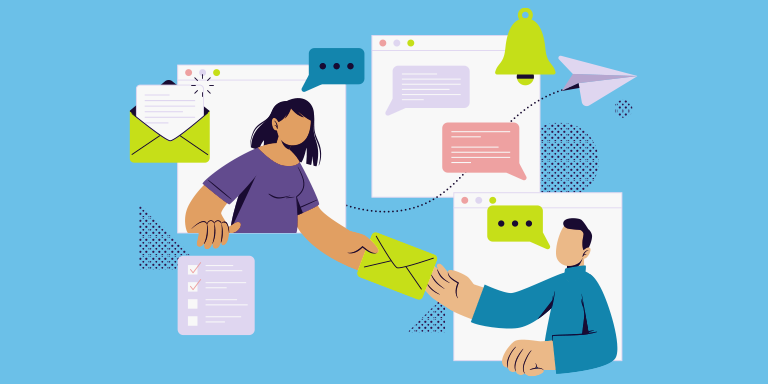
- The Newcomer vs. The Loyalist: A subscriber who has just joined your list needs a brand introduction, while a repeat customer expects recognition for their loyalty. Providing exclusive early access to the latter group fosters a sense of belonging that generic, blast-style emails cannot replicate.
- Behavioral Targeting: By leveraging purchase history and browsing behavior, marketers can create highly relevant content. If a customer has consistently engaged with a specific category, their seasonal offer should reflect those preferences.
The barrier to entry for this level of sophistication has lowered significantly. Platforms like Omnisend offer intuitive, automated tools that allow even solo founders to segment their lists effectively, moving away from the impersonal "Dear Valued Customer" template toward tailored, individual communication.
Creating Authentic Urgency
Urgency is a psychological trigger that works, but there is a profound difference between manufactured panic and genuine anticipation.
The "used car salesman" approach—characterized by incessant, high-pressure, all-caps subject lines—often backfires by creating anxiety. Conversely, authentic urgency is built through transparency and exclusivity.
- Early Access: Granting your most engaged subscribers a head start on a sale rewards their loyalty and creates a sense of exclusivity.
- Limited Availability: When a product is legitimately in short supply or available only for a specific window, the urgency is organic.
A notable success story is Lily, the founder of Luu Lounge, who utilized a strategy of building anticipation via email and SMS before a product drop. By the time the link was live, the demand had already been cultivated. Her customers were not being "sold" to; they were waiting in line, eager for the release.
Implications for the Modern Business
The shift toward relationship-driven marketing has significant implications for business growth. In an era where customer acquisition costs are rising, retention and lifetime value are the true drivers of profitability.
1. Reducing Churn
By treating subscribers as individuals rather than leads, brands reduce the likelihood of high unsubscribe rates during peak seasons. A customer who feels respected is more likely to remain on the list long after the sale concludes.
2. Enhancing Brand Equity
Brands that prioritize storytelling and value-add content over aggressive discounting differentiate themselves in a crowded marketplace. This creates a "moat" that competitors relying on aggressive price-slashing cannot easily cross.
3. Leveraging Automation
The myth that personalized marketing requires an army of staff has been debunked. With modern automation, the "heavy lifting" of segmented campaigns can be handled by software, allowing founders to focus on high-level strategy and product development.
Conclusion: The Human Element
Seasonal emails should not feel like shouting into a crowded room; they should feel like a well-timed conversation. The founders who win in the long term are those who recognize that beneath every open rate and click-through rate is a human being.
By planning ahead, leading with stories, segmenting for relevance, and creating authentic, rather than manufactured, urgency, businesses can turn the most competitive shopping periods of the year into their most profitable and relationship-building moments. As the digital ecosystem continues to evolve, the brands that thrive will be those that continue to treat their customers as people, not transactions.
For those looking to refine their email strategy, the tools are available to make this transition seamless. Whether you are a solo entrepreneur or a growing team, the goal remains the same: provide value, tell your story, and trust that the revenue will follow.