In the modern digital landscape, the rules of search engine optimization (SEO) have undergone a seismic shift. For years, conventional wisdom dictated that a strong brand, high-quality content, and a healthy dose of editorial press were the holy trinity of online success. If your kitchenware company was featured in Vogue, the New York Times, Bon Appétit, and The Kitchn, you were, by all traditional metrics, a powerhouse.

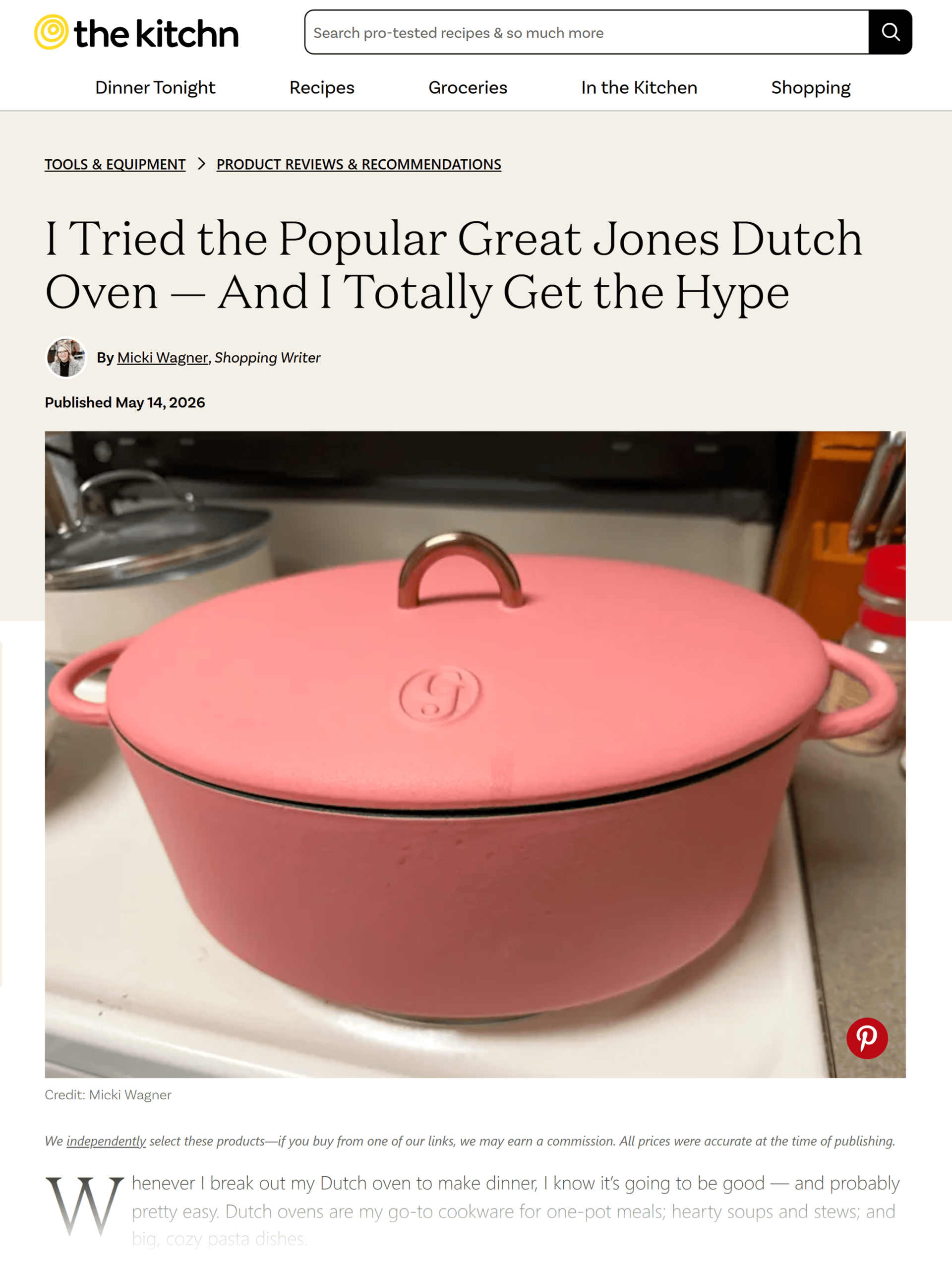
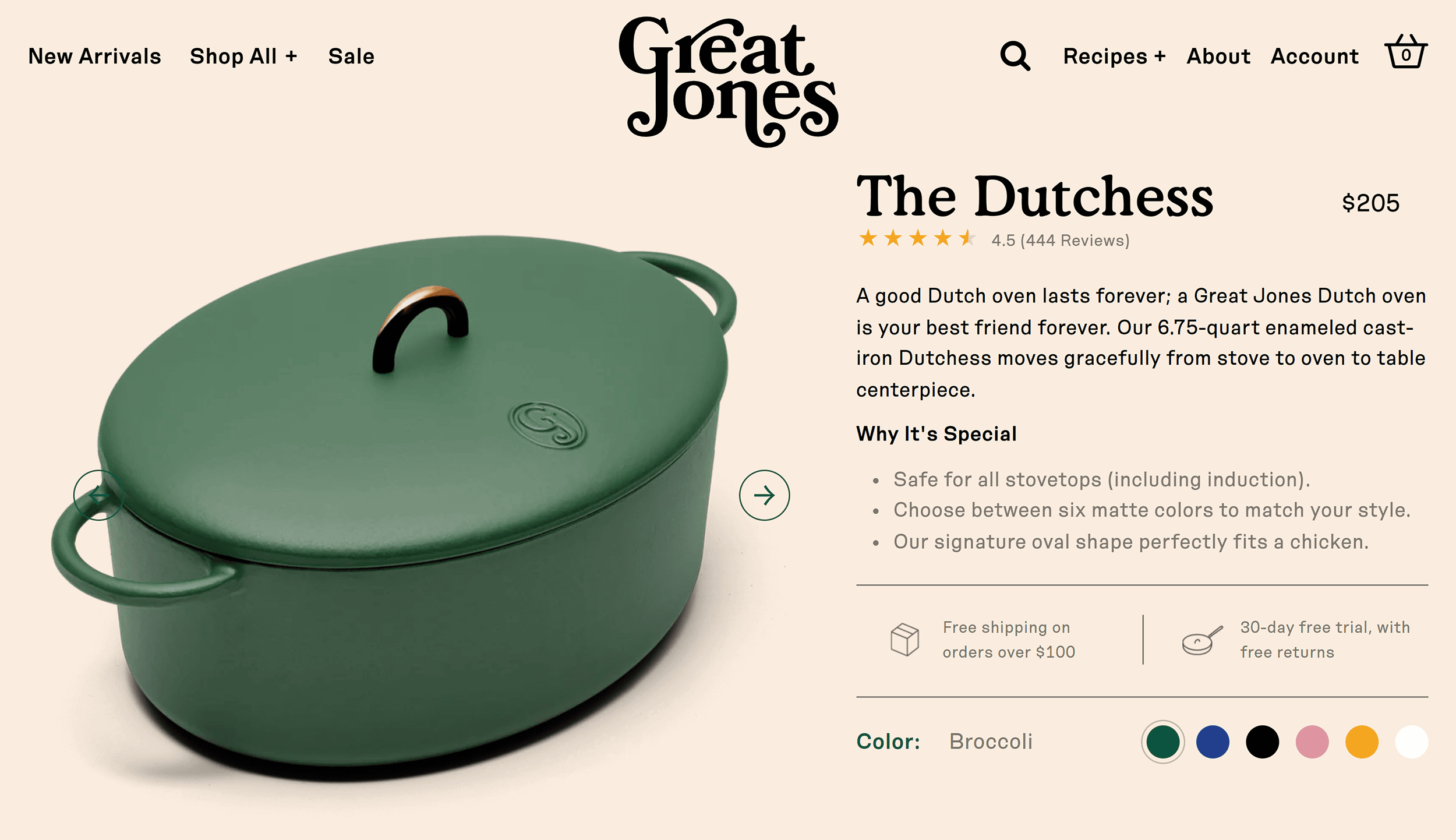
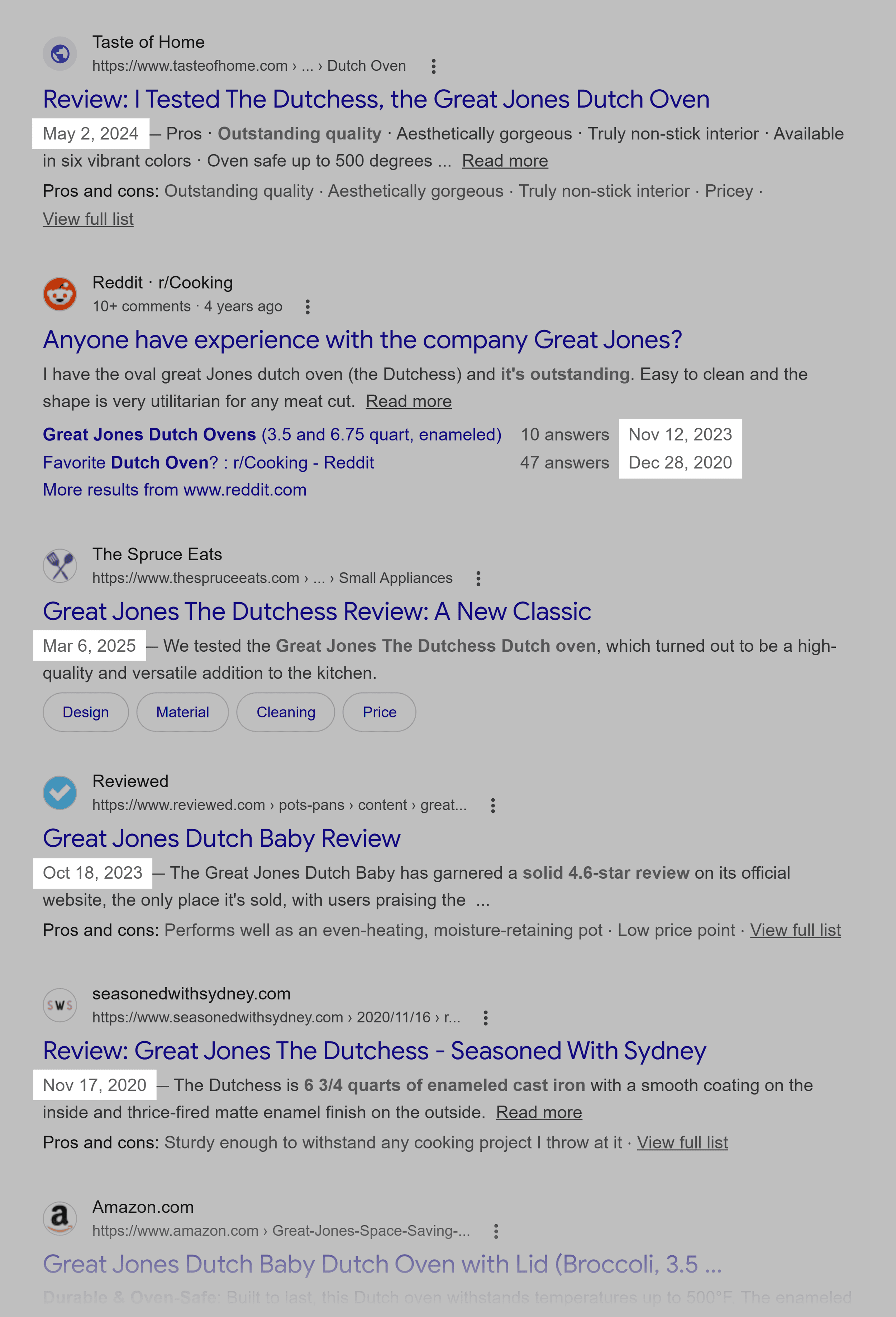
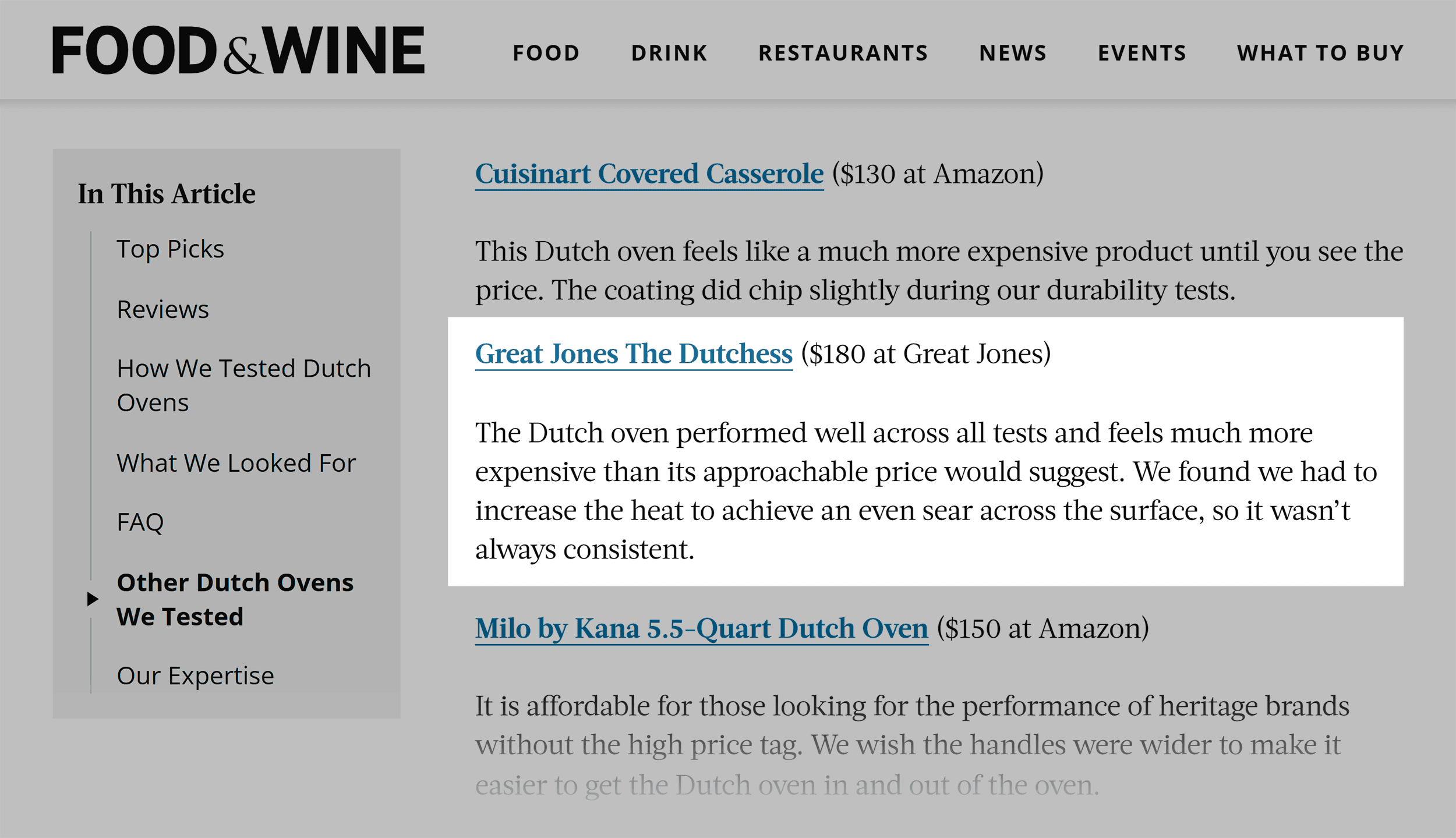
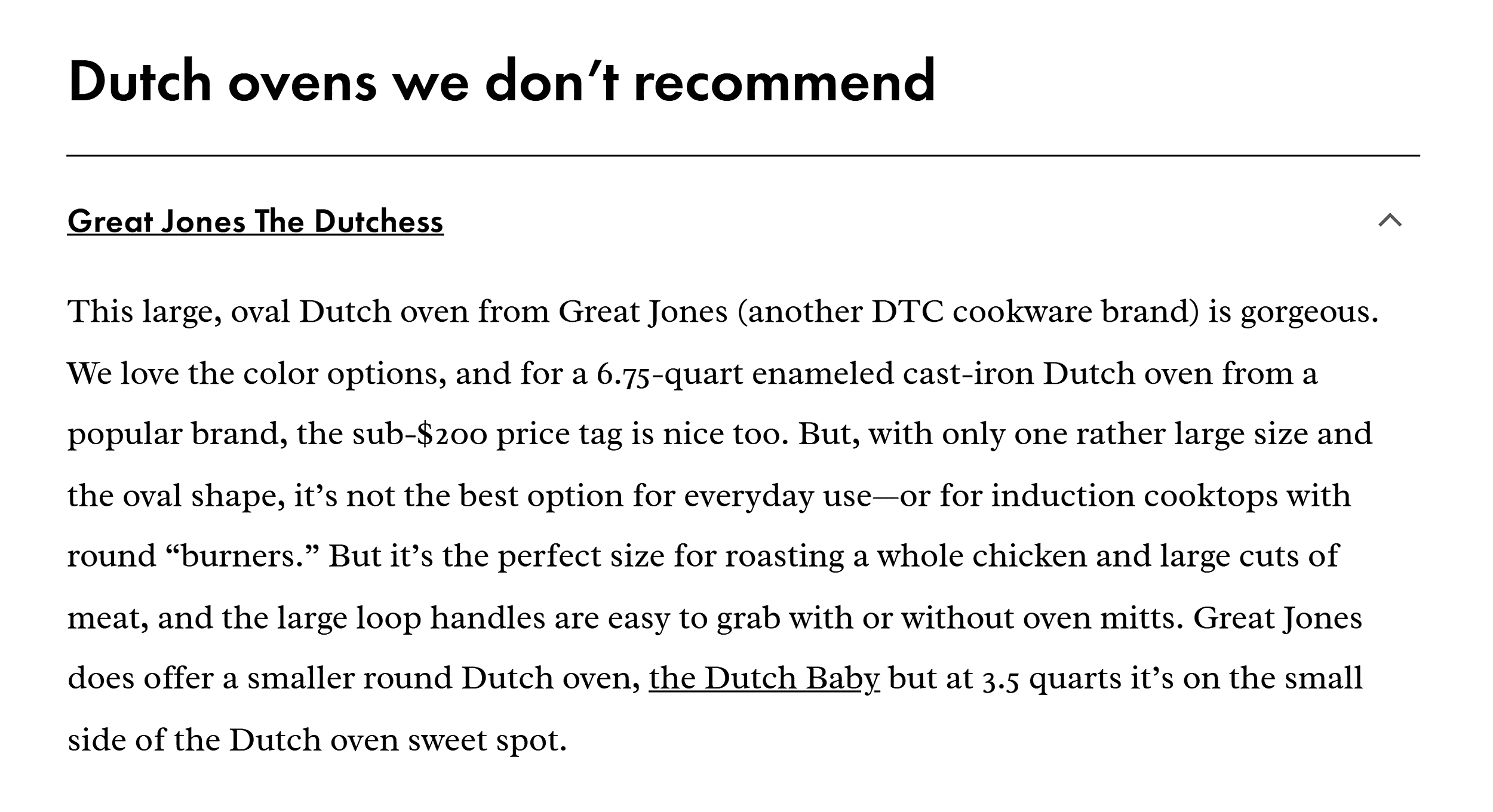
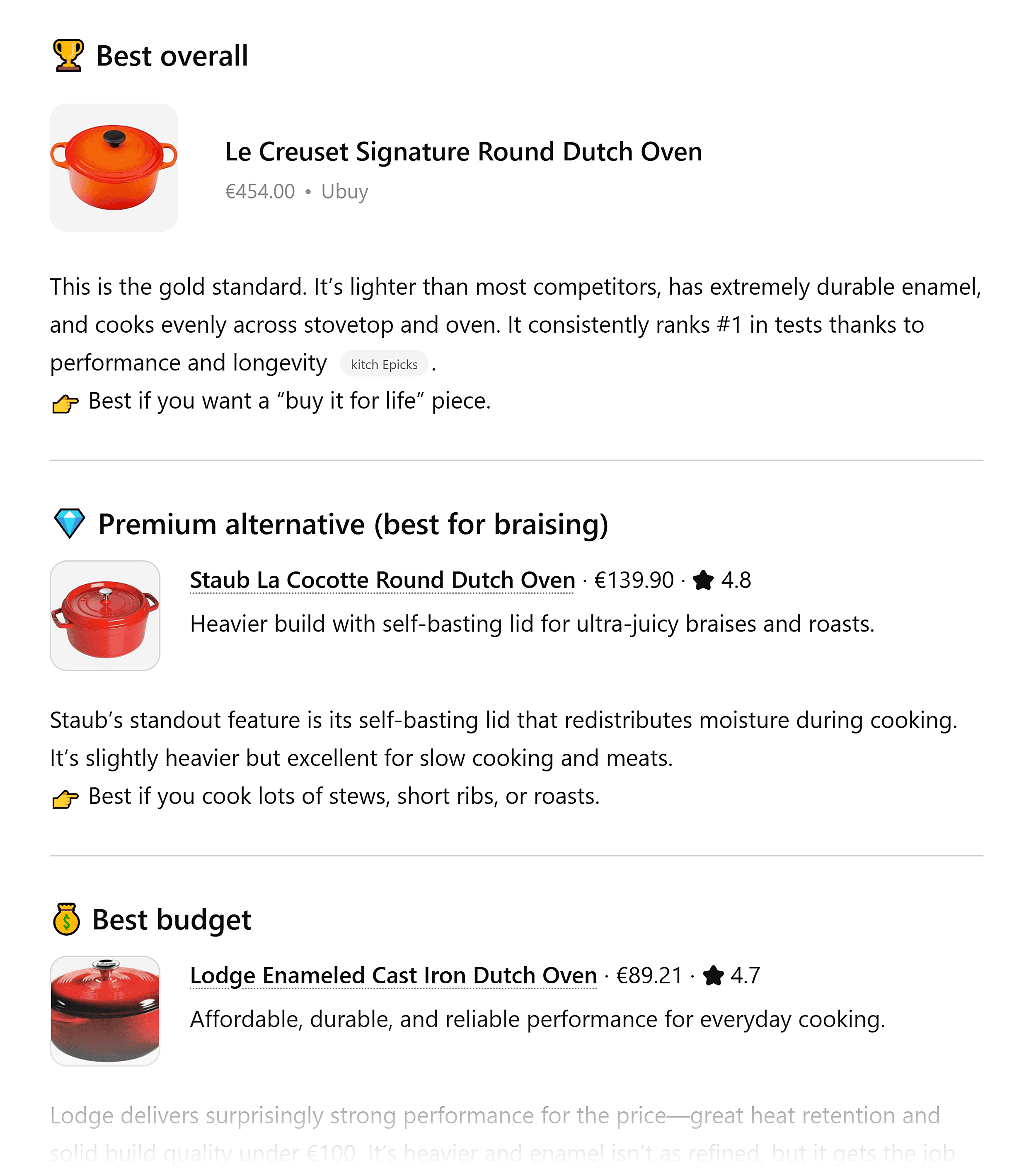
But look at Great Jones. By every traditional standard, they have "made it." Their Dutch oven—the iconic Dutchess—is widely considered a design triumph, praised for its aesthetics and performance in the world’s most prestigious culinary publications. Yet, when a consumer performs a Google search for "best Dutch ovens" or asks a Large Language Model (LLM) like ChatGPT for a recommendation, the brand is frequently bypassed.
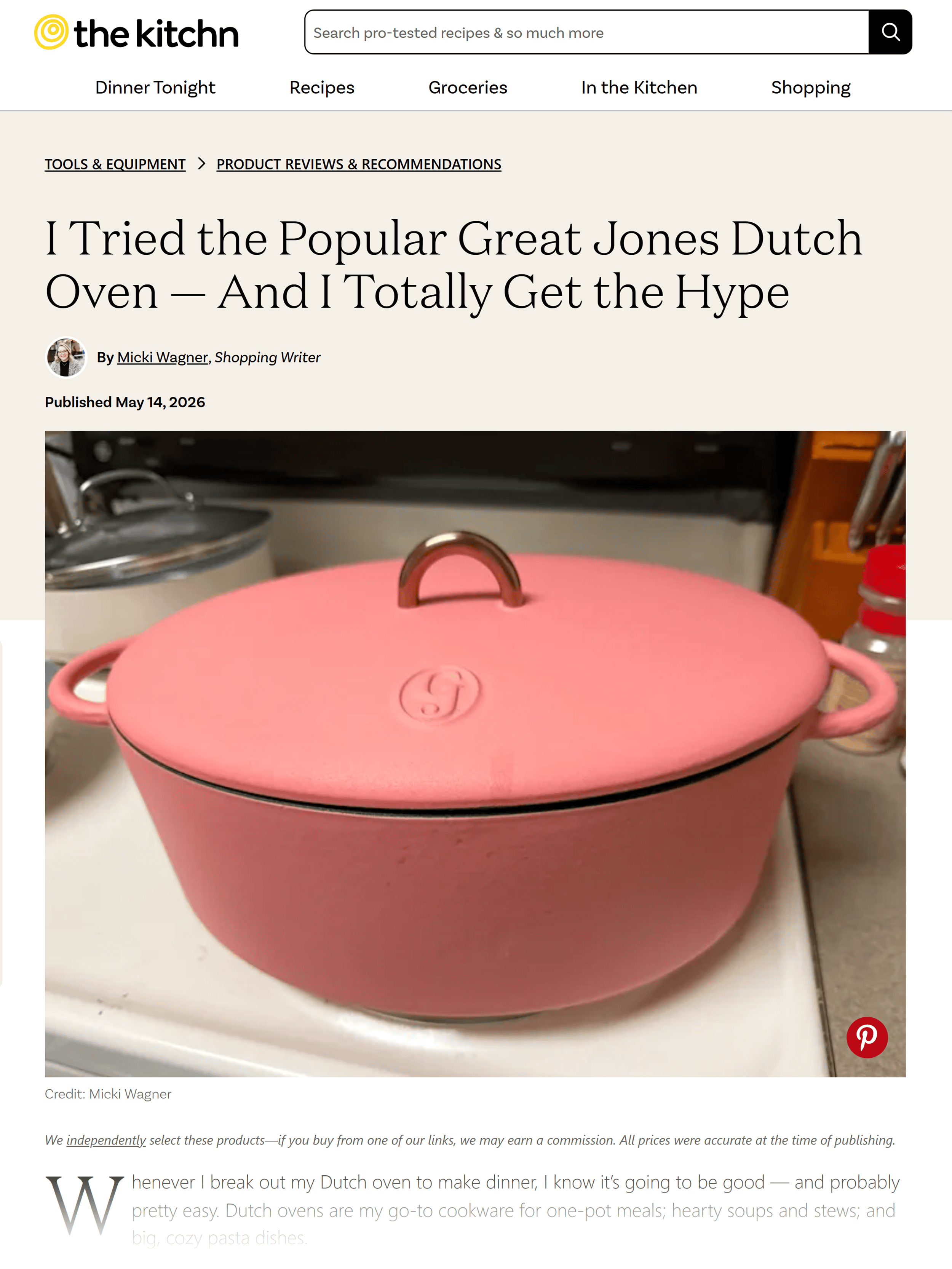
This is the "Visibility Paradox": You can be a household name in your niche while remaining a ghost in the algorithmic eyes of search engines and AI discovery tools. Great Jones is not suffering from a lack of content or a lack of press; they are suffering from a lack of Topical Authority.
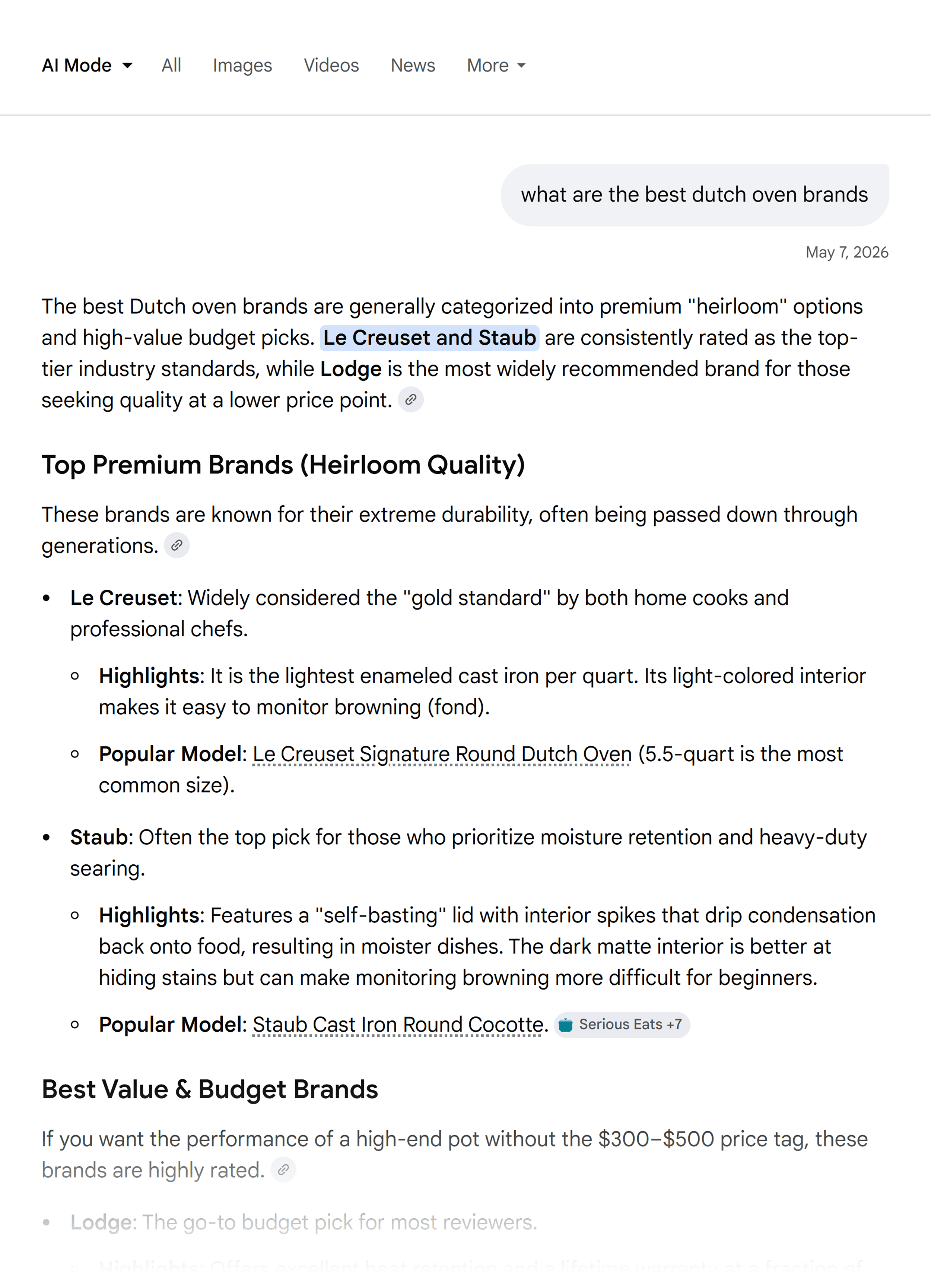
The Anatomy of the Authority Gap
Topical authority is no longer just about having the most pages on your site; it is about the "pattern"—a consistent, positive, and undeniable framing that ties a brand to a specific subject across both internal and external digital ecosystems.
Search engines and LLMs are fundamentally pattern-recognition machines. If they cannot identify a consistent, reinforced connection between "Great Jones" and "Dutch ovens," they do not "know" to recommend the product. Without this signal, AI systems default to brands that have successfully built a stronger, more consistent signal.
This isn’t just a hurdle for kitchenware; it is a systemic gap for thousands of brands across SaaS, finance, and e-commerce. Fortunately, the solution lies in a structural framework: the Topical Authority Pyramid.
The Topical Authority Pyramid: A New Framework
The traditional definition of topical authority—defined primarily by the breadth of content coverage—is now obsolete. In an era dominated by AI-driven search, coverage is the baseline, not the finish line.
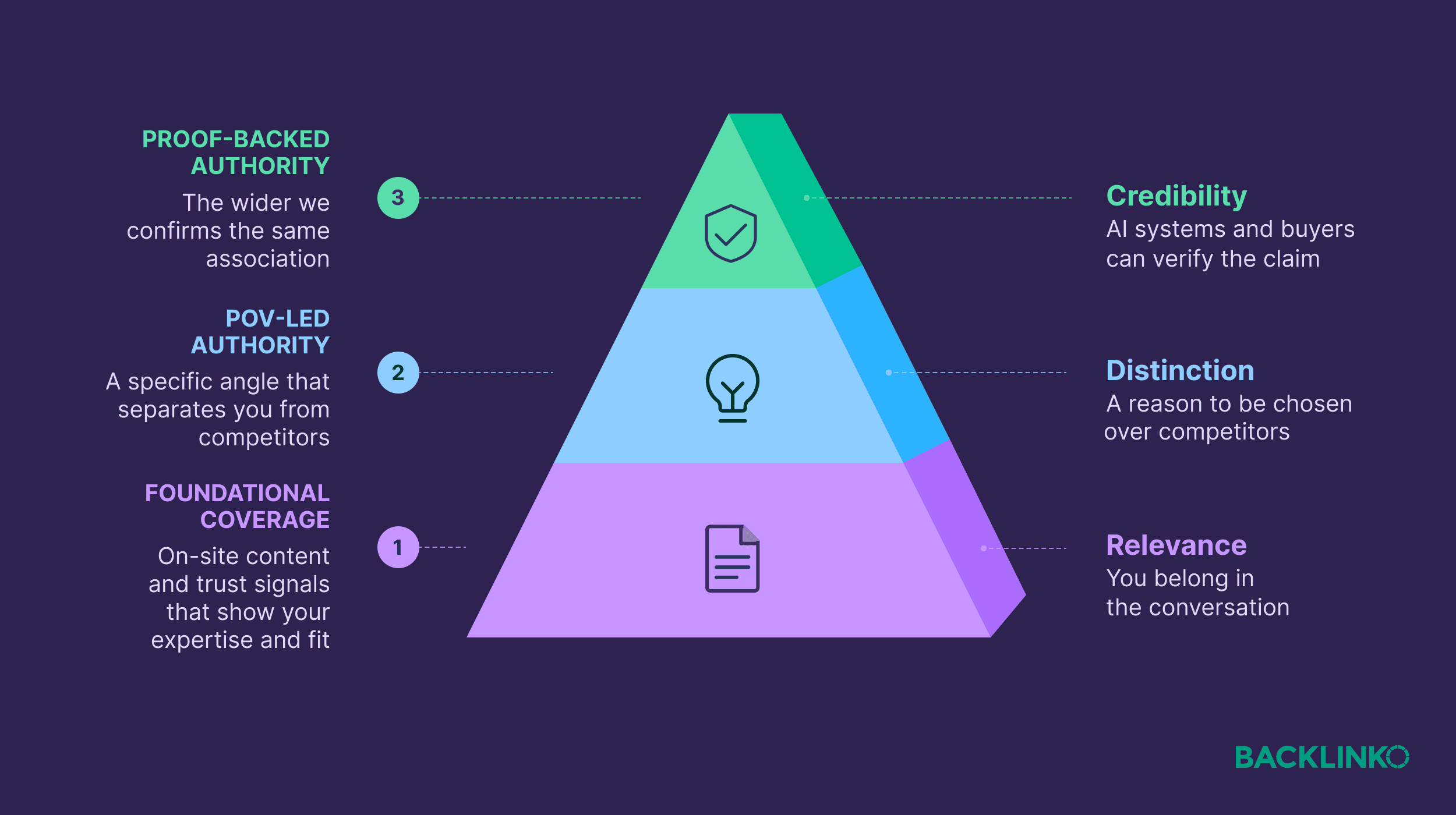
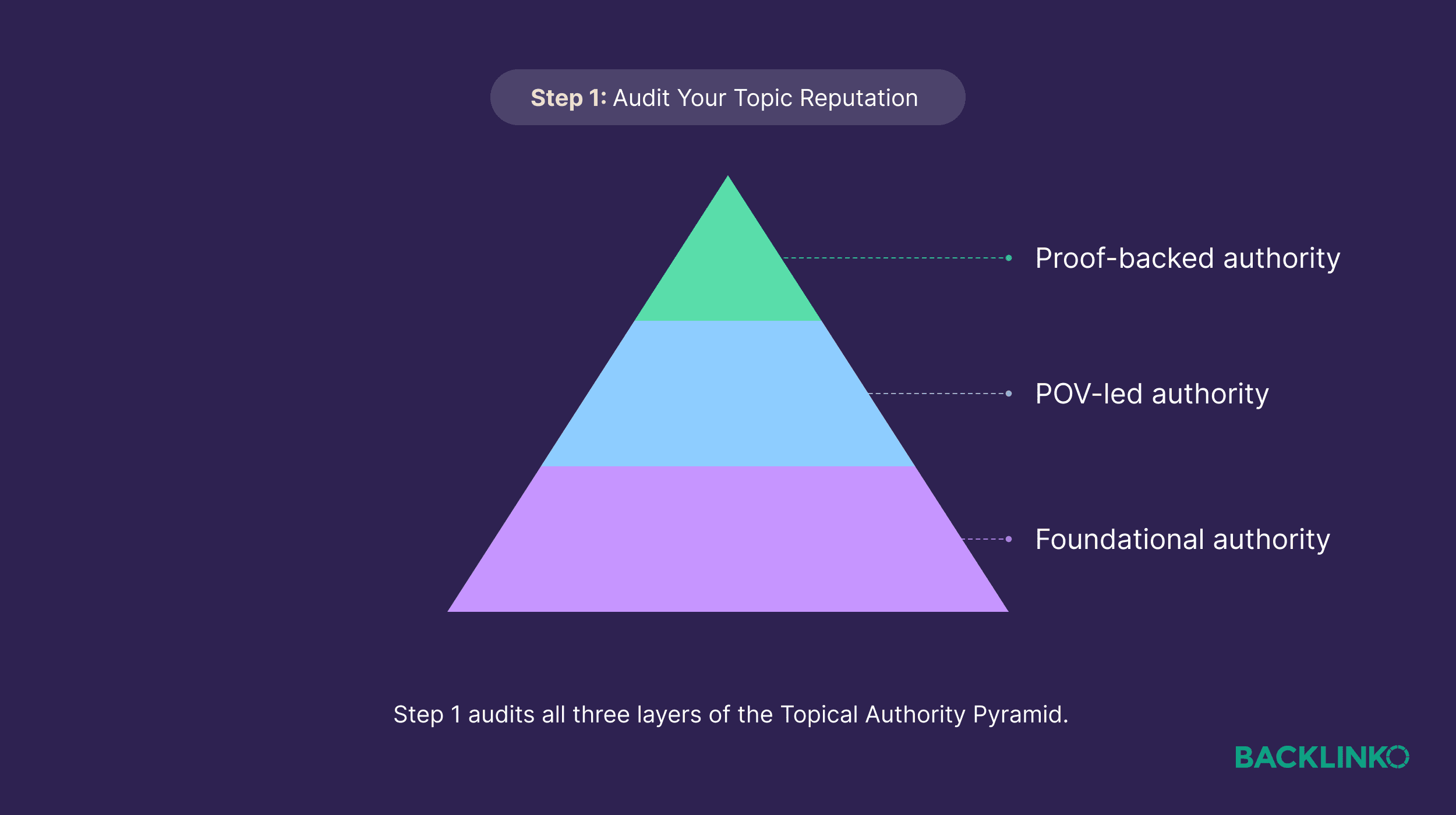
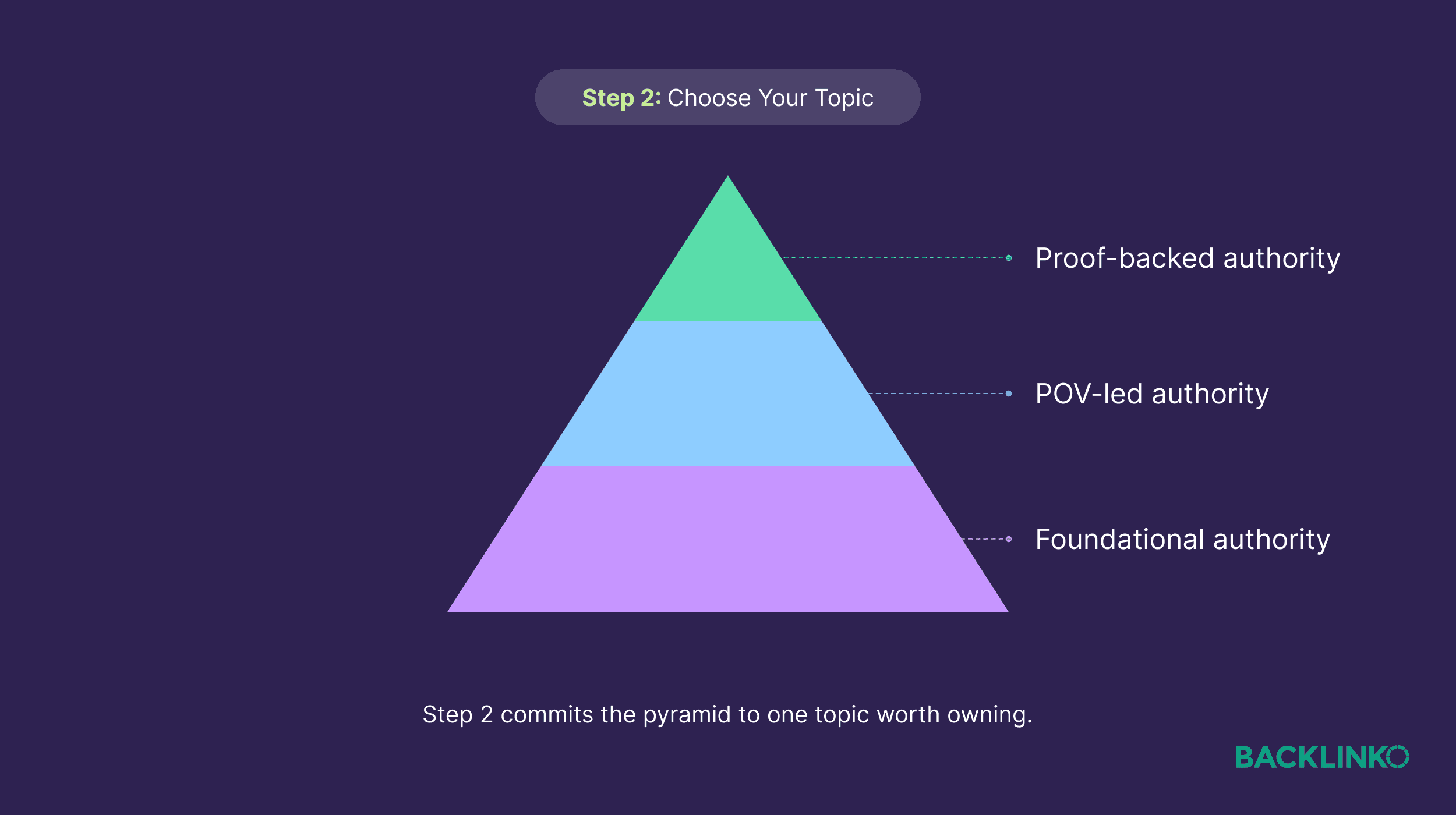
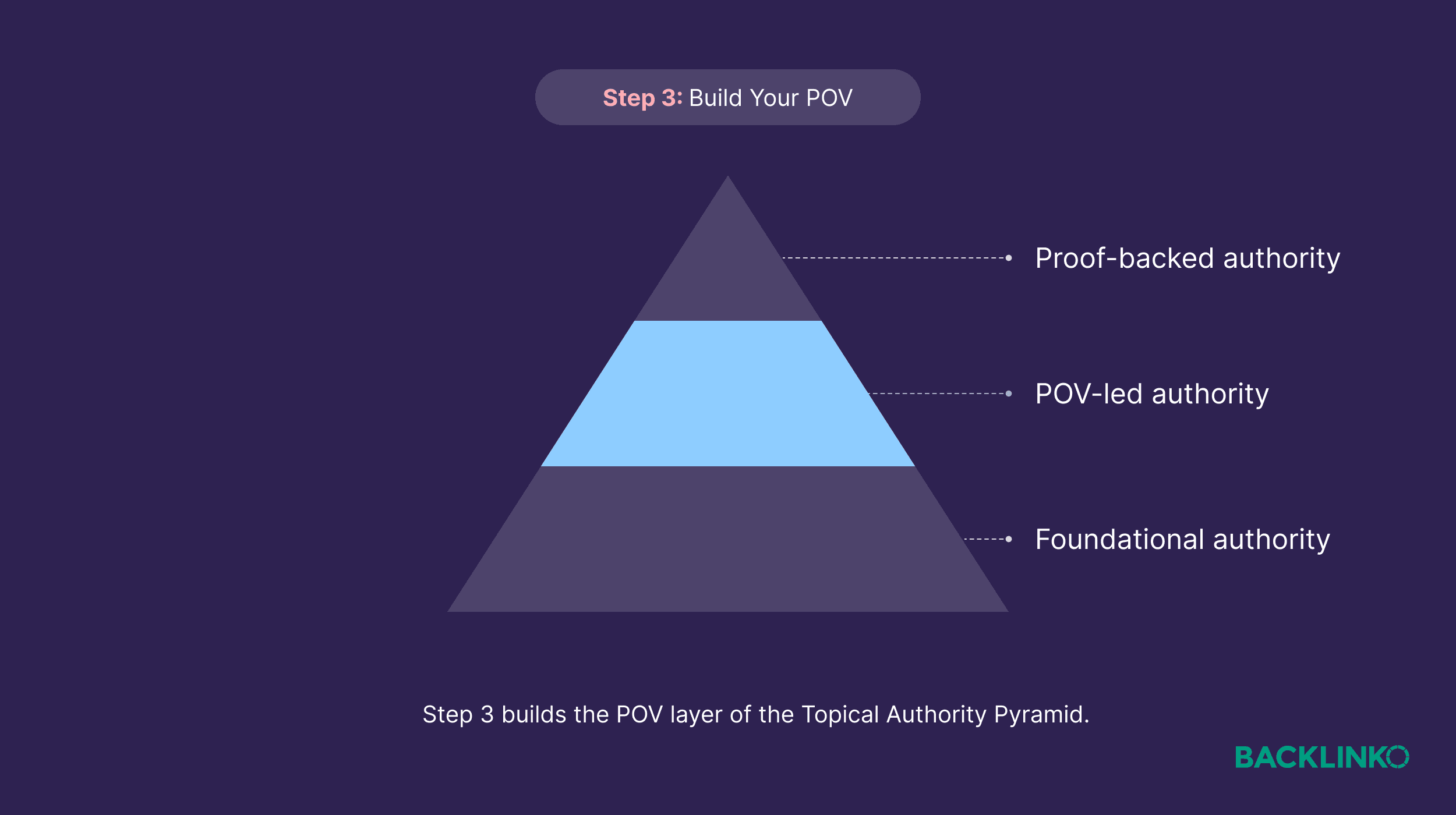
To bridge the gap between brand awareness and algorithmic authority, I developed the Topical Authority Pyramid, a framework designed to synthesize internal strategy with external validation. This model, refined through collaborations with growth experts like Amanda Milligan of Semrush, breaks authority into three distinct, actionable layers:
- Foundational Authority: Your on-site architecture, which serves as the "source of truth" for search engines.
- Point of View (POV): The specific, defensible angle you take on your niche that distinguishes you from competitors.
- Proof Systems: The external, third-party validation that confirms your expertise to the algorithms.
By aligning these three layers, a brand transforms from a "known entity" into the "go-to authority."
Step 1: Auditing Your Topical Reputation
Before you can build, you must assess. Your brand already has a reputation, whether you’ve cultivated it or not.
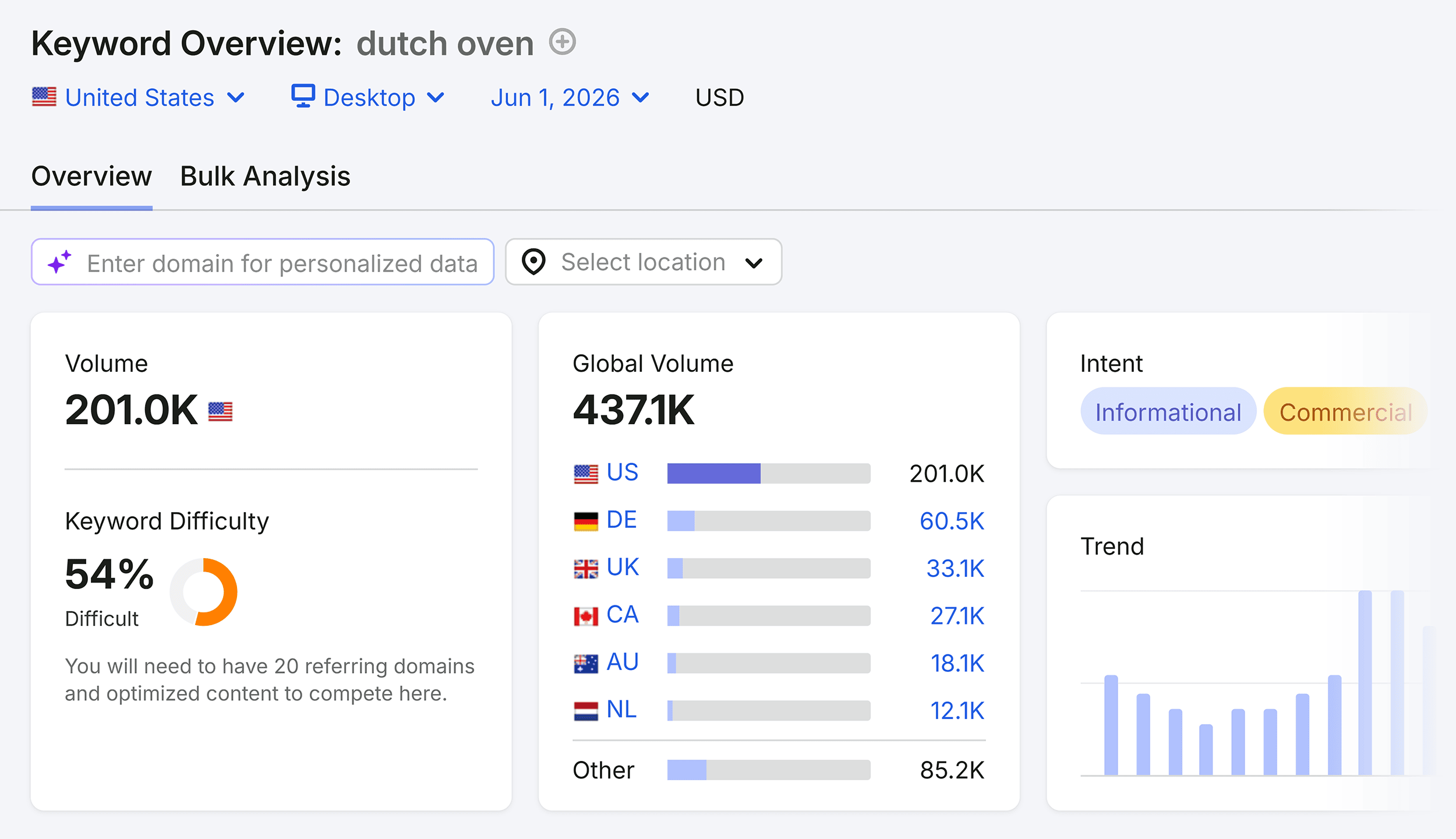
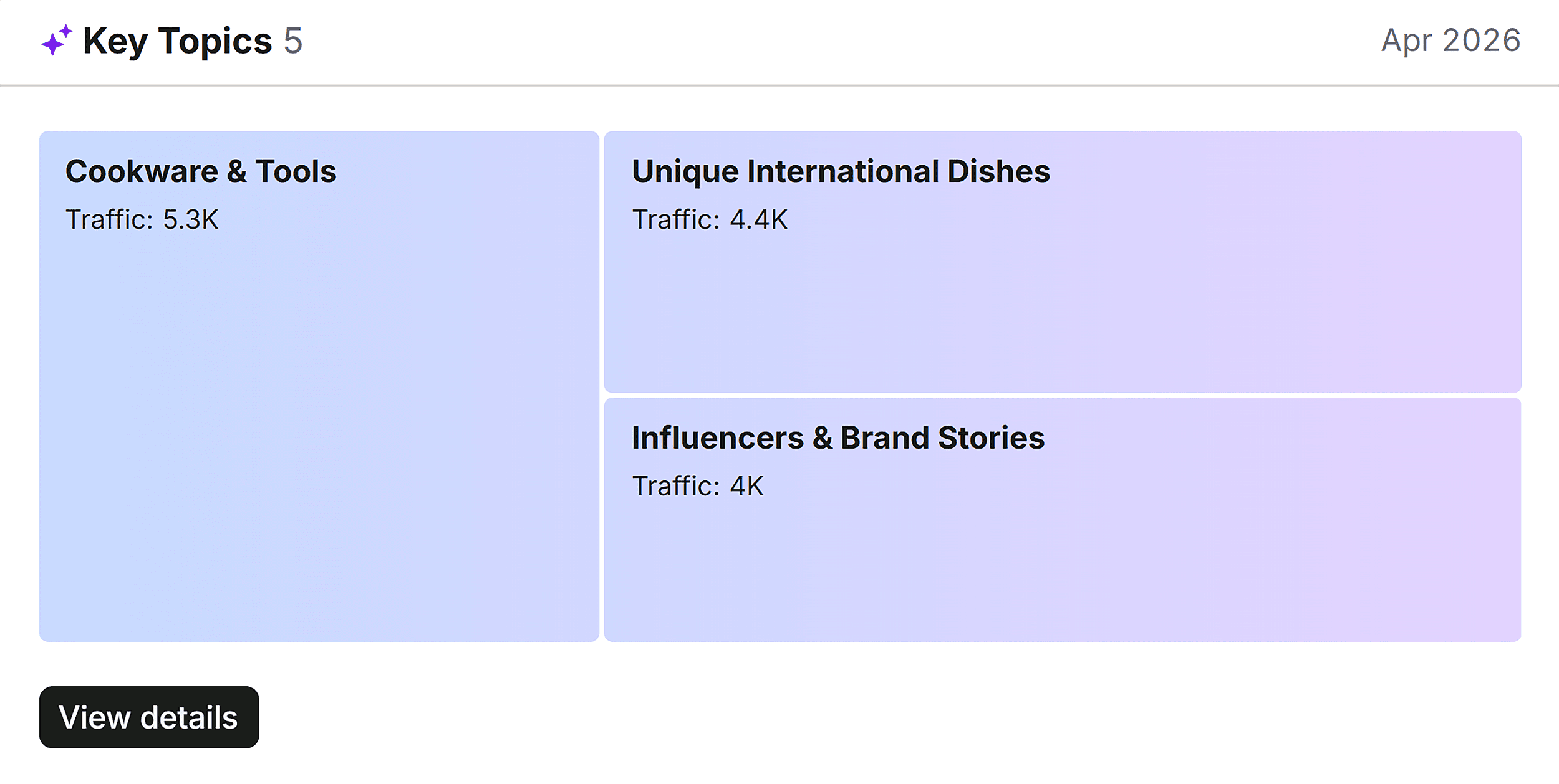
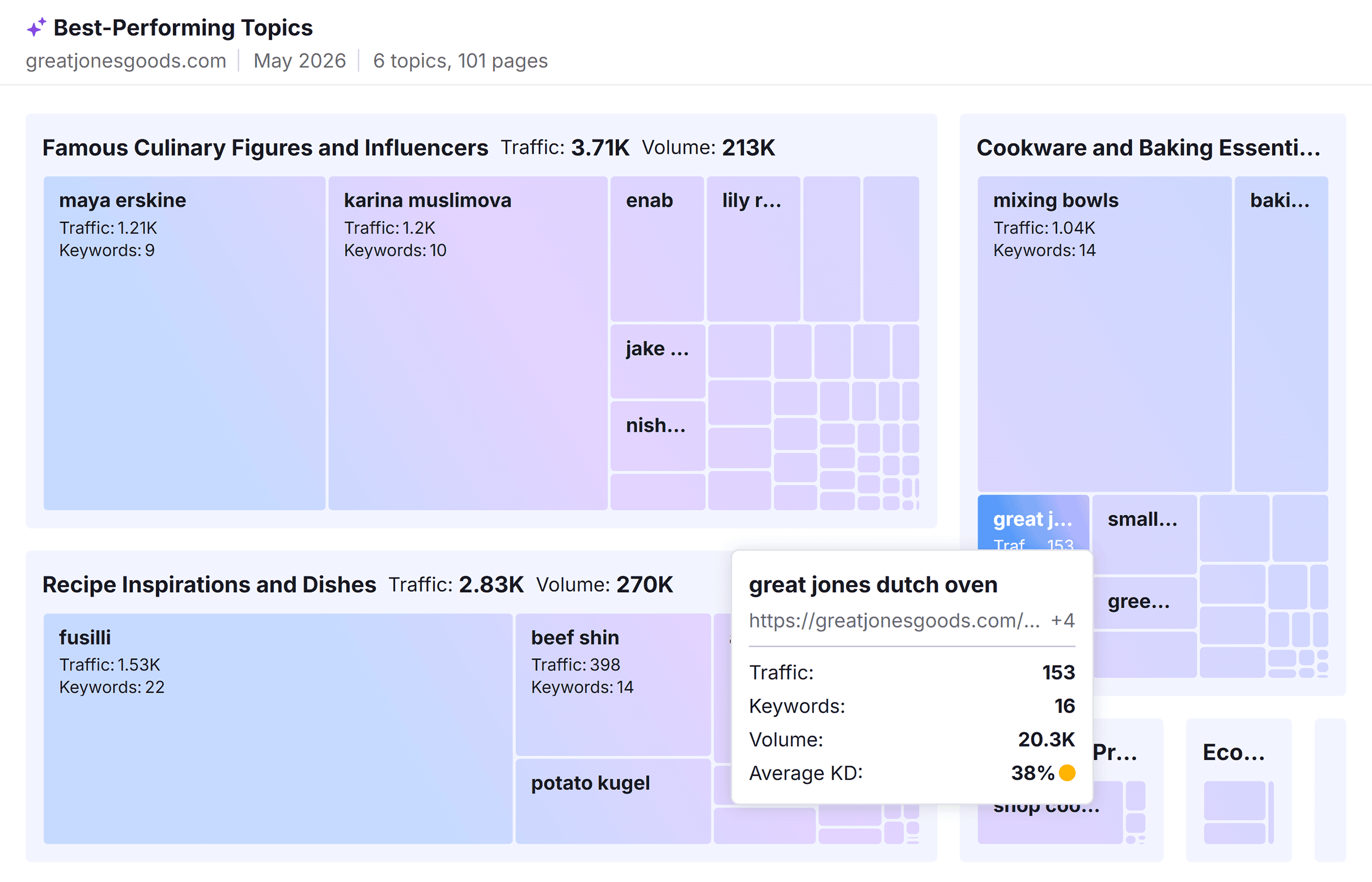
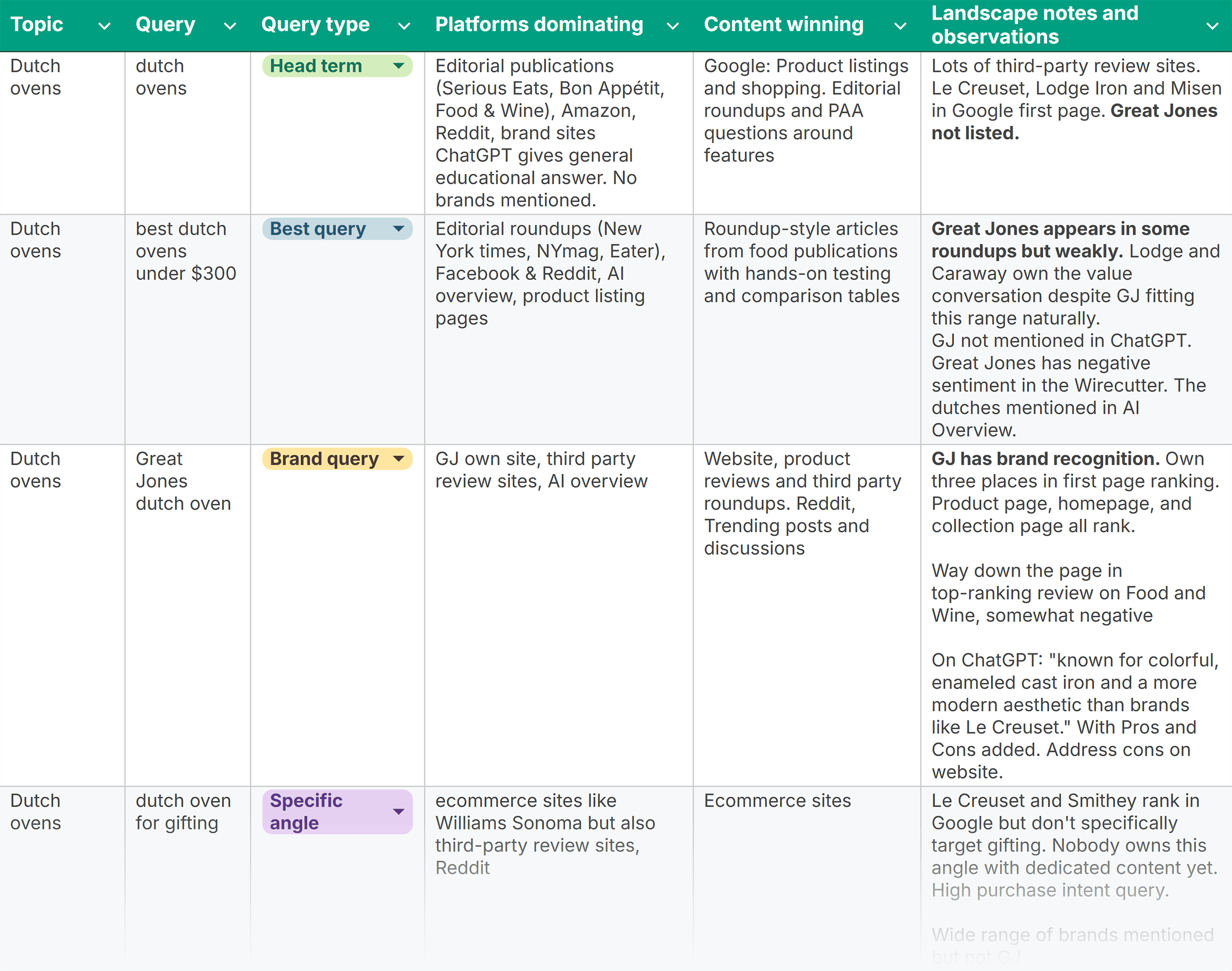
Using tools like Semrush’s Organic Rankings, you can visualize your current associations. When I audited Great Jones, the data was illuminating. Their strongest associations were "recipes" and "celebrity chefs." While these are positive, they are not high-intent search terms for a customer looking to spend $150 on a Dutch oven. The association with "Dutch oven" was faint, despite it being their flagship product.
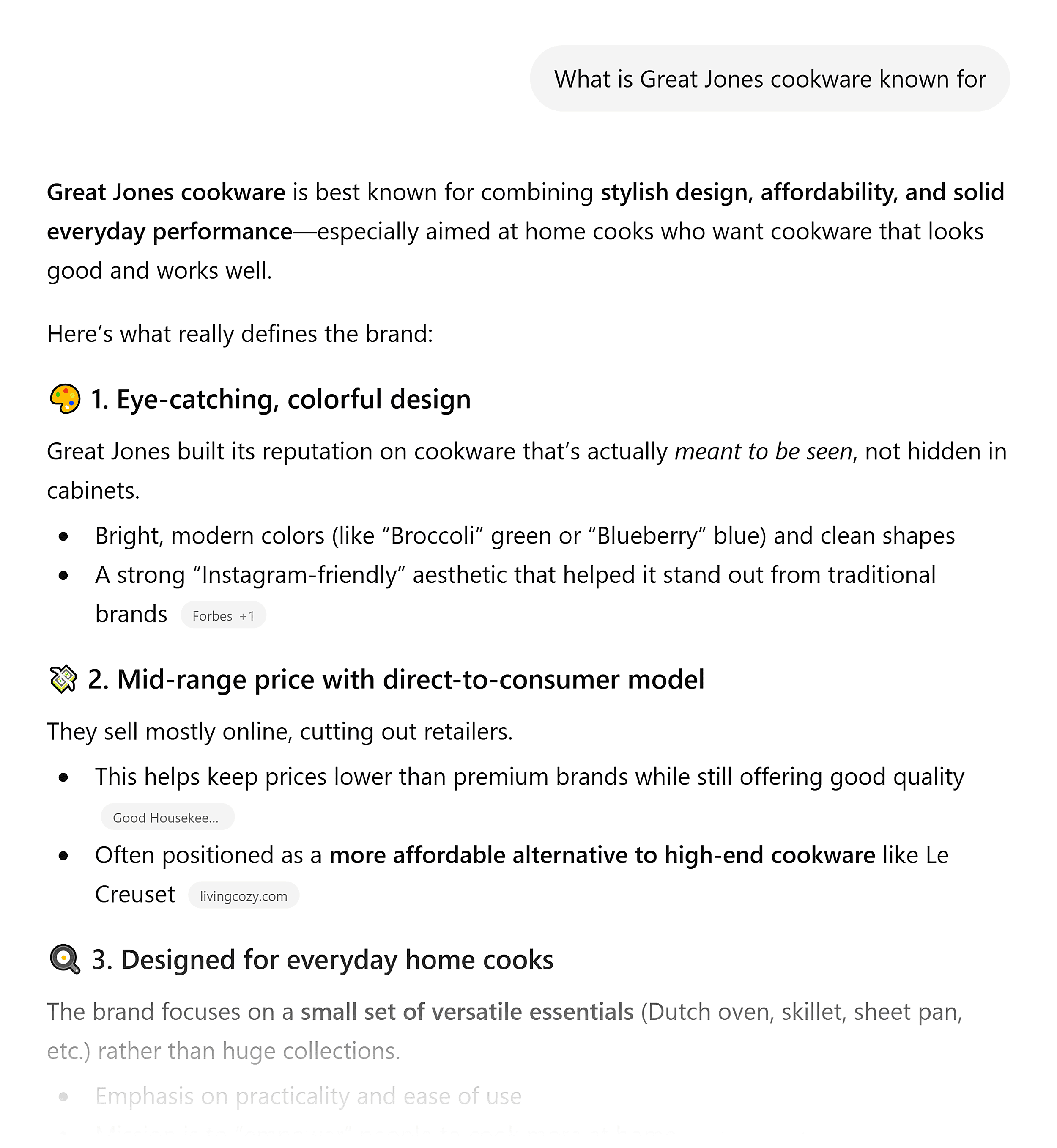
The Audit Checklist:
- On-Site Audit: What are you currently ranking for? Is it what you want to be known for?
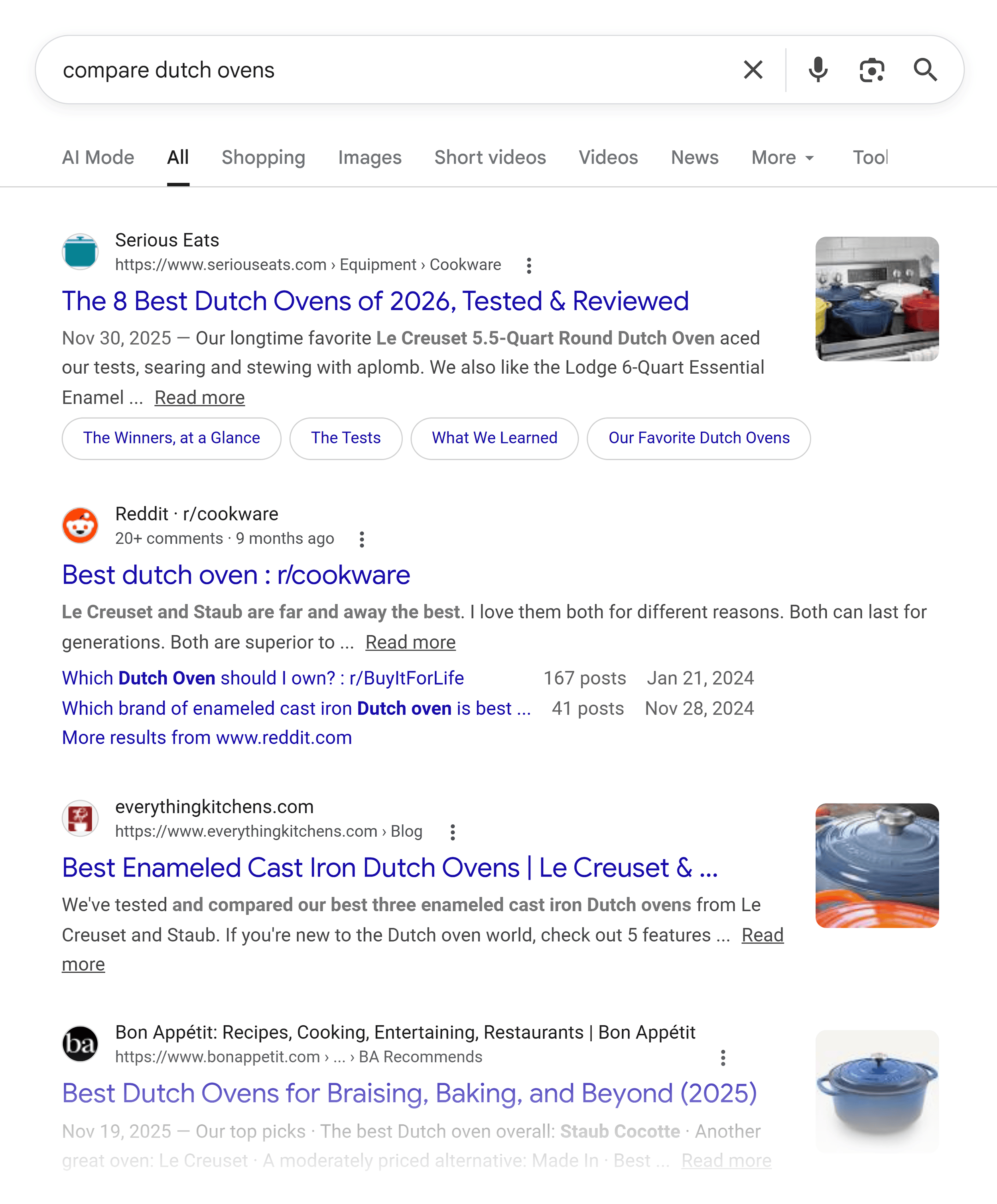
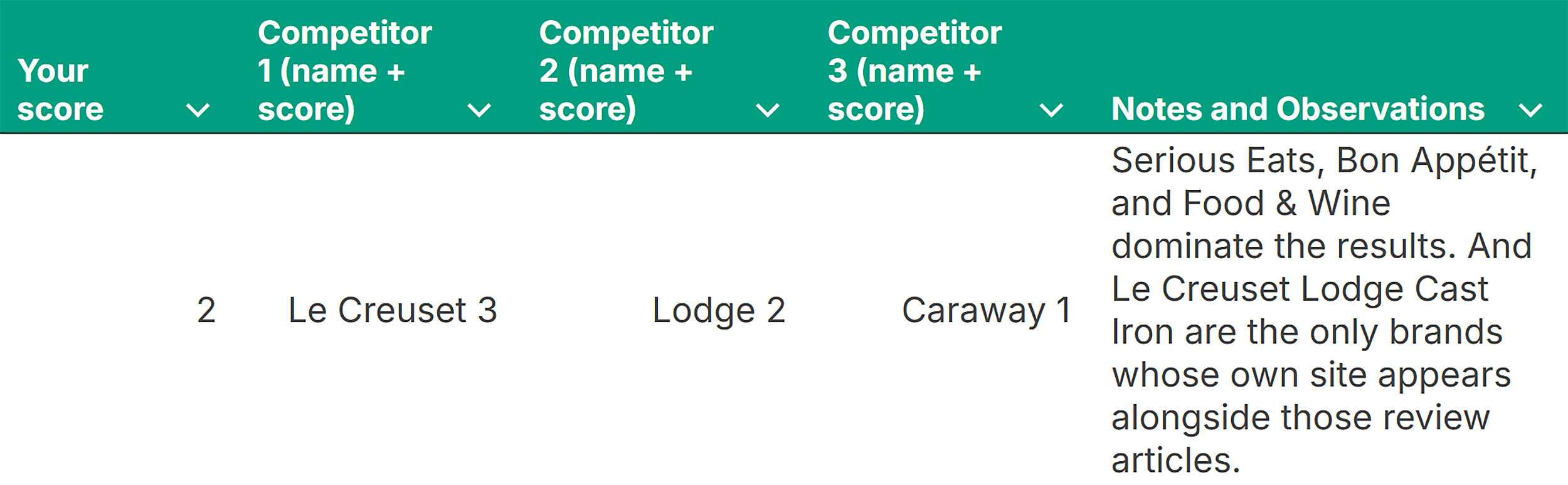
- Off-Site Audit: How are you mentioned in roundups? Are you categorized in the "Top Picks" or the "Also Considered" section?
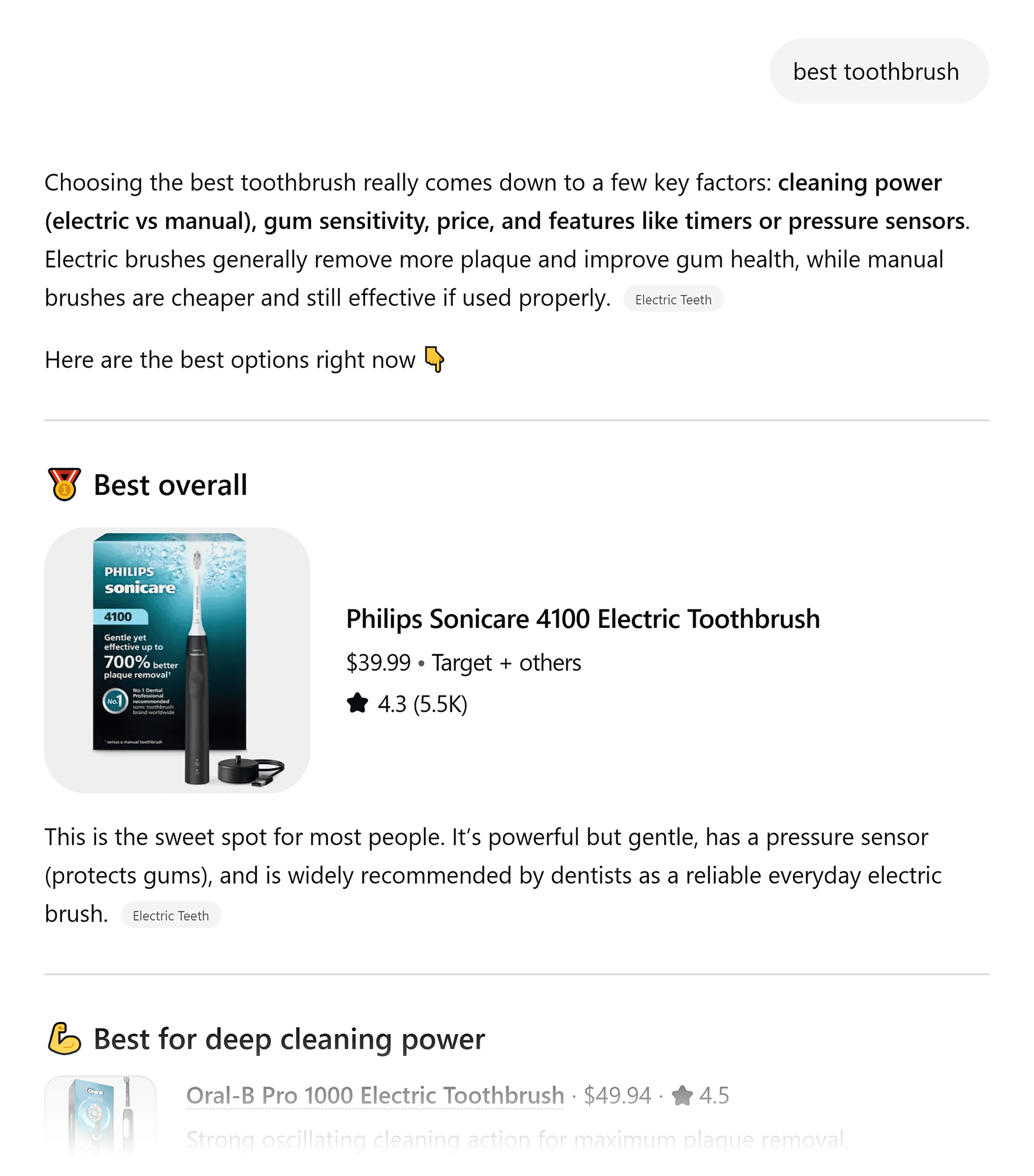
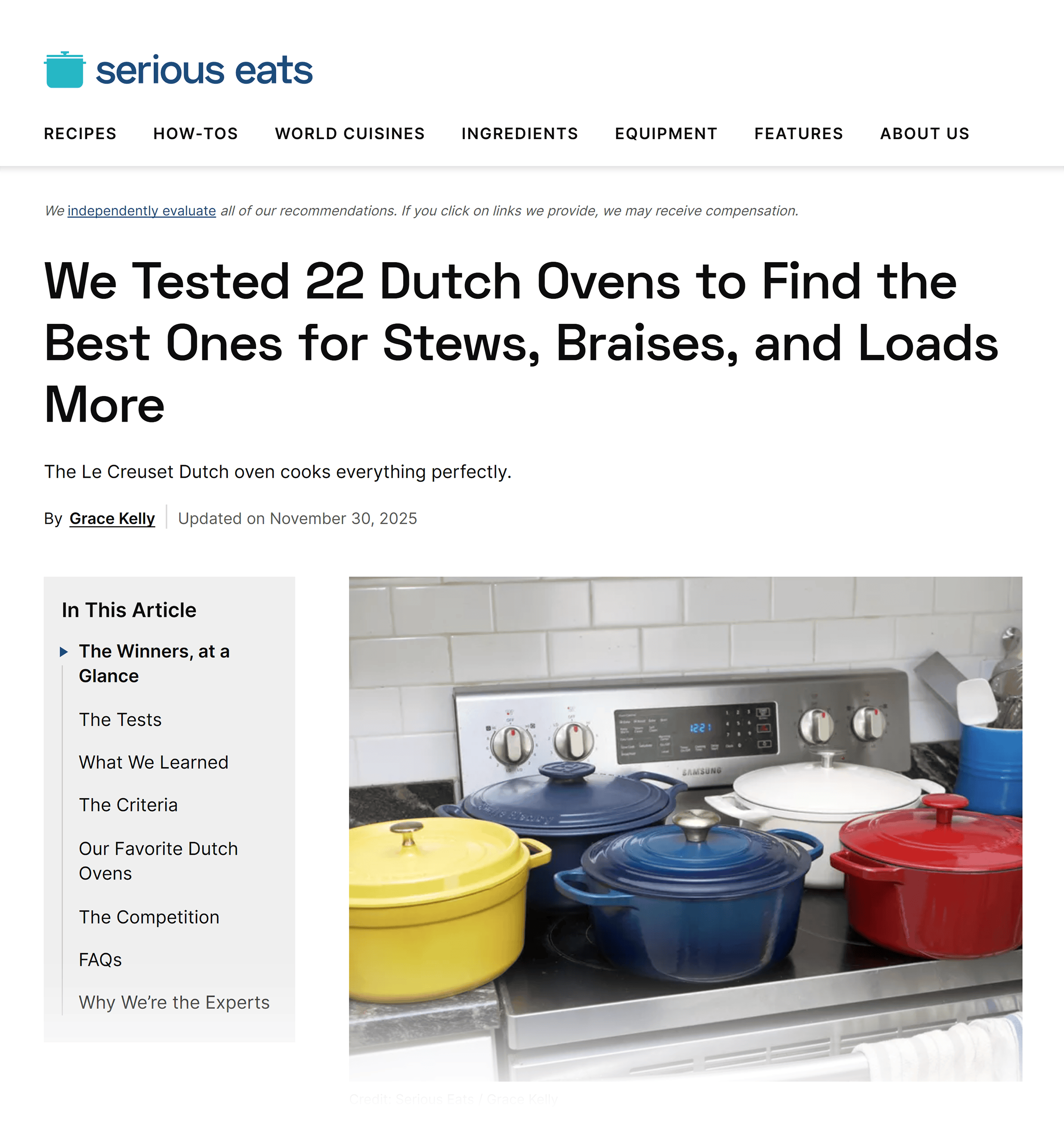
- AI Audit: Ask ChatGPT or Perplexity, "What are the best Dutch ovens?" and see where you rank. If you aren’t mentioned, that is your primary gap.
Step 2: Choosing Your Battleground
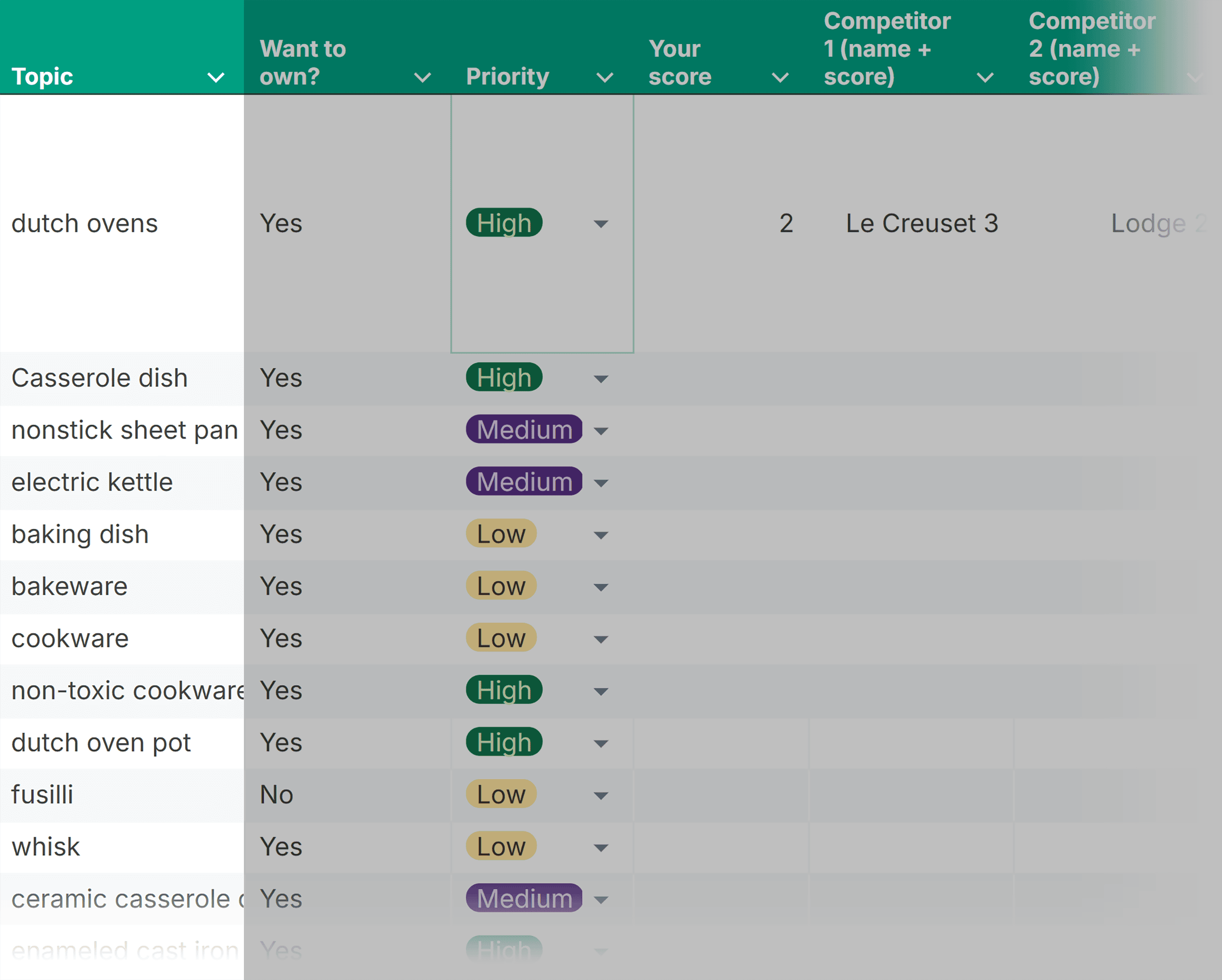
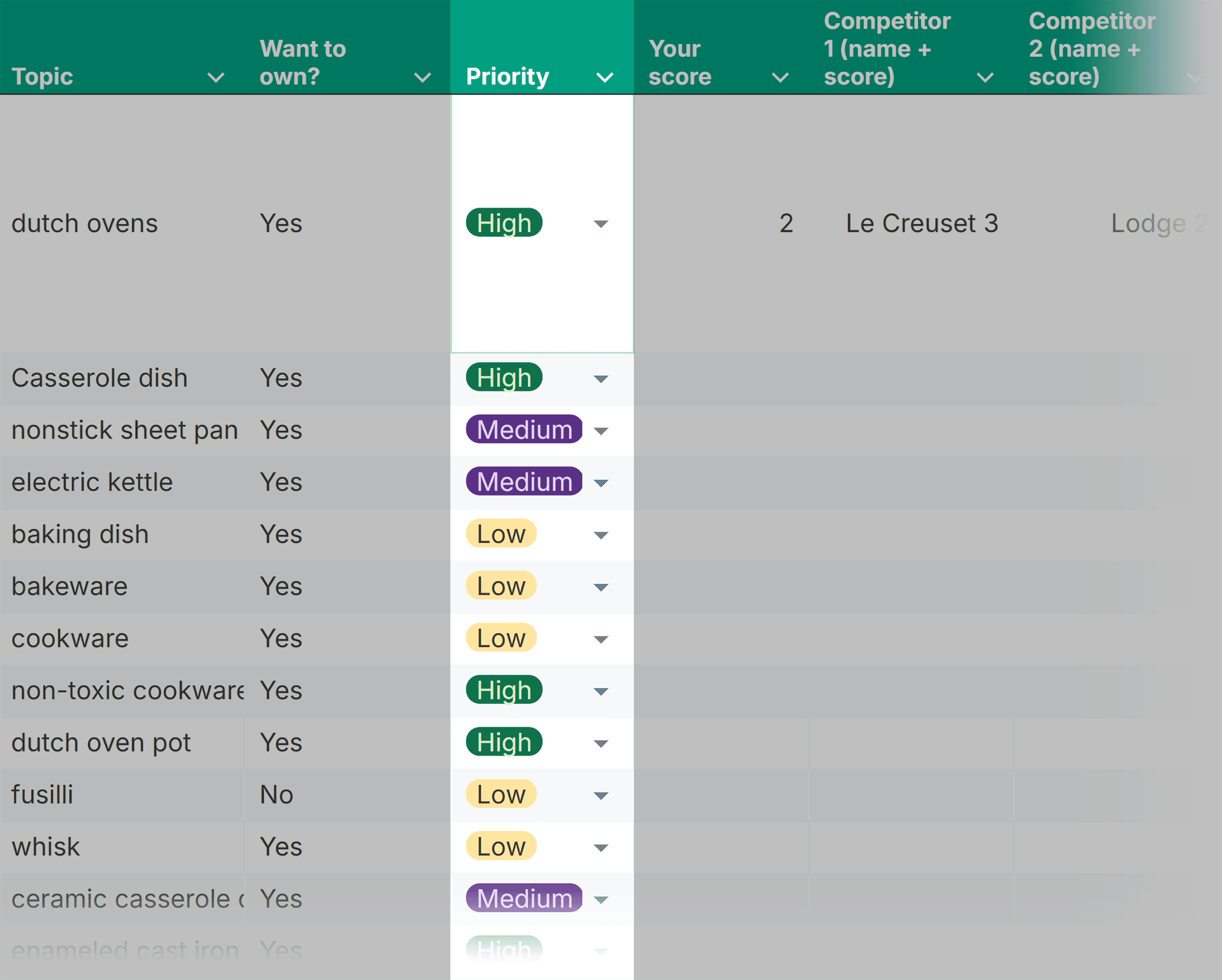
You cannot own every topic in your industry simultaneously. Focus is the prerequisite for authority. To select the right topic, apply the Triple-Factor Test:
- Revenue Potential: Does this topic drive sales?
- Competitor Weakness: Is there an open space where incumbents are resting on their laurels?
- Urgency: Is there a seasonal or market-driven opportunity to capitalize on right now?
For Great Jones, the focus should shift from generic "cookware" to high-intent niches like "Dutch oven gifting" or "aesthetics-driven kitchenware." By focusing on the "gifting" angle, they tap into an existing buyer behavior that is not currently owned by any dominant player.
Step 3: Defining Your POV
Your Point of View (POV) is your brand’s thesis statement. It is the specific angle that makes you unique. Without a clear POV, you are just another vendor in a commodity market.
Consider the difference between a high-end razor company and a note-taking software brand. One focuses on "precision and luxury," the other on "thought capture and productivity." They are both "tools," but their POVs are distinct. For your brand, your POV should be a single, repeatable sentence. For instance: "The Dutch oven is the ultimate, modern heirloom gift for the design-conscious home cook."
Step 4: The Proof Architecture
A claim is not authority; evidence is. You must map out the proof you need at every stage of the buyer’s journey:
- Awareness: Industry studies or customer statistics proving the solution works.
- Consideration: Third-party reviews, expert endorsements, and certifications.
- Comparison: Head-to-head testing and independent performance data.
- Decision: Repeat purchase rates and verified user sentiment.
The goal is to move from "claiming" to "confirming." If you say you are the best gift, your hub page must feature evidence from third-party gift guides, influencer unboxings, and verifiable performance metrics.
Step 5: Building the On-Site Foundation
Your hub page is the central authority document for your chosen POV. It should define the topic and act as a gateway to your supporting pages.
The "Inverted Pyramid" Strategy:
- The Hub: A comprehensive page (e.g., "The Ultimate Dutch Oven Gifting Guide") that links to your product pages and supporting articles.
- Supporting Pages: Deep-dives into specific sub-topics like "Gift Basket Ideas," "Care Instructions," and "The History of the Dutch Oven."
- Internal Linking: Use descriptive, keyword-rich anchor text. Avoid "click here." Instead, use "Compare the Dutchess to other cast-iron ovens."
Step 6: Creating an Off-Site Proof System
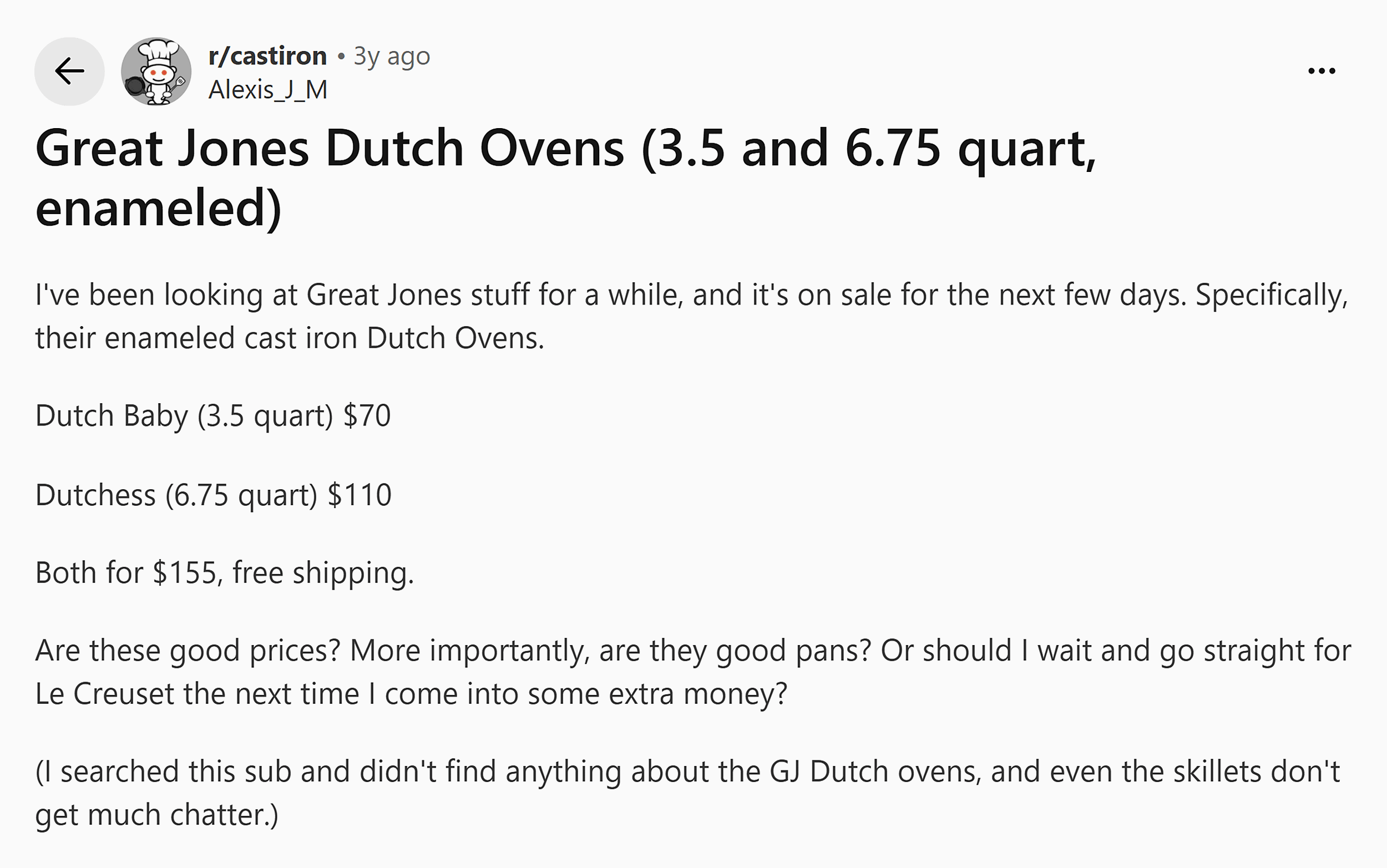
This is where most brands fail. They expect their internal SEO to do all the heavy lifting. However, in the age of AI search, off-site signals—media mentions, community discussions, and citations—are the weightiest factors.
The Signature Proof Point:
Every brand needs one "signature" insight. For Great Jones, it could be an original report titled, "The State of Dutch Oven Gifting," based on their own sales data. When you produce original data, you become a source that other websites want to cite. This creates a natural, authoritative backlink profile that AI systems prioritize when synthesizing answers.
Implications: The Future of Brand Discovery
The shift toward AI-integrated search is not a temporary trend; it is a fundamental change in the internet’s infrastructure. Brands that continue to treat SEO as a game of keyword stuffing will find themselves increasingly invisible.
The brands that win in the next decade will be those that treat Topical Authority as a strategic asset. By building a consistent pattern of expertise, defining a sharp POV, and backing it up with irrefutable proof, you stop fighting the algorithms and start becoming the answer they are programmed to provide.
Great Jones has the product and the pedigree; now, they—and brands like them—must build the architecture of authority to ensure they aren’t just seen, but recommended. The blueprint is ready. The question is: will you build the pyramid, or continue to be a footnote in an AI-generated summary?