For years, the professional divide between Public Relations (PR) and Search Engine Optimization (SEO) was clear: PR focused on brand sentiment and media placement, while SEO chased technical rankings and keyword density. In the current digital landscape, that silos-first approach is no longer just inefficient—it is a competitive liability.

As search engines evolve into "answer engines" powered by Large Language Models (LLMs), the mechanisms for building brand visibility have shifted. Today, Google and AI systems like Claude, ChatGPT, and Gemini rely heavily on third-party signals—backlinks, brand mentions, expert commentary, and coverage in authoritative publications—to determine which brands deserve to be prioritized in search results.
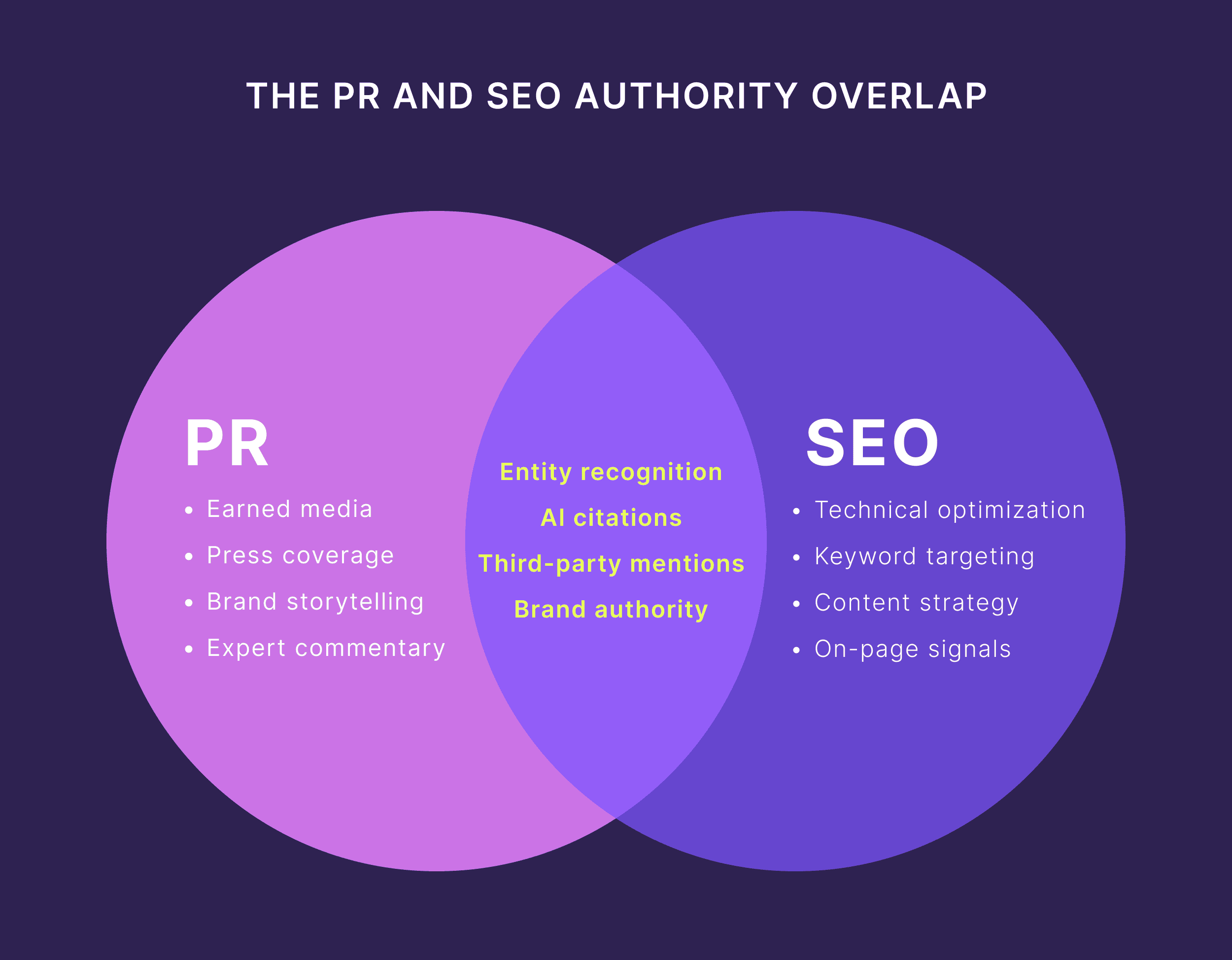
PR and SEO both generate these signals, yet most organizations still operate as separate entities. When they do collaborate, it is often a transactional exchange—PR treats SEO as a link-building repository, and SEO views PR as an afterthought. This approach leaves significant authority on the table. The real gains, however, occur when these teams operate as a unified, always-on authority engine.
The Strategic Imperative: Bridging the Gap
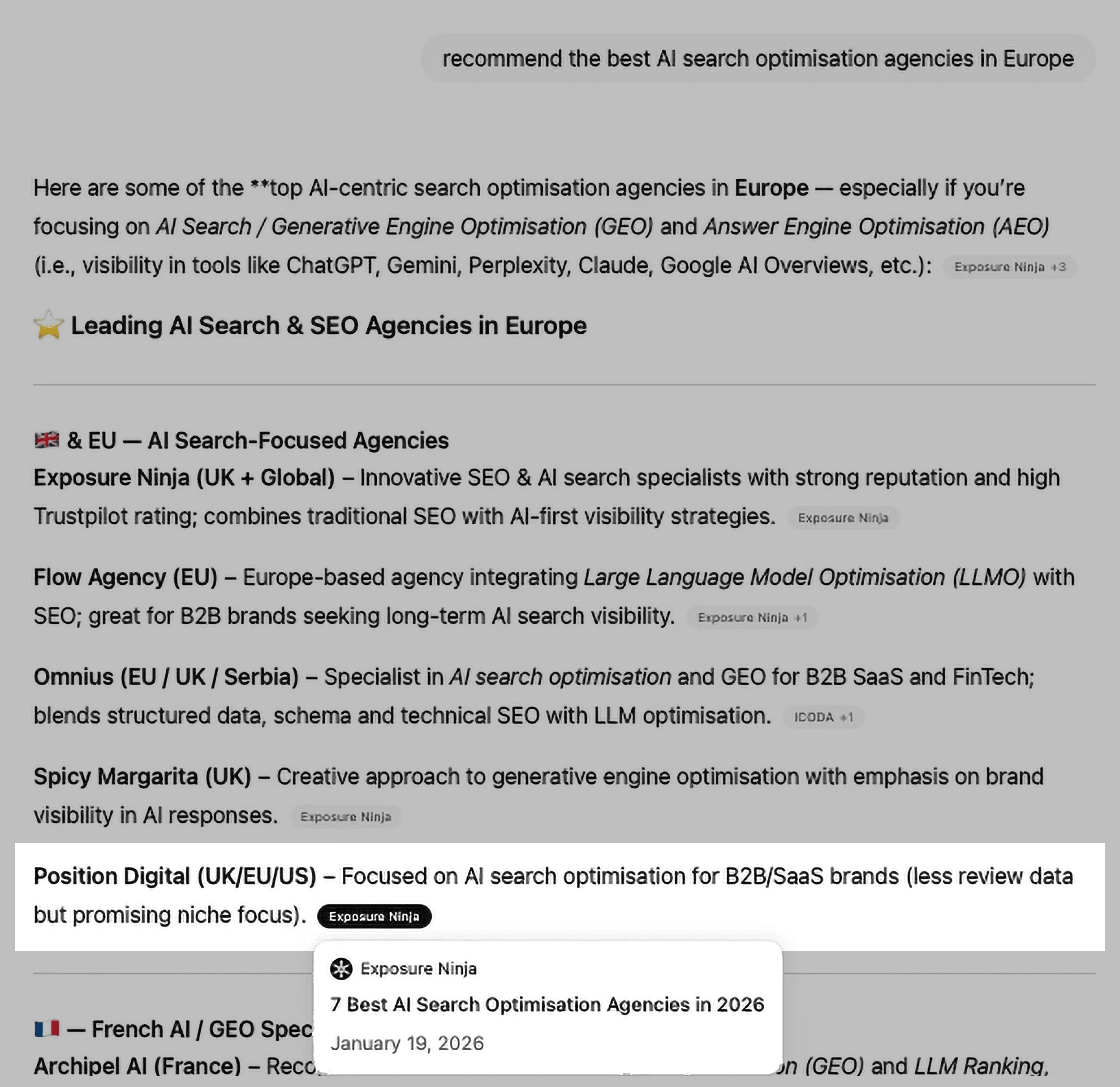
The convergence of PR and SEO is driven by the way AI processes information. LLMs do not simply crawl pages; they synthesize the "consensus" of the internet. If your brand is frequently cited as an expert in high-authority media, referenced in peer-reviewed reports, and recommended by users on platforms like G2 or Reddit, you are effectively "training" the AI to recognize your brand as the authority in your category.
To achieve this, teams must move beyond simple link-building and embrace a holistic strategy. This article outlines a five-step playbook for building an always-on authority engine that yields results across traditional search, media, and generative AI.
Step 1: Aligning Research and Intelligence
An effective partnership begins with shared intelligence. Without it, companies suffer from predictable gaps: content that ranks but lacks authority, or high-profile media coverage that fails to drive long-term organic traffic.
Identifying Emerging Opportunities
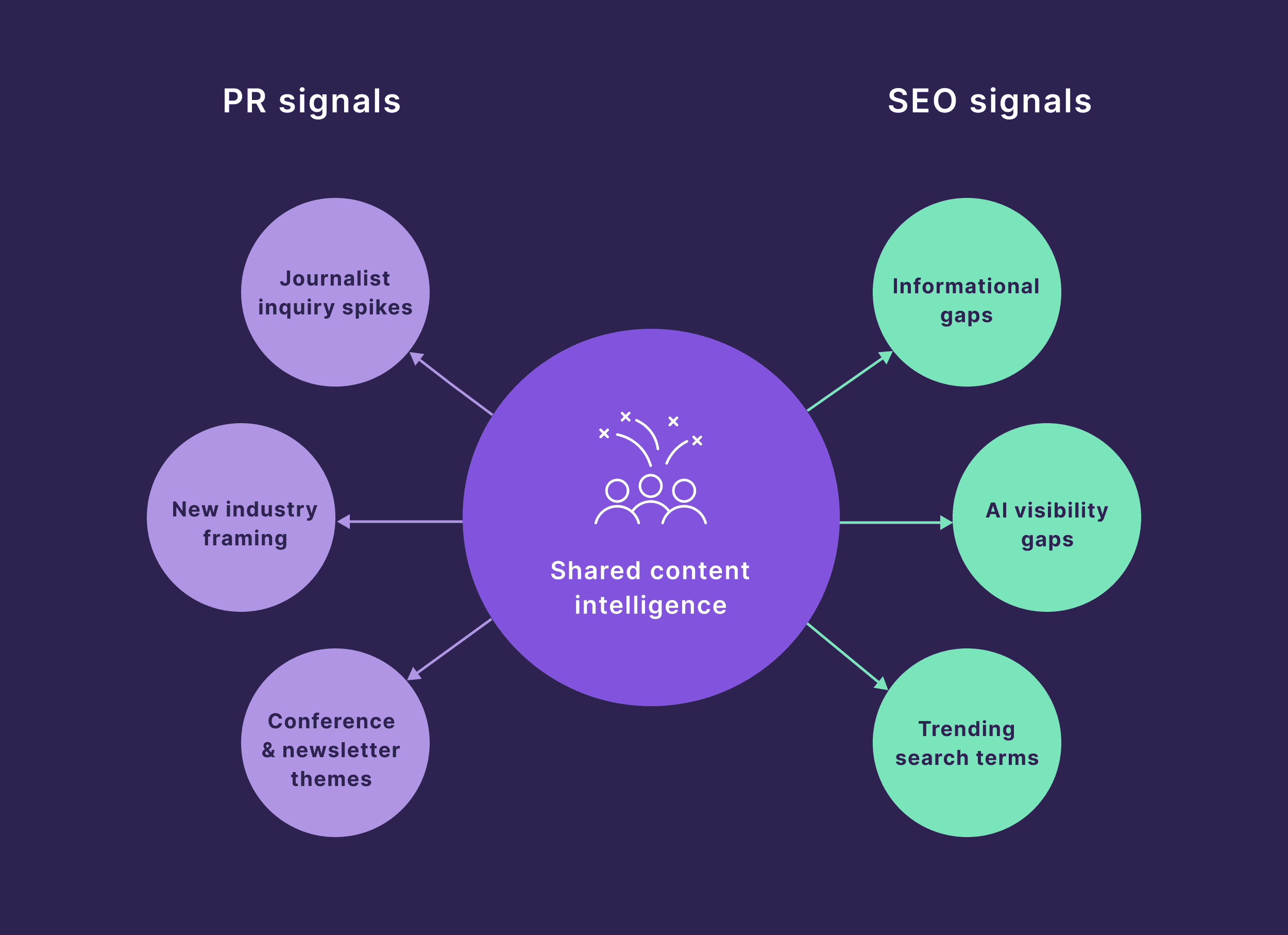
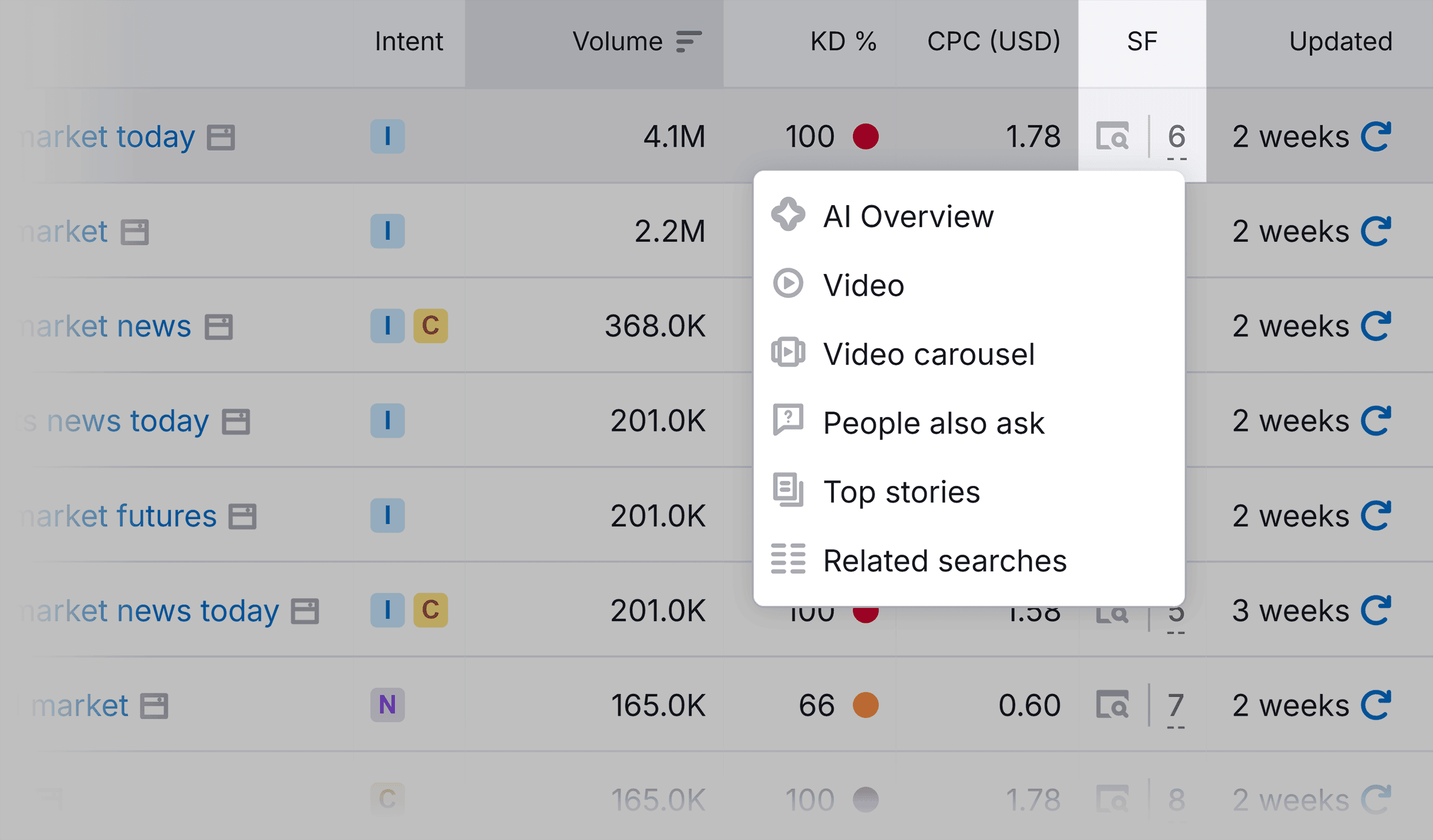
The most potent authority wins emerge when teams share insights to shape angles and assets. For the PR side, this means sharing intelligence on:
- Media Trends: A spike in journalist inquiries around a specific industry problem.
- Industry Language: New phrases or framings gaining traction among thought leaders.
- Recurring Themes: Common questions being raised at conferences or in niche trade newsletters.
Britt Klontz, founder of Vada Communications, emphasizes that this collaboration must happen at the ideation stage. "When PR and SEO combine strengths early, you don’t just create content; you create a narrative that is both search-friendly and newsworthy," she notes.
The Power of Proactive Content
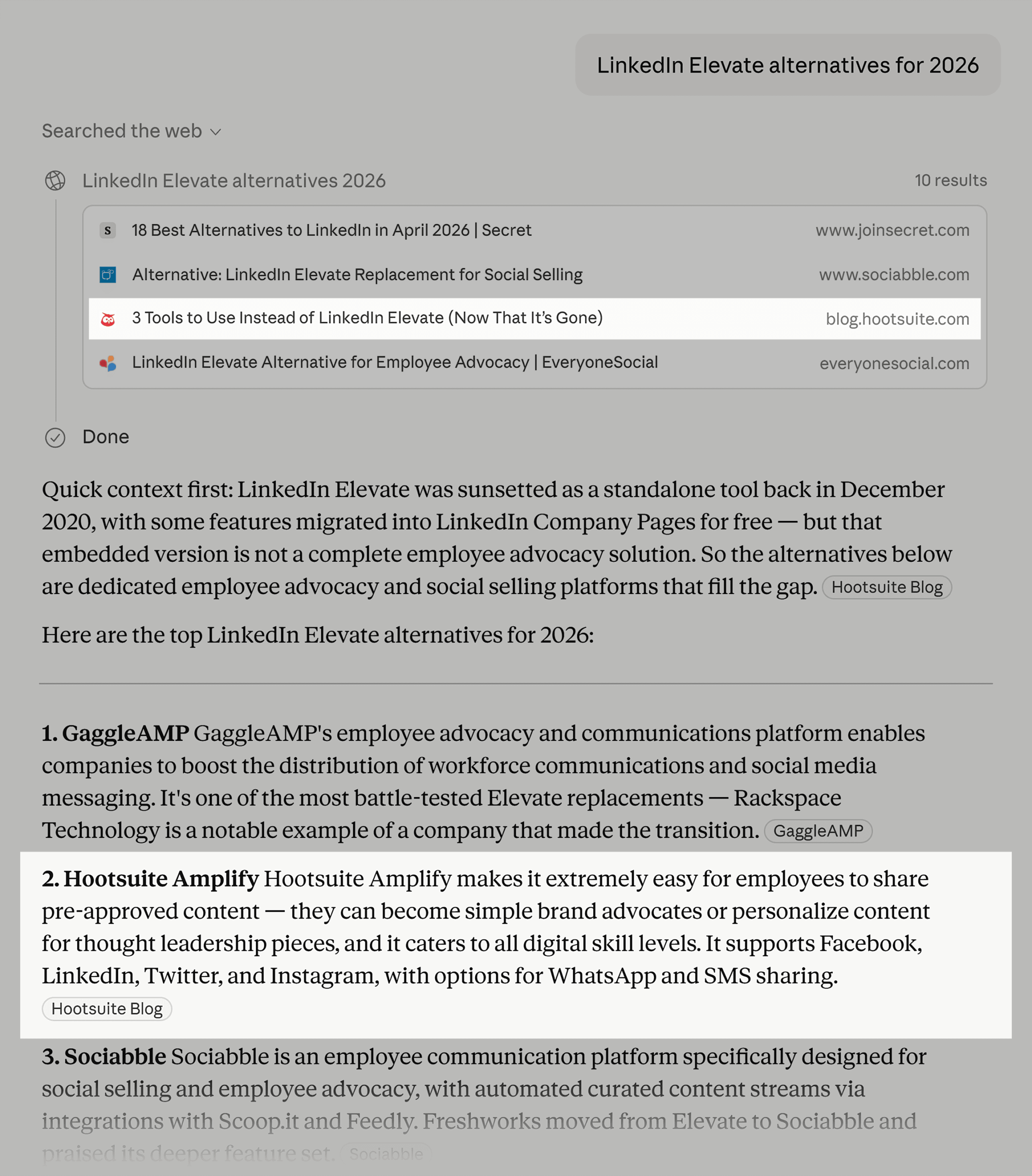
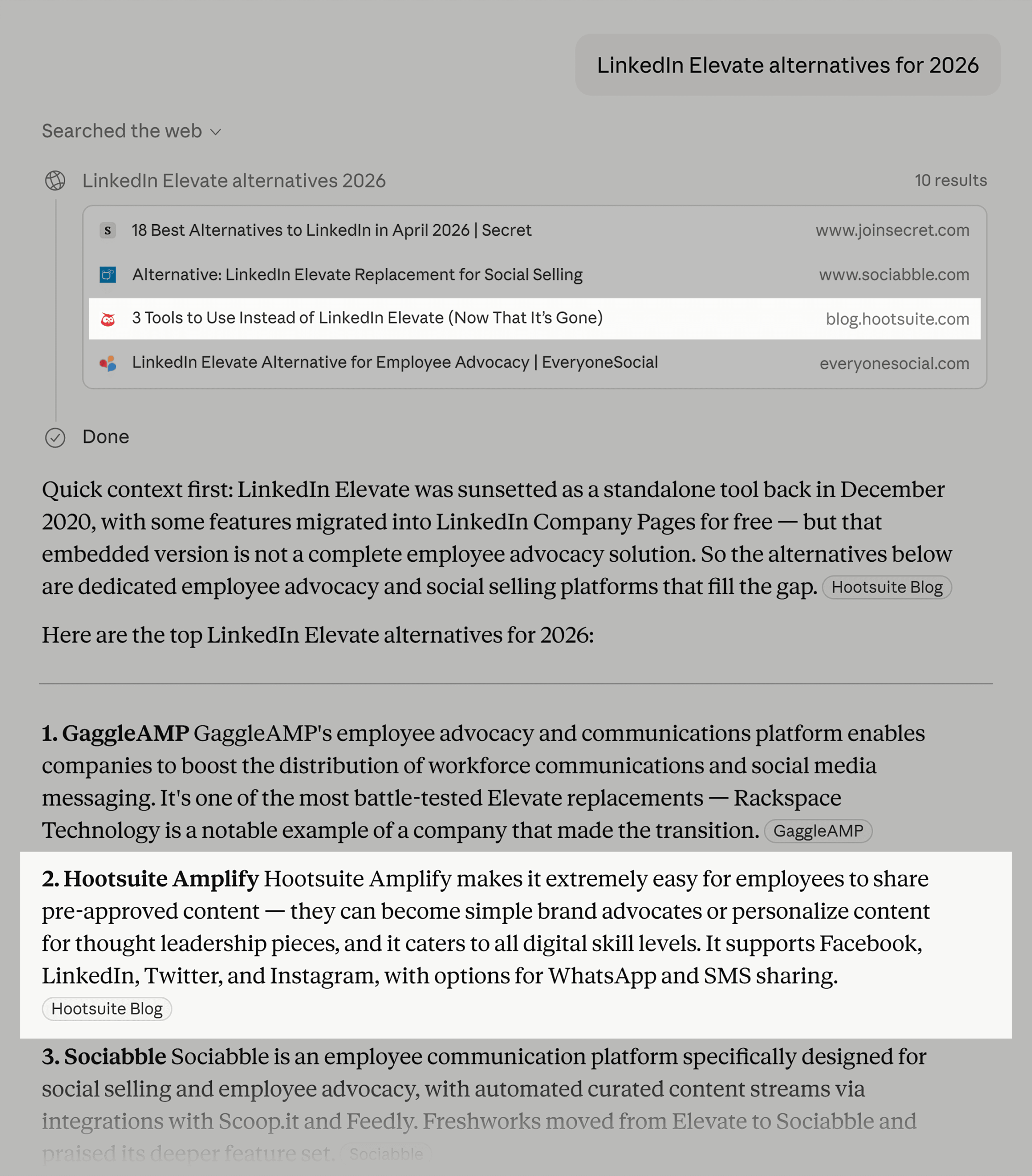
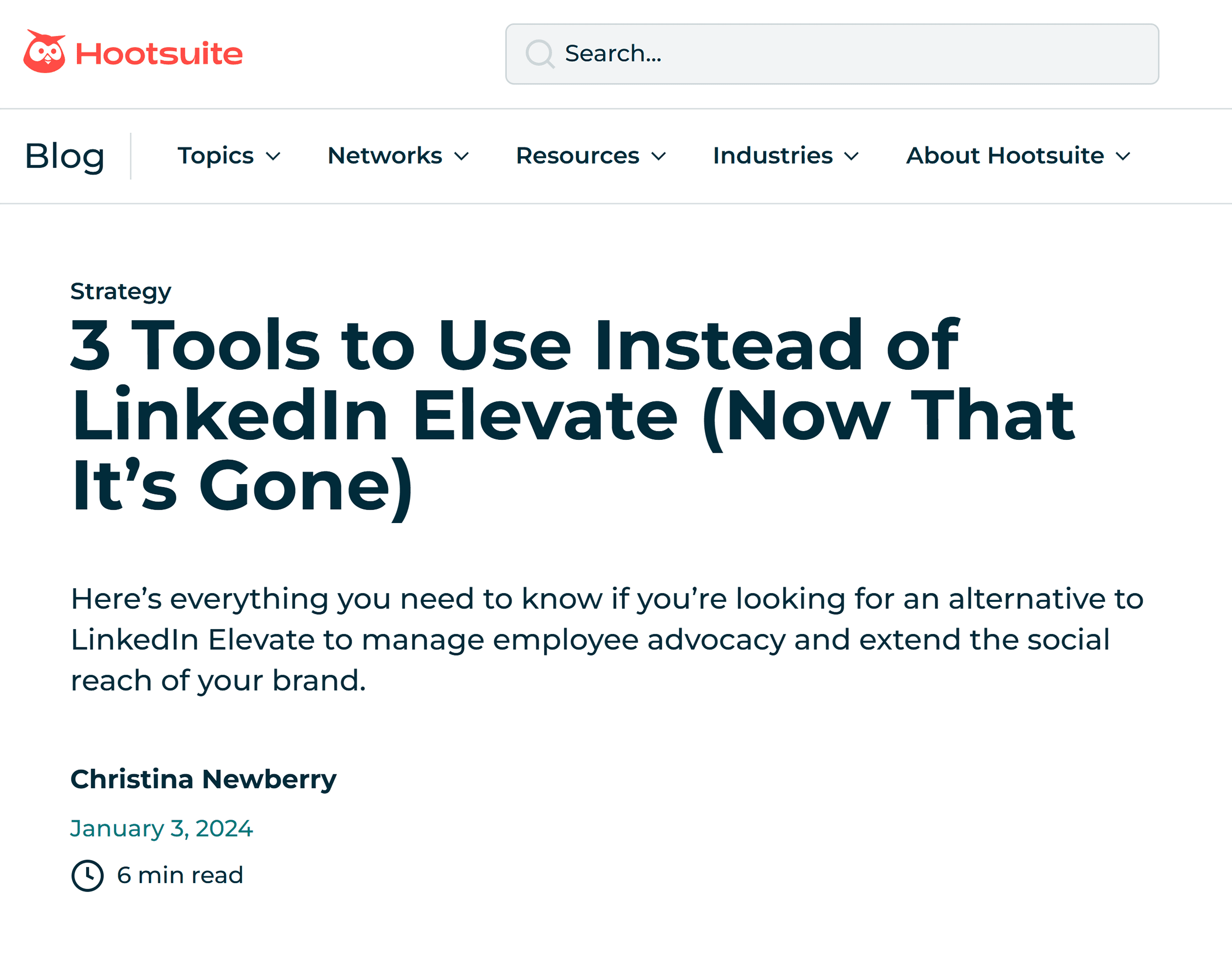
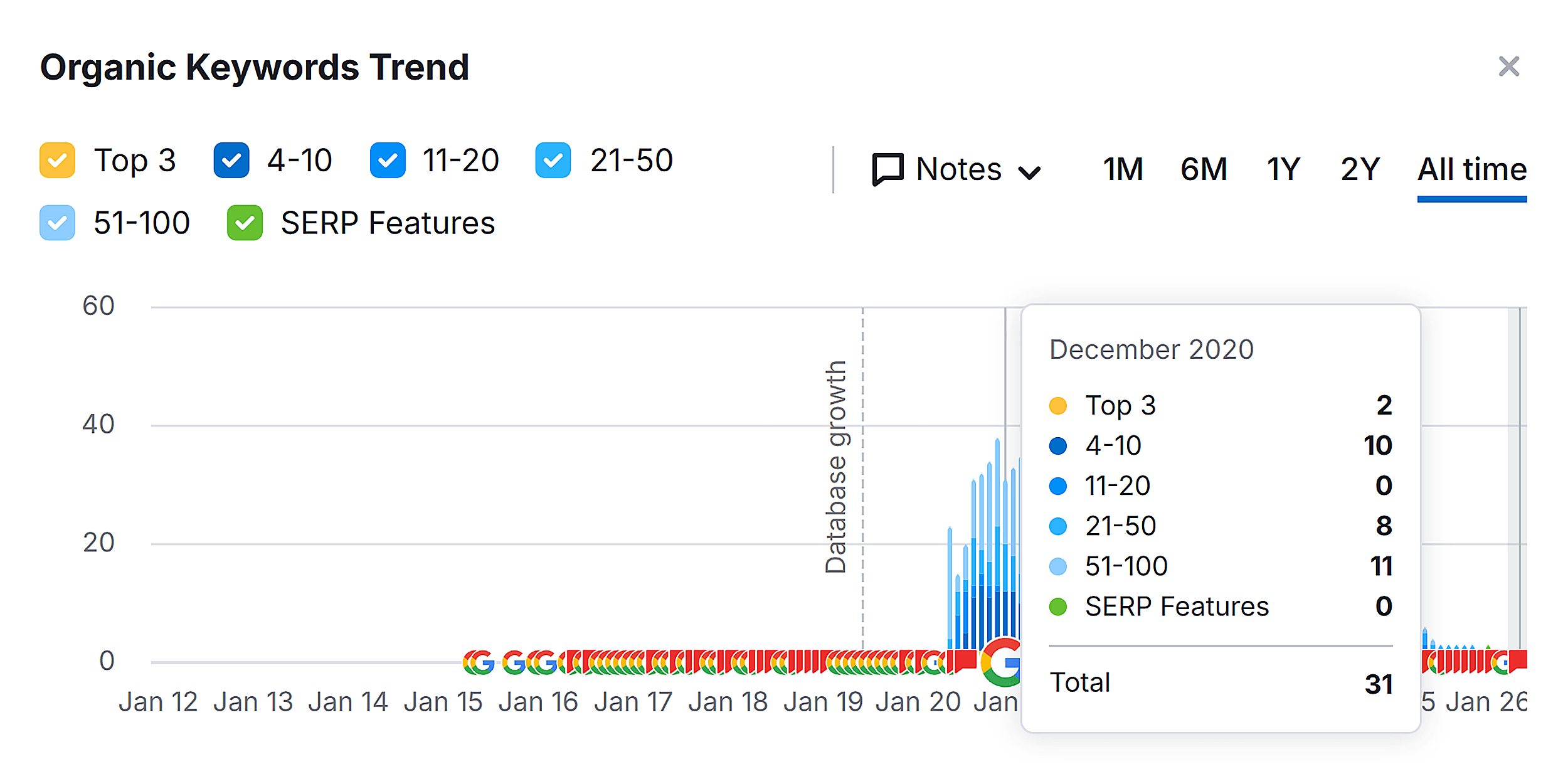
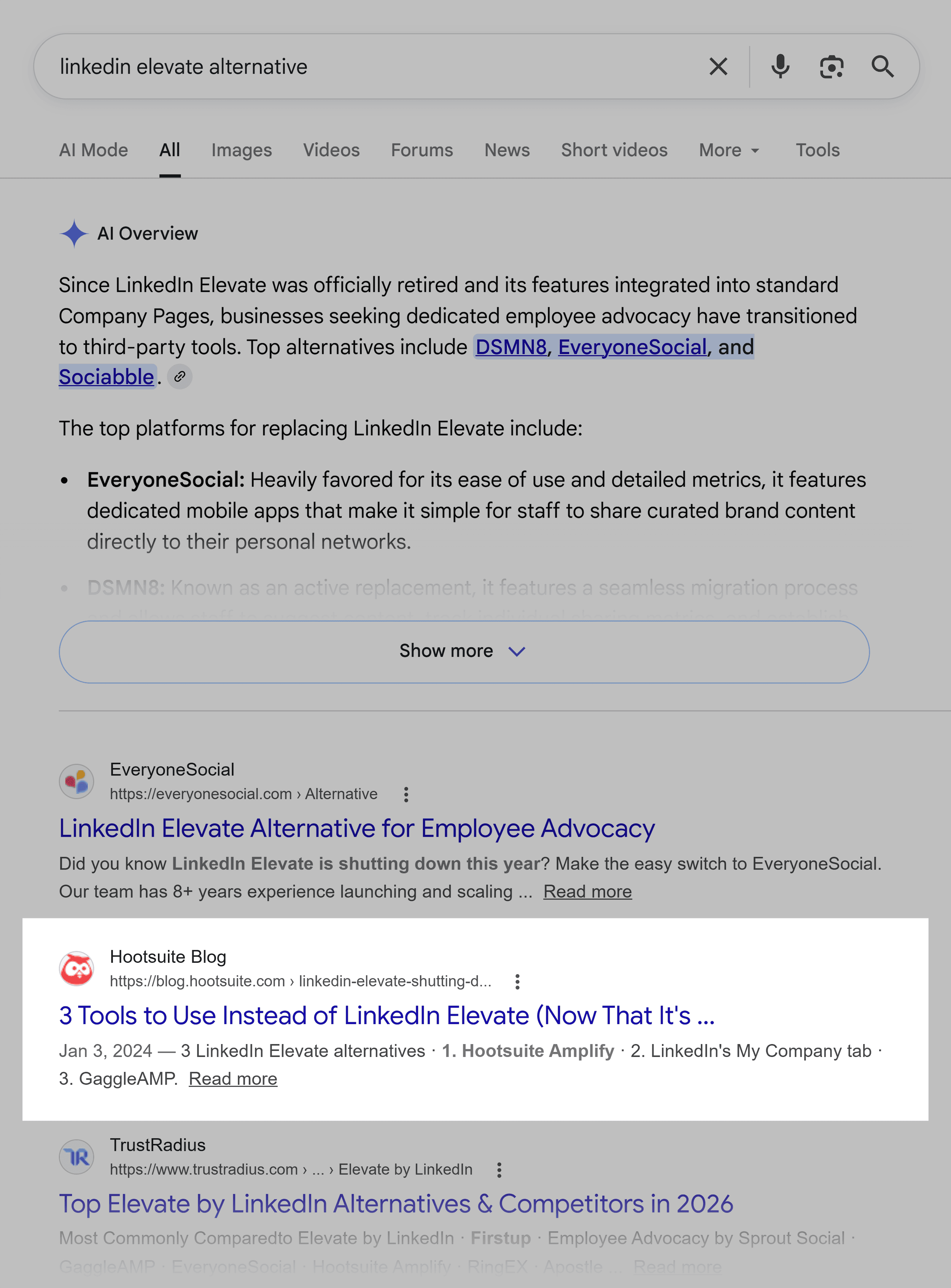
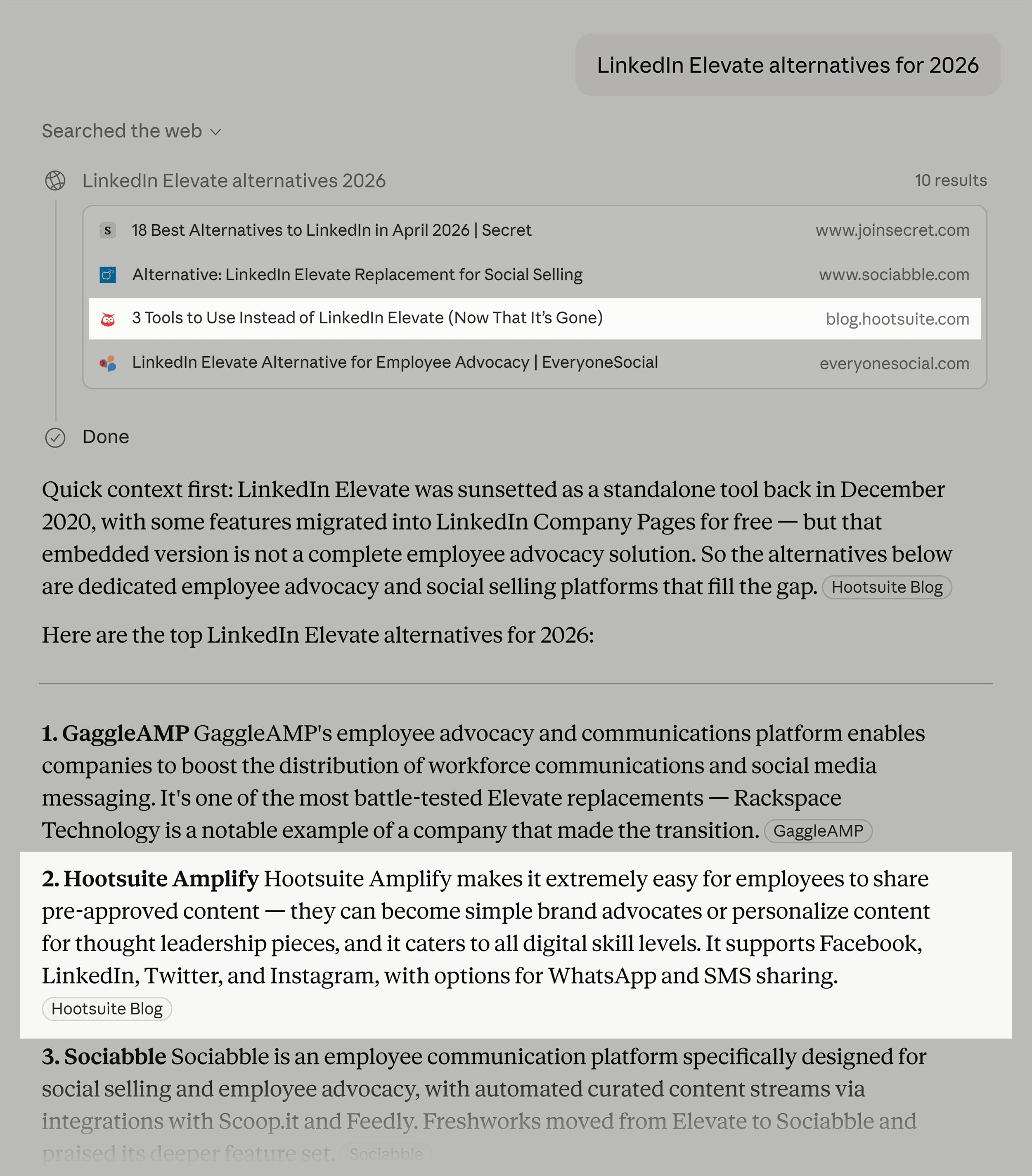
Consider the case of Hootsuite’s coverage of the "LinkedIn Elevate" feature shutdown. When the PR team alerted the content team to the pending feature retirement, the SEO team didn’t wait for high search volume to appear. They created an expert-led guide immediately. As a result, the post earned backlinks and demo requests before the broader market even realized the change was happening. When the search volume eventually spiked, the post was already ranked #1. Today, that post is a top source for AI models answering questions about "LinkedIn Elevate alternatives."
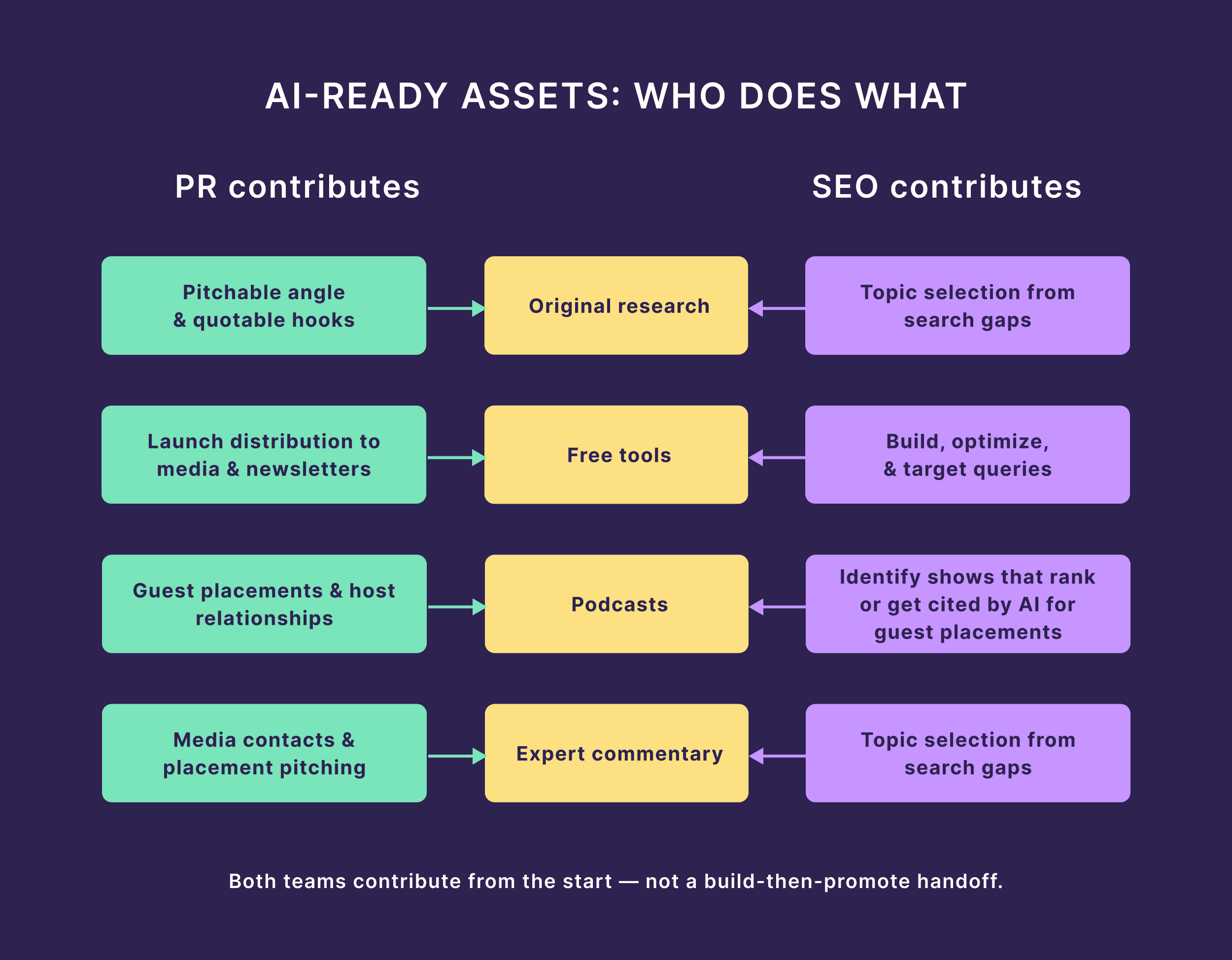
Step 2: Collaborating on AI-Ready Assets
An "AI-ready" asset is structured to be found, cited, and trusted. This is the core of Answer Engine Optimization (AEO).
Structuring for Citations
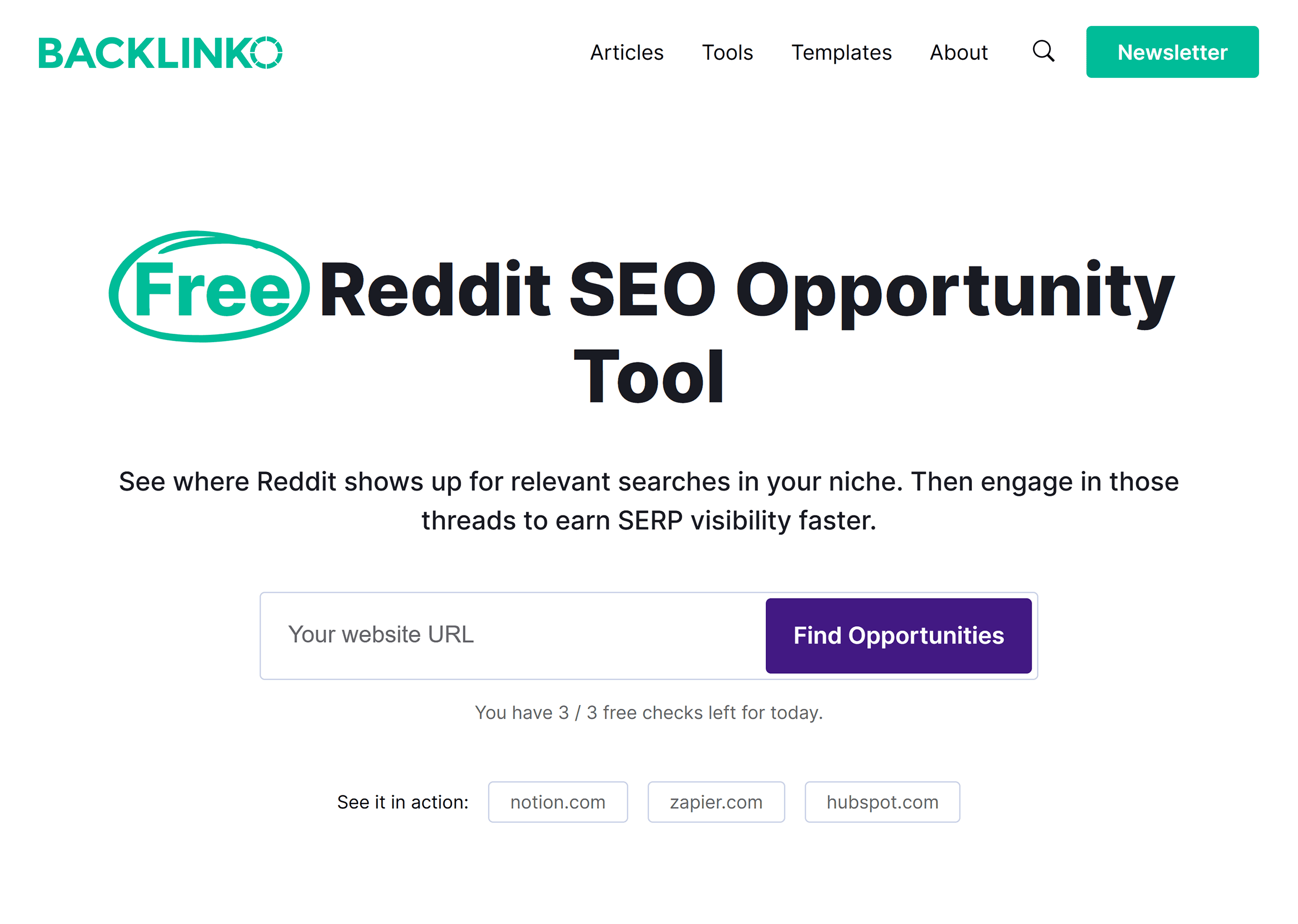
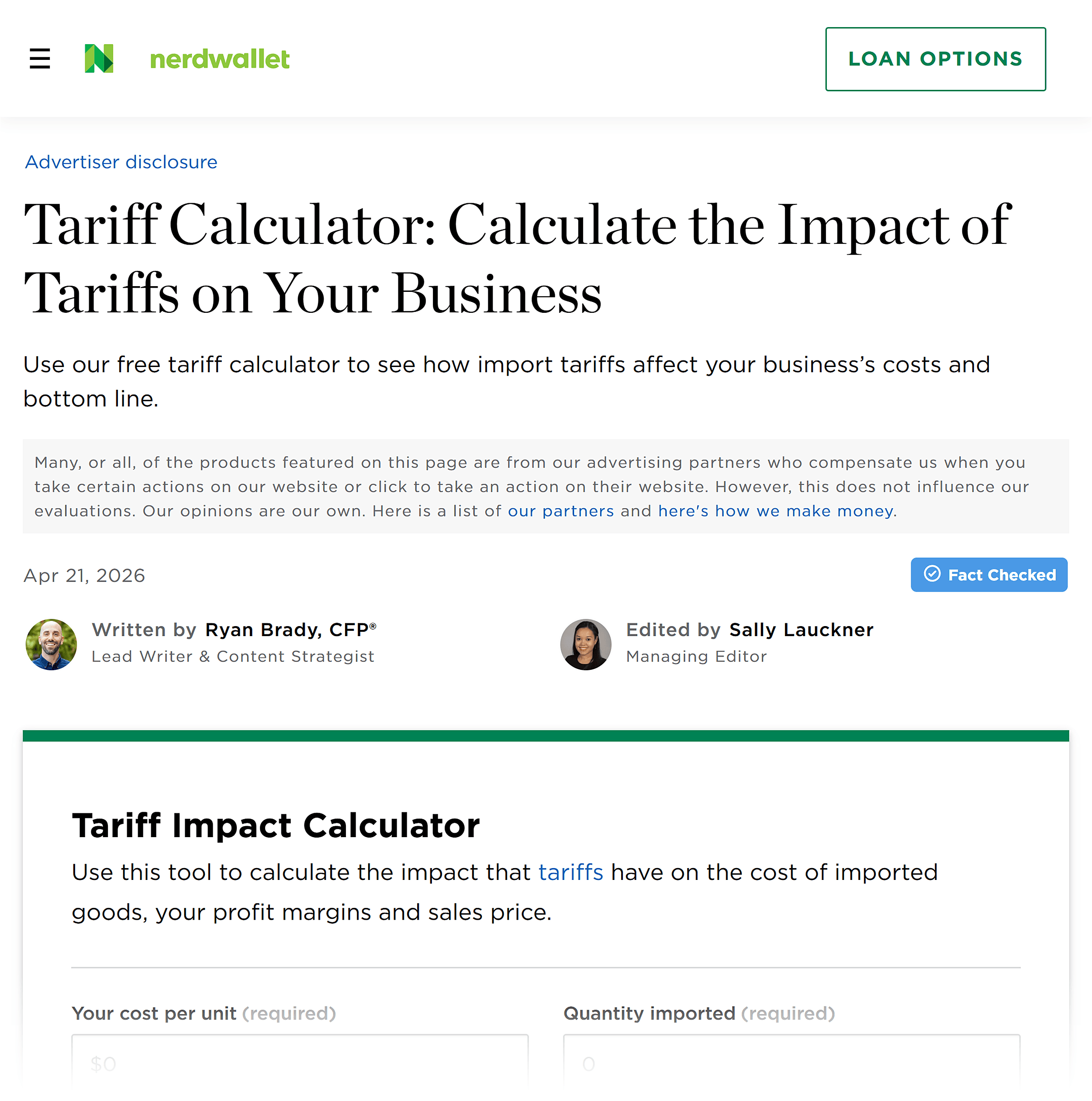
When building assets—whether they are original research reports, free tools, or explainer pages—teams must focus on:
- Clear Methodology: AI needs to verify data accuracy; cite your sources.
- Front-Loaded Statistics: Summarize key findings at the top of the page.
- Branded Visuals: Use charts and graphics that are easy for AI to interpret and attribute.
The Role of Original Research
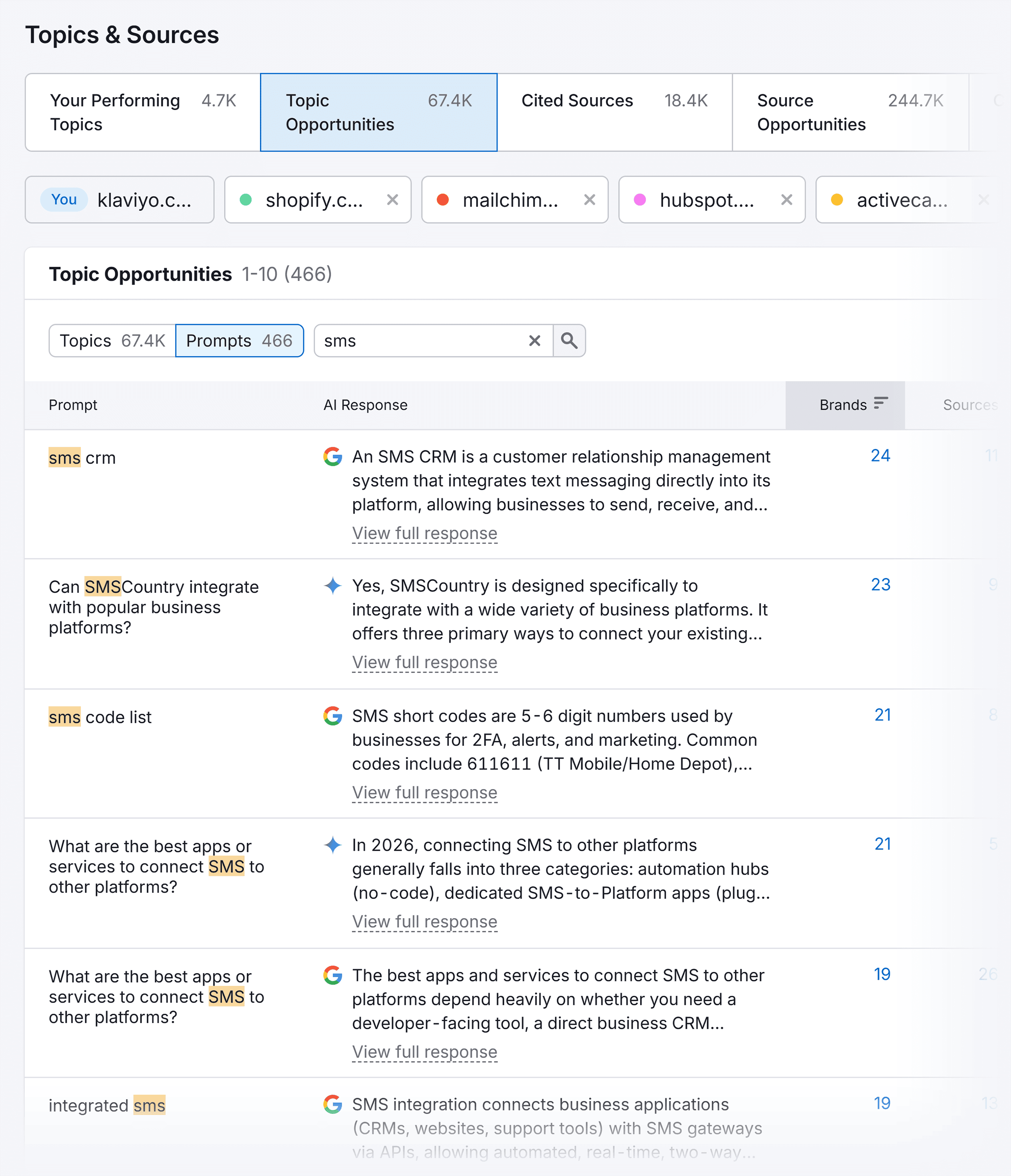
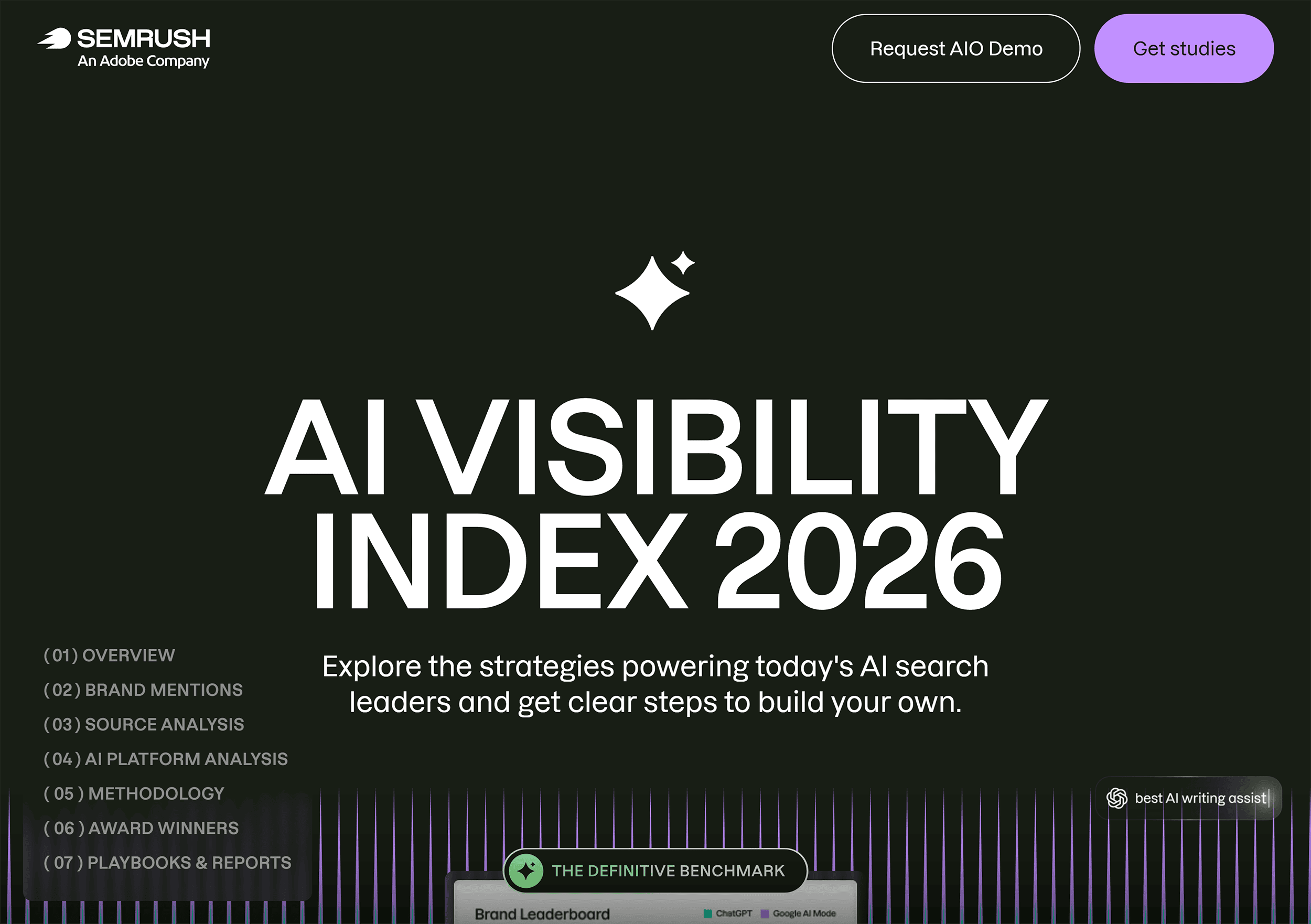
Original data is the gold standard for earning both human attention and AI citations. The SEO team should identify the content gap, while the PR team shapes the findings into "pitchable" hooks. This ensures that the study isn’t just an internal document but a piece of journalism that can be cited in major news outlets.
Step 3: Co-Building a Third-Party Presence
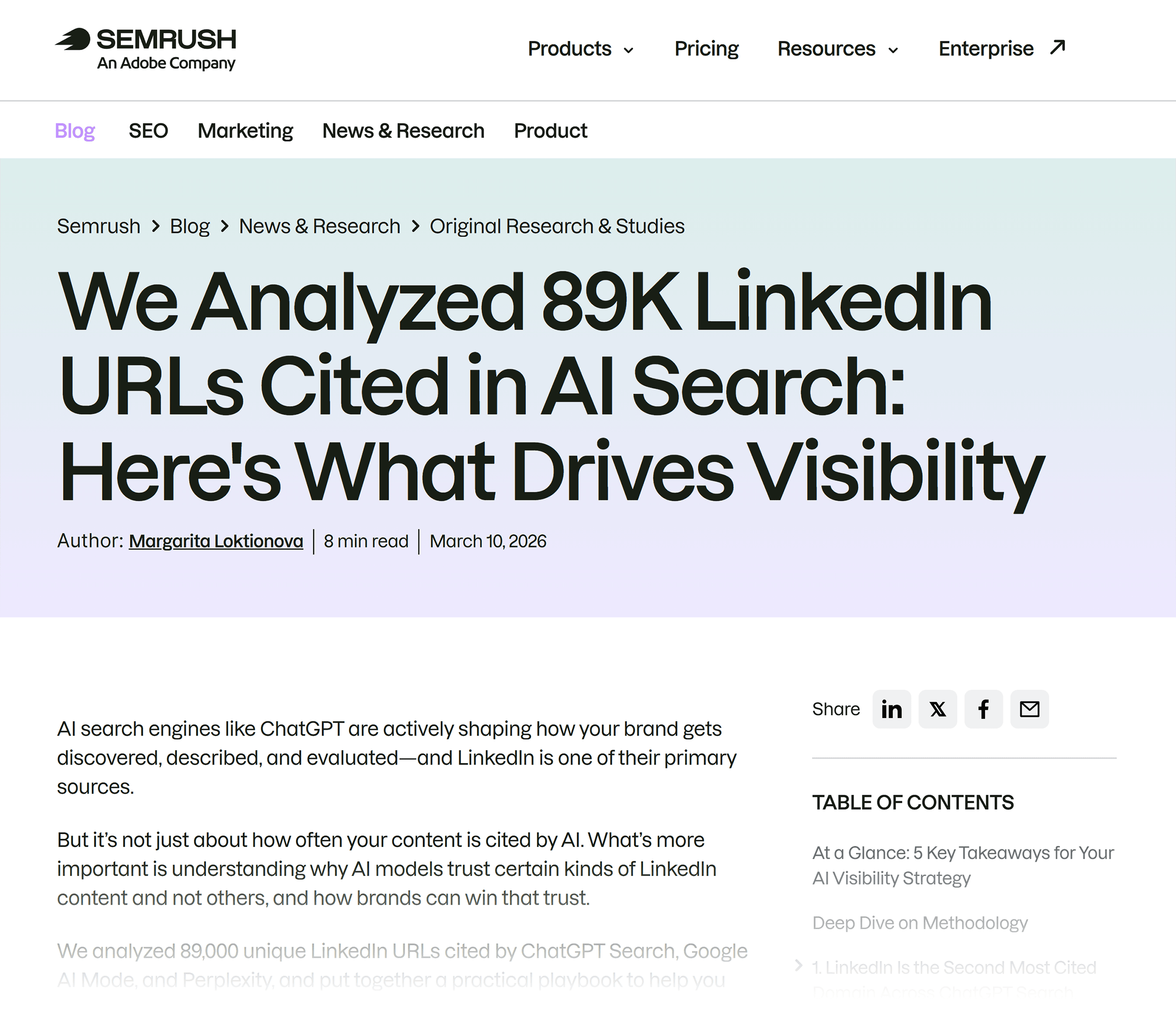
Data suggests that brands are 6.5 times more likely to appear in AI answers through third-party signals than through their own content. This makes third-party visibility a critical pillar of your strategy.
Expert Commentary and Trust Signals
When your Subject Matter Experts (SMEs) are quoted consistently across diverse channels, Google and LLMs associate them with specific topics. To maximize this:
- Be Specific: Generic thought leadership is easily ignored. Provide data-backed, opinionated commentary.
- Monitor Review Sites: Platforms like G2 and Trustpilot are prime real estate for AI citations. Ensure your presence there is active, verified, and detailed.
- The Wikipedia Benchmark: While you cannot edit your own Wikipedia page, earning the right to one through high-quality third-party coverage is the ultimate validation of your brand’s "notability."
Step 4: Unifying the Outreach Strategy
The most common point of friction is the outreach phase. If PR and SEO are pitching the same journalists with different stories, it diminishes the brand’s credibility.
The Shared Pitch Doc
Create a unified outreach planner. This spreadsheet should include:
- Target Sources: A merged list of high-authority media outlets and SEO-friendly sites.
- The Pitch Brief: Standardized messaging, headline stats, and agreed-upon positioning.
- Task Ownership: Split duties based on strengths. SEO handles technical placements and industry listicles; PR manages editorial relationships and analyst briefings.
Step 5: Unified Performance Reporting
The final piece of the puzzle is changing how you measure success. Moving beyond siloed metrics—like "number of links" vs. "number of mentions"—requires a shift toward evaluating the impact of an asset on brand authority.
Key Metrics for a Unified Team
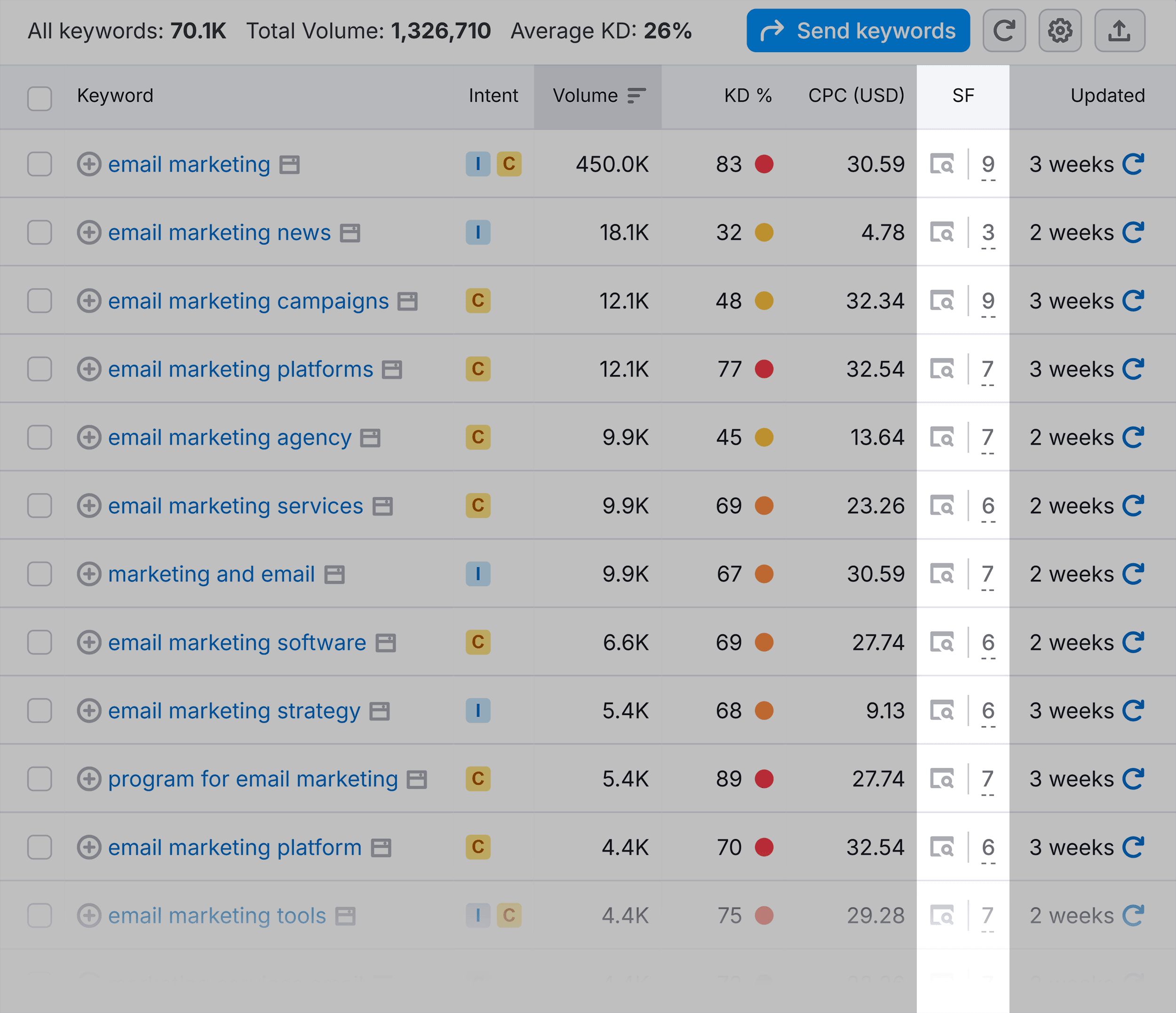
- Share of Voice in AI: Track how often your brand appears in AI answers compared to competitors.
- Branded Search Volume: A direct reflection of whether your PR and SEO efforts are driving actual awareness.
- Assisted Conversions: Use GA4 to track how many users interacted with PR/SEO content at some point in their journey, even if it wasn’t the final click.
The Future of Authority
The "always-on" authority engine is not a destination but a cycle. By aligning research, co-building assets, unifying outreach, and reporting on shared outcomes, companies can ensure they remain the primary source of truth in an AI-driven web.
As Rola Tfaili, Communications Manager at Xero, puts it: "When we treat our brand visibility as a collective responsibility, we stop competing for budget and start competing for the market." The siloed era is over; the era of integrated authority has begun.