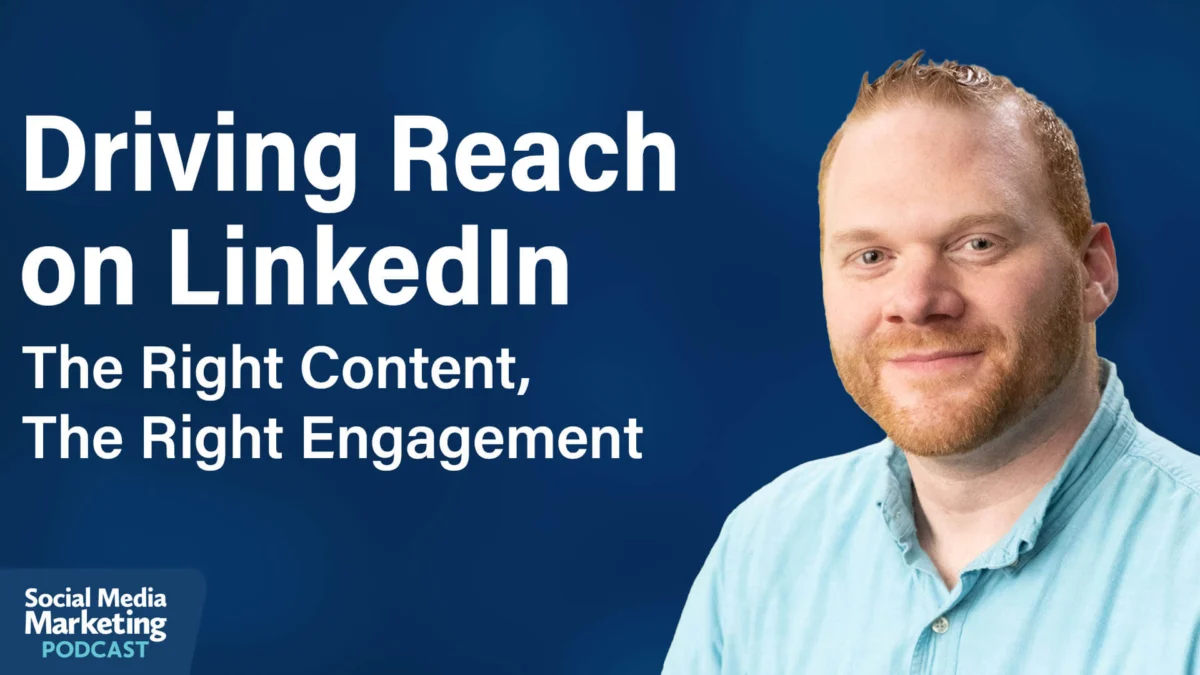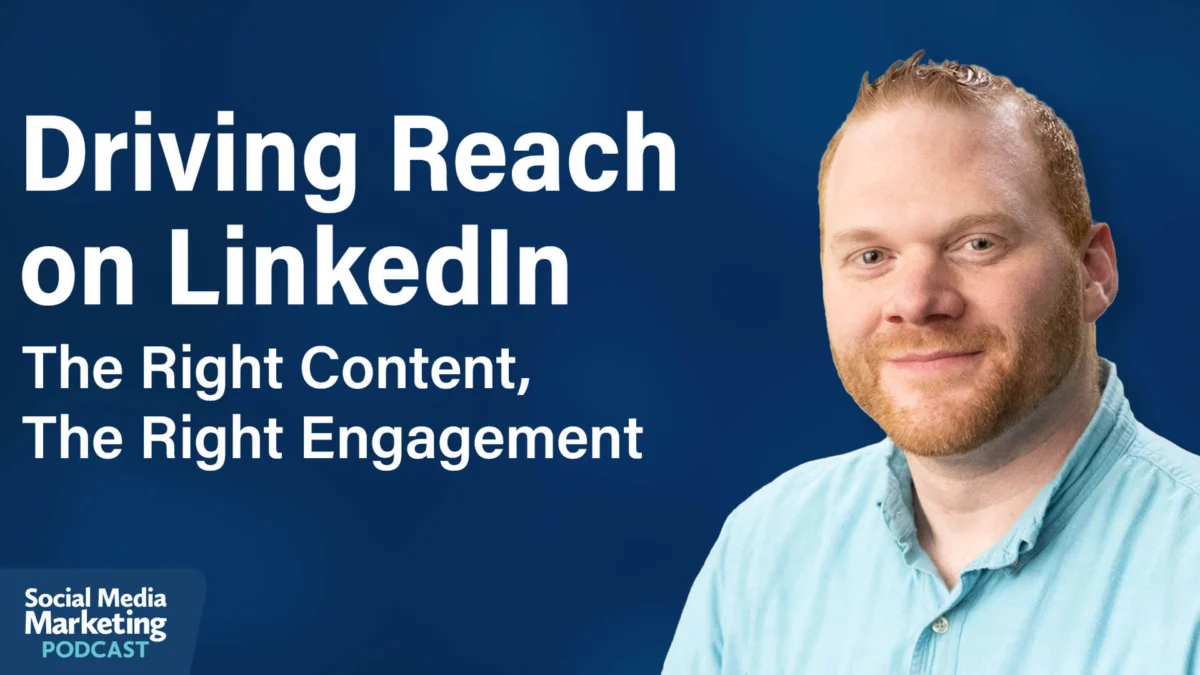
Is your LinkedIn reach plummeting? You are not alone. LinkedIn has quietly executed one of the most significant overhauls in its history, transitioning from a series of disparate, patched-together systems into a single, unified, AI-powered content engine. For marketers, creators, and business leaders, the "rules of the road" have changed. Success on the platform no longer hinges on who you know, but on what the algorithm understands you to be.
In this deep dive, we explore how LinkedIn’s rebuilt feed algorithm fundamentally alters the landscape of content distribution and provide a tactical guide for adjusting your strategy to thrive in this new environment.
The Shift: From Social Connections to Semantic Authority
Historically, LinkedIn’s feed was built on a foundation of "account relationships"—if you followed someone, you were likely to see their content. That era is over. The new LinkedIn algorithm operates on a principle of interest-based distribution.
Much like the evolution seen on YouTube, Facebook, and TikTok, LinkedIn has moved toward a system that surfaces content based on relevance to a user’s "professional journey." The AI now tracks your behavior to build an evolving map of your interests, rather than simply reacting to your most recent click.
The Power of Semantic Understanding
The most profound change lies in the algorithm’s ability to understand meaning rather than just keywords. Previously, if you wanted your post about "reducing churn" to be found, you had to hope your audience searched for that exact phrase. Today, the AI identifies the semantic intent behind your post. A piece on "customer retention strategies" will now reach users interested in "reducing churn," even if those exact words are absent from your text.
The Rise of the Specialist
This transition creates a distinct advantage for specialists. When you produce a consistent series of posts on a singular topic, you "train" the algorithm to associate your profile with that subject matter. This creates a compounding effect: the more you post about a specific niche, the more reliably the algorithm serves your content to the right audience.
Conversely, generalists—those who toggle between AI trends, pet photos, career fairs, and marketing strategy—face a significant disadvantage. The algorithm treats these as unrelated signals, failing to build "cumulative authority" in any one domain. To win in this new landscape, you must pick your lane and own it.
Chronology of the Update: How the "Brain" Evolved
The move to a unified AI brain did not happen overnight. It represents a multi-year effort to modernize LinkedIn’s infrastructure:

- The Fragmented Era: LinkedIn previously operated five separate, siloed systems to manage feed content. This led to inconsistent user experiences and "blind spots" in content discovery.
- The Integration Phase: The platform began moving toward a centralized, AI-driven model, prioritizing deep learning models that could interpret user intent rather than just surface-level engagement metrics.
- The Current State: The system now prioritizes "professional journey" tracking, using real-time data to predict which content will keep a user on the platform longer. This has moved the goalposts from simple "virality" to "topical authority."
Supporting Data: The Rise of "Invisible" Engagement
For years, marketers have obsessed over "vanity metrics"—likes, shares, and public comments. However, an analysis of over 600,000 LinkedIn posts across 63,000 accounts reveals that these public-facing signals are losing their influence.
The "Invisible" Shift
The algorithm is increasingly prioritizing "invisible interactions"—behaviors that do not trigger a public counter but indicate high user intent. These include:
- Clicks to expand: Tapping the "…more" button to read the full post.
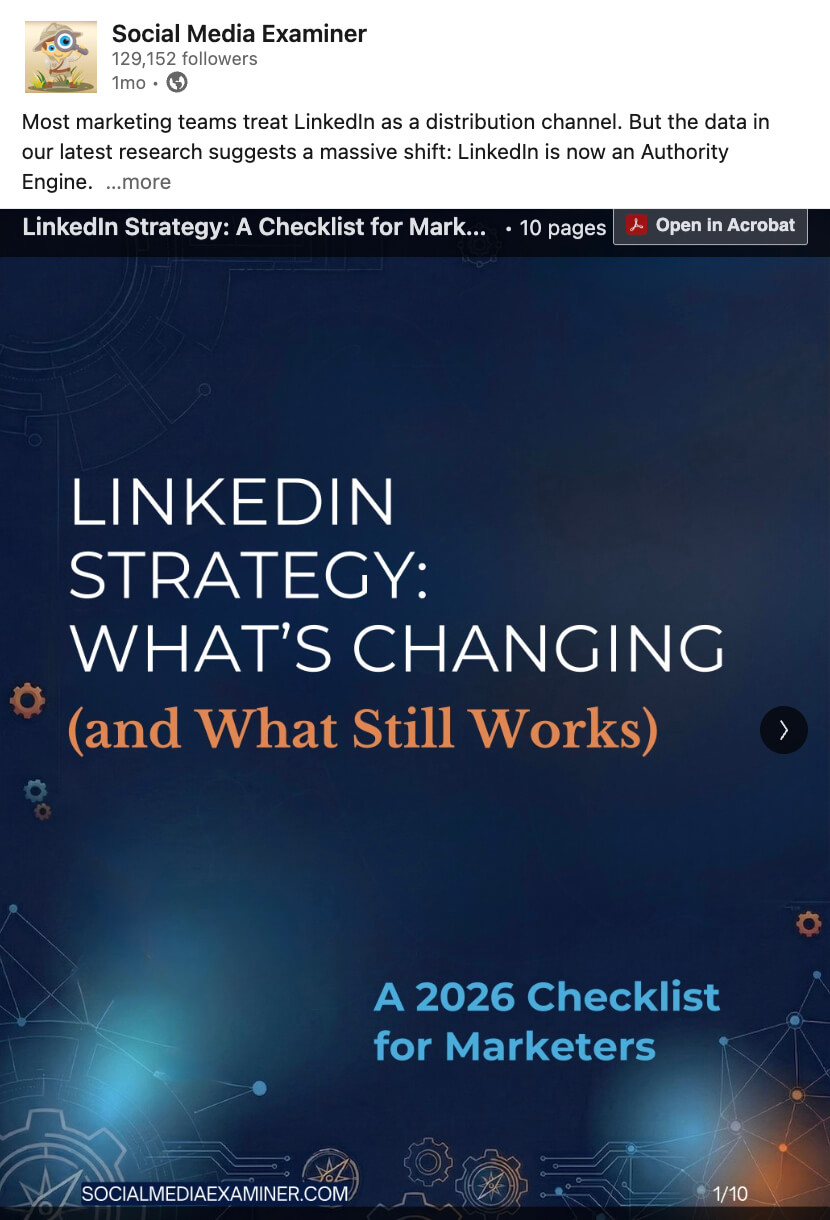
- Document swipes: Navigating through a carousel or PDF document.
- Video completion: Watching a video to the end.
- Profile visits: Clicking through to learn more about the author.
Data shows that incorporating these elements into your strategy can drive overall engagement up by nearly 14%. The algorithm views these actions as "high-signal" behavior, indicating that your content is compelling enough to warrant deep attention rather than a passive scroll-by.
Implications: Engineering Your Content for the New Feed
To capitalize on these shifts, creators must re-engineer their content workflows. AJ Wilcox, a leading LinkedIn Ads expert, suggests several actionable strategies to align with these invisible signals.
1. The Art of the "More" Click
Because half of all impressions on a LinkedIn post occur within the first 48 hours, you have a very short window to signal quality. Your opening hook is no longer just for show—it is a strategic necessity. A hook that creates genuine curiosity without giving away the conclusion forces the user to click "see more." This single click acts as a massive engagement signal to the algorithm that your post is worth further distribution.
2. Leverage Document and Carousel Posts
If you aren’t using carousels or document posts, you are leaving reach on the table. These formats require the user to interact with the post multiple times (swiping), which the algorithm tracks as distinct engagement signals. By turning your blog posts or step-by-step guides into a multi-page document, you provide the user with a better experience and the algorithm with more data points to validate your content’s value.
3. Comment Density over Comment Quantity
The era of the "one-line reaction" is waning. LinkedIn’s AI now analyzes the depth of a comment thread. A back-and-forth discussion between the author and the commenter is a much stronger signal of a "valuable conversation" than ten generic comments saying "Great post!"
Pro Strategy: Respond to comments within the first hour of posting. This "early engagement" tells the algorithm that the post is active and worth promoting to a wider circle. However, beware of AI-generated comment spam. The algorithm is getting smarter at identifying low-effort, mass-produced interactions, and engaging with them will not help your reach.
Avoiding Content Fatigue: A Reframing
Many creators worry that they are "repeating themselves" if they stick to a niche. However, AJ Wilcox offers two essential reframes for the seasoned expert:
- Your Audience is Always Rotating: The person reading your content today is likely seeing your perspective for the first time. Even if you have written about a topic 100 times, for a new segment of your audience, it is brand new information.
- Vary the Angle, Not the Subject: To avoid sounding stale, use your creativity to find new metaphors, formats, or perspectives. If you are a LinkedIn Ads expert, don’t just post about "lead gen"—post about "the psychology of the click," or "why your budget is failing." Using AI tools to brainstorm different angles on your core topic can help you maintain freshness without losing your specialist authority.
Conclusion: The Path Forward
The "new" LinkedIn is a platform that rewards consistency, depth, and genuine engagement. By moving away from vanity metrics and focusing on building authority within a niche, creators can successfully navigate the algorithm’s shift.
Summary Checklist for Creators:
- Identify your niche: Commit to being the go-to expert in one area.
- Optimize for the "More" click: Write hooks that demand interaction.
- Use Document/Carousel posts: Drive swiping behavior.
- Foster deep conversations: Respond to substantive comments to build thread density.
- Stay consistent: Remember that the algorithm is building a profile of your expertise over time—don’t dilute your signal with off-topic content.
As the platform continues to refine its AI-driven feed, those who prioritize high-value, original, and topical content will find themselves with more reach and influence than ever before. The algorithm is no longer a mystery to be hacked; it is a system to be fed with quality and intent.