In the modern digital landscape, the "one-size-fits-all" approach to email marketing is rapidly becoming a relic of the past. Thousands of businesses continue to blast identical campaigns to entire subscriber lists, oblivious to the fact that their audience is composed of individuals with wildly different motivations, pain points, and purchase drivers. When a beauty brand sends the same moisturizer advertisement to a customer with dry skin, a gift-giver, and a long-term user with a specific skin condition, they aren’t just missing the mark—they are eroding brand trust.
The solution to this disconnect is not better algorithms or more aggressive tracking; it is the strategic adoption of zero-party data. Unlike behavioral data, which relies on interpreting digital "breadcrumbs," zero-party data is information that customers intentionally and proactively share with a brand. It is the difference between guessing what a customer wants and simply listening to them.
The Evolution of Data: From Inference to Intent
To understand the shift toward zero-party data, one must first categorize the types of information brands typically gather. Historically, marketing relied heavily on first-party data: behavioral metrics like purchase history, click-through rates, and website dwell time. While useful, this data is purely reactive. It tells a brand what a customer did, forcing marketers to infer why they did it.
Zero-party data, a term popularized by Forrester Research, bypasses the inference stage entirely. It is data given by the consumer in exchange for value—such as a personalized skincare routine, a tailored style guide, or a discount. When a customer explicitly states, "I have oily skin and a budget of $50," the guesswork disappears.
The Death of the Third-Party Cookie
The urgency of this transition is underscored by the changing technological landscape. With the decline of third-party cookies and the tightening of privacy regulations by Apple and Google, tracking users across the web has become increasingly difficult. Brands that rely on "quietly scraped" data are finding their pipelines drying up. In contrast, brands building their strategies on transparently shared information are future-proofing their marketing engines. This shift doesn’t just improve ROI; it restores honesty to the brand-consumer relationship.
Chronology of a Data-Driven Strategy: How to Implement
Transitioning to a zero-party data model requires a systematic approach. It is not an overnight switch, but rather a structural evolution of the customer journey.
- The Pre-Purchase Phase (The Quiz): The journey begins before the first transaction. By implementing a high-intent quiz, brands can capture data points at the very start of the funnel. A successful quiz should feel like a consultative experience, not a data-mining exercise.
- The Post-Purchase Phase (The Survey): After the sale, the focus shifts to fulfillment and satisfaction. A post-purchase survey sent 24–48 hours after delivery fills in the gaps that transaction data leaves behind.
- The Retention Phase (Preference Management): Finally, building a robust preference center allows customers to curate their own inbox experience, choosing the frequency and content topics that matter most to them.
Supporting Data: The Power of the "High-Intent" Quiz
The quiz is arguably the most underutilized tool in the e-commerce arsenal. A well-designed quiz does more than just segment users; it creates an immediate value exchange. When a visitor answers five to eight questions to receive a personalized recommendation, they are effectively teaching the brand how to sell to them.
Key Design Principles for Effective Quizzes:
- Purpose-Driven Questions: Every question must lead to a better, more accurate recommendation. If a question doesn’t change the outcome, it shouldn’t be asked.
- Actionable Mapping: Data collection is futile if it doesn’t trigger a specific response in your Email Service Provider (ESP). For example, an answer of "oily skin" must trigger a unique, automated flow that differs entirely from the "dry skin" path.
- The "Goldilocks" Length: Research suggests that quizzes longer than eight questions see significant drop-off rates. Keep the experience snappy to maintain high conversion.
Platforms like Omnisend have simplified this process, allowing marketers to map quiz responses directly into customer profiles as custom properties. This ensures that the information captured on day one continues to influence the user experience months later.
Deepening the Relationship: Surveys and Preference Centers
Once the initial purchase is made, the goal shifts from acquisition to discovery. A post-purchase survey is an untapped goldmine of insights. Instead of asking for a generic Net Promoter Score (NPS), ask specific questions: "Why did you buy this?" or "What specific problem were you hoping to solve?"
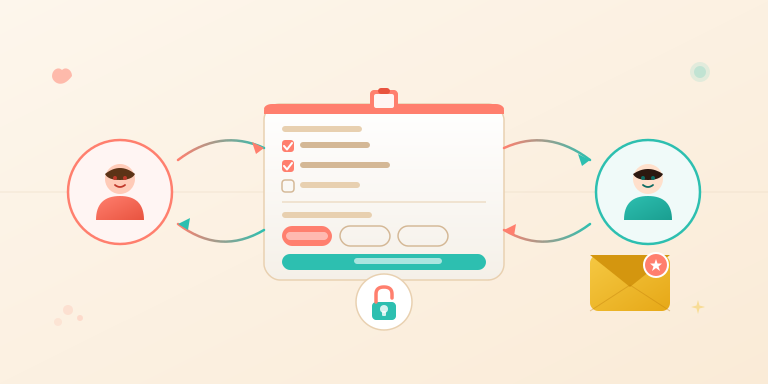
The Hidden Segment
You might discover that 40% of your buyers are purchasing products as gifts. If you treat these customers the same as "self-purchasers," your re-engagement emails will likely fall flat. By identifying the "gift-giver" segment, you can tailor your messaging for seasonal occasions and birthdays, creating a more relevant and empathetic communication strategy.
Furthermore, the "single-question" email is an underrated, high-impact tool. Sending a simple email with two or three response buttons—where a click automatically updates the subscriber’s profile—creates a low-friction way to maintain data hygiene and keep the dialogue fresh.
The Case for Preference Centers
Too many brands treat the "unsubscribe" link as the only way for a customer to control their inbox experience. This is a critical error. A well-designed preference center offers a middle ground between "receive everything" and "receive nothing." By allowing users to opt into specific content categories or adjust their email frequency, you turn a passive recipient into an active participant. Those who curate their own experience are statistically more likely to remain loyal, as they feel a sense of agency and respect from the brand.
Implications: Turning Data Into Revenue
The ultimate test of any data strategy is actionability. If the data you collect does not change the content, timing, or delivery of your emails, it is merely "vanity data" sitting in a spreadsheet.
Building Automated Flows:
- Onboarding: A user who identifies as a "beginner" should receive an educational, high-touch onboarding sequence. A "pro" user should receive more technical, advanced content.
- Feedback Loops: If a customer notes a delay in shipping via a post-purchase survey, that information should be visible to your support team and used to trigger a "we’re sorry" sequence in future communications.
- The Power of Combination: The real magic happens when you combine zero-party data (what they told you) with first-party data (what they actually bought). This multi-dimensional view allows for hyper-personalized messaging that is impossible to achieve with standard segmentation.
The Future of Email Marketing
The brands that win in the coming years will not necessarily be the ones with the largest email lists. They will be the ones with the most accurate, high-quality subscriber data and the infrastructure to act on it.
Zero-party data represents a shift in philosophy. It is an admission that the customer is the expert on their own needs. By investing in tools that prioritize this information—such as the advanced segmentation and automation capabilities found in Omnisend—brands can transform their email programs from a generic broadcast channel into a personalized conversation.
For founders looking to scale, the barrier to entry is lower than ever. Modern platforms offer migration services that move existing lists, flows, and templates in days, often at a significantly lower cost than legacy enterprise tools. With the added benefit of integrated SMS and advanced automation, the ability to build a highly responsive, high-converting email program is within reach for any business willing to listen to what their customers are telling them.
The era of guessing is over. The era of listening has begun. By respecting the data your subscribers choose to share, you earn the right to occupy their inbox—and, more importantly, their trust.