In the digital age, the inbox has become a battlefield. As calendar dates like Black Friday, Valentine’s Day, and the winter holiday season approach, the average consumer’s inbox transforms into a frantic landscape of aggressive discounting, scarcity tactics, and desperate subject lines. Phrases like "50% OFF EVERYTHING!" and "LAST CHANCE!" compete for precious seconds of human attention.
For many businesses, this "shout-to-be-heard" approach has become a default setting. However, data suggests that this strategy is increasingly yielding diminishing returns. As consumers become more adept at filtering out promotional noise, brands that rely solely on volume and discounts risk permanent alienation of their subscriber base. The challenge for modern founders and marketers is clear: how do you drive significant seasonal revenue without losing the trust of your audience?
The answer lies not in louder messaging, but in smarter, more intentional communication. This guide explores the architectural shifts necessary to move from transactional "spamming" to relationship-driven seasonal commerce.
The Core Philosophy: Selling Smarter, Not Harder
The modern consumer is hyper-aware of marketing tactics. When an email feels like a desperate pitch, the immediate reflex is the "delete" key. To avoid this, successful brands operate on a fundamental principle: seasonal campaigns should be an extension of the brand experience, not a disruption of it.
The Give-and-Take Ratio
A foundational strategy for sustainable email marketing is the "give-and-take" approach. For every promotional email sent—the "take" where you ask for a purchase—there should be at least two emails that provide genuine value. This value can take the form of educational content, behind-the-scenes storytelling, or curated inspiration that aligns with the season. By building a reservoir of trust through non-promotional touchpoints, your subscribers are psychologically primed to engage when the time comes for a sales-driven announcement.
Chronology of a Campaign: Planning for Success
The most common failure in seasonal marketing is the "reactive approach." If a business is scrambling to draft a Valentine’s Day campaign on February 13th, the quality and strategy of that communication have already been compromised.
Pre-Season: Laying the Groundwork
Effective seasonal strategies begin weeks, if not months, in advance. A robust content calendar should be the backbone of your marketing efforts. This involves:
- Mapping Moments: Identifying key seasonal milestones that resonate with your specific audience. Not every "National Day" is relevant; focus on those that align with your brand identity.
- Audience Prep: Using the months leading up to peak shopping seasons to nurture leads through high-value content, ensuring your open rates remain high.
- Infrastructure Audit: Ensuring that your technical tools, segmentation lists, and automation workflows are updated and tested long before the "go-live" date.
The Power of Narrative: Leading with Story
One of the most persistent mistakes founders make is leading with the discount. While a "30% off" banner is direct, it is also commoditizing. When a brand leads with a discount, it signals that the product’s primary value is its price, rather than its utility or emotional resonance.
Why Storytelling Wins
Psychological research provides a compelling argument for the narrative approach. Studies indicate that people retain approximately 63% of information presented in a story, compared to a mere 5% retention rate for standalone statistics or price points.
When you frame a seasonal campaign around a story—perhaps the design process behind a summer collection or a customer’s journey with a product—you provide context. The discount ceases to be the "whole cake" and instead becomes the "cherry on top." By humanizing the brand, you transform a transactional email into a narrative experience, significantly increasing the likelihood of conversion.
Supporting Data: Segmentation and Precision
Generic, "blast-all" emails are a relic of the early internet. Today, they are a primary driver of high unsubscribe rates. Segmentation is the antidote to the "Dear Valued Customer" approach.
The Logic of Segmentation
Segmentation allows for a surgical approach to marketing. Consider the following tiers of segmentation:
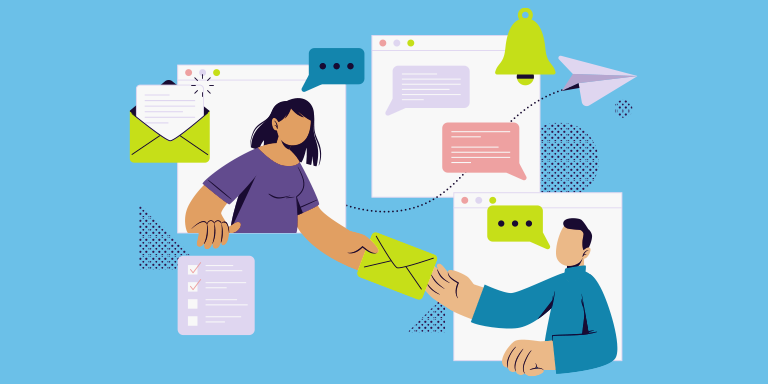
- Customer Lifecycle: A first-time subscriber requires a brand introduction, while a repeat customer seeks recognition and loyalty rewards.
- Behavioral Data: Browsing history and past purchase behavior allow for highly personalized recommendations.
- Engagement Levels: Identifying inactive subscribers allows you to run "re-engagement" campaigns, while rewarding your most active users with early-access perks.
Tools like Omnisend allow even the smallest teams to implement sophisticated segmentation without the need for a dedicated data science department. By treating your audience as individuals rather than a monolith, you ensure that every email feels relevant, timely, and intentional.
Official Perspectives: Creating Urgency Without Desperation
Urgency is a powerful psychological trigger, but there is a fine line between creating authentic anticipation and manufacturing artificial stress.
Authentic vs. Manufactured Urgency
"Used car salesman" tactics—such as all-caps subject lines and alarmist countdowns—often backfire. They create a sense of anxiety that leaves customers feeling pressured rather than inspired. True, sustainable urgency is rooted in:
- Exclusivity: Offering early access to loyal customers.
- Scarcity of Opportunity: Focusing on limited-edition releases where the time-bound nature is inherent to the product, not a fake deadline.
- Anticipation: Building excitement through a series of "tease" emails that keep the audience waiting for a specific launch time.
Founders like Lily of Luu Lounge have demonstrated this effectively. By building anticipation through a sequence of communications, she ensured her audience was "queuing up" for her product launches. In this scenario, the urgency was earned, and the sales were the natural byproduct of community engagement.
Implications: The Long-Term ROI of Respect
The implication of shifting away from "salesy" tactics is clear: you are playing a long-term game. While aggressive discounting might provide a short-term spike in revenue, it often trains customers to wait for sales, eroding your profit margins over time.
By contrast, a relationship-first approach builds brand equity. Subscribers who feel respected are more likely to become brand advocates, leading to higher customer lifetime value (CLV) and lower acquisition costs in the long run.
The Role of Automation
Automation is the key to maintaining this high-touch strategy at scale. By automating the "heavy lifting"—such as welcome sequences, abandoned cart reminders, and post-purchase follow-ups—founders can reclaim their time to focus on the creative aspects of their business. Automation should not mean impersonal; it should mean "always on" and "always relevant."
Conclusion: Turning Seasonal Moments into Growth
Seasonal email campaigns should not be viewed as a chore or a necessary evil. When executed with empathy and strategy, they are one of the most effective tools for deepening the bond between a brand and its community.
The successful founder understands that every email sent is an investment of the subscriber’s attention. By respecting that investment—leading with stories, segmenting for relevance, and creating authentic anticipation—you ensure that your business remains a welcome guest in their inbox throughout the year.
As you look toward the next seasonal window, ask yourself: Am I adding value to my customer’s day, or am I just adding to the noise? The brands that answer this question correctly are the ones that will define the future of sustainable e-commerce.
For those looking to refine their email and SMS strategies, tools like Omnisend offer the infrastructure to execute these complex, personalized campaigns seamlessly. Foundr readers can take advantage of a 50% discount on their first three months by using the code FOUNDR50 during sign-up.