The landscape of digital publishing has undergone a seismic shift. For years, the "niche site" business model was built on a singular, reliable foundation: optimizing content for Google Search and reaping the rewards of organic traffic. However, the introduction of Google’s Helpful Content Update (HCU) fundamentally broke that paradigm.
In a recent episode of the Niche Pursuits podcast, Amy Aitman—COO of Venture 4th Media and Director of Discovery & Delivery for ScaleVisible—shared her harrowing experience of navigating the post-HCU landscape. When her portfolio was hit by the update, the resulting decline in revenue and traffic forced a complete, painful, and necessary pivot in strategy. Her story serves as a masterclass in platform diversification, moving away from a "traffic-first" mindset toward a more resilient, "visibility-first" approach.
The HCU Crisis: When "Helpful" Felt Punitive
For many publishers, the Helpful Content Update was not merely a fluctuation in ranking; it was a systemic existential threat. Aitman describes the impact on her portfolio as a "gut punch."
"We had spent years leaning into the mantra of ‘written by humans, for humans,’" Aitman explained. "We weren’t a low-quality site. We were doing everything ‘right’ according to the old playbook. But when the HCU hit, it didn’t matter. If a site looked like a traditional content site, it was hammered."
The Operational Fallout
The financial implications were immediate and severe. The decline in traffic wasn’t a slow leak; it was a deluge that rendered entire business models insolvent overnight. For Aitman’s team, this necessitated a series of heart-wrenching decisions, including the temporary cessation of all content production and significant staff layoffs.
The psychological toll was equally significant. "You start to question your place in the industry," Aitman admitted. "When you see reputable, high-quality sites—the kind you’ve spent years building—lose their traffic in a single wave, it forces you to confront the reality that the platform you built your house on was never yours to begin with."
The Pivot: Moving Beyond Google Dependency
When organic search traffic disappears, the natural reaction for many entrepreneurs is to experiment with newsletters, social media, or paid ads. However, Aitman found that these tactics often fail to solve the core problem: the lack of a "top-of-funnel" engine that drives consistent, new attention.
"You can’t grow an email list without a steady stream of new eyeballs," she noted. "We had to find where the audience was already congregating. And when we looked at the SERPs, the answer was staring us in the face: Reddit."
The Rise of Reddit as a Search Powerhouse
While many marketers initially viewed the prevalence of Reddit in search results as an annoyance, Aitman’s team recognized it as a crucial signal. Reddit has become the "consensus engine" for the modern internet. When users perform a search, they are increasingly bypassing static articles in favor of real-world discussions, anecdotal evidence, and peer-to-peer recommendations.
Aitman highlights that even those who don’t have a Reddit account are consuming Reddit content. "My husband sends me screenshots from Reddit constantly," she says. "It shows how Reddit content travels. It’s no longer just a forum; it’s a primary source of information that Google is prioritizing over traditional, brand-controlled content."
The "Three-Legged Stool" Strategy
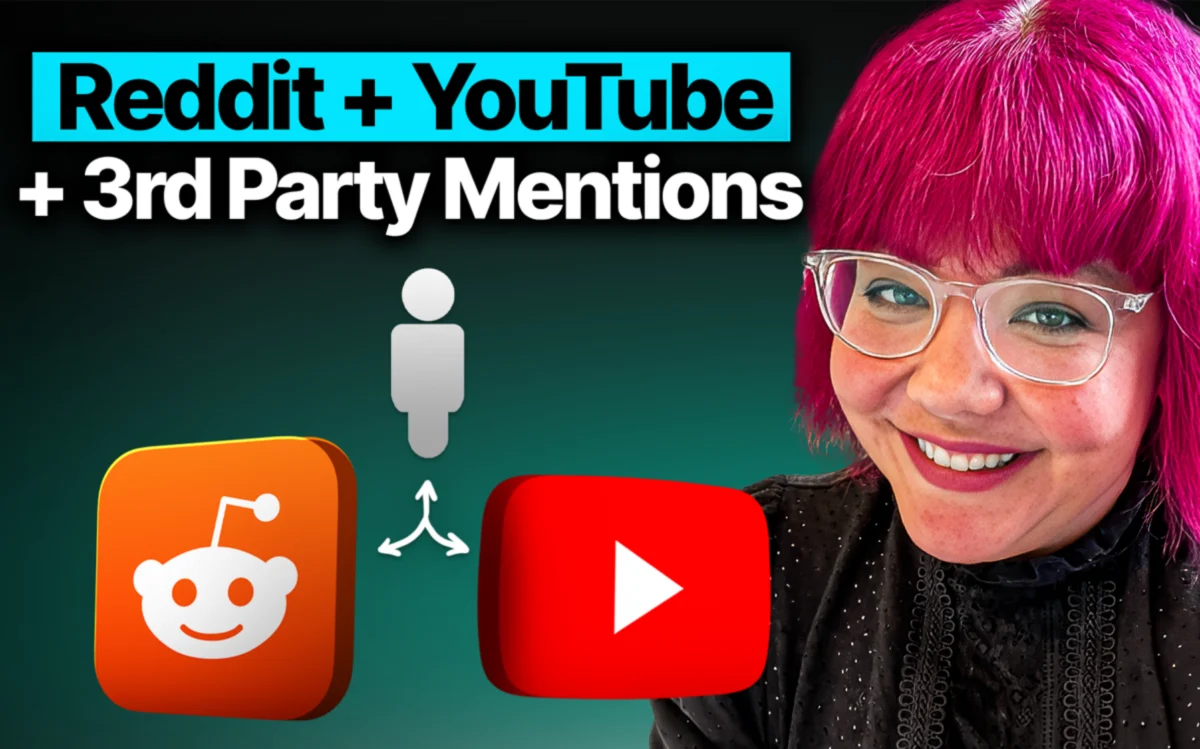
To mitigate future platform risk, Aitman has developed a framework centered on a "three-legged stool" of visibility: Reddit, YouTube, and Third-Party Editorial coverage.

1. Reddit: The Market Research Hub
Aitman argues that brands must stop treating Reddit as an advertising channel. Instead, it should be treated as a source of deep market intelligence. By monitoring subreddits, brands can identify:
- Customer Language: How do actual users describe your product?
- Objections: What are the common points of friction or doubt?
- Competitor Sentiment: What are users saying about your rivals?
The "Do Not" List for Reddit:
Aitman warns heavily against the "brand mention" rush. Many marketers use automated tools to find where their brand is mentioned, then flood those threads with promotional links. This is a recipe for disaster. Reddit is governed by decentralized communities with strict moderators. A single tone-deaf promotional post can lead to a ban that damages your brand’s reputation permanently.
2. YouTube: The Trust Factor
YouTube is no longer just for entertainment; it is a primary search engine for product comparisons and "best of" lists. Aitman’s team has managed over 50 YouTube channels, finding that video content is often given preference in search results over standard text articles. By creating video content that addresses specific user pain points, brands can secure high-visibility real estate that is much harder for an algorithm to "de-rank" overnight.
3. Third-Party Editorial
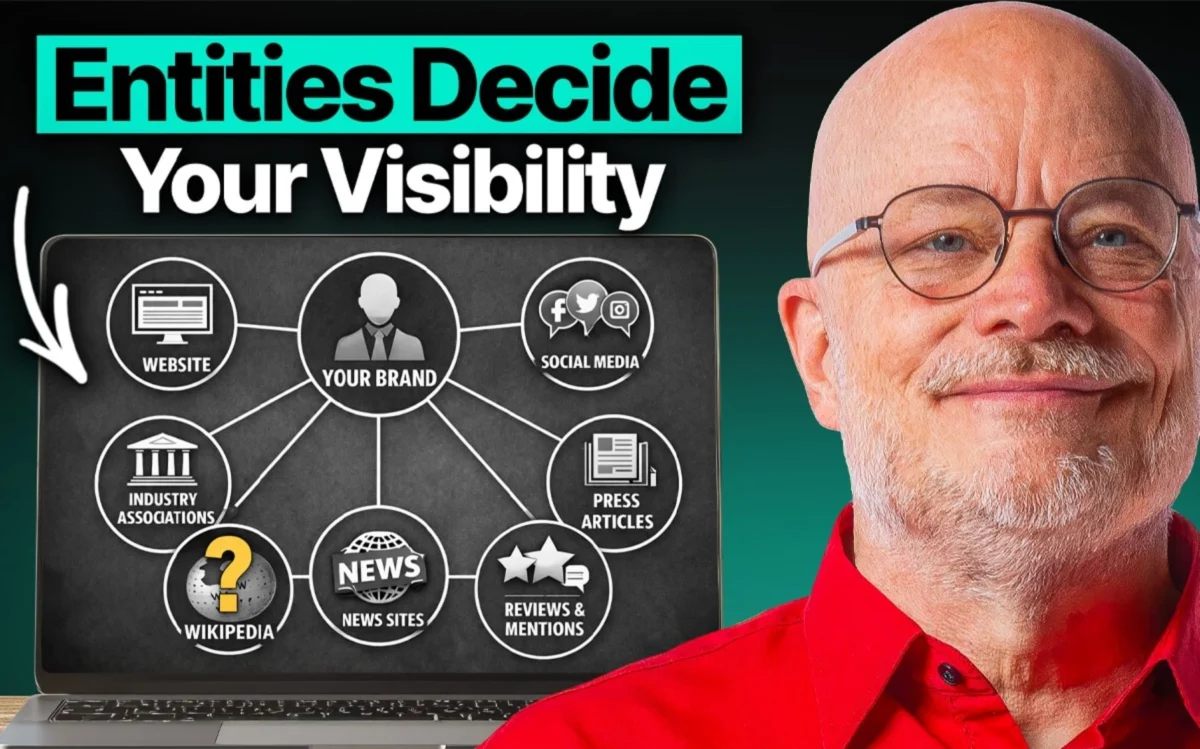
Visibility is not just about what you control; it’s about what others say about you. By securing features in third-party publications and niche-specific media, brands can build a web of consensus. In the modern, AI-driven search environment, Google and AI models look for "consensus." If you are mentioned favorably across a variety of trusted, third-party sites, your authority increases.
Visibility as a Strategic Metric
Perhaps the most profound takeaway from the interview is the reframing of success. Success is no longer measured solely by the number of clicks a site receives from Google. It is measured by visibility and consensus.
The "Ghost" vs. "Villain" Audit
Aitman suggests that companies perform manual audits of their search presence. By using incognito browsers and VPNs to simulate different user experiences, brands can categorize their digital footprint:
- The Ghosts: Brands that are well-known but fail to appear in AI summaries or top-tier search results. They are effectively invisible to the modern researcher.
- The Villains: Brands that are highly visible, but for the wrong reasons. An old, negative thread or a single viral complaint has become the "truth" that AI tools repeat back to users.
Implications for the Future of Publishing
The era of relying exclusively on SEO for a stable income is largely over. The modern digital marketer must transition from a "publisher" mindset to a "brand visibility" mindset.
For those currently struggling to recover from traffic losses, Aitman’s advice is simple yet demanding:
- Stop chasing algorithm updates.
- Start building a presence where the audience is already talking.
- Build a community, not just a content site.
Creating a branded subreddit, engaging in genuine conversation without a sales pitch, and leveraging video content are no longer optional. They are the new requirements for digital survival. As Aitman aptly concluded, the question is no longer "How do I get my Google traffic back?" but rather "Where is my brand being shaped, and how do I ensure I am present in those conversations?"
The "Helpful Content" era has forced a harsh, but ultimately healthy, evolution. It is moving the industry toward a more human-centric, consensus-driven model where trust—rather than just keywords—is the ultimate currency.