
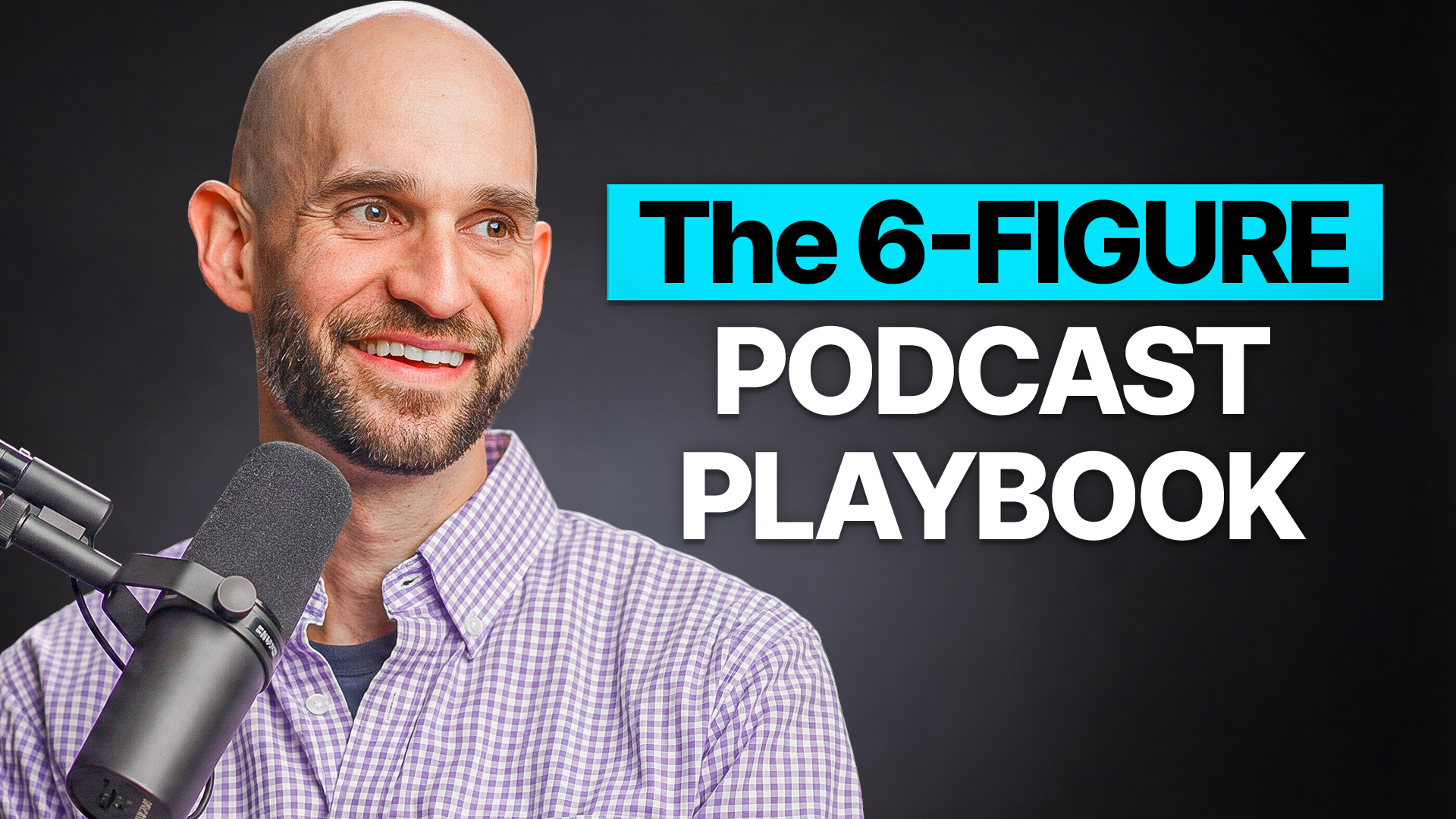
In the saturated world of digital media, few mediums offer the intimacy and loyalty of podcasting. Yet, for every breakout hit, thousands of shows languish in obscurity. To understand what separates the hobbyists from the industry titans, we turn to Nick Loper, the architect behind The Side Hustle Show. With over 700 episodes and a staggering 35 million lifetime downloads, Loper has transformed his podcast into a cornerstone of the creator economy. In a recent appearance on the Niche Pursuits podcast, Loper deconstructed the strategies, frameworks, and long-term vision required to build a podcast empire from the ground up.
The Genesis: From Corporate Exit to Content Creator
The story of The Side Hustle Show began in 2013, a period when podcasting was transitioning from a niche hobby to a professionalized medium. Having recently exited his corporate role, Loper was seeking a way to maintain intellectual curiosity while expanding his professional network. At the time, Loper was already managing a successful affiliate website in the footwear niche, but he felt the need for a more dynamic, human-centric platform.
Loper admits that his early days were marked by a common, paralyzing fear: "I was legitimately worried. Am I going to run out of people to talk to?" This anxiety, however, acted as a catalyst for rigorous networking and consistent production. Over the last thirteen years, that fear has been replaced by a surplus of opportunities; Loper now finds himself with more potential guests than available recording slots, a testament to the authority he has cultivated in the entrepreneurship space.
The Listener Pyramid: A Strategic Framework for Growth
One of the most profound insights Loper shared is his "Listener Pyramid," a four-tiered conceptual model that maps the lifecycle of an audience member. According to Loper, sustainable growth is impossible without a deliberate strategy to move individuals through these distinct phases:
- The Stranger: The vast majority of the global population who are unaware of the show’s existence.
- The Listener: Individuals who have discovered the content and tuned in for at least one episode.
- The Subscriber: Loyalists who have integrated the podcast into their weekly routine.
- The Fan: The brand evangelists who actively engage, share, and support the show’s commercial endeavors.
The core challenge for any podcaster, Loper argues, is the friction of transition. Moving a "stranger" to a "listener" requires aggressive focus on discoverability and high-impact storytelling. Moving a "listener" to a "subscriber" requires a promise of consistency and value. Finally, turning a "subscriber" into a "fan" requires community building and the creation of an emotional connection that transcends the audio file.
Discoverability and the Art of the Hook
In an era of algorithmic noise, discoverability remains the "great filter" of podcasting. Loper emphasizes that for a show to gain traction, it must solve a specific problem or satisfy a deep curiosity. His approach to early growth was predicated on creating titles that functioned as curiosity magnets. By focusing on tactical, high-value insights rather than generic industry chatter, he ensured that each episode provided an immediate "return on investment" for the listener’s time.
He advocates for a "storytelling-first" approach. Even in educational or business-oriented podcasts, the human element—the struggle of the entrepreneur, the turning point of the business, the failure that preceded the success—is what compels a stranger to press play.
Converting Listeners to Subscribers: The Role of the Email List
Perhaps the most significant pivot in Loper’s career was the decision to treat his email list as an extension of his podcast. He realized early on that relying solely on podcast platform algorithms was a risky strategy. By implementing lead magnets—exclusive checklists, templates, or bonus resources tied to episode content—he began capturing listener data.
This strategy transformed his growth trajectory. In his first year, he hovered around 1,000 subscribers. Through disciplined calls to action and the delivery of high-utility content, that number surged into the tens of thousands. The email list became the primary engine for the "flywheel effect," where content from the podcast is repurposed into newsletters, which in turn drive listeners back to new episodes. This creates a self-sustaining ecosystem that is shielded from the volatility of external platforms.
The Psychology of the Podcast Audience
Loper asserts that podcasting provides a level of engagement that written content—like blogs or articles—simply cannot match. While blog readers are often transient, dropping in to extract information before leaving, podcast listeners often spend hours a week with the host. This duration builds a "parasocial" bond that translates into high levels of trust.
"Podcast discoverability is hard," Loper notes, "but the loyalty is unmatched." This loyalty is the secret sauce behind the show’s monetization. When a host has spent hundreds of hours in a listener’s ear, recommendations for products or services carry the weight of a personal endorsement from a friend.
Monetization: The Long Game
The financial success of The Side Hustle Show is a lesson in patience. Loper did not attempt to monetize the show on day one. Instead, he prioritized growth and authority. Today, the show generates between $10,000 and $20,000 per month from sponsorships alone.
Loper’s model for sponsorship math is transparent: he focuses on CPM (cost per mille) rates that reflect the high-intent nature of his audience. However, he warns that sponsorships are merely one slice of the revenue pie. Successful podcasters, he explains, use the medium to launch their own products, consulting services, or premium community memberships. He pointed to the extreme success of niche-specific fan podcasts—such as those centered on pop culture icons—which can generate nearly $90,000 a month through fan-supported platforms like Patreon. This demonstrates that if the community is tight-knit enough, the monetization potential is limited only by the creator’s ability to offer value.
Implications for the Future of Podcasting
After 700 episodes, Loper has identified a clear pattern of what resonates: radical practicality. Audiences are tired of long-winded, theoretical discussions. They want actionable blueprints they can implement immediately. Shows that avoid fluff and prioritize the listener’s success tend to thrive.
For those considering launching a podcast today, Loper’s journey serves as both a roadmap and a cautionary tale. It is not a "get rich quick" scheme. It is a slow, methodical process of building trust. The barriers to entry in podcasting are low, but the barriers to success are high because they require consistency, vulnerability, and a relentless focus on the audience’s needs.
Final Takeaways for Aspiring Creators
- Define Your Niche: Don’t try to be everything to everyone. Solve a specific problem for a specific person.
- The Flywheel is Essential: Your podcast should feed your email list, and your email list should feed your podcast.
- Prioritize Utility: Every episode should leave the listener with something they can use, not just something they can think about.
- Patience is a Strategy: Monetization will follow authority. Do not rush the process; focus on building the "fan" tier of the pyramid first.
Nick Loper’s transition from a curious individual in 2013 to a media mogul in 2024 proves that while the podcasting landscape is crowded, there is always room for a voice that provides genuine value. By treating the audience as a community rather than a statistic, podcasters can build a durable, revenue-generating, and influential platform that stands the test of time. As Loper concludes, the key is to approach the medium with intention and to play the long game. In a world of fleeting content, the deep, sustained relationship of a podcast is, perhaps, the most valuable asset a creator can own.