In the rapidly evolving digital ecosystem of 2026, the mantra of "more content, more often" has hit a wall of diminishing returns. Marketers are facing a paradox: while AI-driven tools have made it easier than ever to flood the internet with copy, social posts, and email campaigns, conversion rates are stalling. Audience attention has become the scarcest commodity, and the "silent erosion" of email databases is threatening to leave brands shouting into a void.
To thrive in this environment, industry experts Jay Schwedelson and Michael Stelzner argue that marketers must abandon the search for a singular "silver bullet." Instead, success now hinges on the meticulous execution of small, consistent optimizations across the entire customer journey.
The Core Challenge: Why Conversions Are Harder Than Ever
The digital landscape has reached a saturation point. With the proliferation of generative AI, every brand—from multinational corporations to local boutiques—is outputting content at an unprecedented volume. This noise floor makes it increasingly difficult for authentic value to cut through.
Historically, marketers relied on broad-spectrum campaigns to capture leads. In 2026, however, consumer fatigue is at an all-time high. Users are more discerning, more protective of their data, and less likely to engage with generic prompts. The erosion of databases is also a silent killer; businesses lose approximately 20% of their contact lists annually due to job changes, inbox abandonment, and stale addresses. Without a proactive strategy for list growth and engagement, a company’s marketing foundation is effectively rotting from the inside out.
Chronology of a Failed Funnel: Where Most Brands Lose Ground
The decline of a customer’s journey often follows a predictable path of friction. Understanding this timeline is the first step toward intervention:
- The Entry Point (The Homepage): Users arrive, but they are met with poorly placed opt-ins. A "buried" link in a navigation bar is effectively invisible to a distracted visitor.
- The Friction Phase (The Landing Page): If a user clicks through, they are often greeted by desktop-first designs that fail on mobile, or they are forced to fill out long, cumbersome forms.
- The Stagnation Phase (The Post-Conversion): After a successful sign-up, many brands send a generic confirmation page. This is the moment of peak interest, yet most companies treat it as the end of the conversation rather than the beginning of a deeper engagement.
- The Deliverability Trap: As email providers (like Gmail and Outlook) prioritize "active engagement" over "passive opens," brands that fail to elicit clicks—rather than just views—see their emails relegated to the promotions or spam folders.
Four Pillars of Database Growth
To combat the 20% annual churn, growth must be a primary KPI. Here are the most effective strategies for 2026:
1. Hero-Level Opt-ins
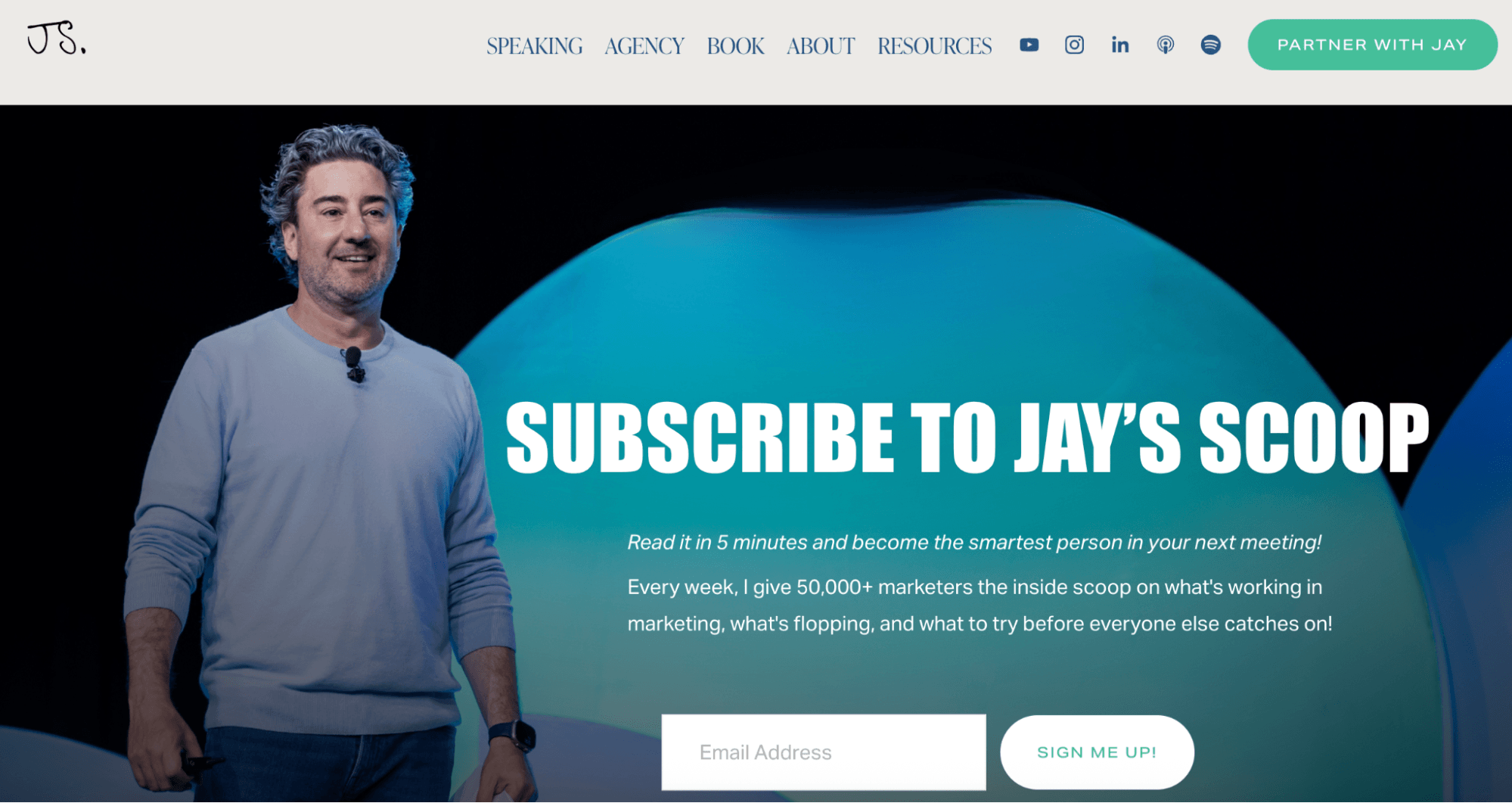
Stop hiding your value proposition. Your email opt-in should be the primary "hero" element in the center of your homepage. For e-commerce, the psychology of "access" often outperforms "discounts." By framing a signup as "Early Access" or "Insider Status," you tap into the modern consumer’s desire to be part of an exclusive group rather than just another transaction.
2. Behavioral Pop-ups
Stop worrying about "annoying" your visitors. When implemented correctly, pop-ups convert. The key is timing and copy. Triggering a pop-up after 30 seconds of activity on a pricing page—rather than immediately upon arrival—can boost conversion rates to over 10%. Furthermore, utilizing "Yes/No" language that reinforces the user’s identity—e.g., "Yes, send me my guide!" vs. "No, I prefer to stay uninformed"—dramatically increases psychological commitment.
3. Precision Paid Acquisition
Organic reach is struggling, making paid acquisition a necessity. Currently, Instagram Reels/Stories and Reddit lead-gen ads offer the highest ROI. By using on-platform lead forms, you keep the user within the environment they trust, removing the friction of a slow-loading website. These platforms are currently delivering new subscribers at an acquisition cost between $2 and $3.

4. Endorsement-Style Newsletter Placements
The most effective paid placements are not banner ads; they are native endorsements. When a newsletter creator writes about your product in their own voice, the trust they have cultivated with their audience is transferred to your brand.
Fixing the Landing Page: Removing Friction
A 5% conversion rate is not a "benchmark"—it is a failure to capture 95% of your traffic. To reverse this, marketers must adopt a "mobile-first" mindset.
- Strip the Navigation: A landing page should have one goal and one goal only. Remove all headers, footers, and menu items that could lead a visitor away from the offer.
- Visual Continuity: The image used in the ad or email must be the hero image on the landing page. This visual handshake reassures the user they have arrived in the right place, increasing conversion by roughly 10%.
- The "Submit" Button Problem: Never use the word "Submit." It sounds like a tax form. Use first-person language that reinforces the value, such as "Yes, get my free guide" or "Count me in for the webinar."
The Power of the "Thank You" Page
The "Thank You" page is the most undervalued piece of real estate in marketing. The user has just invested time or money; they are at their peak level of trust. Instead of a dead-end "Thank you for subscribing," use this space to offer a second, relevant freebie or a product recommendation.
Pro Tip: Track which users take a second offer. This behavioral signal is a goldmine for segmentation. Users who engage twice are statistically much more likely to become long-term, high-value customers.
Protecting Deliverability Through One-Click Actions
The rules of email marketing have changed. Engagement is now measured by "clicks," not "opens." If your emails are not generating clicks, your deliverability will suffer.
The "This or That" quiz is a powerful, simple solution. By including a one-click choice in the body of an email, you force an interaction. Not only does this signal to the ISP that the sender is reputable, but it also provides the marketer with invaluable data about the subscriber’s interests. This data allows for hyper-personalized future sends, creating a virtuous cycle of engagement and deliverability.

Implications for the Future of Marketing
The implications of these shifts are clear: the "spray and pray" era of marketing is officially dead. In 2026, the brands that win will be those that respect the user’s time, provide immediate value, and treat every touchpoint—from the homepage to the post-purchase thank you page—as an opportunity for optimization.
The "quick wins" discussed here are not merely shortcuts; they are structural changes to how a business interacts with its audience. By focusing on database hygiene, removing landing page friction, and prioritizing click-based engagement, marketers can stop the silent erosion of their lists and begin building a resilient, high-converting ecosystem that survives and thrives in the noise of the AI era.
Ultimately, conversion in 2026 is about consistency, psychology, and the relentless pursuit of removing barriers. If you can make it easier for the customer to say "yes," the conversions will follow.