The landscape of generative AI is undergoing a seismic shift. For the past two years, the industry has been defined by the "chat" paradigm: users prompting models, waiting for text, and manually copying those results into external workflows. However, a new class of "agentic" software is emerging, designed to bridge the gap between AI reasoning and real-world execution.
Leading this transition is Claude Cowork, a powerful desktop application launched by Anthropic in January 2025. Unlike a standard chatbot, Cowork is engineered to operate as an autonomous assistant, managing files, executing complex tasks, and coordinating workflows across your digital environment. By shifting the user’s role from "prompter" to "manager," Cowork promises to solve the persistent issues of context limits, repetitive manual labor, and the friction of disconnected toolsets.
The Core Philosophy: Moving Beyond the Chatbox
To understand the value of Claude Cowork, one must distinguish it from the traditional web-based interface of Claude. In the standard browser experience, the model is a consultant—it provides advice, generates text, and stops. It requires constant hand-holding.
Dan Nestle, an AI strategist and early adopter of the platform, describes the difference with a vivid professional analogy: "A standard Claude Project is like a bright new hire who constantly stands at your desk asking for direction. Cowork is the experienced employee who takes a clear brief, goes off to handle it, and only comes back when something requires your input."

Cowork functions as an agentic layer that coordinates three pillars of functionality: Projects, Connectors, and Skills. By delegating the execution of multi-step processes to these agents, users can reclaim the time previously spent on micromanagement.
Real-World Applications: From Web Management to Scale
The utility of Cowork is best illustrated through its practical applications in business environments.
1. Automated Website Maintenance
Technical tasks that previously required specialized coding knowledge are now accessible. In one instance, a user needed to inject complex advertising and tracking code into a WordPress environment. Rather than hiring a developer or attempting a risky manual update, the user authorized Cowork to access the WordPress backend. The agent navigated the dashboard, identified the necessary plugin for code injection, analyzed the top-rated options, and—upon receiving approval—executed the installation and placement of the code without interrupting site functionality.
2. Autonomous Content Production
Cowork excels at scaling creative output. By linking a "Content Creation" project—which contains established brand voice, editorial guidelines, and target parameters—to the Cowork engine, a user can provide a high-level instruction such as: "Search for daily industry trends, extract source material, and generate three summaries and two LinkedIn posts." The result is a hands-free production cycle that delivers finished, on-brand content before the user starts their workday.

3. Model Optimization
As AI models evolve, prompt engineering becomes a moving target. System instructions that were perfect for older versions of Claude may become inefficient for newer, more capable iterations like Opus 4.6. Cowork can be tasked with "optimizing" these prompts. It analyzes the existing instructions, compares them against the capabilities of the newer model, and rewrites them to maximize performance, allowing the user to simply copy and paste the updated system logic back into their workflow.
4. Chrome-Based Tasking
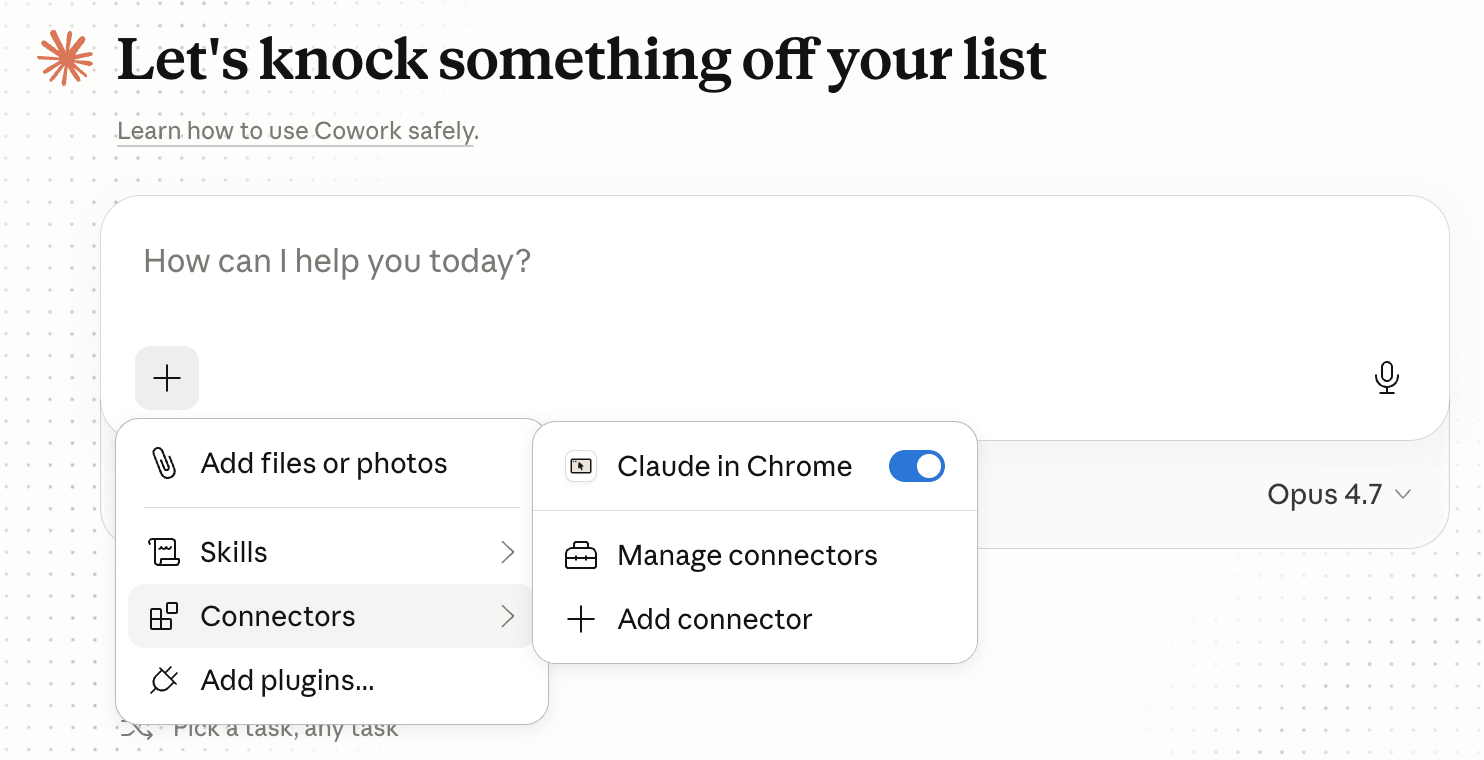
Perhaps the most potent feature is Cowork’s ability to operate within a browser. By opening a dedicated Chrome tab group, Cowork can perform tasks in the background—filling out forms, proofreading web copy, navigating software-as-a-service (SaaS) dashboards, or logging into authorized platforms. The user receives a play-by-play summary in the chat interface and can jump into the "work" tab at any time to oversee the agent’s progress.
Security, Compliance, and Data Governance
While the efficiency gains are significant, the integration of an autonomous agent into a computer’s file system necessitates a high degree of caution.
Permission Management
Cowork operates on a principle of explicit authorization. It will not access a file or website without an explicit prompt-based request and subsequent user approval. While early adopters like Dan Nestle have expressed confidence in running Cowork on primary machines, users are encouraged to maintain a "zero-trust" mindset, treating the agent as they would any third-party software with deep system access.
The "Training Data" Factor
By default, standard Claude Pro and Max plans use user interactions to train future models. When utilizing an agent that has access to proprietary files, emails, and sensitive project data, this poses a clear risk. Users are strongly advised to manually opt out of training data sharing within their Claude settings before deploying Cowork. For Enterprise and Team users, this is typically disabled by default, though these users face a different challenge: the lack of a formal, documented audit trail. Organizations with strict compliance requirements should consult their internal security teams to ensure Cowork’s activity logs align with their data retention and audit policies.
Getting Started: A Step-by-Step Guide
1. Deployment
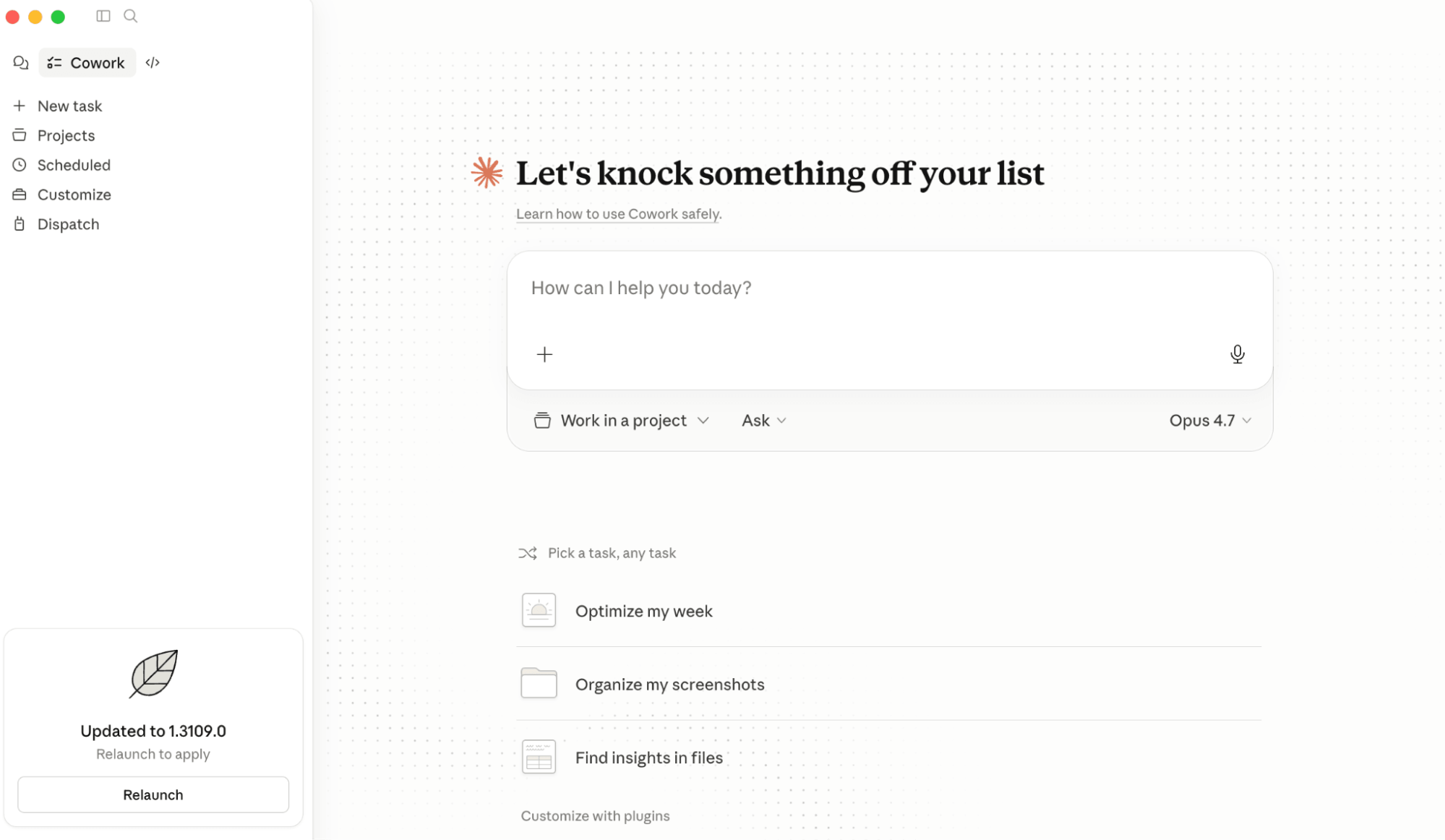
Cowork is not a browser-based tool; it is a desktop-first application. To begin, users must download the official Claude desktop application for Mac or PC. Once installed, the interface mirrors the familiar web-based chat, but with the added "agentic" capabilities required to interface with local files and third-party tools.
2. Integrating Projects
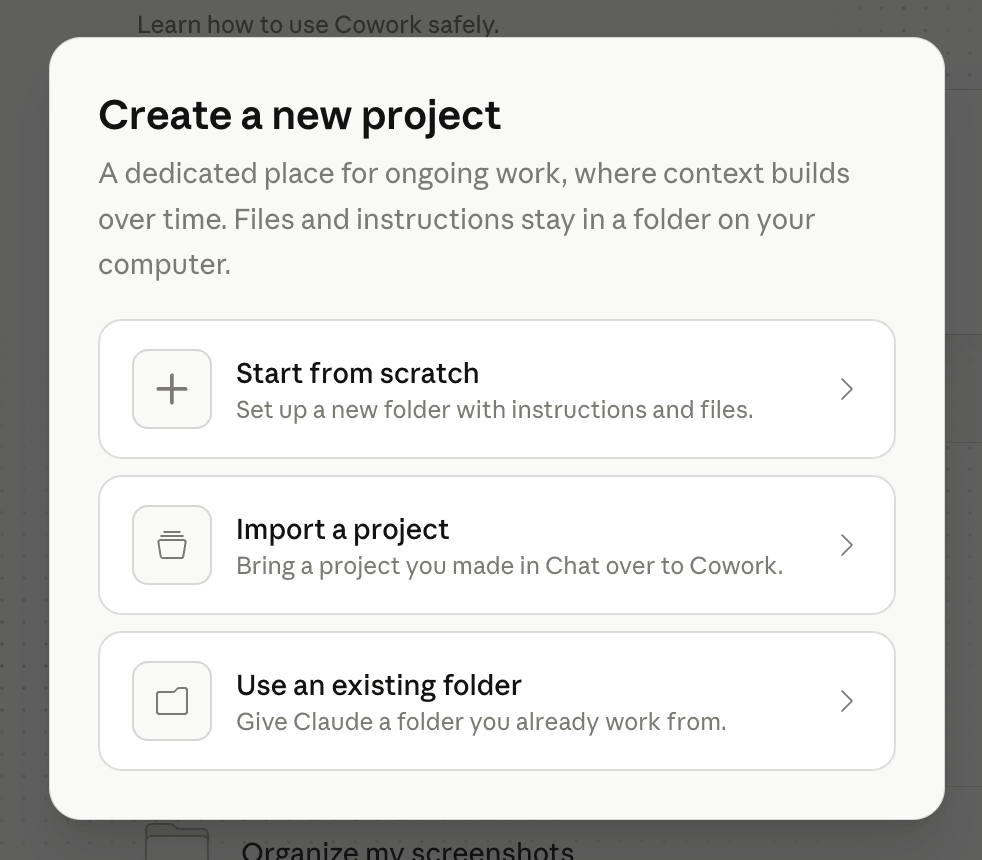
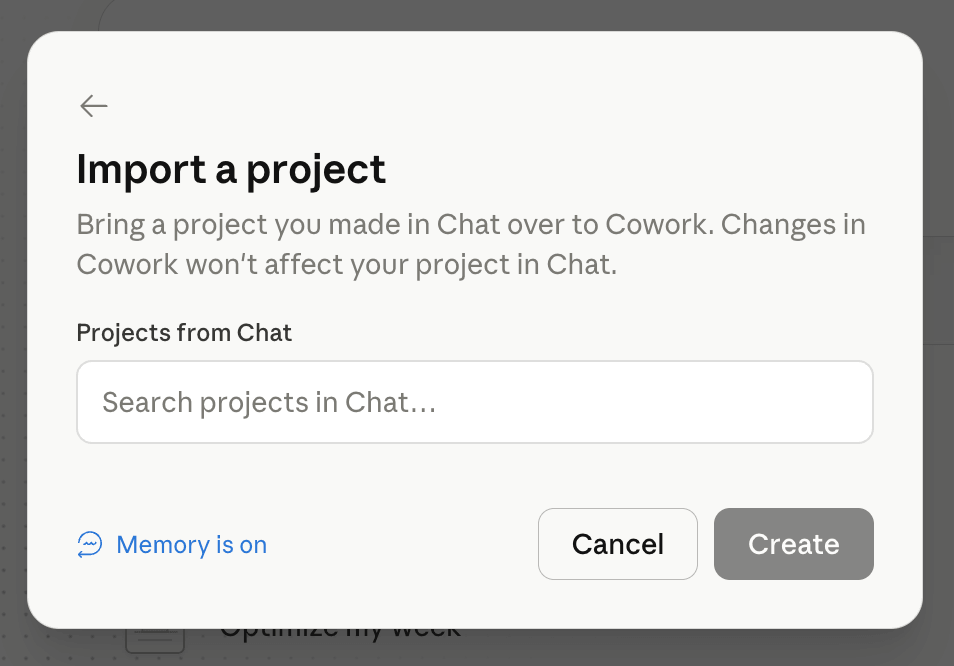
Projects in Claude serve as the "brain" of the agent. By navigating to the "Work In a Project" dropdown, users can import existing project files—including PDFs, research notes, and brand guidelines—into the Cowork session. Once connected, the agent inherits the entire knowledge base and behavioral constraints of that project.
3. The Role of Connectors
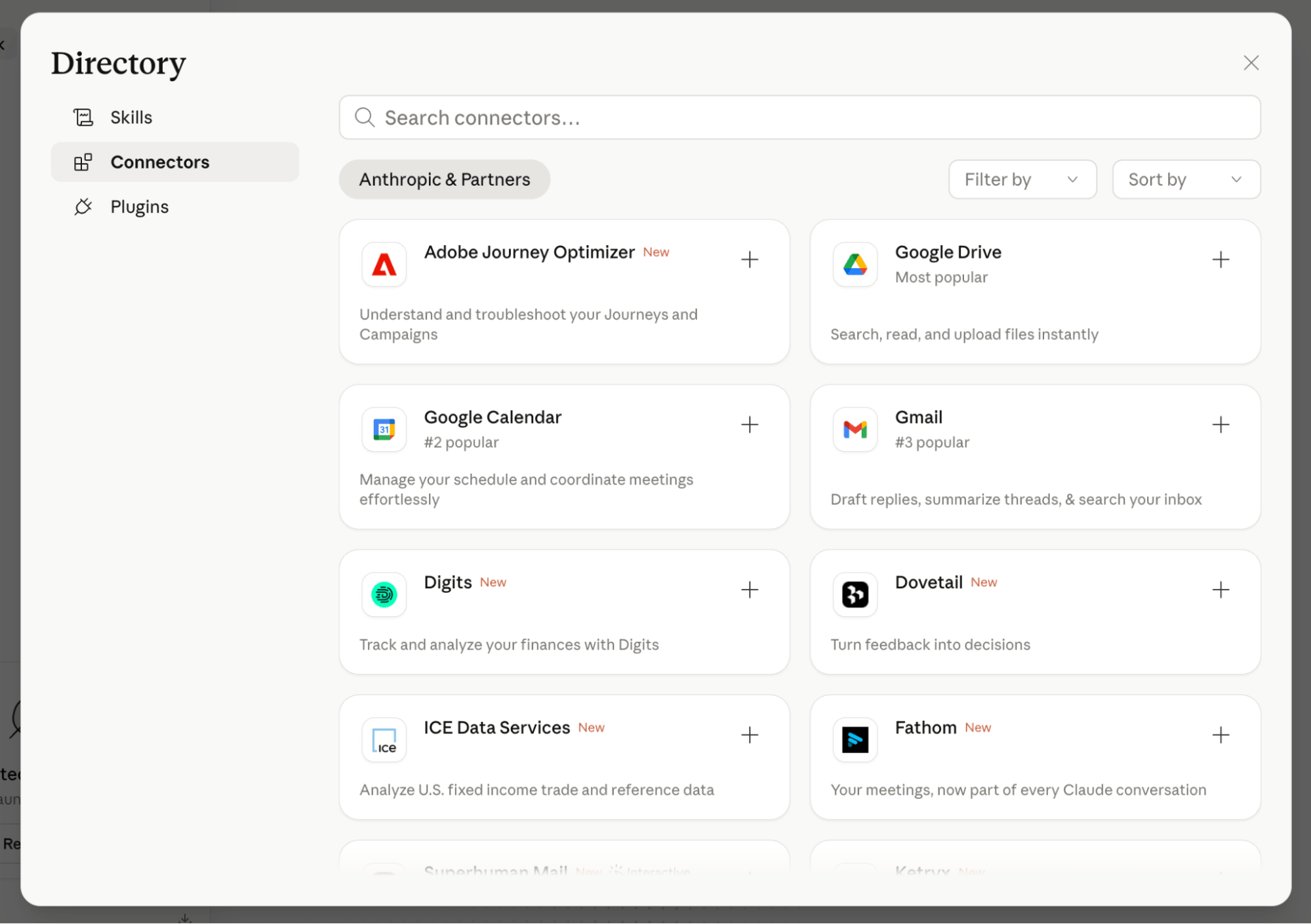
Connectors act as the bridge between Claude and the wider web. They allow the agent to interface directly with platforms like Airtable, Asana, GitHub, Gmail, and Google Drive. Instead of the user manually moving data between apps, the user simply asks, "Save this report to my Drive," and the agent executes the transfer. More complex automations can be offloaded to Zapier or Make, which are also available as integrated connectors.
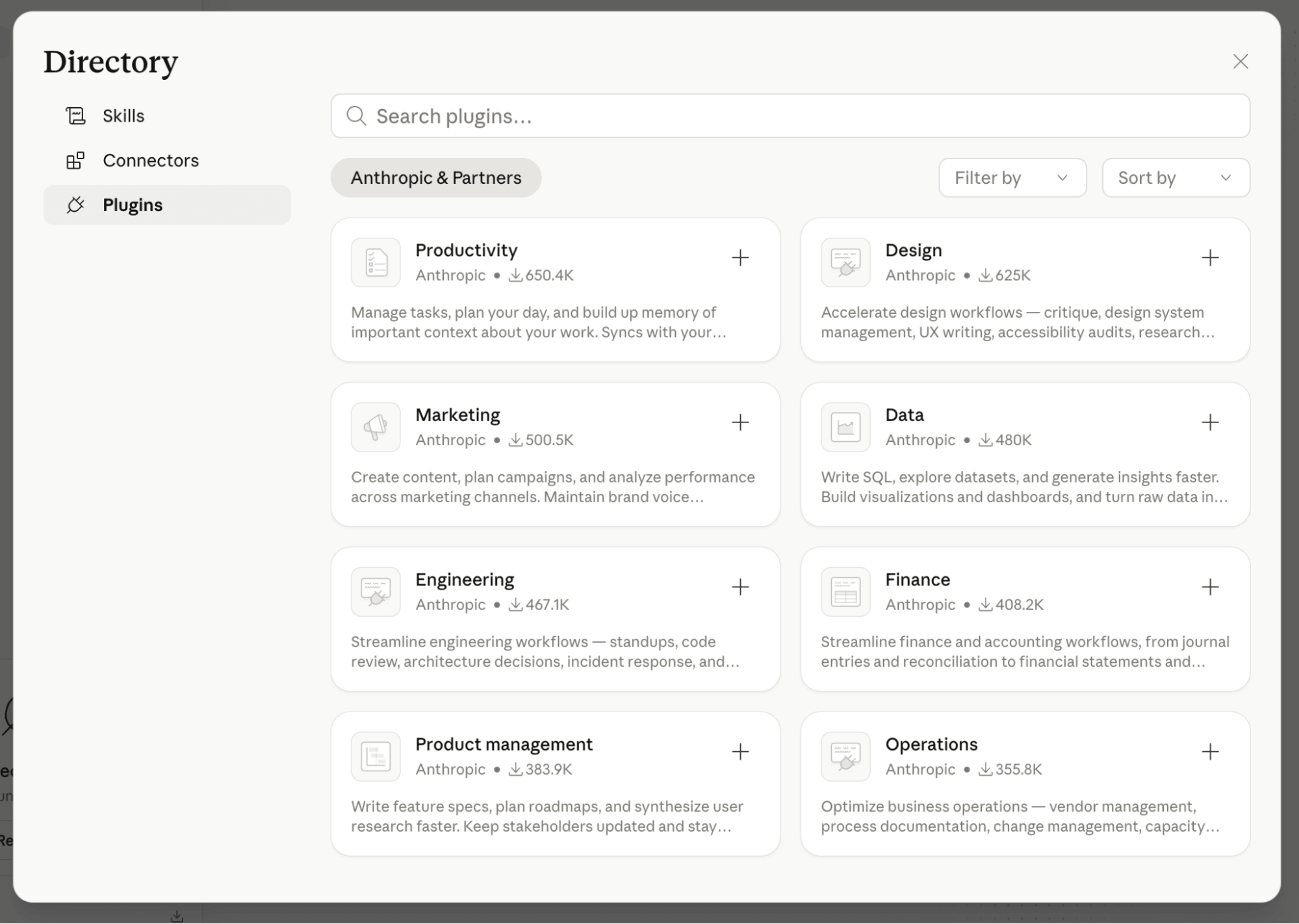
4. Leveraging Skills and Plugins
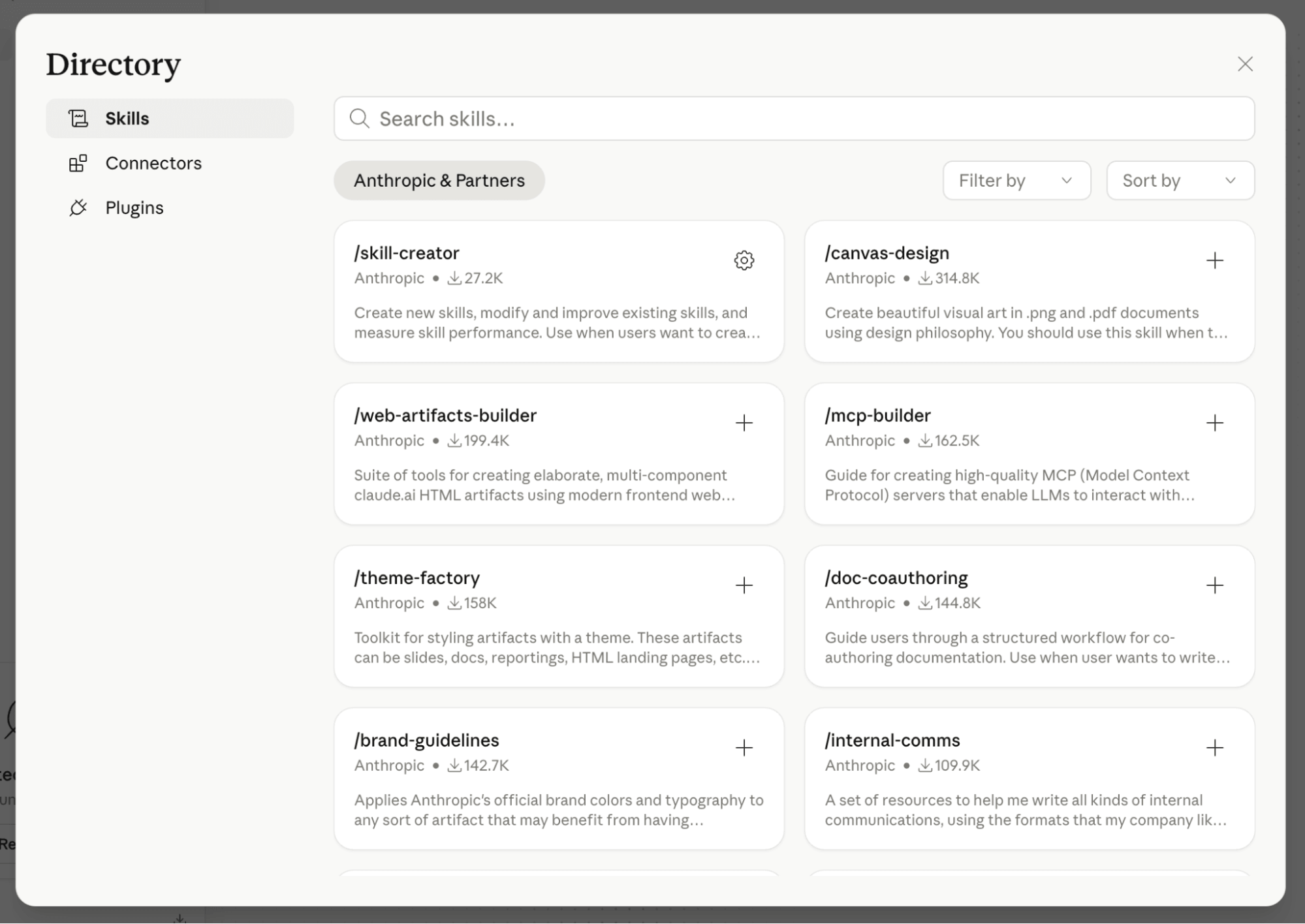
Skills are the "mini-apps" of the Cowork environment. A skill is essentially a packaged set of instructions for a repetitive task. For example, a user can create an "Ideal Customer Profile (ICP)" skill. Once saved, the user can ask the agent to "Run this proposal by my ICPs," and the agent will automatically evaluate the work against the predefined customer personas.
Plugins, meanwhile, represent collections of related skills. A "Marketing Plugin," for instance, might bundle skills for social media scheduling, SEO keyword research, and email drafting. These bundles provide a modular way to expand the agent’s capabilities without cluttering the main interface.
Implications for the Future of Work
The introduction of Claude Cowork signifies the end of the "AI-as-a-Chatbot" era and the beginning of the "AI-as-an-Employee" era.
For the average professional, the implications are profound. We are moving toward a workflow where the human acts as the orchestrator. The value proposition is no longer about the ability to write a clever prompt; it is about the ability to design a robust, repeatable workflow.
However, this transition requires a new set of skills:
- Systems Thinking: The ability to break down complex projects into modular tasks (Skills) and workflows (Plugins).
- Data Hygiene: Ensuring that the files and projects fed into the AI are accurate, organized, and compliant with privacy standards.
- Supervisory Oversight: The ability to audit the output of an agent, ensuring that while the execution is automated, the strategic intent remains intact.
As Claude Cowork continues to evolve, the distinction between "working with a computer" and "working with an AI" will continue to blur. For those willing to learn the architecture of these new agentic systems, the result is a massive leap in personal and organizational productivity. The question for businesses is no longer "How can I use AI?" but rather "How can I better manage my digital workforce?"