For decades, the promise of artificial intelligence was tethered to a high barrier of entry: you either needed to be a software engineer, or you needed to hire one. Today, that paradigm is shifting. As NVIDIA CEO Jensen Huang famously noted during the GTC conference, we have reached an "iPhone moment" for AI—a point where the technology transitions from a complex tool for specialists to an accessible, everyday utility for business owners, marketers, and independent creators.
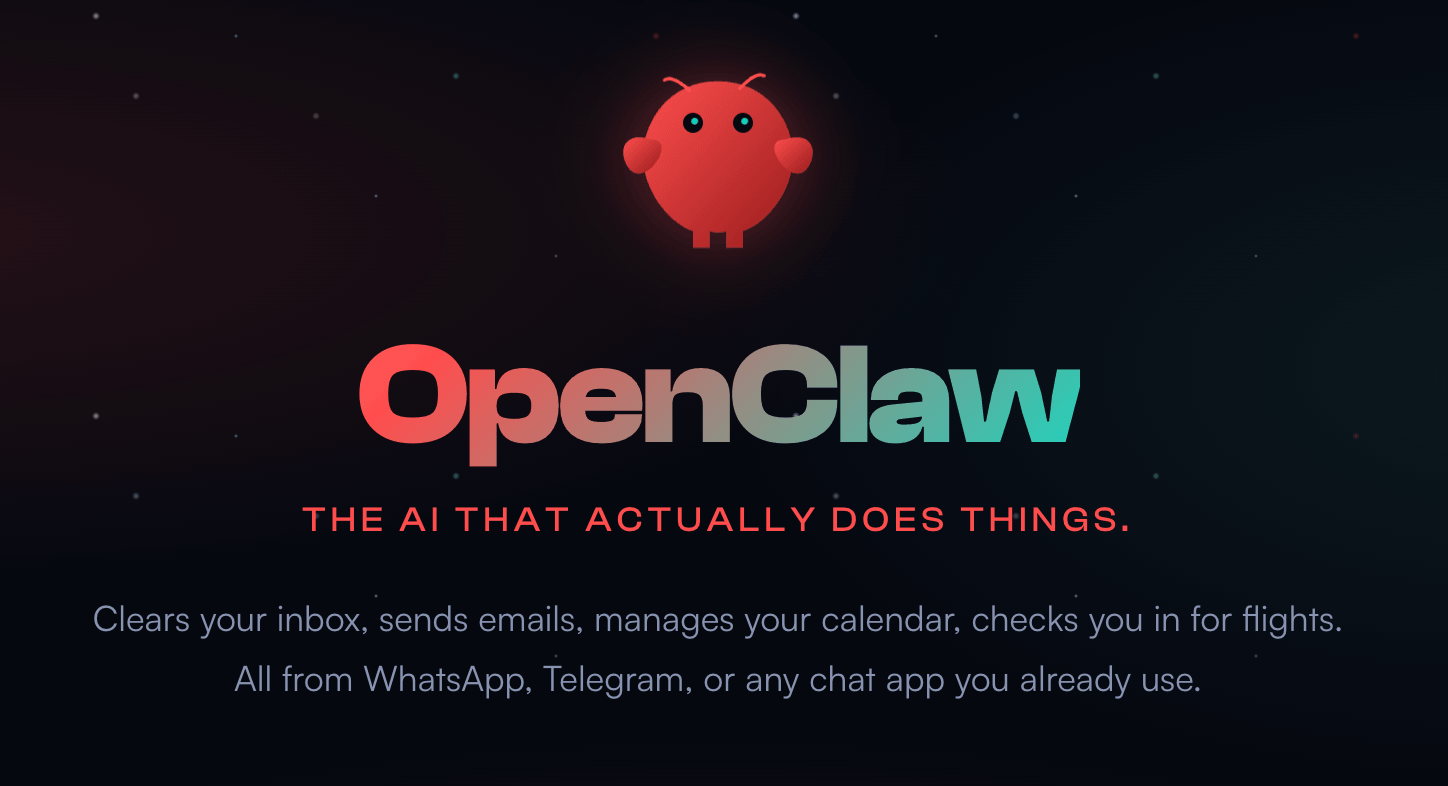
At the center of this transformation is OpenClaw, an open-source platform designed to democratize the creation and deployment of AI agents. Unlike the chat-based models that currently dominate the market, OpenClaw provides a framework for autonomous, persistent, and task-oriented agents that function more like a digital workforce than a simple chatbot.
The Architecture of Autonomy: How OpenClaw Works
To understand the impact of OpenClaw, one must first distinguish it from standard Large Language Models (LLMs) like ChatGPT, Claude, or Gemini. While those platforms are designed for conversational query-and-response, OpenClaw operates as a layer of "agency" built on top of these models. It is defined by three fundamental pillars:
- Seamless Communication: OpenClaw integrates with the messaging platforms you already use, such as Telegram, Slack, or WhatsApp. Instead of forcing users to toggle between browser tabs to interact with an AI, OpenClaw meets you where you work, allowing you to delegate tasks via a quick message to a "colleague."
- Autonomous Execution: Perhaps its most disruptive feature, OpenClaw possesses the ability to interact with a computer system as a human would. It can open browsers, navigate complex web interfaces, click buttons, and execute multi-step workflows. It is not just writing text; it is performing labor.
- Persistent Memory: Standard AI sessions are typically ephemeral. OpenClaw, however, maintains a stateful memory. It stores your preferences, business constraints, and past learnings in locally managed files. It remembers the goals you set weeks ago and can proactively adjust its behavior based on your long-term objectives.
Real-World Applications: From Content Automation to Biological Analysis
The utility of an autonomous agent is limited only by the user’s intent. Currently, early adopters are leveraging OpenClaw to reclaim hundreds of hours of manual labor.
The Social Media Content Engine
Mike Russell, a prominent digital creator, has successfully deployed an OpenClaw agent to manage his "Creator Magic" presence on X (formerly Twitter). The agent acts as an end-to-end production studio: it monitors his YouTube channel, ingests new long-form video content, clips the most engaging segments, and publishes them as cohesive threads. Furthermore, by integrating the "Auto Research" framework, the agent recursively tests various writing styles and formats, analyzing view counts in real-time to optimize its output for maximum engagement.
Personalized Health Analytics
Beyond business, OpenClaw is being used to synthesize massive datasets into actionable health advice. By connecting an agent to a Garmin smartwatch—even without a public API—OpenClaw researched the necessary Python libraries to bridge the gap and extract five years of health metrics. It then analyzed these files alongside personal DNA reports from 23andMe and historical blood test data. The result is a proactive health coach that suggests dietary changes and activity levels based on the user’s specific biology.
The Setup: A Step-by-Step Guide for Non-Engineers
While the technology is powerful, the barrier to entry is intentionally low. However, security and environment management are critical.
1. The Infrastructure: Virtual Private Servers (VPS)
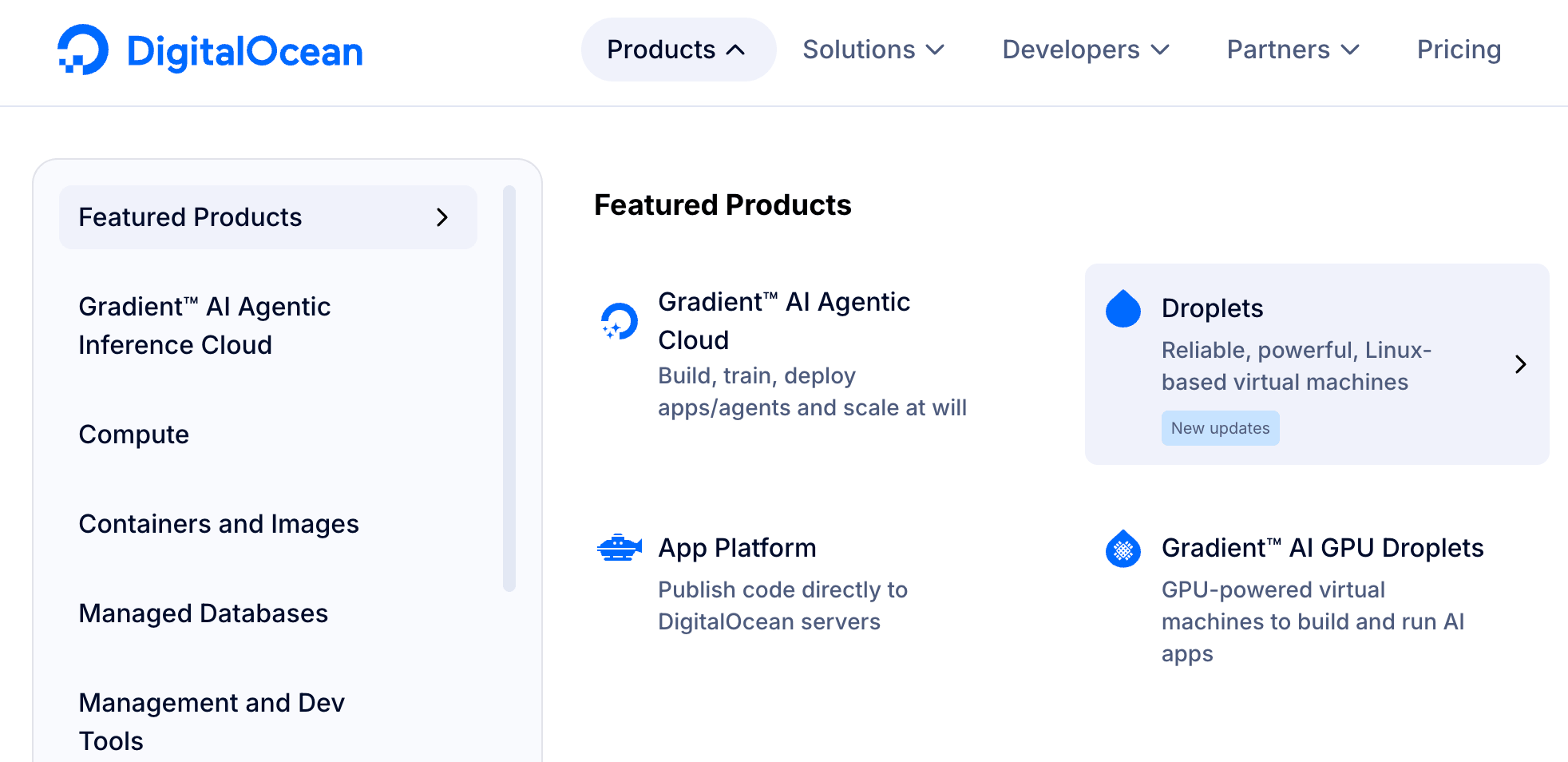
OpenClaw is capable of modifying files and navigating the web; therefore, it is best practice to run it in a "sandbox" environment. Mike Russell advises against installing it on your primary workstation. Instead, a Virtual Private Server (VPS) from providers like DigitalOcean, Hetzner, or Linode offers an always-on environment for roughly five dollars a month. This ensures your agent is working even when your laptop is closed.
2. Installation and Deployment
For users intimidated by the command line, providers like DigitalOcean and Hostinger offer "one-click" installers that handle the complexity of the setup. For those installing locally on a spare machine (like a Raspberry Pi or an old laptop), a single-line terminal command typically handles the entire onboarding process in under five minutes. Users are cautioned to verify the source, as the project has undergone name changes; the official project portal is openclaw.ai.

3. Choosing the Intelligence Engine
OpenClaw acts as the "hands," but it still needs a "brain." Most users connect it to the APIs of Anthropic (Claude) or OpenAI (ChatGPT).
- Anthropic: Claude Opus is recommended for complex, high-stakes orchestration, while Claude Sonnet serves as an efficient "everyday driver." To remain compliant with terms of service, users are encouraged to connect via the official API rather than using their personal monthly subscription logins.
- OpenAI: The platform is fully compatible with OpenAI, which explicitly allows the use of its subscription plans for this type of automation.
4. Communication and Initialization
Once installed, the agent requires a "personality" and a set of instructions. By using the Telegram "BotFather" tool, you can create a dedicated communication channel for your agent. The initialization process is as simple as a conversation: you provide the agent with your business details, social links, and core goals. It then researches your online footprint and commits your identity to its memory files.
Official Responses and Security Considerations
A common critique of autonomous agents is the potential for security vulnerabilities. However, the developers of OpenClaw have prioritized "hardening" the platform. When deployed on a secure VPS with a properly configured firewall, the agent is isolated from your personal files. Furthermore, because the agent operates within a controlled directory, users can audit its memory files at any time to verify what information it has retained, ensuring total transparency.
Implications for the Future of Work
The rise of OpenClaw signals a fundamental shift in the professional landscape. As these agents become more sophisticated, the role of the business owner will evolve from "task executor" to "architect of intent."
Increased Scalability: A business owner can now run multiple agents simultaneously—one for customer service, one for content creation, and one for administrative triage—without the overhead of traditional hiring.
The "Inbox Zero" Standard: By using agents to perform daily triage—sorting emails, discarding spam, and ranking messages by urgency—professionals can move away from reactive communication toward high-value, deep-work states.
Democratization of Data: Previously, synthesizing disparate data sources (like health metrics, financial statements, or internal CRM data) required a data analyst. Today, an agent can perform this synthesis in seconds, providing insights that were previously locked away in technical silos.
Final Thoughts: The Path Forward
The transition to an AI-augmented workforce is no longer a futuristic concept—it is a current reality. By leveraging platforms like OpenClaw, individuals and small business owners can compete with larger organizations by utilizing an "always-on" digital staff.
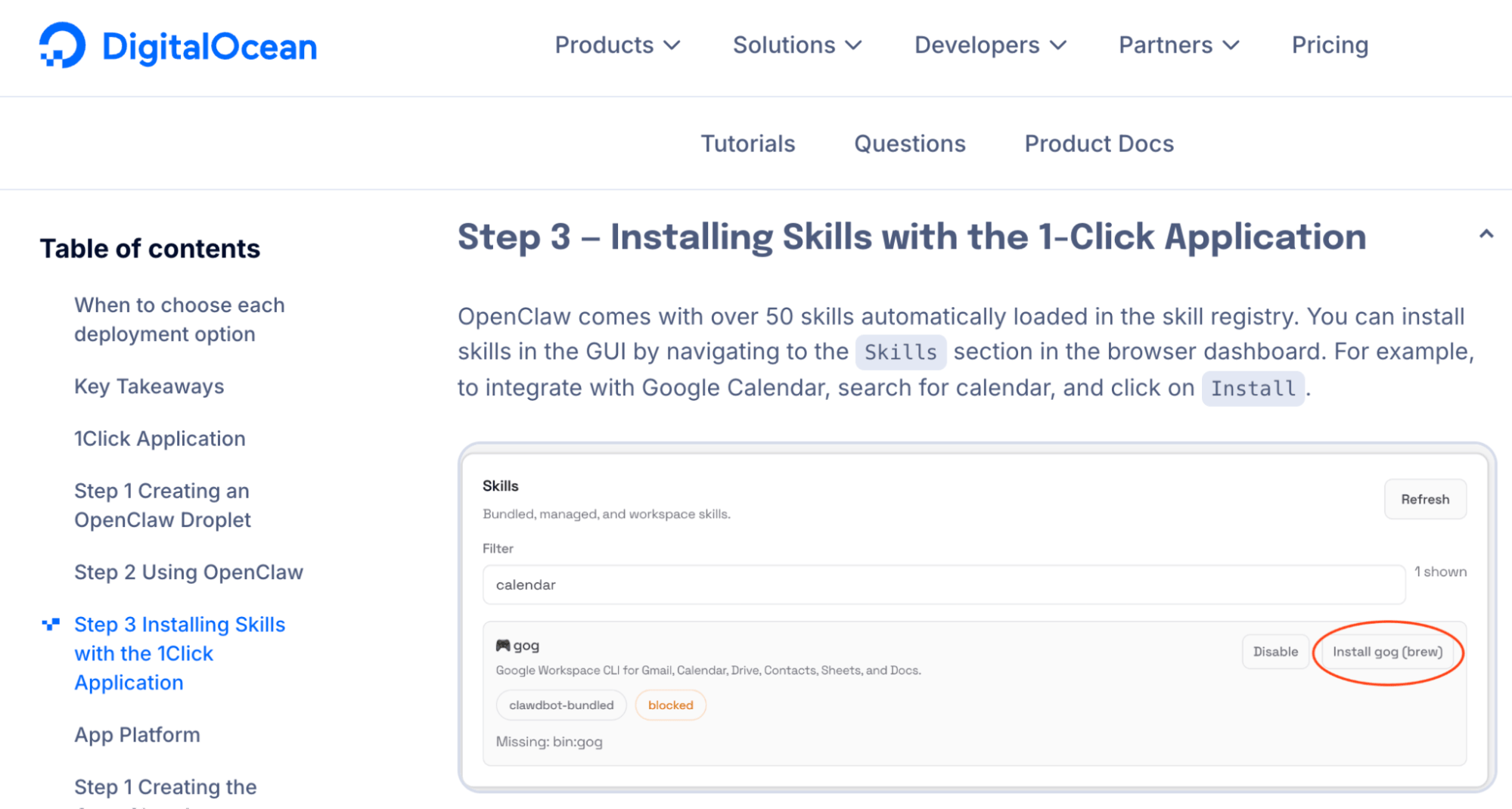
However, the technology is not without its challenges. Users must remain vigilant, providing clear instructions and regularly auditing the "skills" their agents perform to ensure they align with business ethics and goals. As we move forward, the most successful professionals will not be those who can write the best code, but those who can most effectively communicate their vision, constraints, and strategy to the autonomous agents that will execute them.
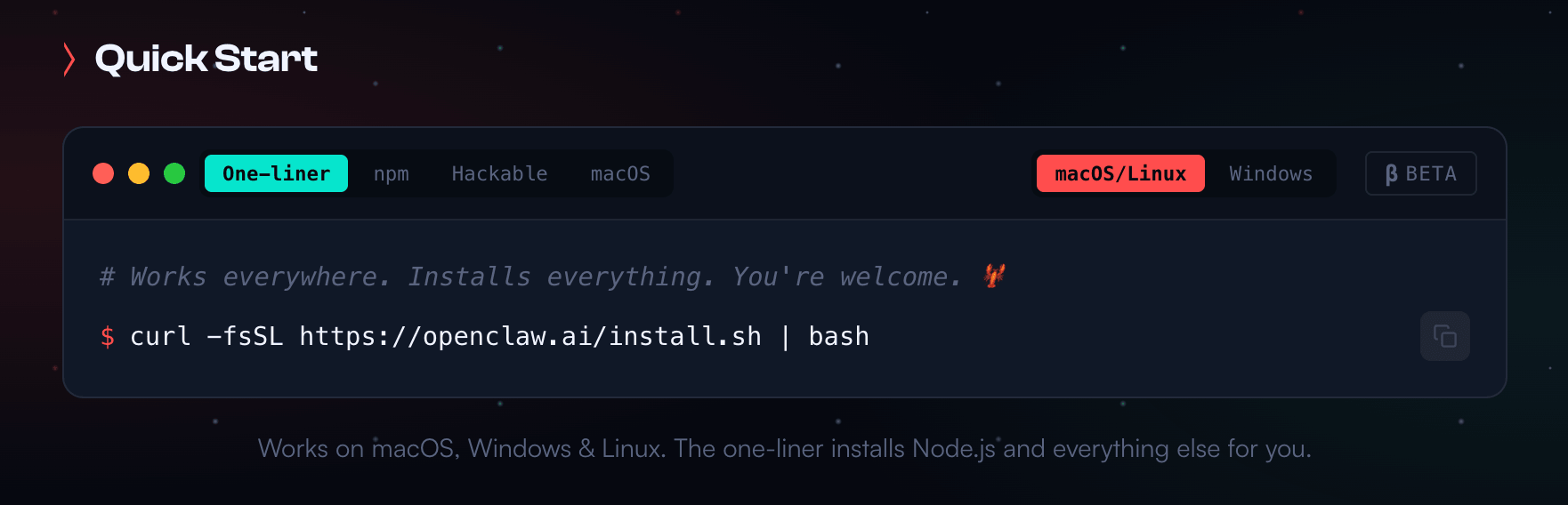
For those ready to begin, the journey starts with a single command and a willingness to rethink how you define a "work day." As the landscape of AI continues to evolve, tools like OpenClaw ensure that the power to build, scale, and automate remains in the hands of the creator, not just the coder.