In the high-stakes world of digital content creation, the battle for a reader’s attention is won or lost in the first few seconds. With the average human attention span continuing to shrink in the face of infinite scroll and digital noise, the opening line of a blog post has transitioned from a mere formality to a critical strategic asset. As industry experts often argue, while a compelling headline is the primary gatekeeper of your traffic, the opening paragraph is the bridge that determines whether a visitor becomes a reader or a bounce-rate statistic.
The Anatomy of Reader Engagement: Why the First Line Matters
The significance of the opening line lies in its dual purpose: it must simultaneously validate the reader’s decision to click the headline and provide enough momentum to propel them into the body of the article. It is the literary equivalent of a first impression. Just as a social interaction can be defined by an awkward greeting, a blog post can be derailed by a dry, meandering, or irrelevant introduction.
The psychology behind this is simple: readers are constantly performing a subconscious cost-benefit analysis. They are asking themselves, "Is this worth my time?" A well-crafted opener answers that question with a resounding "Yes" by establishing immediate value, relevance, or intrigue.
11 Proven Strategies to Captivate Your Audience
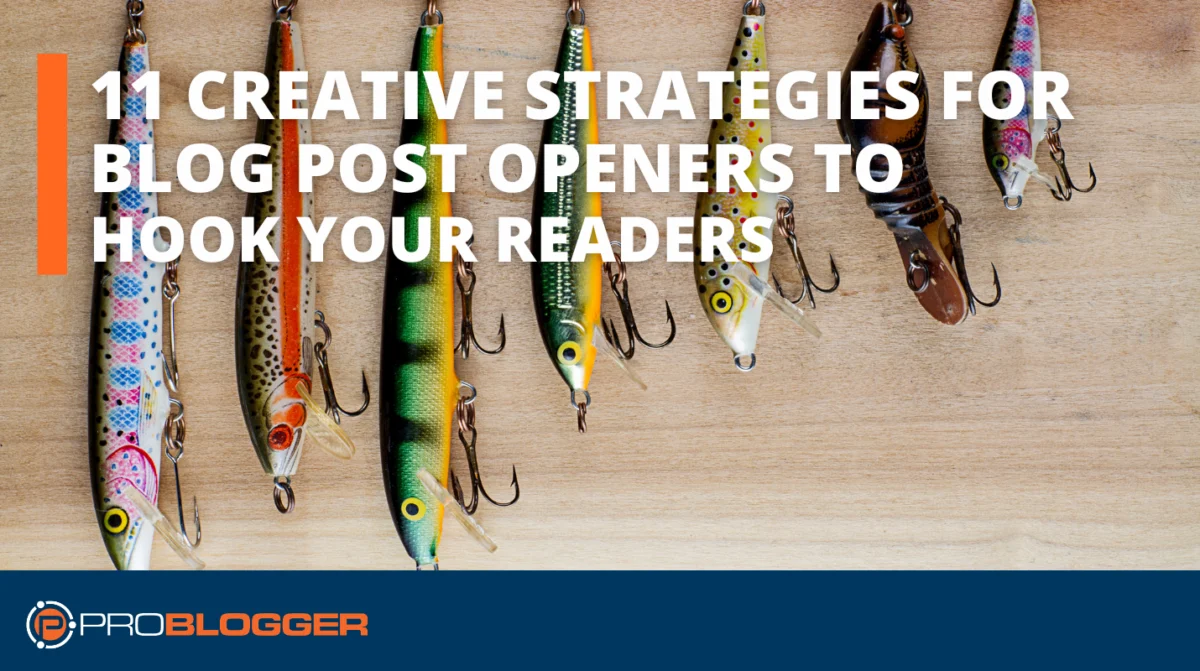
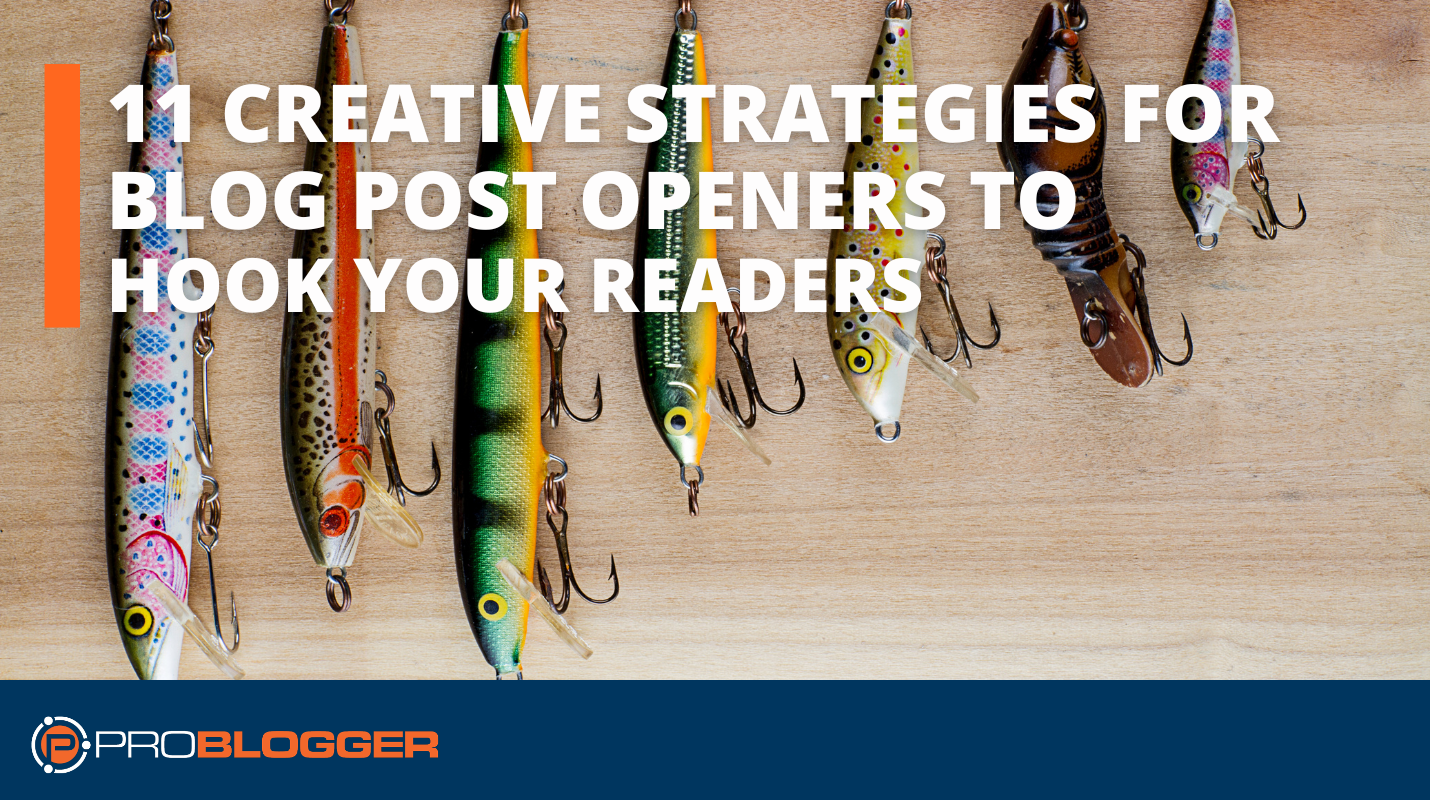
To master the art of the hook, content creators must diversify their toolkit. Below are eleven proven strategies that serve as the foundation for high-engagement writing.
1. Identifying a Pressing Need
The most effective way to secure a reader’s loyalty is to address a pain point immediately. By pinpointing a specific problem or necessity in the very first sentence, you signal to the reader that the article is a solution-oriented resource. You do not necessarily need to solve the problem instantly, but you must acknowledge its existence and promise a resolution further down the page. This creates a "curiosity gap"—a powerful psychological driver that compels the reader to scroll to find the promised answer.
2. The Power of the "Yes" Question
Copywriters have utilized the "Yes" question for decades because it creates a psychological alignment between the author and the audience. By asking a question that prompts the reader to nod in agreement, you establish a rapport. For instance, asking, "Ever wondered why your best content fails to gain traction?" forces the reader to acknowledge the problem in their own life. Once they commit to a "yes," they are significantly more likely to follow your guidance through to the conclusion of the piece.
3. Posing Intriguing Questions
While "Yes" questions build rapport, "Intriguing" questions build mystery. These are open-ended inquiries designed to pique curiosity. When you ask a question that doesn’t have an immediate, obvious answer, you challenge the reader’s intellect and demand their attention. The goal here is to leave the reader feeling that they need the information you are about to provide to satisfy their curiosity.
4. Offering a Strategic Surprise
Human beings are hardwired to notice deviations from the norm. An unexpected fact, a counter-intuitive statement, or a personal, slightly off-topic anecdote can effectively "snap" a reader out of their passive scrolling state. Sharing a personal vulnerability—much like the story of a misheard name during a first meeting—humanizes the brand and differentiates the content from the sea of robotic, AI-generated, or overly formal articles currently saturating the web.
5. Utilizing Storytelling and Analogies
Stories are the oldest form of communication for a reason: they trigger emotional responses that facts alone cannot. An opening anecdote—whether a brief personal reflection or a broader cultural observation—switches the reader’s brain from "information processing mode" to "engagement mode." By framing your main argument within a narrative, you make abstract concepts relatable and digestible.
6. Making Bold, Defensible Claims
In an era of cautious, middle-of-the-road content, a bold assertion stands out. Making a strong promise or stating a provocative opinion acts as a beacon for readers seeking authoritative perspectives. However, this strategy comes with a caveat: you must be able to back up your claims. If you promise a "revolutionary strategy," you must deliver it. Failure to provide substance after a bold opener will result in a loss of trust that is difficult to recover.
7. Stirring Strategic Controversy
Controversy, when handled with nuance, is a powerful engine for engagement. By taking a firm, perhaps unpopular stance on a trending topic or industry standard, you naturally invite debate. This approach doesn’t just increase time-on-page; it fosters a community of commenters who feel compelled to defend, challenge, or support your viewpoint.
8. Painting a Vivid Picture
Imagery isn’t just for photographs. Descriptive, sensory-rich writing allows the reader to "see" the scenario you are describing. By engaging the imagination, you create an emotional connection. Whether you are painting a picture of a "nightmare scenario" (the consequence of ignoring your advice) or a "utopian vision" (the result of following it), you make the content tangible and urgent.
9. Leveraging Startling Statistics
Data is a shortcut to credibility. If you can open your post with a statistic that highlights the severity of a problem or the scale of an opportunity, you instantly justify the reader’s investment of time. A strong statistic acts as an anchor for the rest of your post, providing a logical basis for the arguments that follow.
10. Incorporating Powerful Quotes
A well-placed quote from an industry leader or a historical figure can lend immediate authority to your work. It signals that your ideas are part of a larger conversation and helps establish your credibility by association. The key is to select quotes that are not merely inspirational, but directly relevant to the specific problem your post aims to solve.
11. Leading with Visual Impact
We live in an increasingly visual culture. Sometimes, the most powerful opening line is an image. An evocative, high-quality, or intriguing photograph can stop a reader in their tracks long before they process the text. When combined with a compelling headline, a striking visual creates a "one-two punch" that is incredibly difficult to ignore.
Implications for Modern Content Strategy
The shift toward more engaging opening lines is not just a trend; it is a fundamental shift in how digital media is consumed. As algorithms prioritize user experience metrics—such as bounce rate, dwell time, and scroll depth—the "hook" has become a technical requirement for SEO success.
If your reader leaves in the first five seconds, the search engines interpret that as a lack of quality, regardless of how well-written the rest of your article may be. Therefore, mastering these eleven strategies is not just about "better writing"—it is about ensuring the long-term viability of your digital presence.
Conclusion: Refining Your Approach
The most successful content creators do not rely on a single strategy; they iterate. They test, measure, and refine. They understand that what works for a technical tutorial may not work for a personal essay.
As you move forward in your content journey, challenge yourself to rotate through these techniques. Do not allow your writing to become predictable. By treating every opening line as an opportunity to spark a new relationship with your reader, you transition from being a mere information provider to becoming a trusted voice in your industry. Remember, the title might get them to the door, but the opening line is the reason they walk through it and stay for the conversation.