For over two decades, the WordPress ecosystem has thrived on the principle of open-source collaboration. With over 60,000 plugins available in the official repository, users have enjoyed unprecedented flexibility to customize their websites. However, this vast, distributed architecture has created a "soft underbelly"—the supply chain—which is increasingly being exploited by sophisticated bad actors.
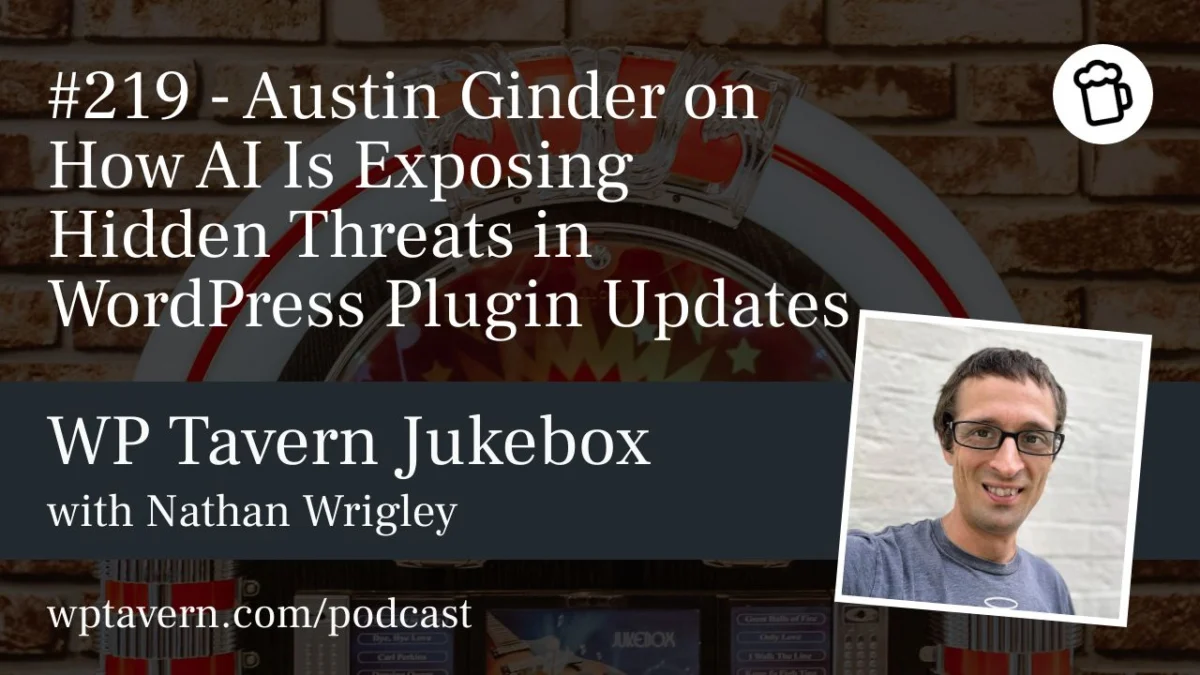
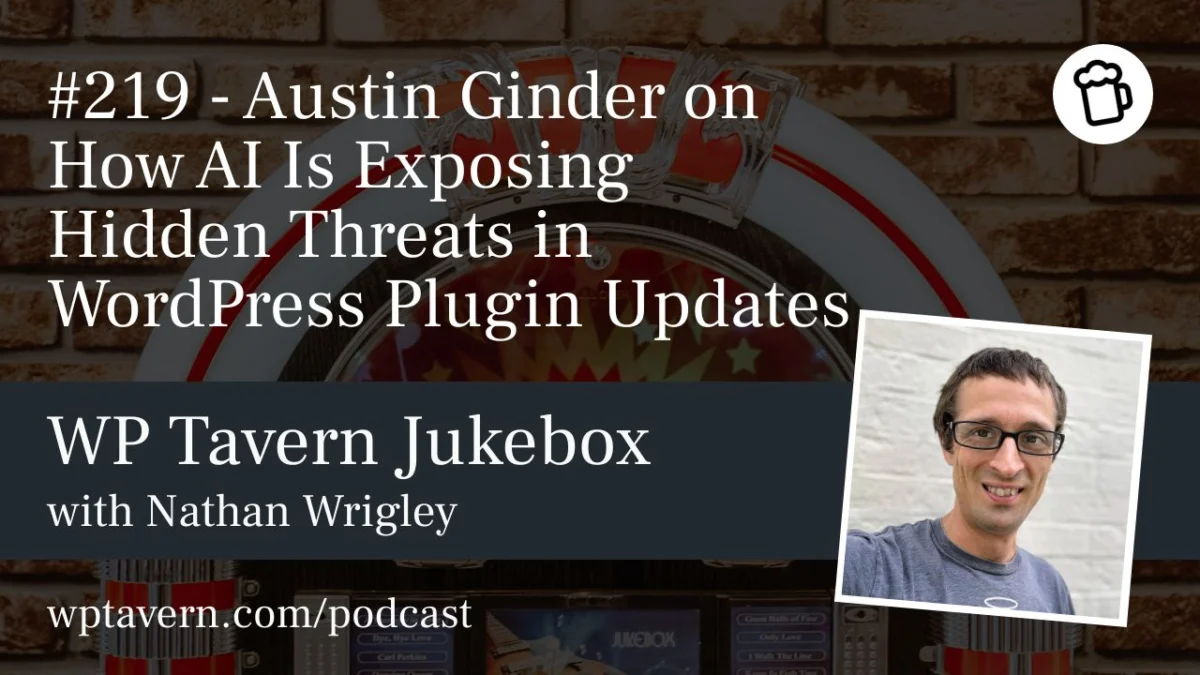
In a recent, eye-opening episode of the WP Tavern Jukebox podcast, Austin Ginder, a veteran developer and founder of Anchor Hosting, detailed his accidental discovery of a burgeoning security crisis. What began as routine malware cleanup for a client has evolved into a full-scale forensic investigation, revealing that malicious actors are no longer just hacking individual sites; they are infiltrating the very tools that thousands of site owners trust implicitly.
The Anatomy of a Supply Chain Attack
In the traditional sense, a WordPress hack involves a brute-force attack or an exploitation of a known vulnerability to inject malicious code into a site. A supply chain attack, however, is far more insidious.
As Ginder explains, the strategy often involves the acquisition of legitimate, long-standing plugins. A malicious entity will purchase a popular plugin from its original developer, effectively inheriting the user base and the existing update channels. Once in control, the new owners use these official channels to push "updates" that contain backdoors, SEO-poisoning scripts, or data-exfiltration tools.
"It’s not just about hacking sites directly," Ginder notes. "It runs deeper. It’s a scenario where bad actors purchase companies, weaponize their plugins, and distribute the malware through official channels. As a user, you click ‘update’—or your site does it automatically—and you’ve unknowingly invited the threat into your environment."
Rogue Update Channels
The most sophisticated attacks involve hijacking the update mechanism itself. Instead of receiving legitimate updates from WordPress.org, compromised plugins are programmed to redirect their update requests to third-party, rogue servers. Once the update process moves to these external channels, the visibility of the WordPress security team is effectively neutralized, leaving the end-user’s site completely exposed while the plugin continues to function normally on the surface.
Chronology of a Discovery
Ginder’s journey into the world of security research was not planned; it was a matter of professional necessity.
- February 2026: Ginder noticed an alarming uptick in malware infections across the sites he manages at Anchor Hosting. These were not random incidents; they represented a pattern of behavior that defied standard security explanations.
- The "Aha" Moment: While performing deep-dive forensics on a client’s infected site, Ginder employed AI-assisted analysis to trace the root cause. The AI identified the origin of the malicious payload within a previously trusted plugin.
- The "Essential Plugins" Incident: Shortly thereafter, a significant breach occurred involving a package of over 30 plugins. The WordPress Plugin Team intervened, closing the repositories and issuing emergency alerts. Ginder’s research confirmed that this was a result of a corporate acquisition where the new owner immediately pivoted to weaponization.
- The "Scroll to Top" Case: In his ongoing monitoring, Ginder discovered a plugin—"Scroll to Top"—which had been installed on 20,000 sites. While the malware payload had not yet been "triggered," the backdoor was sitting dormant, waiting for a command from the malicious actor to activate a wide-scale SEO spam campaign.
The Role of AI in Forensic Defense
Perhaps the most significant development in this crisis is the democratization of high-level threat detection. Previously, auditing thousands of plugins was a humanly impossible task. No team, regardless of their size, could manually inspect every line of code for every update in the repository.
Ginder attributes his success to the leverage of Large Language Models (LLMs) like Claude. By feeding these AI tools vast quantities of code and using them to cross-reference known malicious patterns, Ginder has been able to conduct "forensic-level" investigations that were previously reserved for elite security firms.
"AI has been my friend," Ginder says. "It’s a superpower. We can now run AI through the raw data of the SVN (Subversion) repository. If we feed it the right points, we can make correlations after the fact that would have been impossible to see otherwise."
A Call for Data-Driven Vigilance
Ginder argues that hosting providers are currently sitting on a "gold mine" of data. By applying AI-driven analysis to the malware reports they receive, hosts could proactively identify the common threads linking these attacks. He envisions a future where hosting companies collaborate to share these insights, creating an automated "immune system" for the WordPress ecosystem.
Official Responses and Community Collaboration
The WordPress Plugin Review Team has been widely praised for their rapid response once these threats are identified. In cases of confirmed malicious activity, the team has taken the drastic but necessary step of closing repositories and, in some instances, deploying emergency patches that overwrite the compromised code on affected sites.
However, Ginder acknowledges that the community needs more than just reactive measures. He has launched WP Beacon (wpbeacon.io), a project designed to track, document, and alert the community to supply chain attacks. Unlike traditional vulnerability databases that focus on unpatched security flaws, WP Beacon tracks the bad actors themselves—the organizations and individuals who systematically acquire plugins to use as vehicles for malware.
"My goal with WP Beacon is to make this stuff visible," Ginder explains. "We need to document how these attacks happen. By providing identifiers for these bad actors, we give security firms the data they need to take down the attackers’ infrastructure."
Broader Implications: The Future of WordPress Security
The "Wild West" nature of the WordPress ecosystem—its greatest strength—has become its most glaring vulnerability. As Ginder and other experts debate the future, two distinct philosophies have emerged:
1. The Call for Stricter Governance
Some observers suggest that WordPress should move toward a more restrictive model, similar to the Apple App Store, where updates undergo rigorous, automated, and human-in-the-loop security vetting before being pushed to users. While this would drastically increase security, it would also introduce friction and potentially hinder the rapid innovation that defines the platform.
2. Architectural Hardening
Others, including Ginder, are skeptical of shifting the entire WordPress architecture to a "permissions-based" system, arguing that the ship has already sailed. Instead, they advocate for better tools—both for the Plugin Review Team and for the average site owner—to audit code and verify the integrity of their update sources.
The Responsibility of the End-User
While systemic changes are needed, Ginder emphasizes that site owners cannot be passive. His advice for the modern web manager is proactive:
- Audit your plugins: Use AI tools to scan your codebase if you suspect unusual behavior.
- Vet acquisitions: If a plugin you use is suddenly bought by a new, unknown company, keep a close watch on their update history.
- Use the tools: Projects like WP Beacon are intended to serve as a resource for those who manage multiple sites and need to stay ahead of known bad actors.
Conclusion: A Never-Ending Battle
As Ginder poignantly notes, the fight for security will never be "won" in the final sense. As long as there is a financial incentive for bad actors to compromise sites, they will continue to refine their methods. The emergence of supply chain attacks is merely the latest evolution in this cat-and-mouse game.
However, the tide may be turning. By utilizing AI to turn the sheer volume of data against the attackers, and by fostering a culture of radical transparency through projects like WP Beacon, the WordPress community is better equipped than ever to defend itself.
"I do hope this will eventually be a solved problem," Ginder concludes. "But for now, the most realistic success story is making it harder, slower, and more expensive for these bad actors to operate. We are going to find them, and we are going to weed them out."
For those interested in the ongoing investigation or looking to secure their own infrastructure, the work being done at WP Beacon and the insights shared by developers like Austin Ginder represent the front line of defense in the future of open-source security.