In the digital retail landscape, few phenomena are as predictable—or as exhausting—as the "Black Friday Effect." During peak shopping windows, consumer inboxes transform into digital battlegrounds. Phrases like "50% OFF EVERYTHING," "LAST CHANCE," and "DON’T MISS OUT" flood screens, creating a cacophony of desperation. For the average consumer, the response is instinctive and swift: delete, delete, delete.
However, seasonal email marketing does not have to be a race to the bottom of the engagement barrel. When executed with precision and psychological nuance, these campaigns can transcend the "salesy" stigma, fostering deeper brand loyalty while simultaneously driving record revenue. The transition from a nuisance to a valued presence requires a fundamental shift in strategy: selling smarter, not just louder.
The Chronology of a Successful Campaign
The most common error founders make is attempting to construct a seasonal campaign in the heat of the moment. If you are drafting a Valentine’s Day promotion on February 13th, you have already ceded the competitive advantage.
Successful email strategy operates on a long-lead timeline. It begins weeks—and often months—before the anticipated shopping event. This process involves building a comprehensive content calendar that identifies specific, meaningful seasonal milestones. It is not about capitalizing on every obscure internet holiday; it is about selecting the moments that resonate with your specific audience.
The "Give-and-Take" Framework
The most effective long-term strategy is the "give-and-take" approach. For every transactional or promotional email sent, a brand should aim to deliver at least two pieces of content that educate, entertain, or inspire. By consistently providing value that asks for nothing in return, you build a reservoir of trust. Consequently, when a sales-heavy email eventually arrives, the subscriber is already primed, engaged, and significantly more receptive to the offer. Psychologically, this establishes a reciprocal relationship where the reader feels less like a target and more like a participant in the brand’s community.
Supporting Data: Why Storytelling Trumps Statistics
The prevalence of discount-led marketing is a testament to the "fear of missing out" (FOMO) tactic, yet data suggests this approach is fundamentally flawed. When every brand shouts the same percentage-off discount, the message loses its distinction.
Research into cognitive retention reveals that human beings are wired for narrative, not arithmetic. Studies indicate that individuals retain approximately 63% of information presented in the form of a story, compared to a mere 5% retention rate for standalone statistics.
By leading with a story—whether it is a behind-the-scenes look at the craftsmanship of a product or a customer narrative that aligns with the season—brands can establish context. For example, rather than pushing a generic "20% off summer collection" blast, a brand might frame the offer around the lifestyle of "long, effortless weekends." In this scenario, the discount becomes a secondary incentive, or the "cherry on top," rather than the sole reason for the email’s existence. The sale now has a personality, and the reader has a reason to care.
The Imperative of Audience Segmentation
One of the most efficient ways to alienate an audience is through the "Dear Valued Customer" blast—a generic, one-size-fits-all email. Just as one would not send the same gift to a mentor, a sibling, and a colleague, a brand should not treat every subscriber as an identical entity.
Segmentation is the antidote to the "salesy" stigma. By dividing a list into cohorts—such as first-time buyers versus repeat customers—brands can tailor their messaging. A new subscriber may require brand education and an introduction to core values, while a loyalist might respond better to exclusive early access or a personalized "thank you" reward.
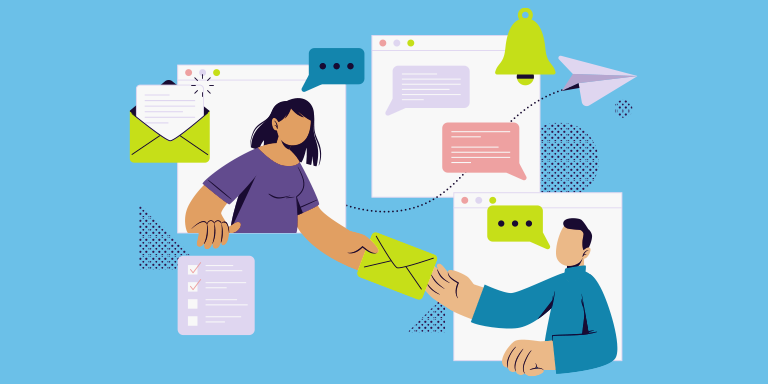
Modern marketing tools have democratized this process, removing the need for advanced data science. By utilizing platforms like Omnisend, solo founders can easily implement filters based on purchase history, engagement frequency, and browsing behavior. This level of personalization transforms the communication from a transactional pitch into a tailored experience, drastically increasing the likelihood of conversion.
Creating Urgency Without Desperation
Urgency is an undeniable driver of consumer behavior, yet there is a fine line between creating authentic anticipation and inciting anxiety. The "used car salesman" approach—characterized by aggressive, all-caps subject lines and manufactured scarcity—is increasingly transparent to modern, savvy consumers.
Genuine urgency is rooted in exclusivity rather than pressure. Early access is a prime example of this. By allowing your most engaged subscribers to shop before the general public, you confer status upon them. This creates a sense of belonging rather than a sense of being cornered. Similarly, limited-edition product drops work because the scarcity is authentic.
A notable example of this strategy is the success of brands like Luu Lounge. By building anticipation through controlled, time-sensitive launches, the founder ensures that the demand is already at its peak before the sale begins. The subscribers are not being chased; they are waiting in line. This is the gold standard of urgency: it is earned, not manufactured.
Implications for Future Growth
The broader implication of these strategies is a shift toward sustainable, relationship-based commerce. The brands that win in the long run are those that view their email list as a community rather than a revenue-capture tool.
When you treat your subscribers as human beings rather than transactions, you decouple your revenue from the "discount race." This, in turn, protects your brand equity and margins. Founders who successfully automate the administrative "heavy lifting" of these campaigns are better positioned to focus on the creative elements that build long-term brand loyalty.
Integrating the Right Infrastructure
Technology serves as the backbone of this strategy. With tools designed to simplify complex segmentation and automated workflows, even the smallest teams can maintain high-touch communication at scale. For those looking to optimize their seasonal performance, adopting professional-grade tools like Omnisend is a logical next step. As an added incentive for growth, Foundr readers can access 50% off their first three months using the code FOUNDR50.
Conclusion
Seasonal email marketing, at its core, is an exercise in timing and empathy. It is about understanding the cadence of your customers’ lives and appearing in their inbox at the right moment with the right message. By shifting the focus from "shouting" to "conversing," founders can ensure that their brand remains a welcome presence, even during the most frantic shopping periods of the year.
The era of the desperate, mass-market blast is waning. In its place, the future belongs to those who recognize that the most effective marketing is that which adds value to the reader’s day. By planning early, leading with stories, segmenting with precision, and using urgency as a reward rather than a weapon, you can transform your seasonal campaigns from a nuisance into your most powerful engine for sustainable, long-term growth.
Remember, your subscribers are people—treat them with the respect that their attention deserves, and they will, in turn, reward you with their loyalty and their business.