The digital marketing landscape on Facebook is undergoing a tectonic shift. As Meta pivots toward a future defined by AI-driven content matching and a heightened focus on original, creator-led media, businesses are finding that the old "playbook" for organic reach is no longer sufficient. Following a banner year in 2025—where Reels engagement doubled compared to the previous period—Meta has unveiled a series of strategic updates designed to prioritize high-value, original content while refining how the algorithm interprets user intent.
For marketers, small business owners, and creators, these updates are not merely minor tweaks; they represent a fundamental change in how content is rewarded. This report outlines the core pillars of Facebook’s 2026 strategy, the mechanisms behind these changes, and the actionable steps brands must take to maintain their visibility in an increasingly competitive environment.
The Strategic Context: Why Meta is Pivoting Now
The catalyst for these changes is rooted in Meta’s 2025 performance data. With user engagement on Reels reaching unprecedented levels, the platform has identified "content matching" as its most critical asset. Meta’s leadership has concluded that the future of Facebook depends on its ability to serve the right content to the right user at the right time.
By shifting away from the "spray and pray" approach of mass content distribution and toward a model that rewards originality and explicit user preference, Meta aims to solidify Facebook’s role as the primary hub for both entertainment and e-commerce. For brands, this means the era of algorithm-gaming is waning, and the era of "intentional content creation" is beginning.
1. The Priority Shift: Originality as the New Currency
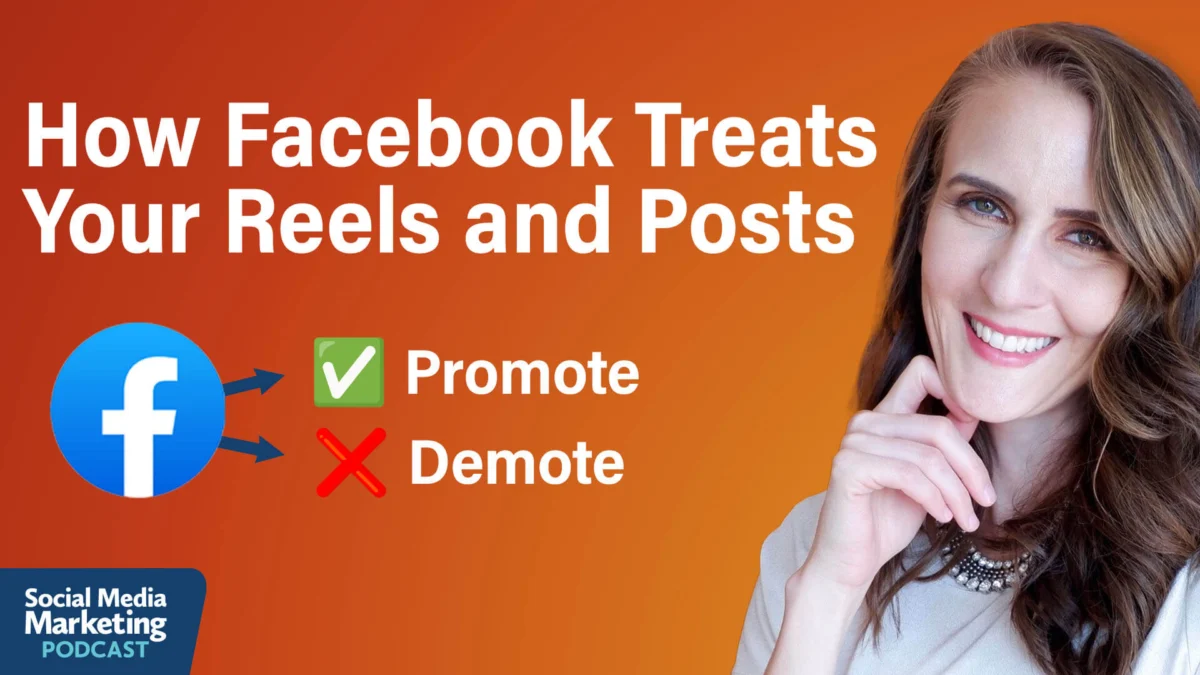
Facebook has officially moved to prioritize original, organic content. In a recent policy clarification, Meta signaled that content produced directly by the creator or page owner will receive preferential treatment in the feed and Reels discovery engine.
The "Fingerprint" Enforcement Mechanism
When this shift was announced, industry observers speculated that Meta might employ facial recognition to verify the identity of content creators. However, industry analyst Tara Zirker clarifies that the enforcement is far more sophisticated and scalable. Meta utilizes "pattern-based identification"—essentially a digital fingerprint of every video uploaded.
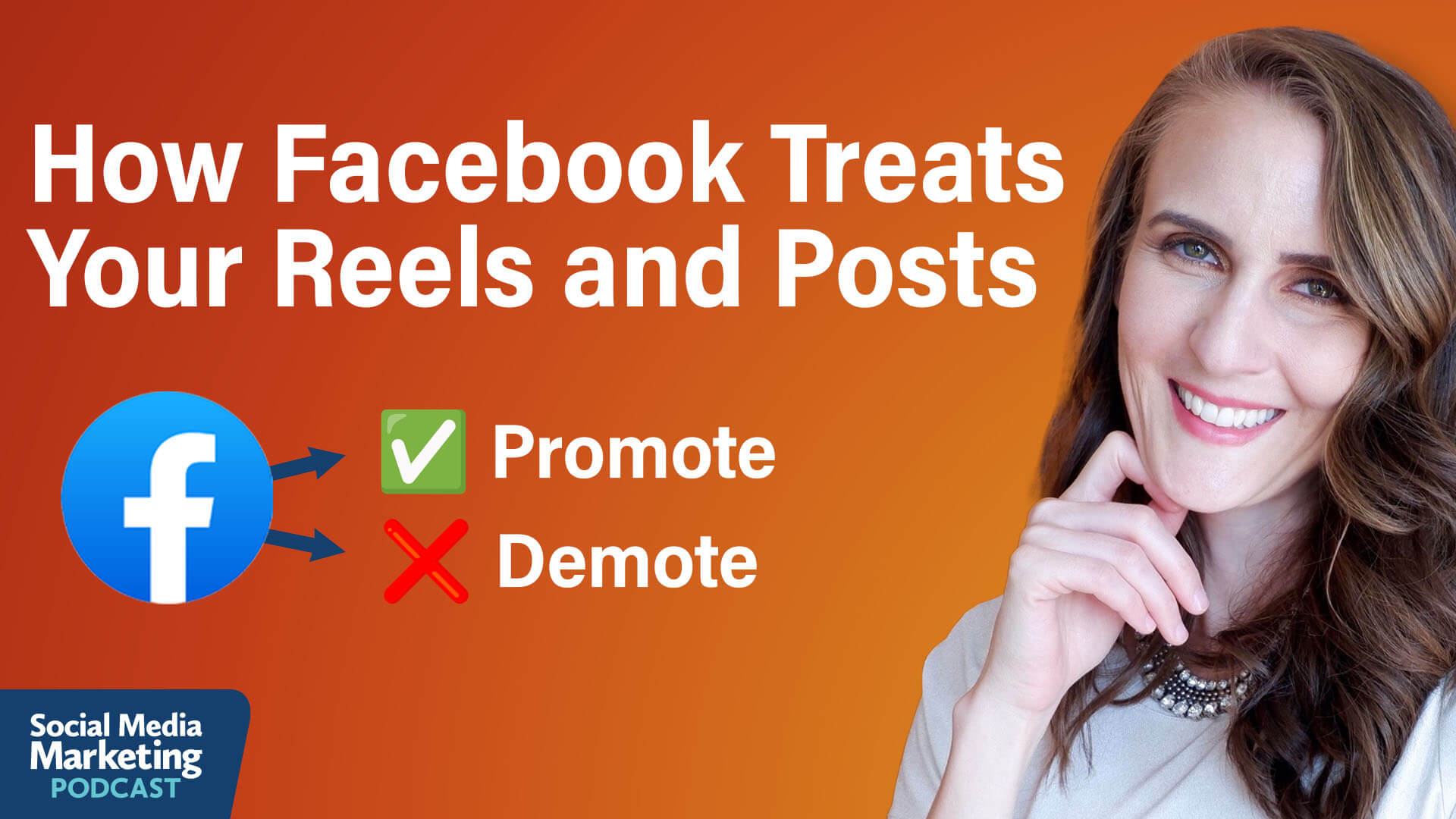
By tracking the structural and content-based markers of a video, Meta’s system identifies the original source. If a page has a consistent track record of uploading unique content, it is viewed as a high-trust entity. Conversely, pages that rely on reposting content from other accounts—without adding substantial value—will find their reach severely throttled.
Implications for Remixes and UGC
The death of "low-effort" content is upon us. Stitches, unedited reposts, and reaction videos that lack substantive commentary will face significant demotion. However, content that incorporates third-party clips as a foundation for meaningful analysis, education, or creative storytelling remains safe.
Furthermore, User-Generated Content (UGC) remains a protected category. Because UGC is the bedrock of Meta’s e-commerce ecosystem, the platform is unlikely to penalize brands for sharing authentic customer testimonials. However, brands should remain vigilant as the platform continues to refine its "originality" detection filters.
2. The User True Interest Survey: Closing the Behavioral Data Gap
Perhaps the most significant technical update is the rollout of the "User True Interest Survey." Historically, Facebook’s recommendation algorithm relied on behavioral signals: Did the user watch the whole video? Did they click? Did they scroll past?
The problem with this data is that it doesn’t distinguish between genuine interest and mindless doom-scrolling. A user might watch a video to the end out of boredom, not because they are interested in the brand or topic.
How the Survey Works
The new survey introduces a human-in-the-loop verification process. After watching a Reel, users may be prompted to rate the video on a scale of 1 to 5 based on how well it aligns with their interests. A 1-star rating provides a powerful negative signal to the algorithm that overrides passive watch-time data.

Strategic Recommendations
To thrive in this environment, brands should adopt a "Core vs. Broad" content mix:
- The Core (80%): Niche-focused content that speaks directly to your ideal customer’s pain points and specific interests. This content is designed to trigger high relevance scores.
- The Broad (20%): Content with wider appeal that still exists within your general topical ecosystem.
Occasional off-topic posts—such as team updates or office culture—are acceptable, provided they do not constitute the majority of your output. The algorithm is looking for a coherent interest profile, not a perfectly sterile feed.
3. The New Affiliate Infrastructure: Integrating Commerce into Reels
In a direct move to compete with the seamless shopping experience of TikTok Shop, Facebook has launched a self-serve affiliate link program. This infrastructure allows creators to browse a brand’s product catalog directly within the professional dashboard and embed purchase links into their Reels.
The Mechanics of the Affiliate Program
This system removes the friction of external links. When a viewer makes a purchase, the creator earns a commission, and the brand benefits from direct attribution. The platform has already integrated with Amazon and Shopee in the United States, with Shopify and other major e-commerce platforms expected to follow shortly.
The "Brand Responsibility" Factor
Critically, this is not a traditional influencer marketing campaign. These creators are not bound by your brand guidelines or approval processes. They are autonomous actors. Consequently, brands must ensure their online presence is impeccable. If a creator researches your product and finds poor landing pages or conflicting messaging, the affiliate program will not yield the desired results.
Success here requires a proactive strategy:

- Direct Relationship Building: Send samples and build personal connections with key creators in your niche.
- Brand Clarity: Ensure your website and product pages are optimized for conversion so that creators can easily find the information they need to advocate for your brand.
- Community Engagement: Treat your affiliate network as an extension of your marketing team, not a set-it-and-forget-it automated system.
4. The "Vibes" App and the Future of AI Video
Meta’s latest foray into AI, the "Vibes" app, serves as both a creative tool and a massive data-gathering engine. While it allows users to create and browse AI-generated video, its primary function is to provide Meta with the data necessary to train the next generation of ad-automation tools.
The End-Goal: Automated Creative
Meta is moving toward an "advertiser-in-a-box" model. Eventually, the platform aims to allow businesses to simply input a product image and a budget, leaving the creative production—including video generation and editing—to the AI.
Navigating the Risks of AI Content
For brands, the use of AI video must be handled with nuance:
- Stylized AI: Content that is clearly fantastical or artistic carries minimal risk, as the audience understands it is a creative choice.
- Realistic AI (The Gray Area): Using AI actors to deliver product testimonials is a high-risk strategy. It challenges the "authenticity" that Facebook is currently prioritizing. Large brands should establish clear ethical guidelines before deploying deepfake-style testimonials, as the long-term impact on brand trust remains a major concern.
Conclusion: The Path Forward
The 2026 rules for Facebook reach and relevance signal a return to the fundamentals: authenticity, relevance, and value. The platforms are no longer rewarding those who can trick the system; they are rewarding those who can build genuine connections with their audience.
By focusing on original content, respecting the user’s desire for relevant experiences, and building strong, personal relationships with creators, brands can navigate these changes successfully. The infrastructure is becoming more powerful, but the core principles of marketing—strong hooks, clear problem-solving, and a compelling call to action—remain the definitive keys to success in the modern digital age.
As you move forward, remember that while Meta’s tools are evolving rapidly, the goal remains the same: to create content that people actually want to see, and to make it as easy as possible for them to engage with your products when they are ready.