For many professionals, LinkedIn is a landscape of missed opportunities. It is a space where high-intent prospects gather, yet many creators remain trapped in a cycle of sporadic posting, fear of judgment, and stagnant growth. According to LinkedIn strategist Will McTighe, the transition from hobbyist to revenue-generating authority is not a matter of luck—it is a matter of architectural discipline.
McTighe, who has seen his own businesses scale toward $2 million in annual revenue, argues that the primary barrier to success isn’t a lack of strategy, but the "fear of the blank page." By implementing a rigorous three-part content funnel—Awareness, Trust, and Lead Generation—creators can transform their LinkedIn profile into a predictable engine for business growth.
The Strategic Architecture: A Three-Part Content Funnel
The core of McTighe’s methodology is the transition from "broadcasting" to "funneling." Most LinkedIn users fail because they post randomly, failing to recognize that different pieces of content serve distinct psychological stages in the buyer’s journey.
McTighe’s framework is defined by a 4-2-1 weekly posting ratio:
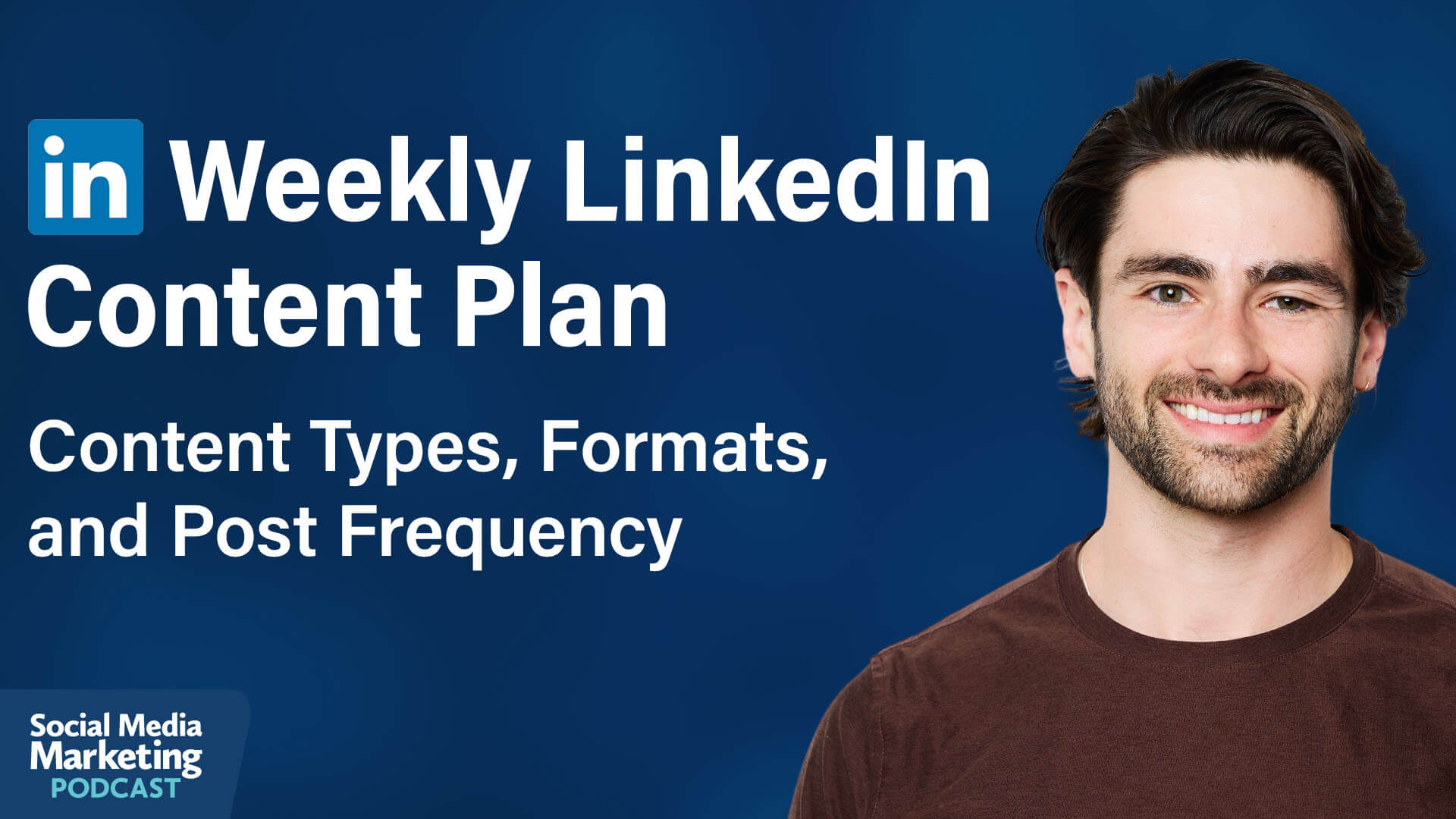
- 4 Awareness posts: Designed to attract new followers.
- 2 Trust-building posts: Designed to convert followers into believers.
- 1 Lead Generation post: Designed to convert believers into buyers.
This structure moves a prospect from anonymity to a state of readiness where they feel comfortable investing in your services.
Phase 1: Awareness—The Growth Engine
The Awareness stage is about visibility. Your goal here is to get strangers to recognize your name and associate it with specific intelligence in your niche.
Educational vs. Relatable Content
There are two primary ways to drive awareness, each with different outcomes:
- Educational Content: This is the most effective way to convert views into followers. When you provide actionable insights—such as a reaction to industry news—you demonstrate immediate utility. If you are targeting software founders, posting a critique of an AI startup’s roadmap is more valuable than a generic business tip.
- Relatable Content: Posts about broad topics like "burnout" or "Monday motivation" generate high engagement (likes and impressions) but low conversion. To make these effective, you must niche them down. Instead of a general post about stress, write about the "specific, grinding burnout experienced by Chief Information Security Officers." This filters for your ideal audience.
Technical Execution
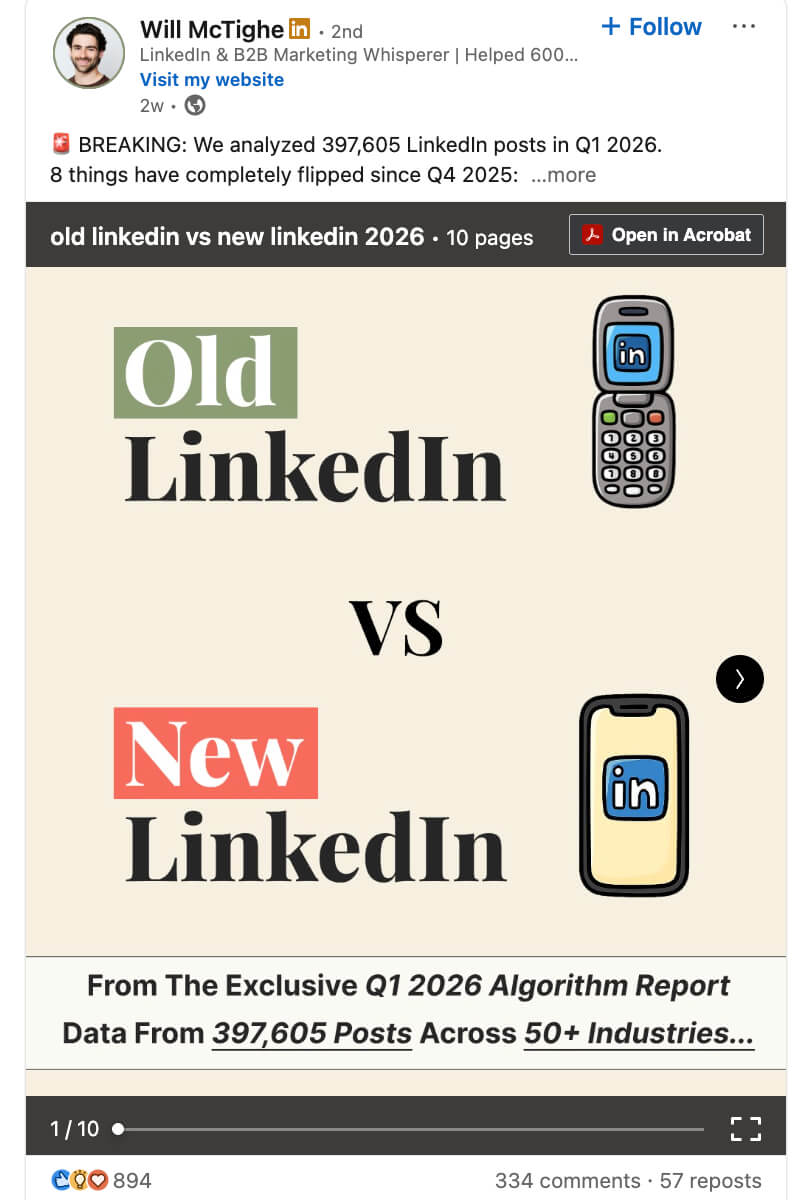
McTighe’s data indicates that infographics and carousels significantly outperform other formats. While text-only posts suffer from the lowest median performance, the addition of a single, relevant image can double engagement.

Critical Rule: The visual must align with the first two lines of your post. If the image creates a disconnect with the "hook," the reader will scroll past. Maintain a "performance ledger" in a spreadsheet to track which posts resonate, then iterate on those themes.
Phase 2: Trust-Building—The Conversion Catalyst
Once a prospect follows you, they are no longer asking, "Who is this?" They are asking, "Why should I trust them with my money?"
The Art of the Story-Driven Lesson
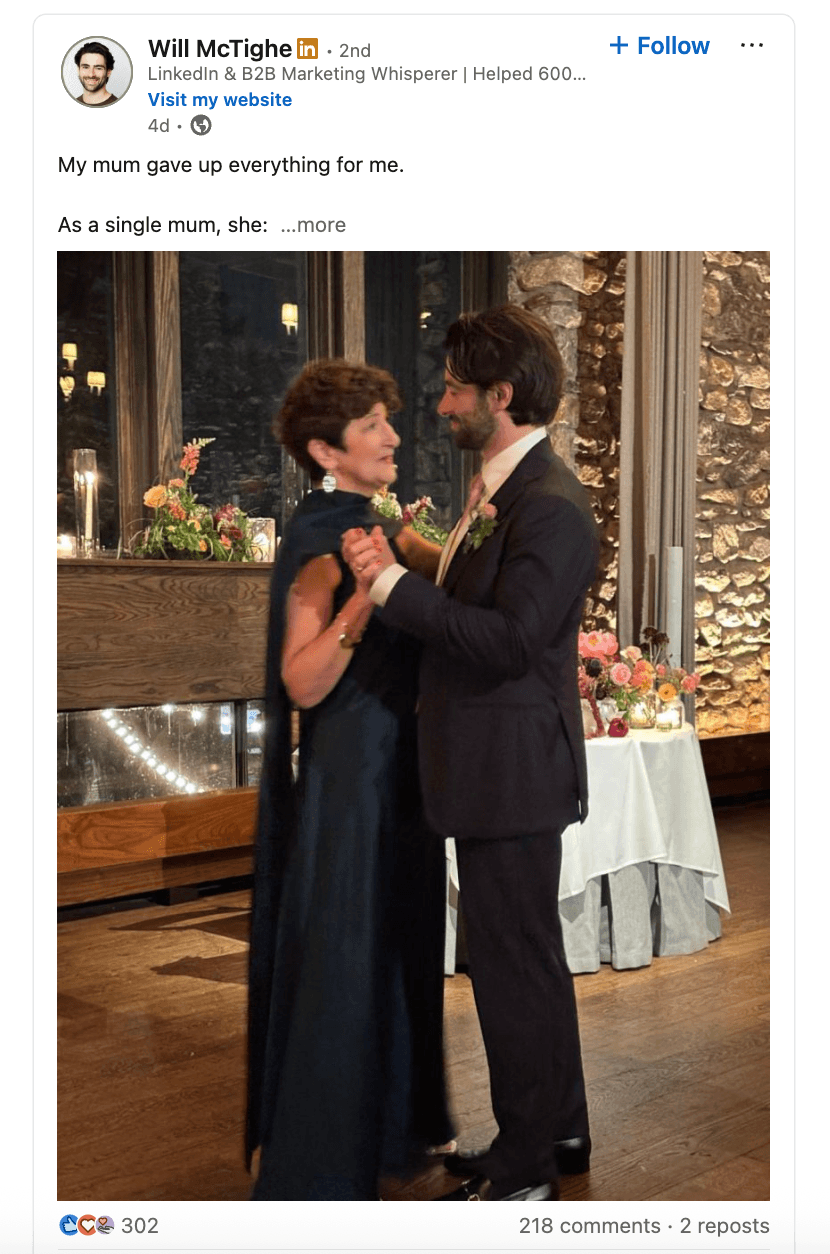
Trust is built through vulnerability paired with authority. The most common error creators make is sharing personal stories that lack a professional "takeaway." A story is merely a vehicle for a message; if there is no clear lesson, the post fails to build credibility.
Use the Story → Lesson → Application framework:
- The Hook: Use an authoritative hook (e.g., "20 years of experience in 60 seconds") or an emotive hook that ties a personal anecdote to a professional outcome.
- The Arc: Structure the story with an adversity-to-turning-point narrative.
- The Application: Clearly define how the reader can apply your lesson to their own situation.
The Role of Video
While video often garners fewer views than text, it generates higher intimacy. When a prospect eventually hops on a sales call, they often express a sense of "knowing" you, despite having never met. This familiarity is the hallmark of effective trust-building content.
Pro Tip: Use AI tools to mine your past client calls for stories. Transcribe your conversations and prompt an AI to extract the "hidden wisdom" you shared during those calls. Often, the most powerful content you own is hidden in your own previous client meetings.
Phase 3: Lead Generation—De-risking the Purchase
The final stage of the funnel is about removing the friction that prevents a prospect from hitting "buy." At this stage, your audience is already warm; they are simply looking for evidence that you can solve their specific problem.
Transformation Case Studies
Generic testimonials are ineffective. Potential buyers do not care that "Will is great to work with." They care that "a person with my specific pain point worked with Will and achieved my desired outcome."
Effective case studies follow a specific arc:
- The Hook: Highlight a massive transformation in a short timeframe (e.g., "How we added $50k in MRR in 30 days").
- The Struggle: Clearly define the client’s starting point so the reader can identify with the pain.
- The Hero: Frame the client as the hero of the story. You are merely the guide who provided the tools.
- The Call to Action (CTA): Provide a clear path forward. If you have an event or a limited-capacity service, use real, authentic urgency.
Visual Evidence
Evidence should look "unpolished" to increase credibility. Screenshots of Slack messages, text threads, or raw, unproduced video testimonials are far more persuasive than glossy, professional-grade marketing assets. They signal that the interaction was real and unfiltered.
Chronology of Strategy and Development
Building a sustainable presence on LinkedIn is a marathon, not a sprint. McTighe’s journey reflects the realities of digital growth:
- Year 1: The Trial-and-Error Phase. Focus on volume and pattern recognition. Do not fear embarrassment; the algorithm is merciful, and poor content simply disappears.
- Year 2: The Refinement Phase. Identifying high-performing content archetypes and building a systematic content calendar.
- Year 3: The Revenue Phase. Leveraging established authority to drive high-ticket leads and business growth.
McTighe stresses that this is not a hobby. When treated with the same professionalism as any other business function, LinkedIn content becomes a repeatable, scalable asset.
Implications for Future Growth
The landscape of LinkedIn is shifting. As AI-generated content becomes more prevalent, the value of personal experience and niche expertise will rise. The creators who win in the coming years will not be those who post the most often, but those who best navigate the funnel: consistently attracting the right people, building deep trust through stories, and removing the risk from the buying process.
Ultimately, your content strategy should be built around the specific pains and desires of your target audience. If you can answer their questions before they even ask them, you don’t just gain a follower—you gain a client.
Supporting Data Summary
- Post Frequency: 7 posts per week (4 Awareness, 2 Trust, 1 Lead Gen).
- Format Success: Infographics and carousels lead for reach.
- Visual Strategy: Images must match the first two lines of text to ensure high retention.
- Link Strategy: Including links in lead-gen posts is beneficial, provided the content is high-value enough to justify the "off-platform" departure.
This framework was co-created by Will McTighe and Michael Stelzner. For more insights on digital marketing and AI implementation, follow Will McTighe on LinkedIn and subscribe to the Level Up Newsletter.