In the rapidly shifting landscape of modern entrepreneurship, the difference between a fleeting venture and a billion-dollar legacy often boils down to a single, critical question: Does the market actually care about the problem you are solving?
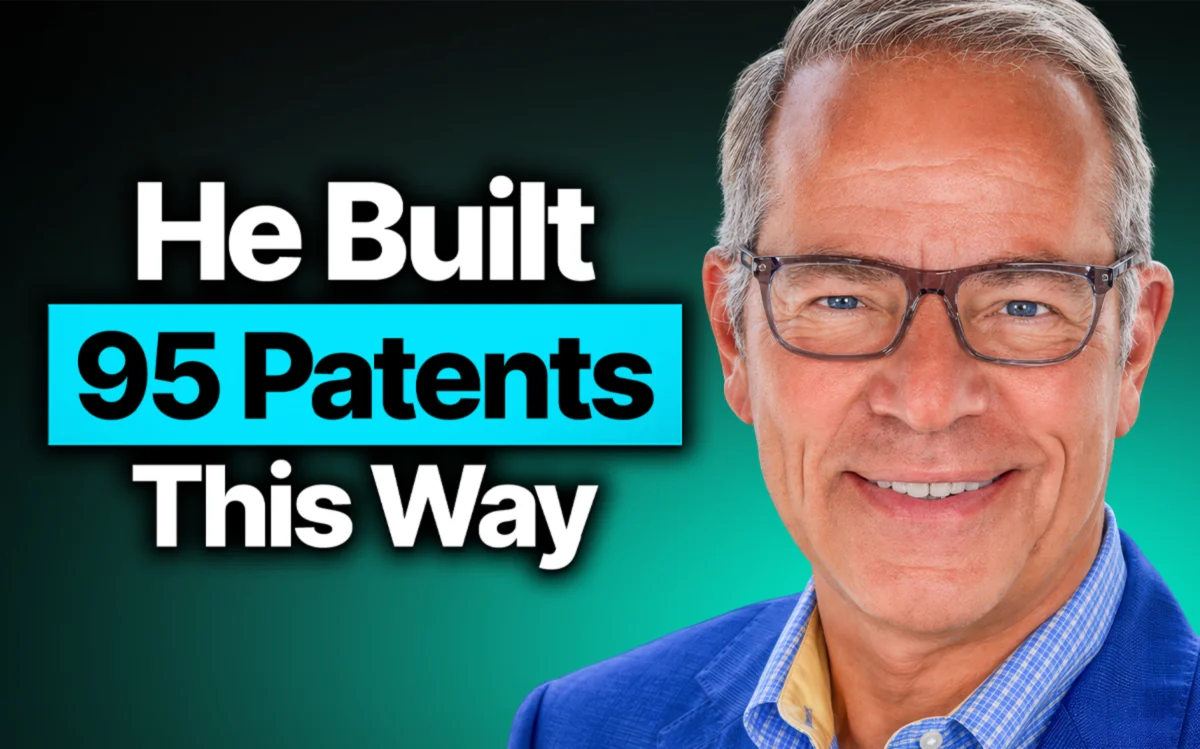
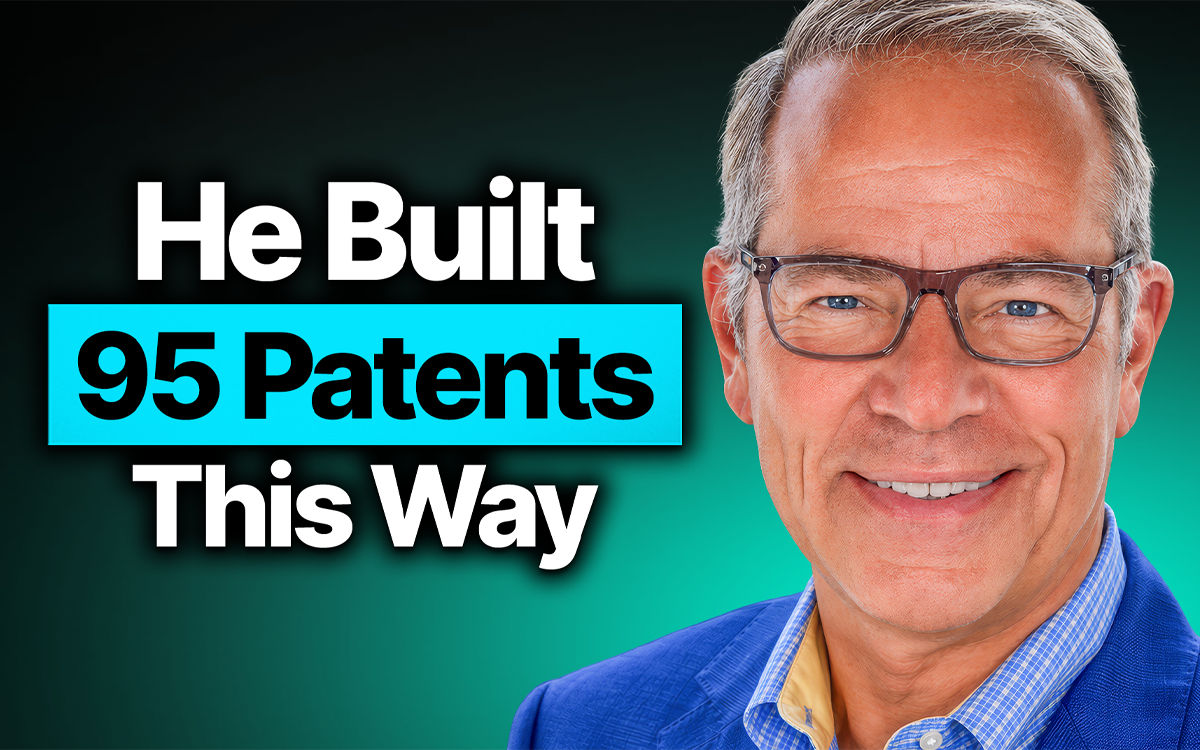
In this week’s episode of the Niche Pursuits podcast, we sat down with Kevin Surace—a veteran AI pioneer, inventor of 95 worldwide patents, and CEO of Appvance—to deconstruct the mechanics of building resilient businesses. Surace’s career, which spans from the early days of the 1990s tech boom to the current generative AI gold rush, provides a masterclass in separating "clever ideas" from "painful problems."
The Core Philosophy: Why Pain Points Trump Innovation
The central thesis of Surace’s entrepreneurial philosophy is stark: Most founders are failing because they are solving problems that don’t exist, or worse, solving problems for people who lack the budget to pay for a solution.
"Many entrepreneurs fall in love with their own brilliance," Surace notes. "They build a technical marvel, only to find that the market is indifferent." This is particularly rampant in the current AI boom. Since the explosion of large language models, thousands of companies have been funded, yet Surace estimates that fewer than 100 will achieve long-term viability. The reason? A lack of a "moat"—a defensible competitive advantage—and a failure to address a high-stakes customer pain point.
For a product to succeed, it must pass a rigorous filter:
- The Budget Test: Does the customer have a line item for this?
- The Pain Intensity Test: Is the current state of affairs costing them money, reputation, or excessive time?
- The Adoption Barrier: Is the friction of changing to your solution lower than the pain of the status quo?
A Chronology of Innovation: From Voice Assistants to QuietRock
Surace’s career offers a unique longitudinal study of how markets evolve. In the late 1990s, his team developed "Mary," a sophisticated voice assistant capable of checking stock quotes, managing calendars, and searching the web. It was a product ahead of its time—a precursor to the modern smartphone.
"Customers couldn’t describe the product they needed," Surace explains. "They weren’t walking around saying, ‘I wish I had a pocket computer that reads my email.’ But once they had it, the paradigm shifted entirely."
This experience taught him a critical lesson: Founders should not mistake a customer’s inability to articulate a need for a lack of market potential. However, this is where the danger of timing enters the equation. Years later, his company QuietRock revolutionized construction. By identifying that thin walls were a source of litigation and homeowner dissatisfaction, he created a soundproof drywall that, while significantly more expensive than standard options, solved a billion-dollar problem for builders and architects. The lesson was clear: If you solve a painful enough problem, price becomes a secondary concern.
Supporting Data: The Timing Variable
Perhaps the most sobering insight from the interview is the role of market timing. Surace references an incubator study of over 100 startups, where teams were scored on talent, funding, and product quality. The only variable that consistently predicted success was timing.
"You can be brilliant, well-funded, and work 100 hours a week, but if the market isn’t ready for your solution, you are essentially dead on arrival," Surace says. He identifies three signs that a founder’s timing might be off:
- Low Conversion Rates: When the product is superior but prospects refuse to engage.
- High Education Cost: When you have to spend more time explaining the problem than selling the solution.
- Institutional Inertia: When the target audience fears the solution because it makes their existing work processes—or their jobs—seem obsolete.
This was evident in his experience with Appvance. In 2017, the company introduced AI-driven script generation that provided 10x the coverage of traditional manual testing. Despite the objective technical superiority, 40% of the market resisted. Why? Because the tool exposed bugs that QA teams had been "missing" for years, effectively threatening their professional standing.
Official Stance: The "AI-First" Imperative
Surace argues that we have moved past the era of "AI-assisted" work into the "AI-first" era. To him, an AI-first professional is one who defaults to artificial intelligence before opening Word, Excel, or a search engine.
"If you aren’t using AI at least five times an hour, you are falling behind," he asserts. This isn’t just about efficiency; it’s about a fundamental shift in how creative and administrative work is valued.
Implications for Modern Founders
For the online entrepreneur, these lessons necessitate a complete overhaul of the creative process:
- Focus Over Breadth: Do not try to solve ten problems at once. Find one "hair-on-fire" problem and solve it deeply.
- Outcome-Based Positioning: Stop explaining how your "viscoelastic polymers" work. Start explaining that your product prevents lawsuits. Customers pay for the end-state, not the technical process.
- The Joy-Success Cycle: Surace challenges the common trope of the "grinding" entrepreneur. He argues that a mind filled with complaints is a mind that is closed to opportunity. He suggests a "one-complaint-a-day" rule—an exercise in mental discipline that forces founders to look for solutions rather than obstacles.
The Future of Entrepreneurship
As the digital economy matures, the era of the "clever feature" is ending. We are entering an era of "value-based transformation." The businesses that will win in the next decade are those that treat AI as a foundational utility rather than a shiny toy and those that prioritize the customer’s outcome over their own technical vanity.
Surace’s final message to founders is one of radical observation: "Stop looking for trends. Start looking for the friction that everyone else has accepted as normal. That is where the billion-dollar companies are hiding."
Key Takeaways for Your Business
- The One-Complaint Rule: Limit your daily intake of negativity to keep your creative range wide.
- The Deep-Dive Strategy: Pick a niche with high-value pain and stay there until you have dominated the solution.
- Audit Your Tools: If your current workflow doesn’t involve an AI-first approach, you are likely working 10x slower than your most dangerous competitor.
Ultimately, the goal is not just to build a product that works; it is to build something so indispensable that the market would suffer if it were taken away. By sharpening your observation skills, timing your entry correctly, and focusing relentlessly on the buyer’s pain, you move from being a mere participant in the market to an architect of its future.
Resources Mentioned in this Episode:
- The Joy Success Cycle by Kevin Surace (Upcoming Release)
- Appvance.ai – AI-driven software testing platforms.
- The full video interview can be found on the Niche Pursuits YouTube Channel.