In the modern digital landscape, traditional SEO metrics like domain authority and backlink counts are no longer the sole arbiters of success. You can boast a premium brand, publish high-quality content, and secure features in industry-leading publications like Vogue, The New York Times, and Bon Appétit, yet still fail to achieve "topical authority"—the invisible seal of approval that search engines and Large Language Models (LLMs) use to determine who gets recommended.

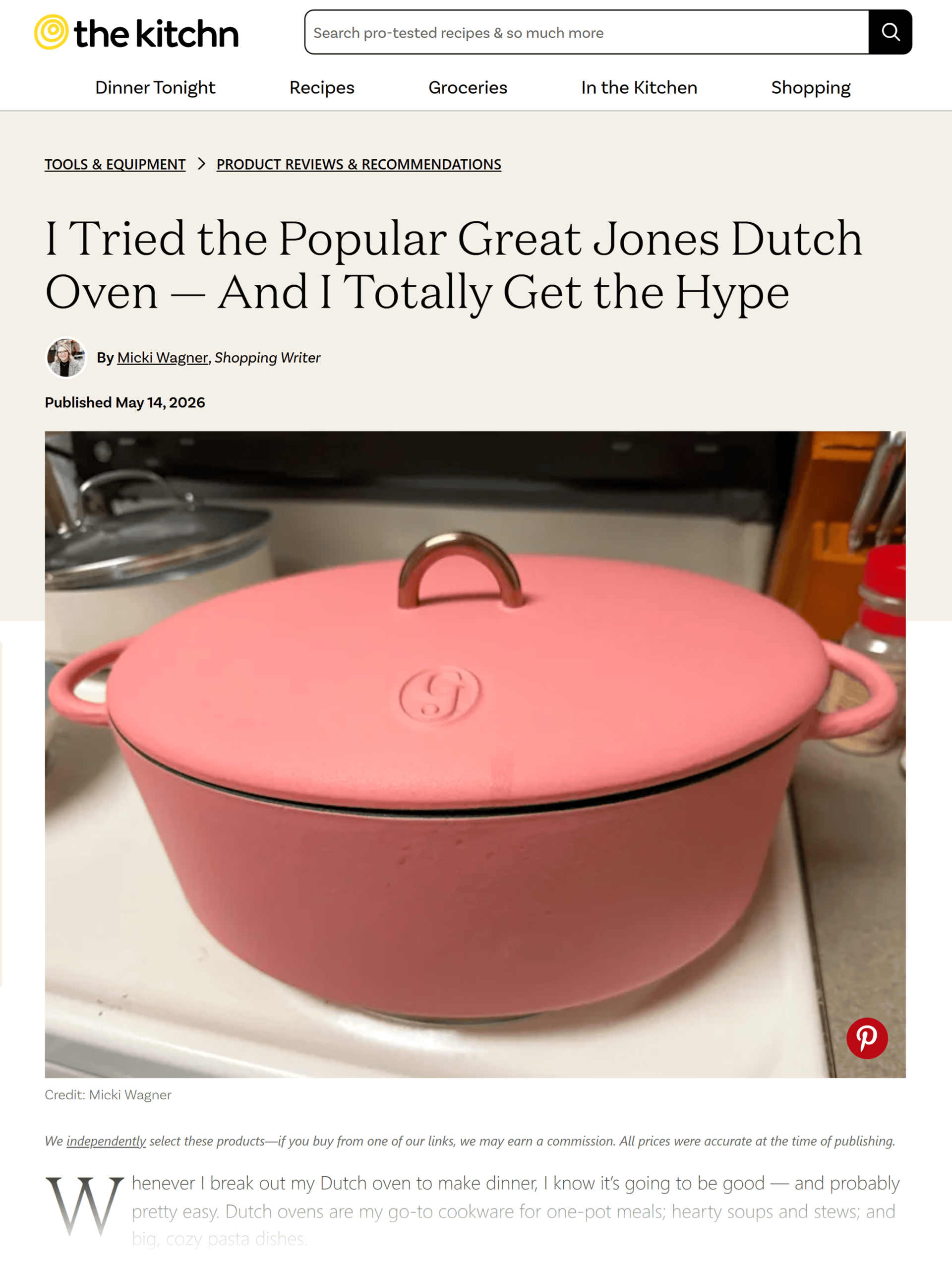
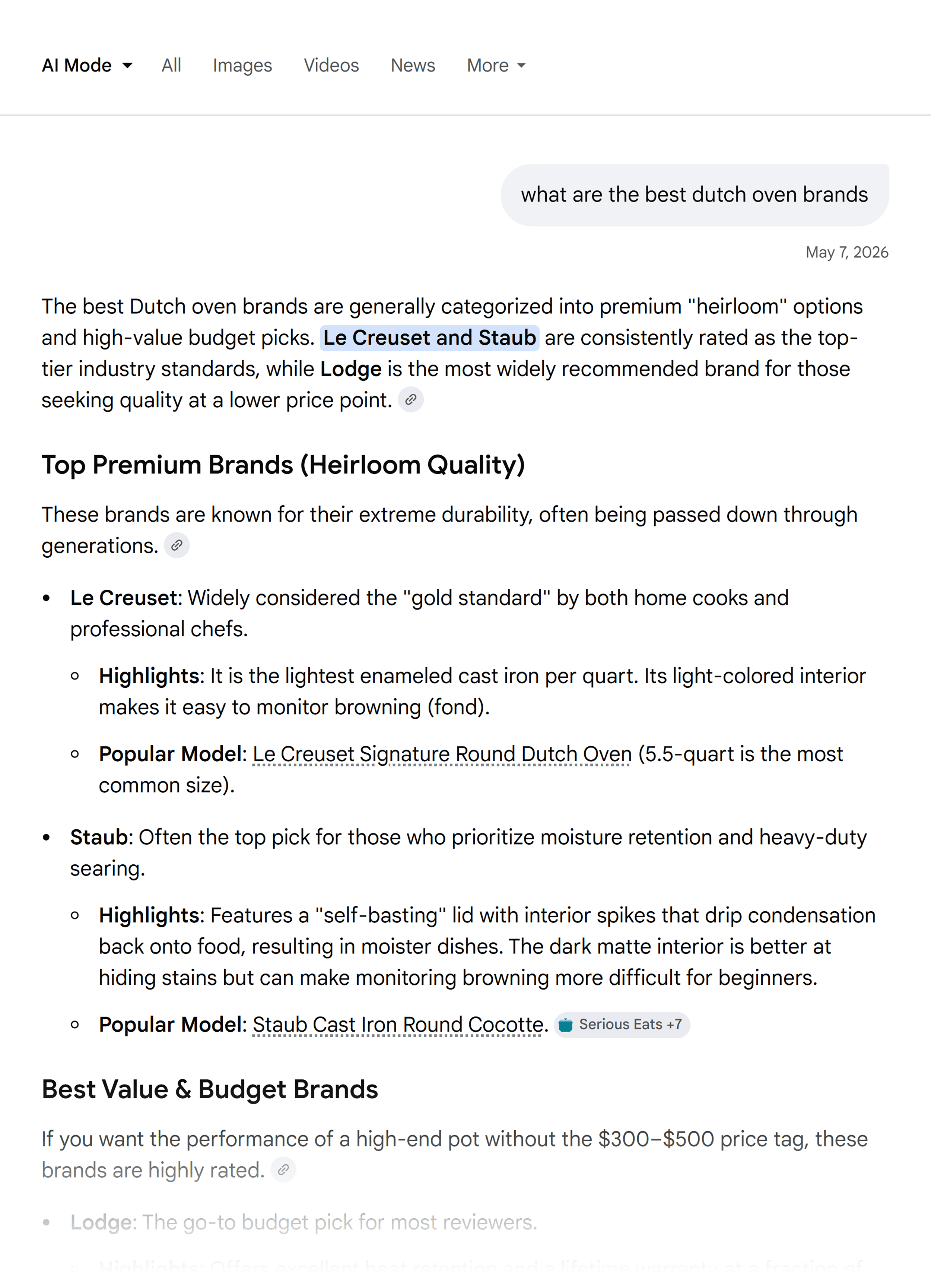
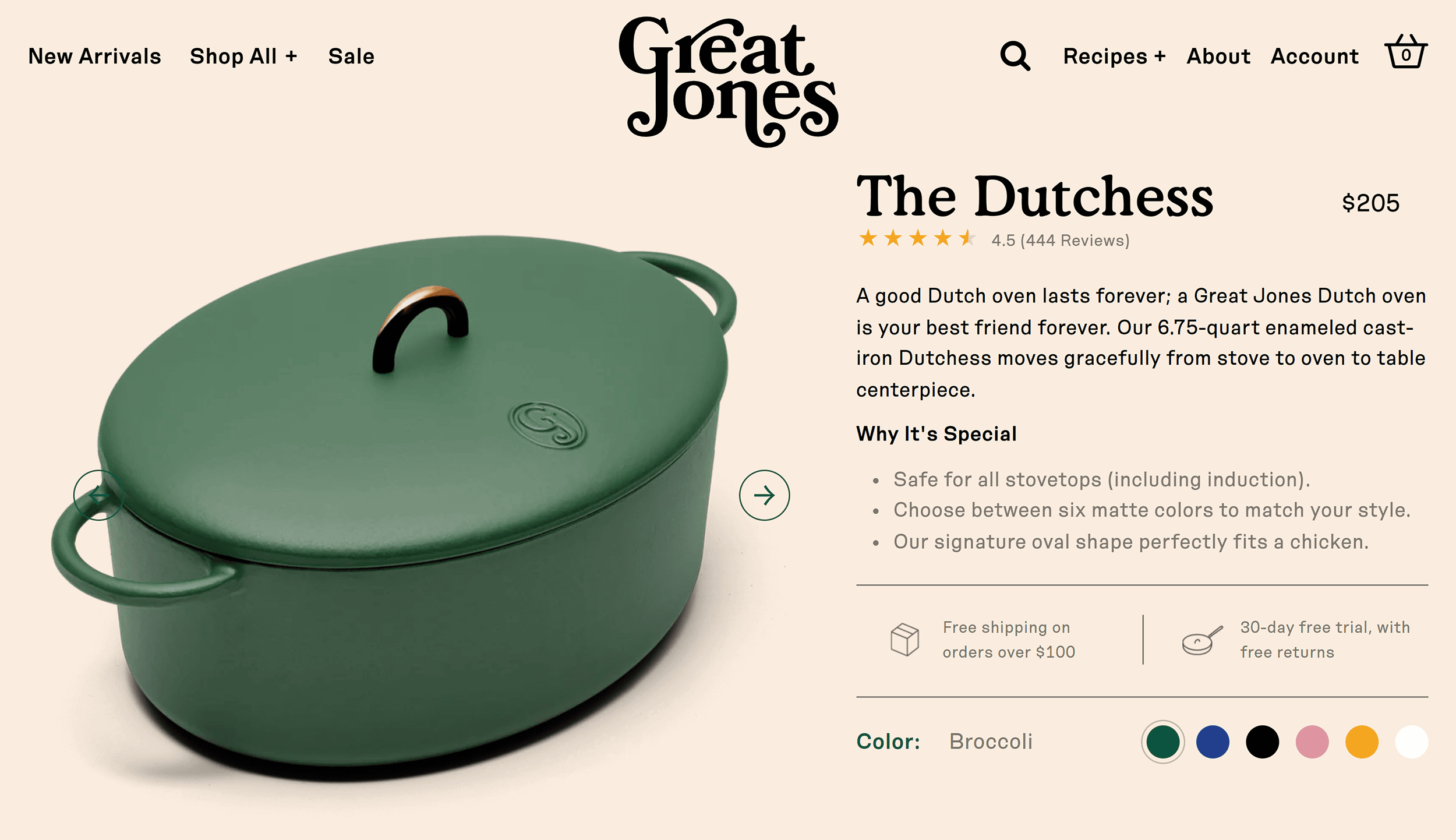
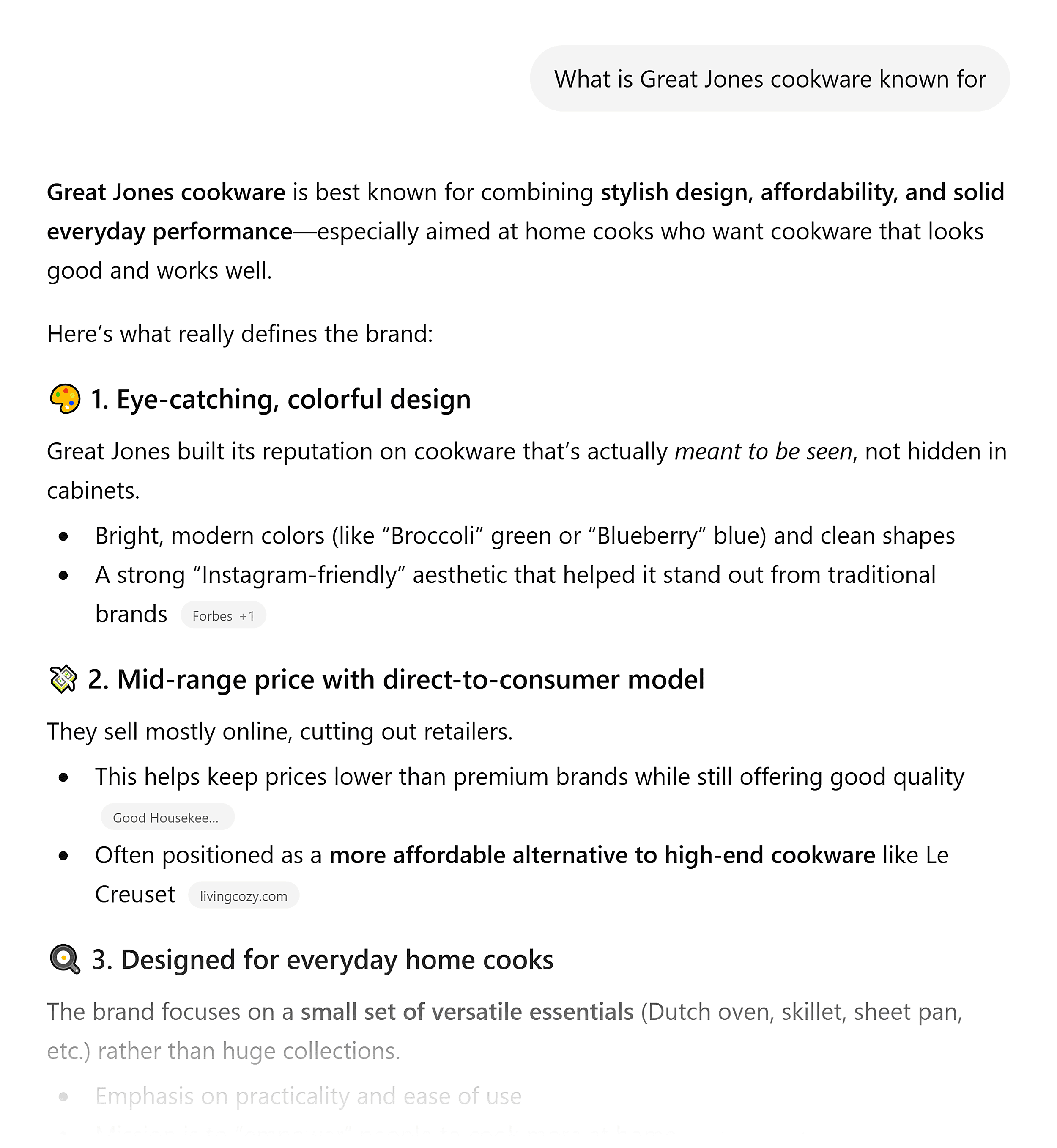
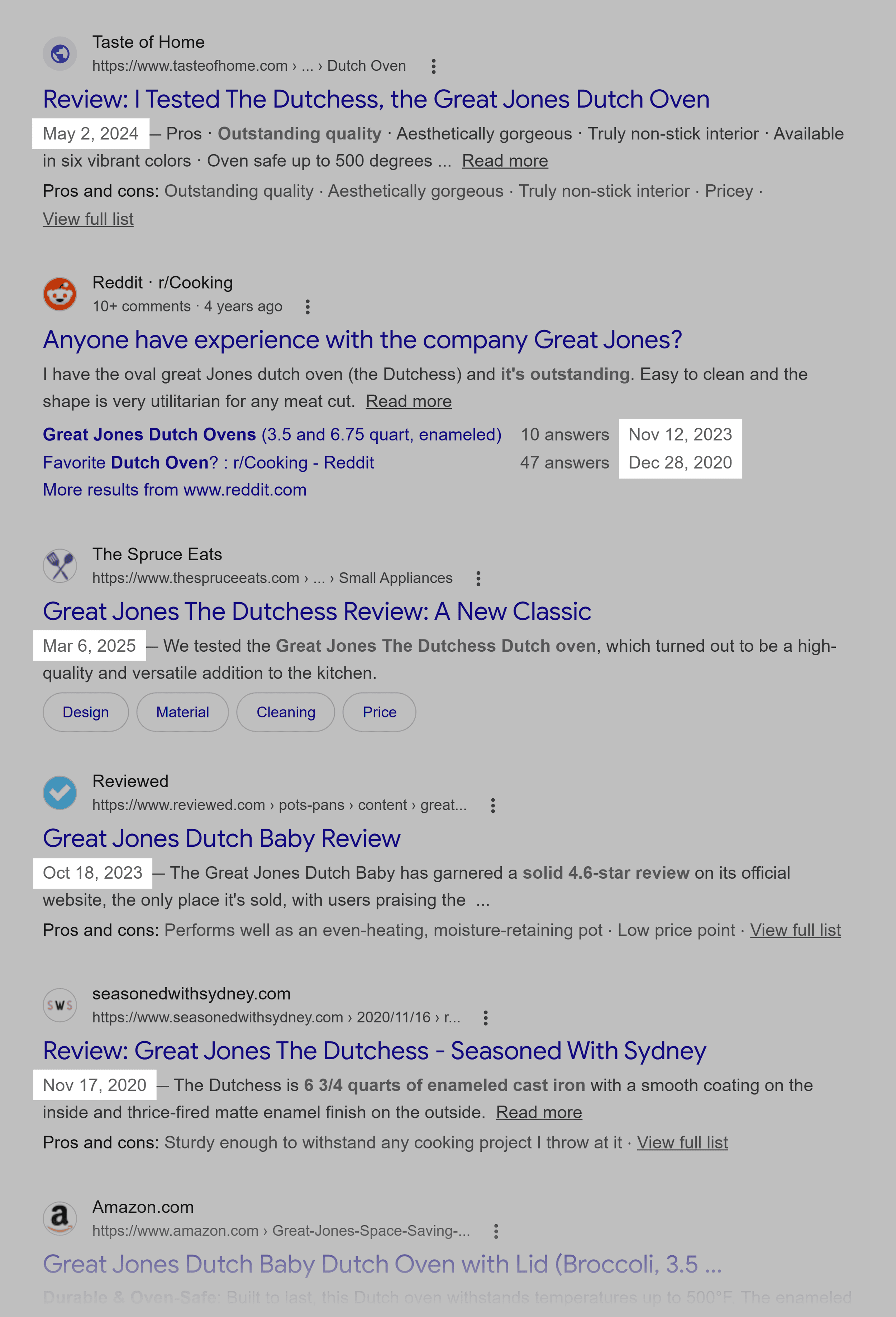
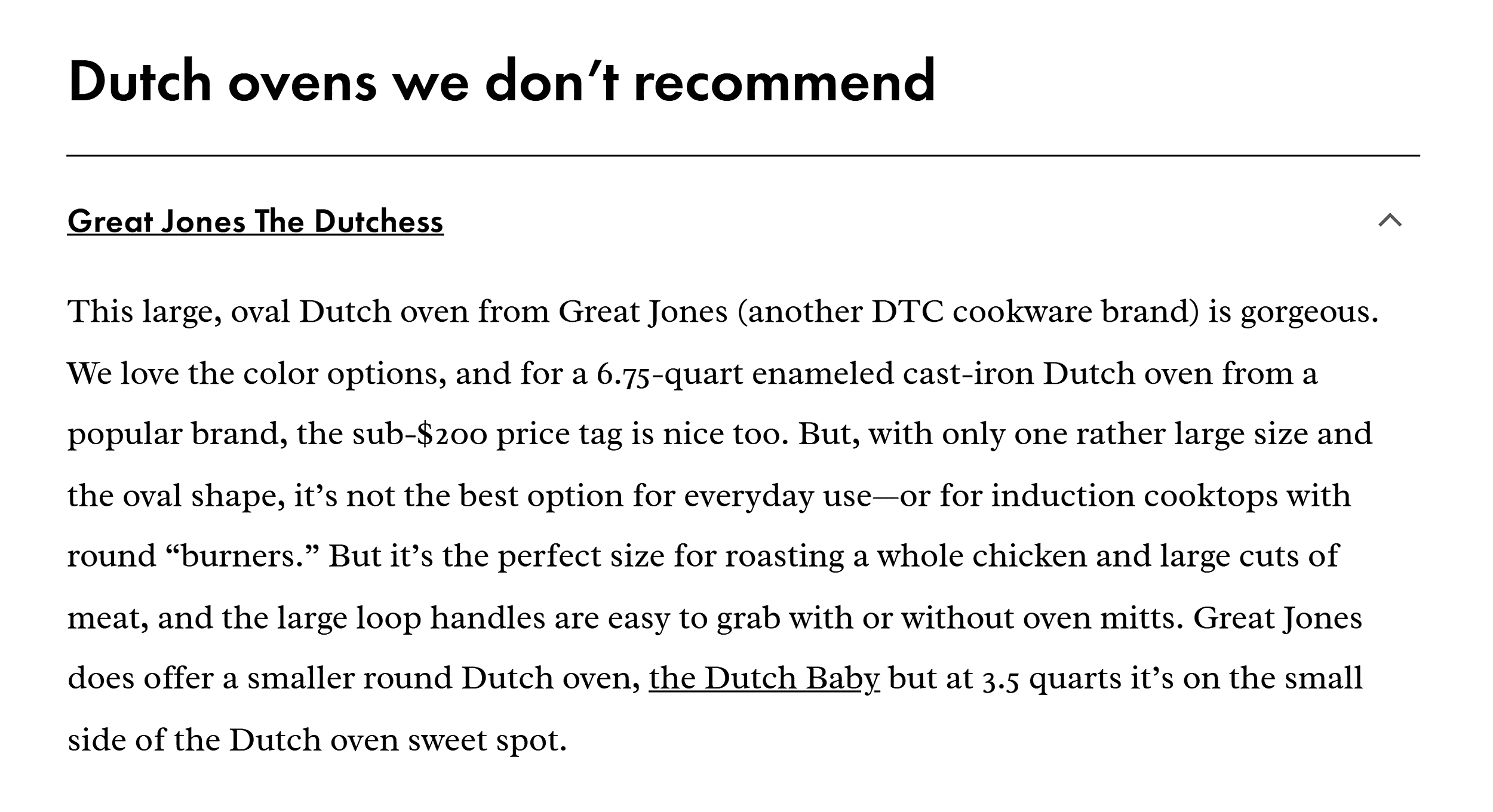
Consider the case of Great Jones, a stylish kitchenware company. Their flagship Dutch oven, "The Dutchess," is undeniably beautiful, well-reviewed, and frequently cited by major lifestyle outlets. Yet, when a consumer asks Google or an AI chatbot for recommendations on the "best Dutch ovens," the brand is frequently absent.
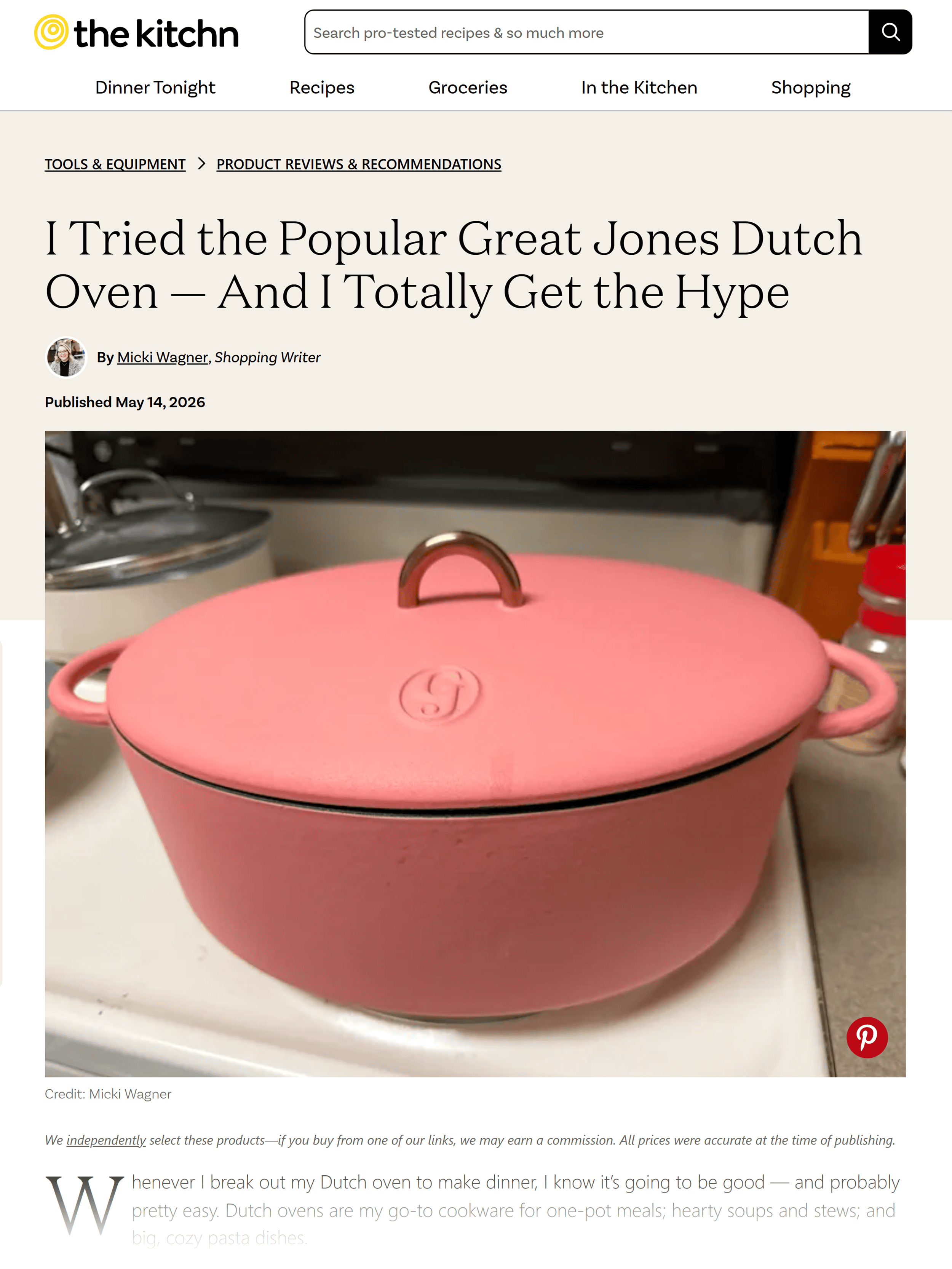
This isn’t a failure of product quality or PR; it is a failure of pattern recognition. Search engines and AI systems are not just looking for content; they are looking for a consistent, positive framing that ties a brand to a topic across both the brand’s own site and the broader web. Without this structural consistency, AI systems cannot confidently associate a brand with a niche, causing them to default to legacy players with stronger, more entrenched signals.
What Is Topical Authority?
Topical authority is your site’s earned reputation for expertise on a specific subject. It is not merely about writing a lot of content; it forms when your brand and a specific topic appear together repeatedly across the sources that buyers, search engines, and LLMs trust.
Think of the brands you associate with specific categories. When you think of CRM software, you think of Salesforce; when you think of project management, you think of Asana. You didn’t arrive at these associations by accident. They formed because these brands consistently showed up with the same message, in the same spaces, around the same topics. That is the essence of topical authority, and it is how modern discovery engines learn which brands are the primary authorities in a space.
The Topical Authority Pyramid: A New Framework
Traditionally, topical authority was defined by the breadth and volume of content. The strategy was simple: write about everything in your niche, and eventually, you would own it. In the era of AI-driven search, that is no longer sufficient.
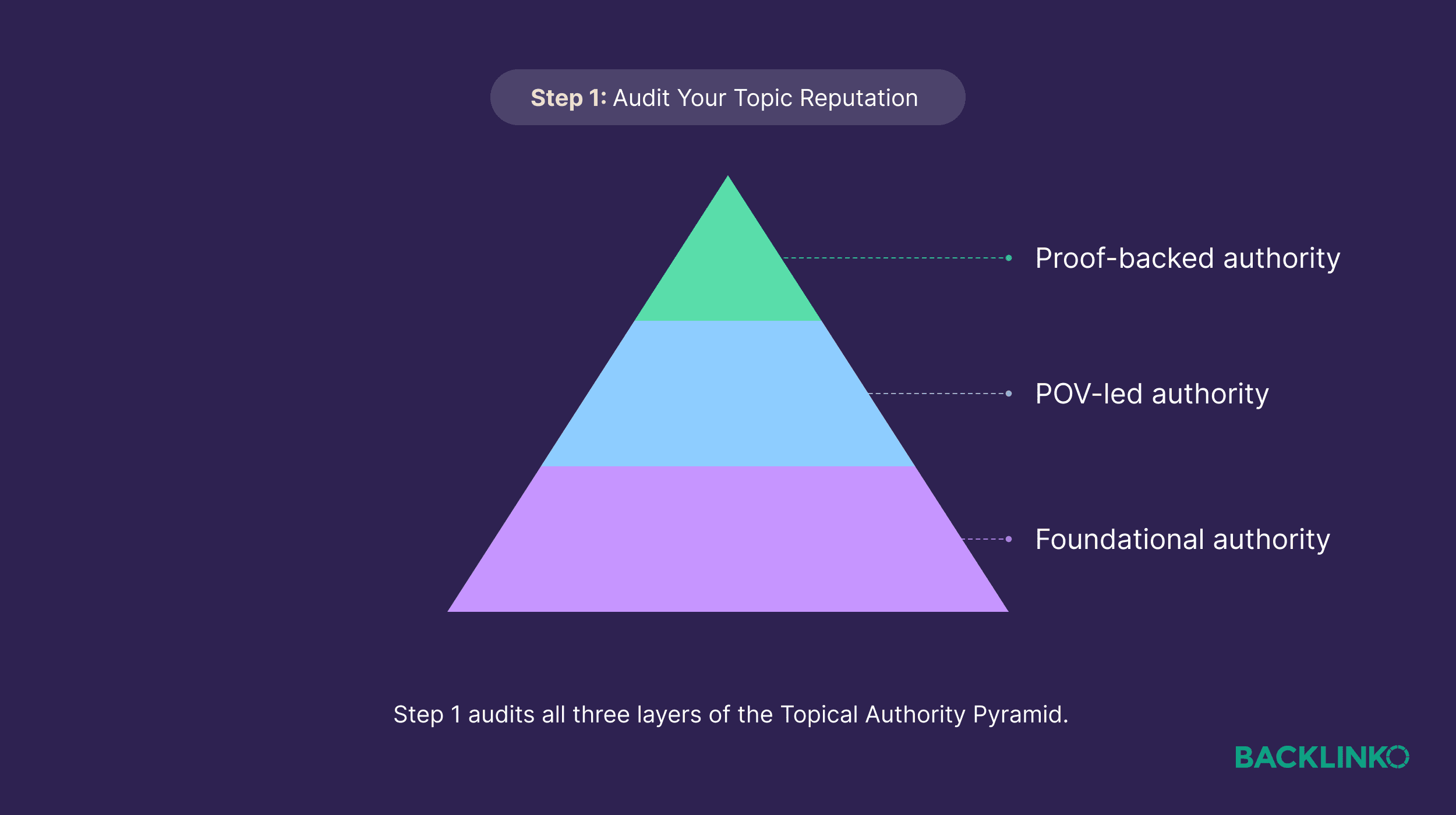
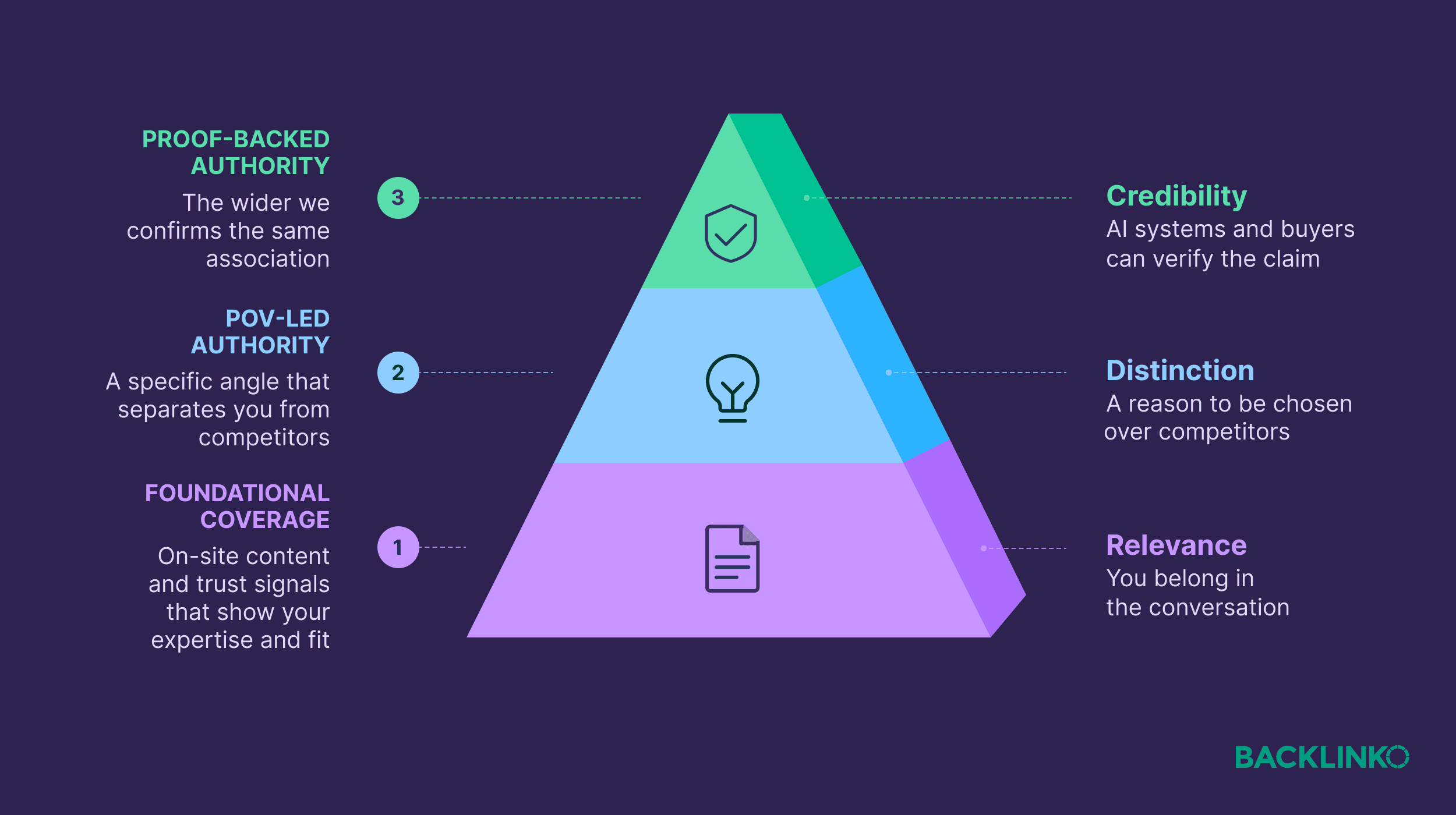
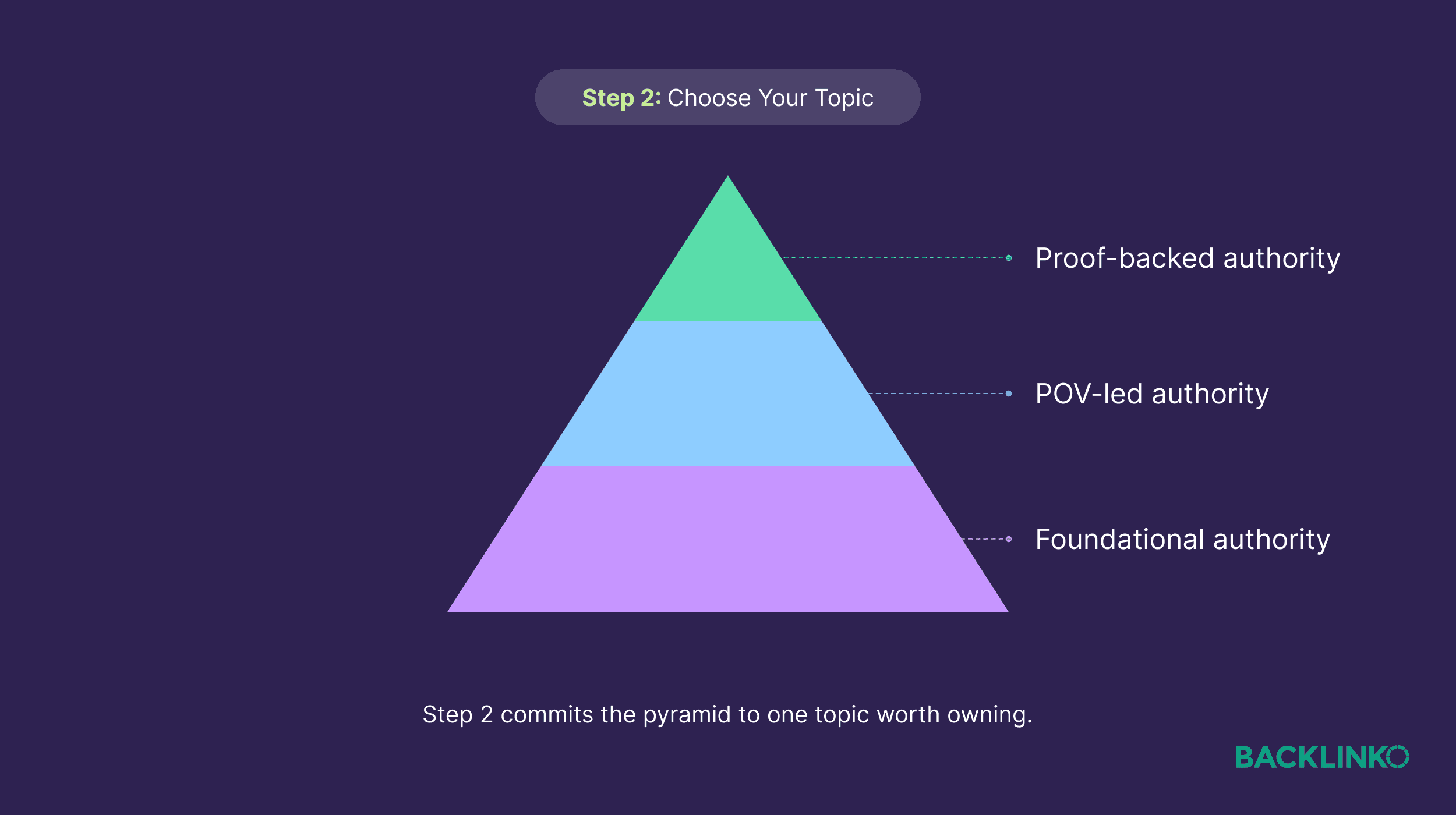
Search engines and LLMs now require more than just comprehensive coverage; they look for a clear, defensible position (a Point of View) and external evidence that validates that position. To address this, we use the Topical Authority Pyramid, a framework designed to bridge the gap between content production and market dominance.
The Three Layers of the Pyramid
The framework consists of three distinct layers:
- Foundational Authority: The bedrock of your on-site content, where your topic is defined and your expertise is clearly structured.
- Point of View (POV): The specific angle or philosophy that makes your brand distinct, providing a consistent narrative that search algorithms can easily index.
- Proof Systems: The external, third-party validation—such as reviews, citations, and community discussions—that signals to AI systems that your POV is legitimate and trusted by real humans.
Step 1: Auditing Your Topic Reputation
Before building, you must understand your current standing. Your brand already has a reputation, whether you have shaped it intentionally or not.
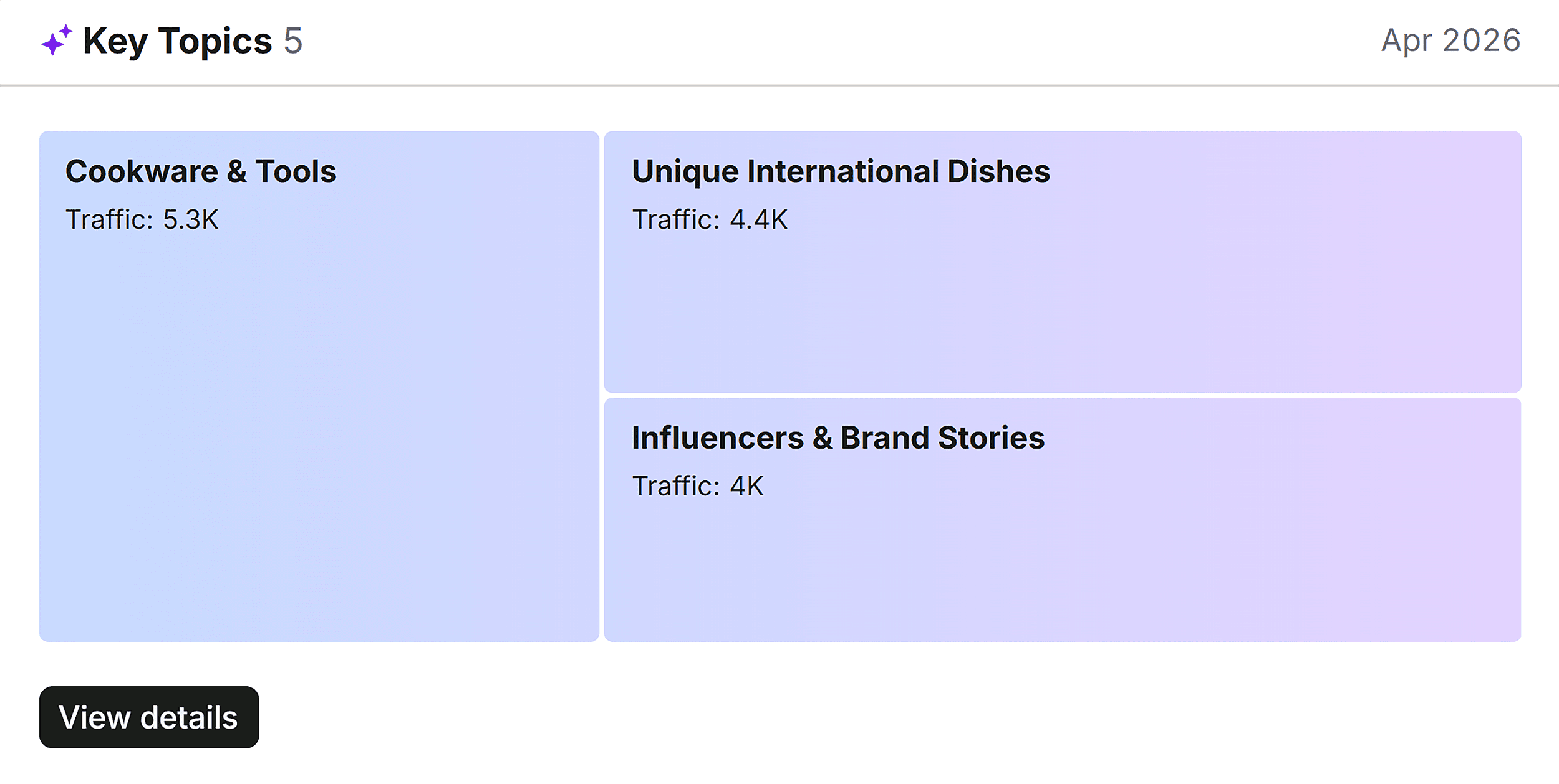
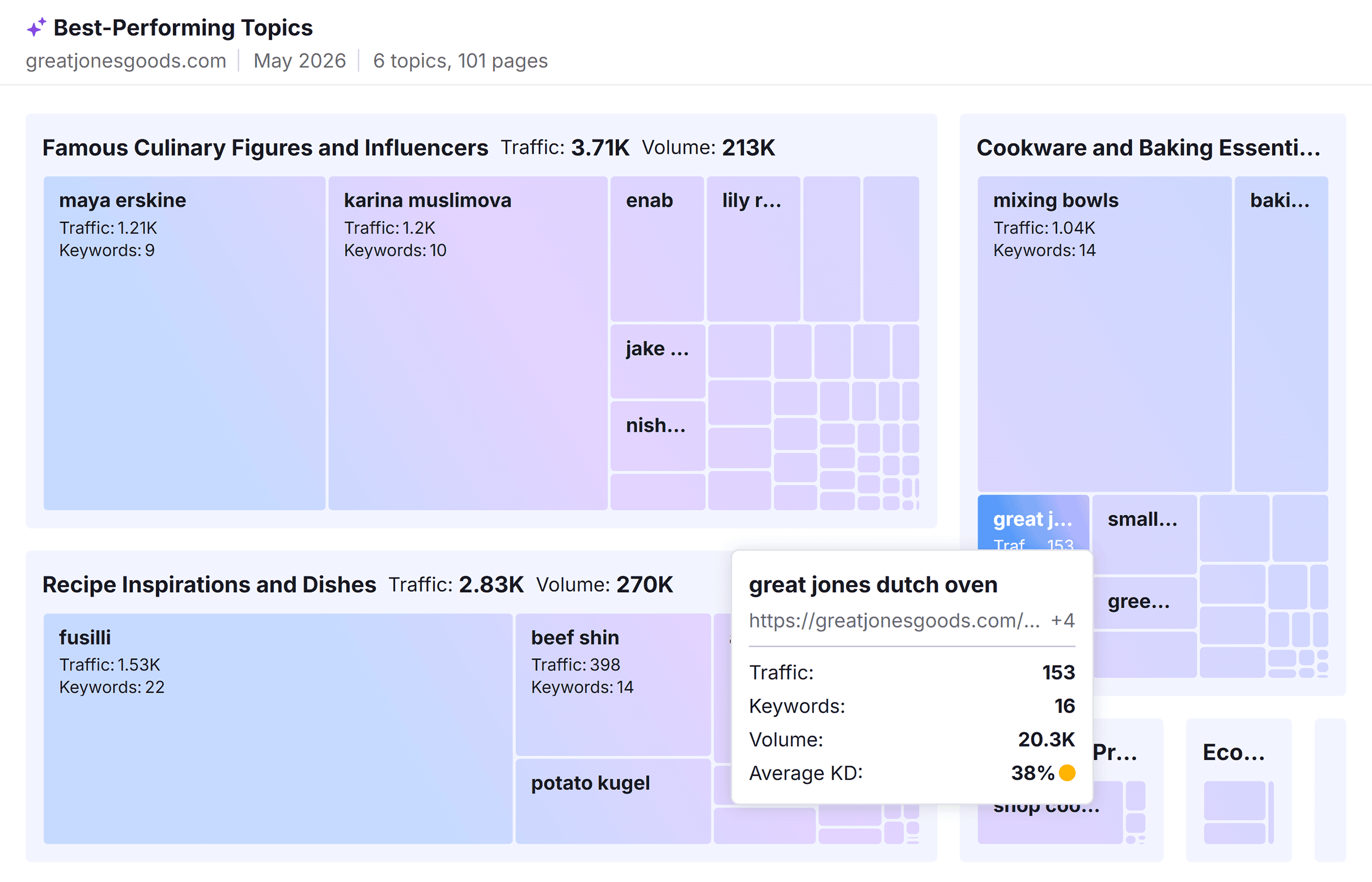
The fastest way to assess this is by using tools like Semrush’s Organic Rankings, which reveal your brand’s strongest topical associations. When we audited Great Jones, we found that their current rankings were heavily tied to "recipes" and "celebrity chefs." Despite the Dutch oven being their primary revenue driver, it barely registered as a core topical association. This is a classic "topical gap" where the brand’s primary product is not the primary topic it is known for.
Step 2: Choosing Your Topic
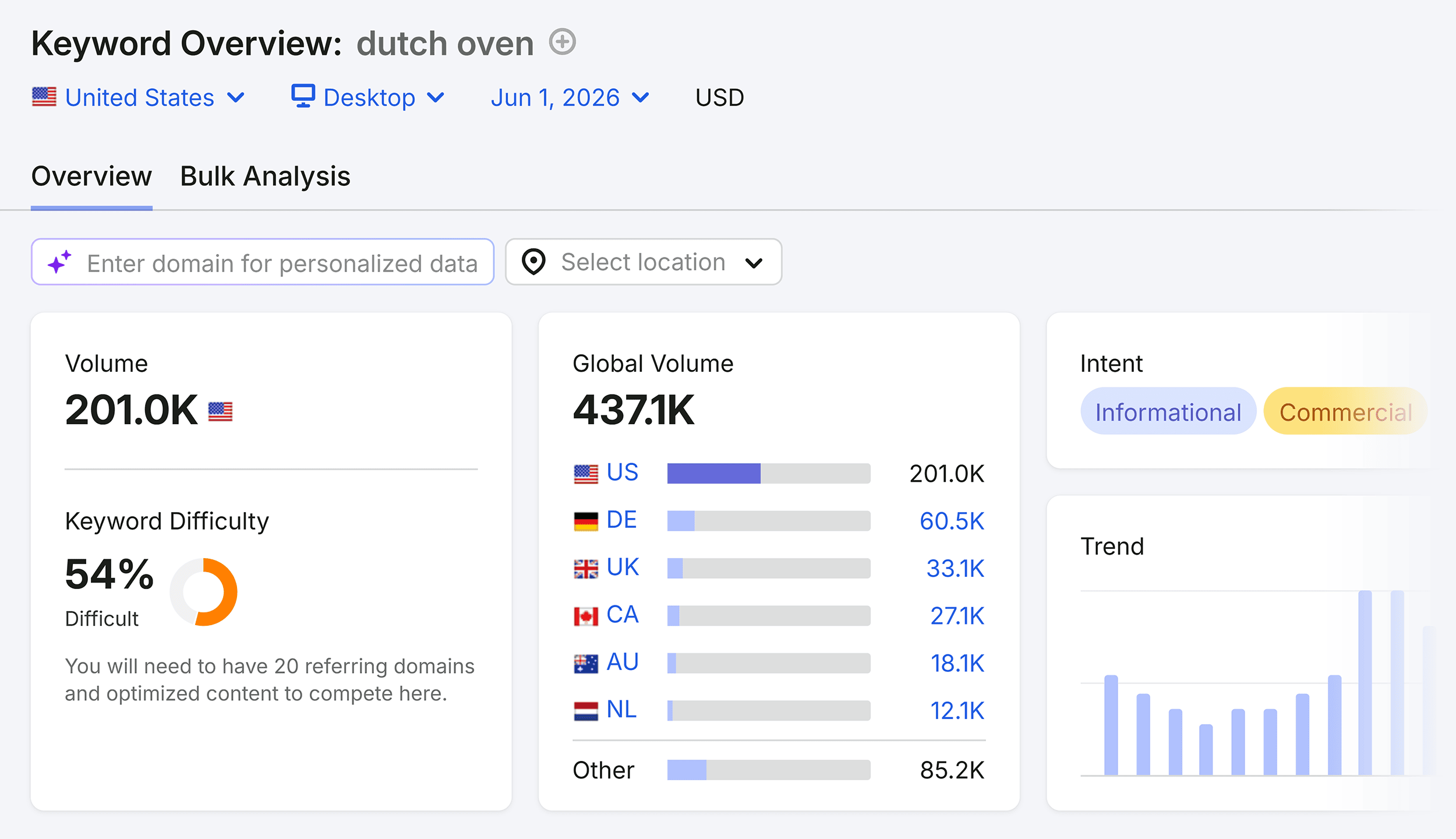
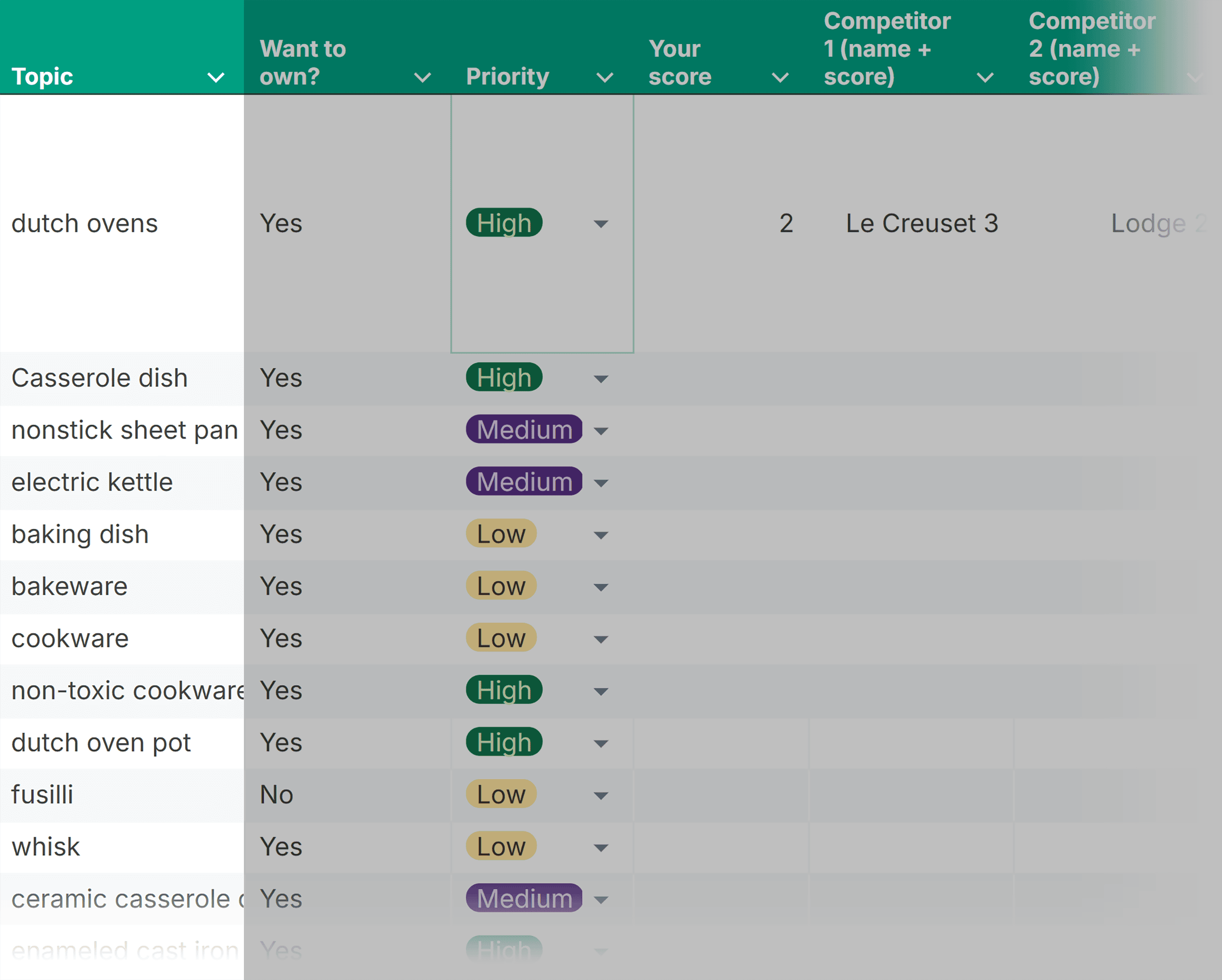
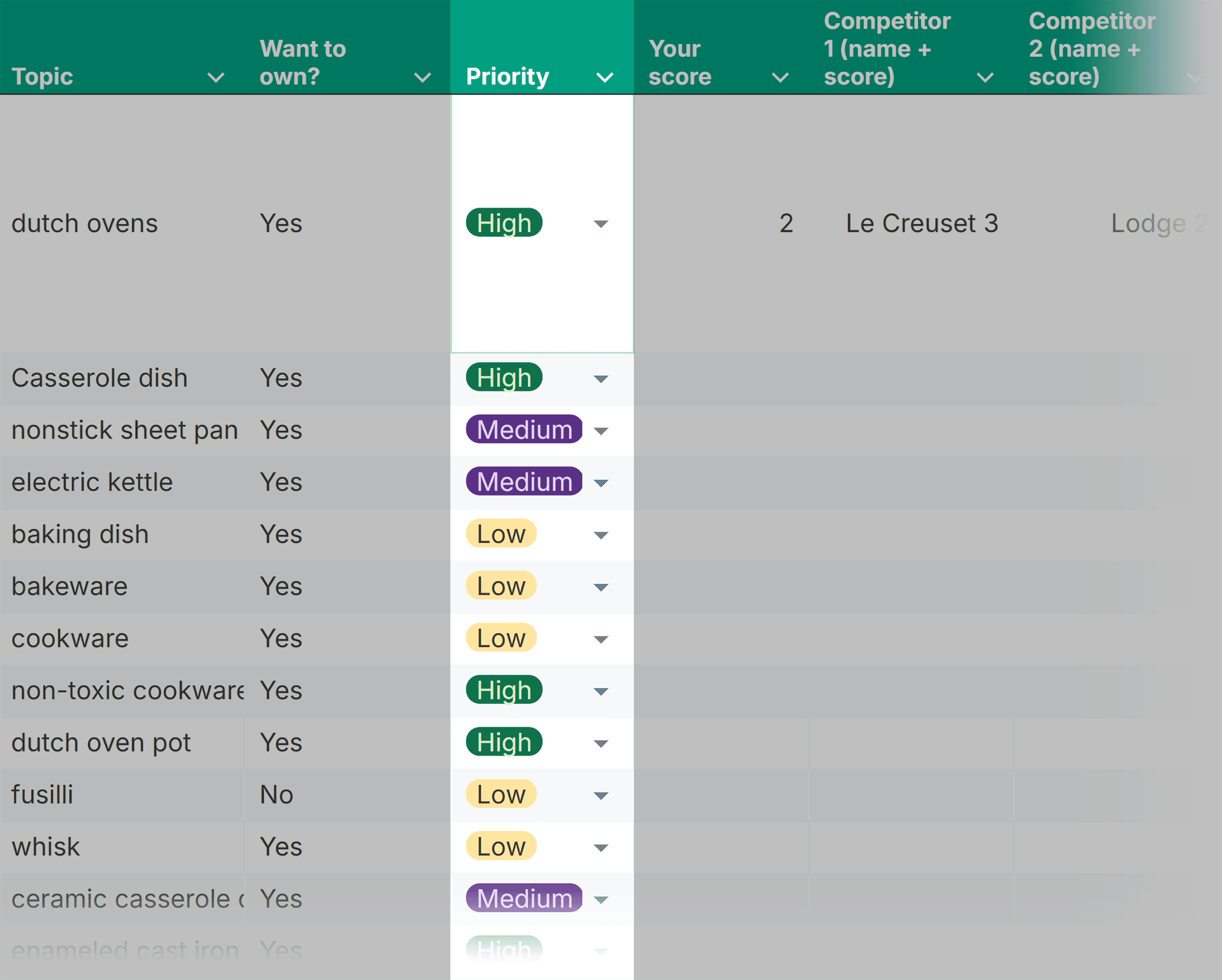
You cannot own everything. You must prioritize one topic worth owning based on revenue potential, search volume, and the ability to carve out a unique position.
For each potential topic, ask:
- Do you want to own it? Does it drive revenue or support your core products?
- How urgent is it? Does it address a current competitive weakness or a high-volume search intent?
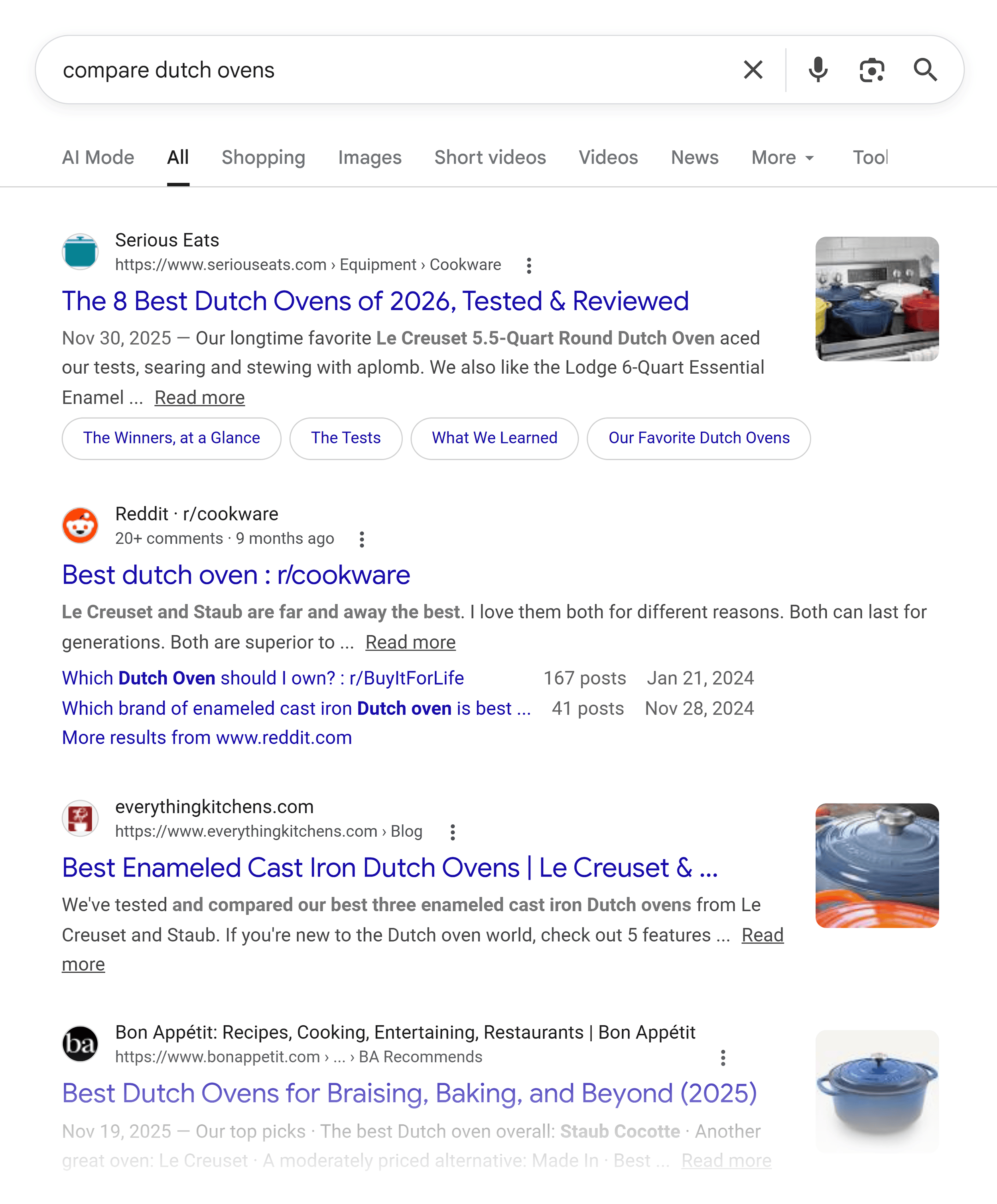
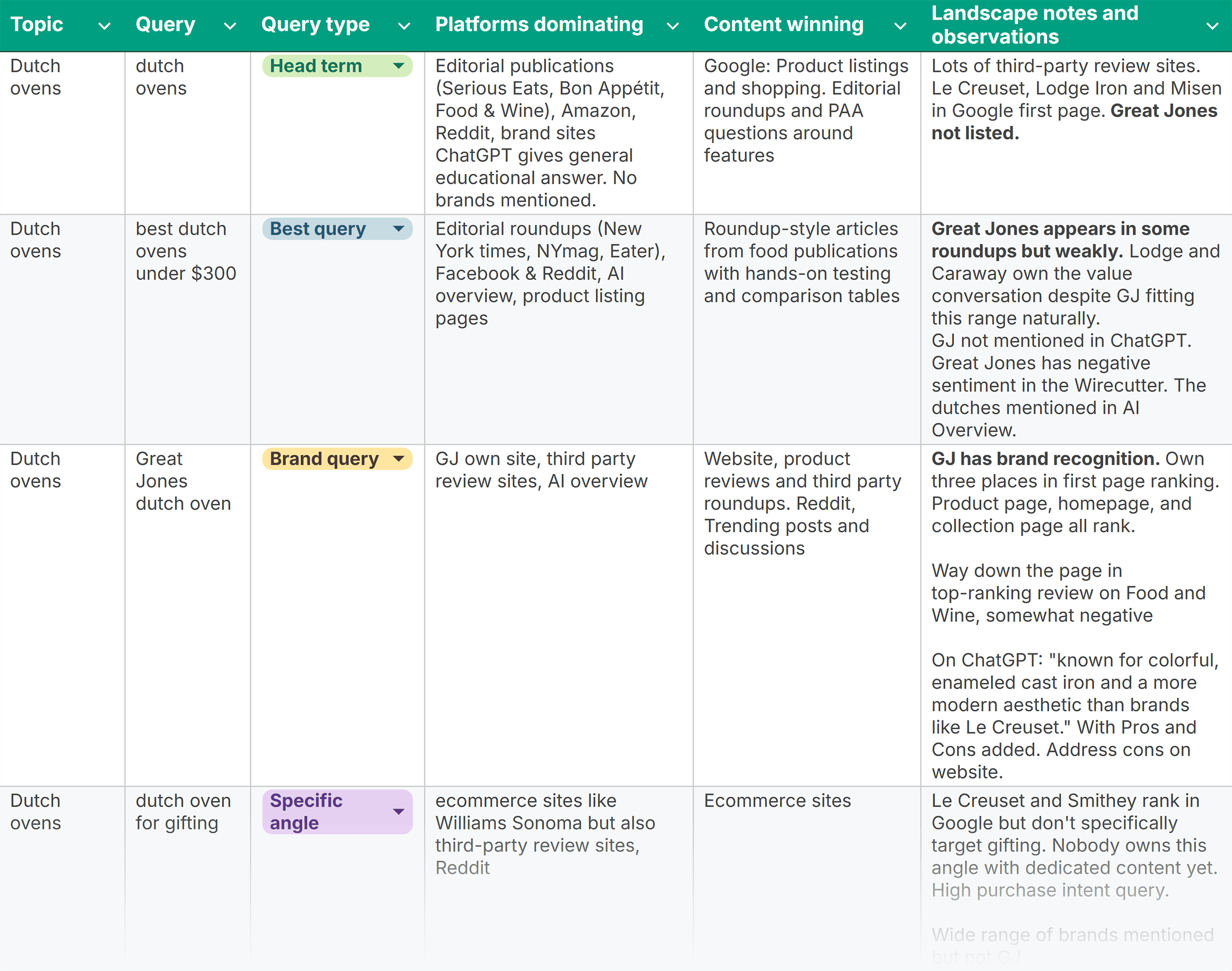
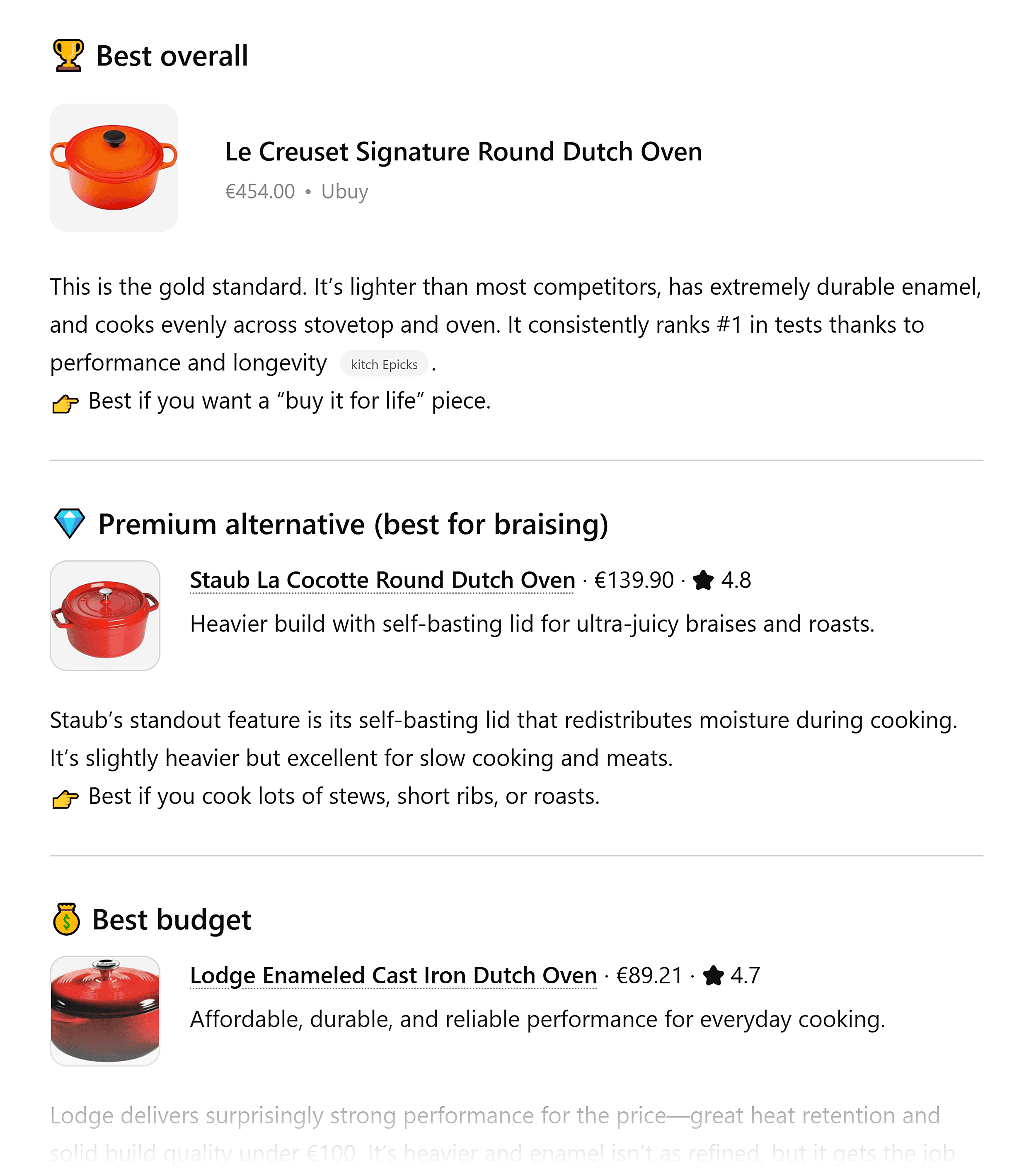
Once you have identified your shortlist, perform a Query Audit. Search for your topic on Google and LLMs using "head terms" (e.g., "Dutch ovens"), "best" queries (e.g., "best Dutch ovens under $200"), and "brand-specific" queries. Note which brands appear, which ones are missing, and where the AI’s recommendation feels shallow or incomplete.
Step 3: Defining Your POV
Your Point of View (POV) is the specific angle you own within your niche. It is the differentiator that makes your brand the obvious choice for a specific subset of the market.
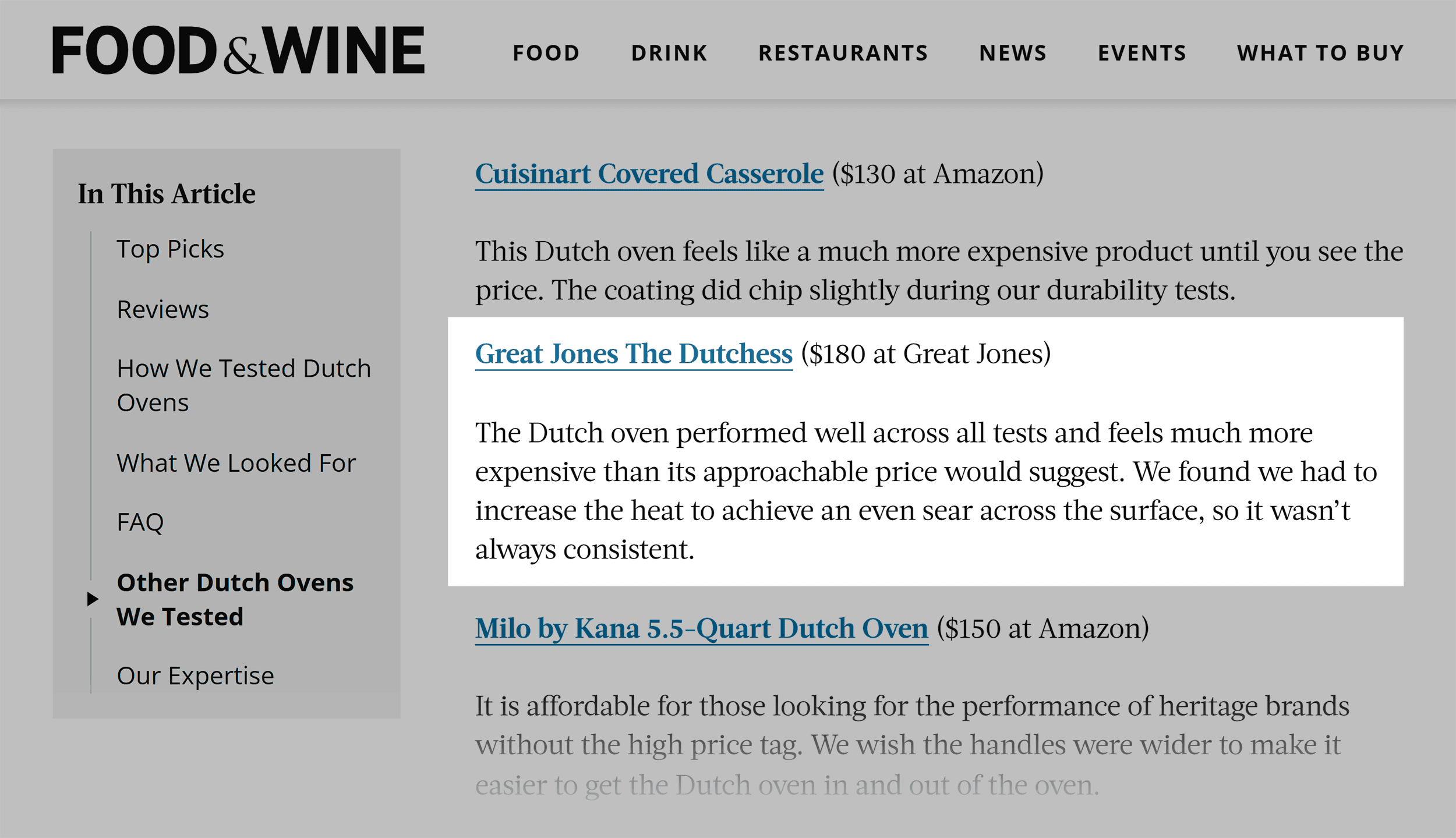
For Great Jones, while the market is saturated with high-end, functional Dutch ovens, the "gifting" angle remains largely unclaimed. By pivoting their narrative to "The best Dutch oven for special occasions and gifting," they can align their visual appeal with a clear buyer intent that competitors have ignored.
Step 4: Mapping Your Proof Architecture
A POV without proof is just a claim. To build real authority, you need evidence across every stage of the buyer’s journey:
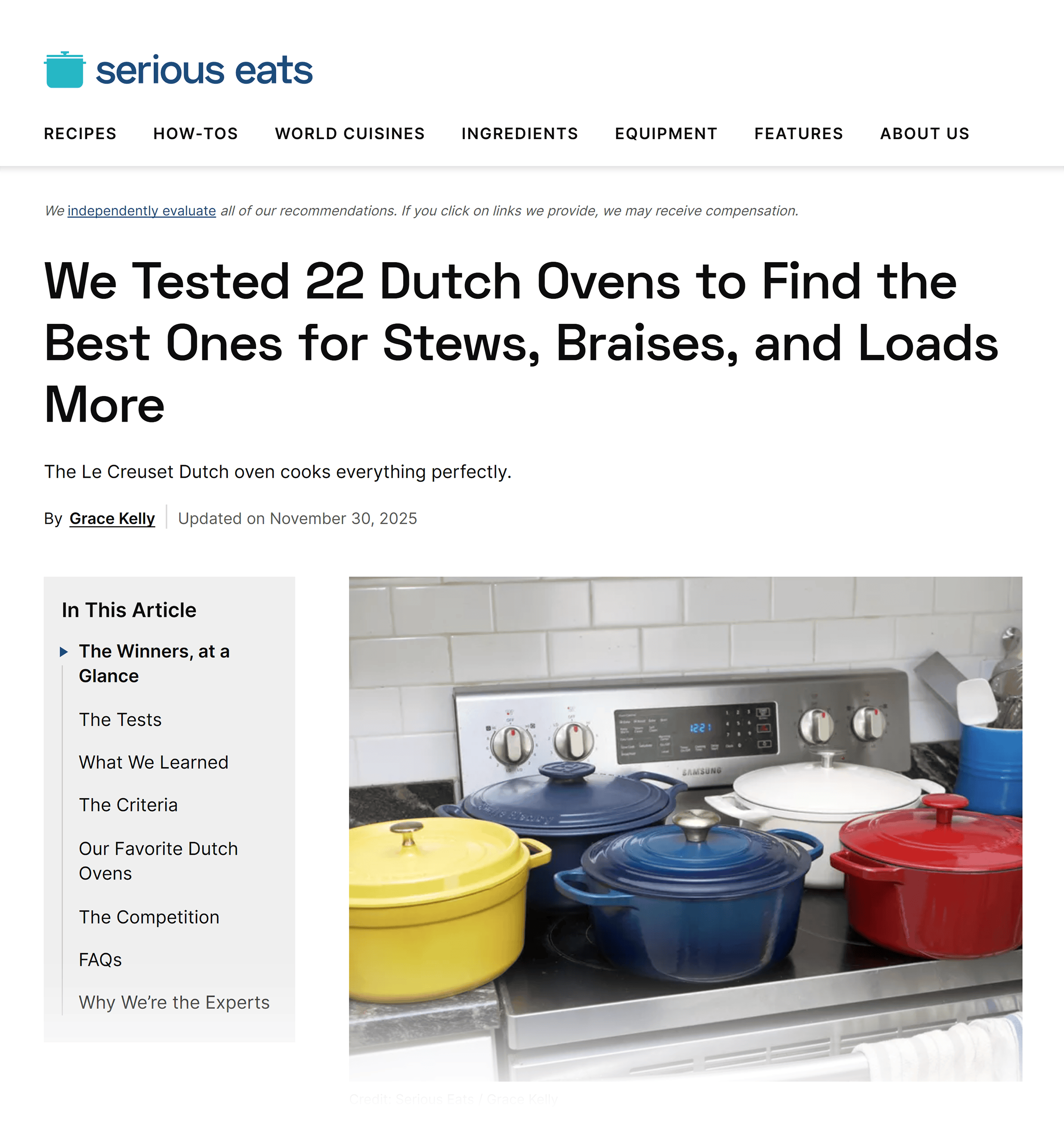
- Awareness: Industry studies and customer statistics.
- Consideration: Expert endorsements and performance data.
- Comparison: Head-to-head testing and independent awards.
For the gifting POV, Great Jones needs to map out specific assets: gift guides, comparison articles against legacy brands, and data reports on gifting trends.
Step 5: Building the On-Site Foundation
Create a "Hub Page" for your POV. This page acts as the central repository for your authority, defining the topic and routing visitors to deep-dive supporting pages. If you are a kitchenware brand, this is your "Dutch Oven Gifting Hub," which links to product pages, FAQ sections on care, and articles about holiday cooking.
Each supporting page must prove a specific aspect of your POV. When linking, prioritize descriptive, keyword-rich anchor text that helps search engines understand the relationship between your hub and your supporting content.
Step 6: Off-Site Proof Systems
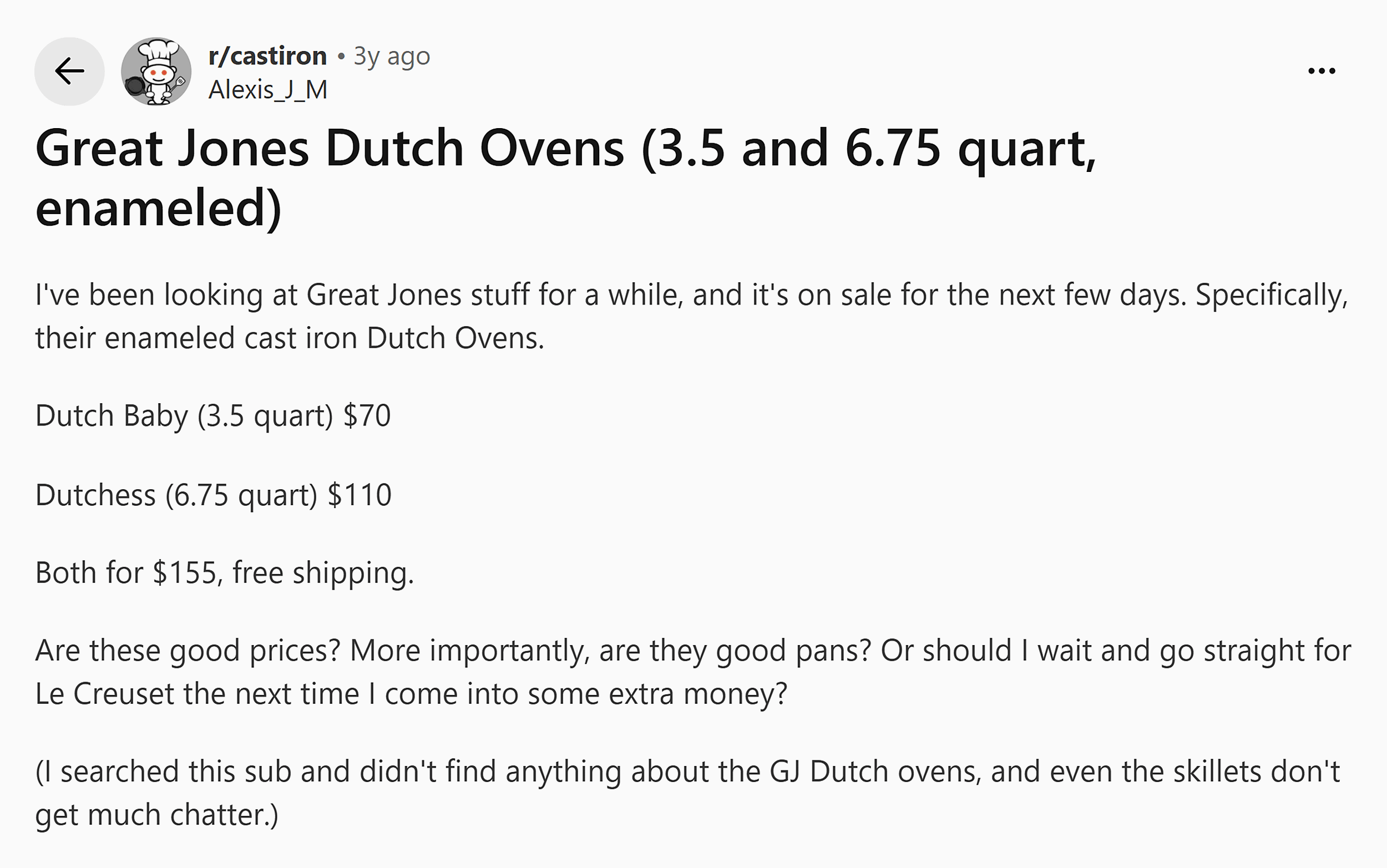
This is where the battle for AI visibility is won or lost. As Amanda Milligan of Semrush notes, "Search engines and LLMs are increasingly looking for signals outside of your domain to confirm what you are saying on your own site."
If you claim to be the best for gifting, you need the internet to echo that. This requires a signature proof point—an original insight, data report, or unique study—that others want to cite. Distribute this insight across press, social media, and niche communities like Reddit. When a high-authority publication links to your report, it validates your POV in the eyes of Google’s algorithms and LLMs.
Step 7: Tracking Progress
Topical authority is a long game. Use a 30, 60, and 90-day interval to track progress:
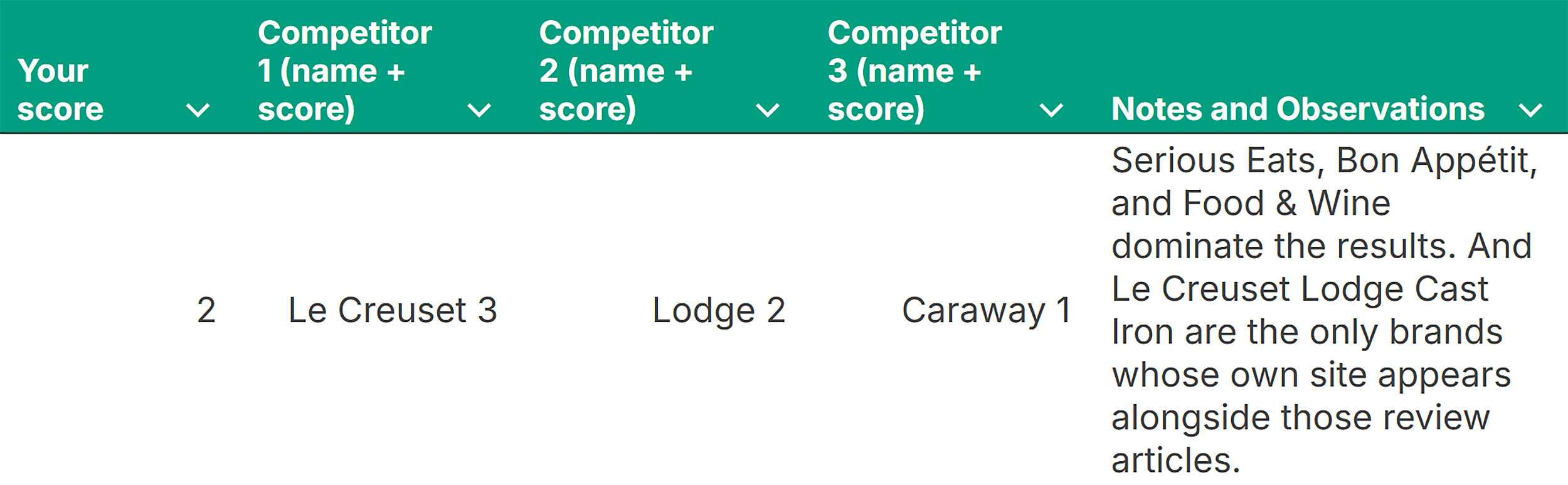
- Coverage: Are you ranking for more unprompted, non-brand queries?
- POV: When the AI mentions you, is it using the language of your POV?
- Proof: Are you appearing in more third-party "best-of" lists and community discussions?
Conclusion
Great Jones’ struggle to rank for "Dutch ovens" illustrates a critical reality: in an AI-first world, you cannot simply exist; you must be defined. By systematically building the Topical Authority Pyramid—starting with a clear POV and backing it with a robust system of on-site hubs and off-site proof—you can force the algorithms to recognize your brand.
Topical authority is not a destination but a pattern. When you build the right pattern, search engines and LLMs stop guessing and start recommending.