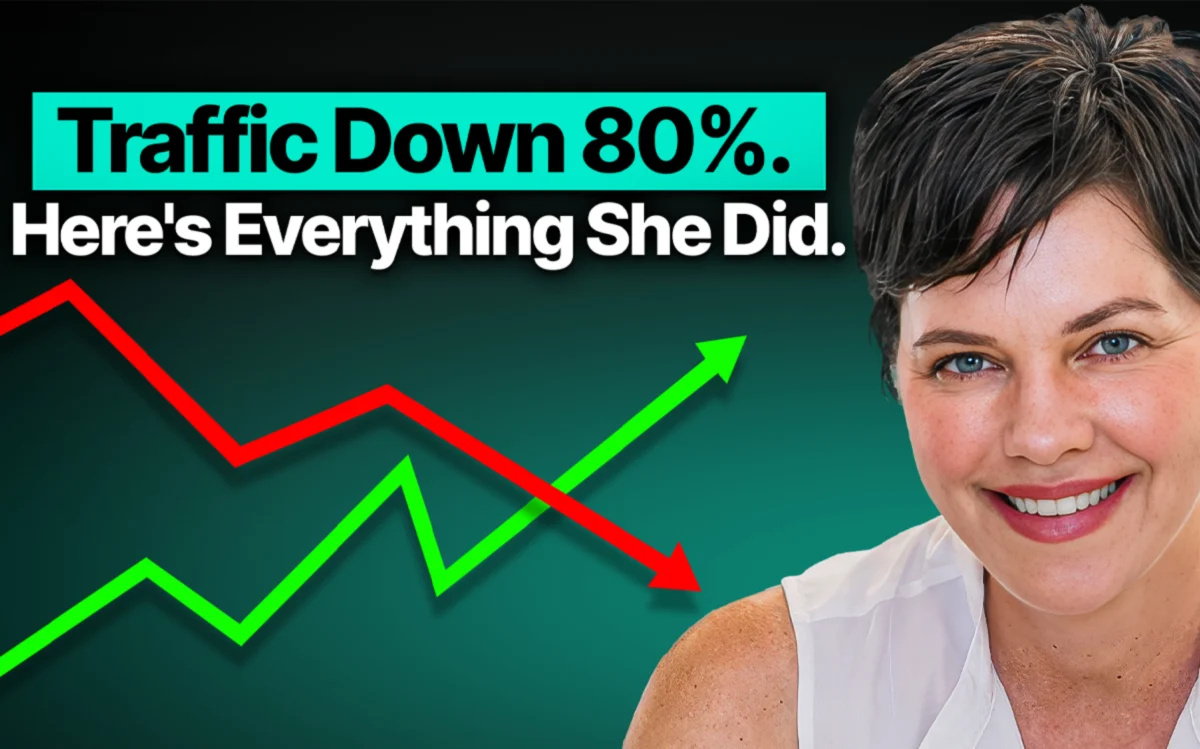
The era of "passive" blogging, fueled by an endless stream of search engine traffic, has undergone a radical, often brutal, transformation. In a recent episode of the Niche Pursuits podcast, host Spencer Haws sat down with Carrie Forrest, the founder of Clean Eating Kitchen, to dissect a reality that many independent digital publishers are currently facing: the dramatic decline of search-driven revenue in the age of AI-augmented search results.
Forrest’s journey—from a high-traffic content machine to a leaner, more intentional brand—serves as a cautionary tale and a blueprint for survival in an ecosystem where Google’s algorithms and AI Overviews have fundamentally shifted the math of digital content.
The Rise of a Search-Driven Powerhouse
Carrie Forrest’s ascent in the blogging world began in 2009. Her platform, Clean Eating Kitchen, was not merely a collection of recipes; it was rooted in her own health journey, eventually bolstered by a master’s degree in public health and a certification in nutrition.
For years, her business model was the gold standard for niche sites. By mastering keyword research, maintaining a rigorous publishing schedule, and building site authority, Forrest successfully tapped into the vast reservoir of search demand. During her peak years, the formula was simple and effective: provide high-quality answers to what people were searching for, capture the organic traffic, and monetize through display ads and affiliate links.
At her height, Clean Eating Kitchen commanded nearly 1 million page views per month. It was the type of success many digital entrepreneurs strive for—a high-income, high-traffic asset that seemed to defy gravity.
The Chronology of the Collapse
The shift did not happen overnight, but the impact was swift. As Google began rolling out updates favoring AI Overviews and restructuring how search results prioritize content, the landscape for independent publishers began to shrink.
"The ground shifted," Forrest explained during the interview. The changes in search behavior, combined with the emergence of AI-generated answers, led to a catastrophic decline in organic click-through rates. For Forrest, the numbers were sobering: her site suffered an 80% drop in total traffic.
Because her business model was heavily concentrated on page-view-dependent income, the financial fallout was almost immediate. Revenue plummeted in near-perfect lockstep with traffic. Where she once saw monthly ad revenue ranging from $20,000 to $30,000, she now generates between $4,000 and $5,000. While still a viable business, the margin for error has narrowed significantly, forcing a complete re-evaluation of her operational strategy.
Analyzing the Tactics That Lost Steam
A critical component of the discussion centered on the "dead-end" tactics that once fueled massive growth but have since become obsolete.
The Rise and Fall of Web Stories
Forrest highlighted "Web Stories" as the most prominent example of a failed long-term strategy. For roughly three years, they were a goldmine, driving hundreds of thousands of page views annually. However, by 2023, their prominence in Google’s ecosystem evaporated. Forrest eventually made the decision to "noindex" them entirely, recognizing that the effort required to produce them no longer yielded a return.
The Problem with "Keyword-Chasing"
Forrest also reflected on the limitations of content created solely for search demand rather than audience value. She cited a post about "yellow fruits"—a topic that performed well according to keyword data but lacked depth and genuine utility for her core audience. This realization marked a pivotal shift: she moved away from producing high-volume, thin-content articles that were designed to "print" traffic, focusing instead on content that fosters community and trust.
Monetization Experiments: Lessons in Reality
In the wake of the traffic drop, Forrest experimented with several alternative revenue streams, providing a transparent look at what works—and what doesn’t.
- Paid Workshops: While she successfully launched workshops, the returns were modest. Priced between $10 and $20, these sessions required significant preparation time, promotion, and delivery effort for a relatively small financial yield.
- Donation-Based Models: Implementing a "Buy Me a Coffee" style tip jar resulted in less than $100 in revenue over a full year, proving that for her audience, this model was not a sustainable pillar of income.
- AI-Generated Video: Despite the technological appeal of AI video tools, Forrest found that her audience did not engage with them. She concluded that the content lacked the "human touch" necessary to build the authentic, long-term connections her brand relies on.
The Pivot: Channels of Resurgence
Despite the setbacks, Forrest’s business has not folded. She has pivoted toward channels that offer higher stability and a stronger connection to her readers.
The Centrality of Email
Email has become the cornerstone of the "new" Clean Eating Kitchen. Recognizing that she can no longer rely on Google to act as a gatekeeper to her audience, she has leaned heavily into list building. By focusing on direct communication, she maintains a consistent line to her readers, which allows her to repurpose evergreen content, promote workshops, and drive traffic to affiliate offers without the volatility of search engine updates.
Private Affiliate Relationships
Forrest has also moved away from the low-commission model of broad affiliate networks like Amazon. Instead, she has fostered direct, private partnerships with brands that align with her niche. These relationships yield commissions of 20% or more, significantly outperforming the small, fragmented payouts of traditional affiliate programs.
Strategic Short-Form Video
While she initially viewed video as a secondary effort, she is now using short-form clips as a discovery tool. By creating videos that complement her existing recipe content, she is finding new ways to rank in search results. This strategy is less about "chasing" traffic and more about creating a cohesive ecosystem where video, articles, and email work in tandem to reinforce her brand’s authority.
The Leaner Business Model: Implications for the Industry
Perhaps the most significant change to the business is its operational structure. At the height of her success, Forrest managed a team of roughly 13 subcontractors. Today, the operation is largely solo.
In 2023, the site shifted from a high-volume publishing schedule—releasing or updating approximately 350 posts—to a much more selective approach, publishing closer to 50 high-quality, author-written posts annually. This "less is more" philosophy reflects a broader trend among successful publishers who are moving away from the "content mill" mentality to focus on brand-centered operations.
The Bigger Takeaway for Modern Bloggers
The implications of the Clean Eating Kitchen story are clear: the era of the search-only business model is effectively over. For those who built their income on the assumption that Google would always provide a steady stream of visitors, the shift is painful but inevitable.
Forrest’s experience underscores that while traffic is a vanity metric, trust is the real currency of the digital age. By stripping away the bloated, SEO-reliant tactics of the past, she has uncovered a more resilient business model. It is one defined by:
- Direct Audience Ownership: Using email as the primary conduit for engagement.
- High-Trust Monetization: Prioritizing direct brand partnerships over broad, low-payout affiliate links.
- Operational Efficiency: Reducing overhead to ensure the business remains profitable even during periods of lower growth.
Final Thoughts
Carrie Forrest’s pivot is a masterclass in professional resilience. By transitioning from a high-volume, search-dependent entity to a focused, audience-first brand, she has demonstrated that digital publishing remains a viable career path, even when the rules of the game change.
For the modern blogger, the lesson is simple: do not build your house on rented land. As AI continues to evolve and search engines prioritize their own internal ecosystems, the only true hedge against volatility is an audience that trusts you, knows you, and follows you directly—independent of any algorithm.