In the ever-evolving landscape of WordPress, the divide between "no-code" site builders and professional software engineering is often stark. For years, users have been forced to choose between the convenience of visual page builders—which prioritize ease of use but often sacrifice performance and total control—and the steep, often daunting learning curve of custom theme development.
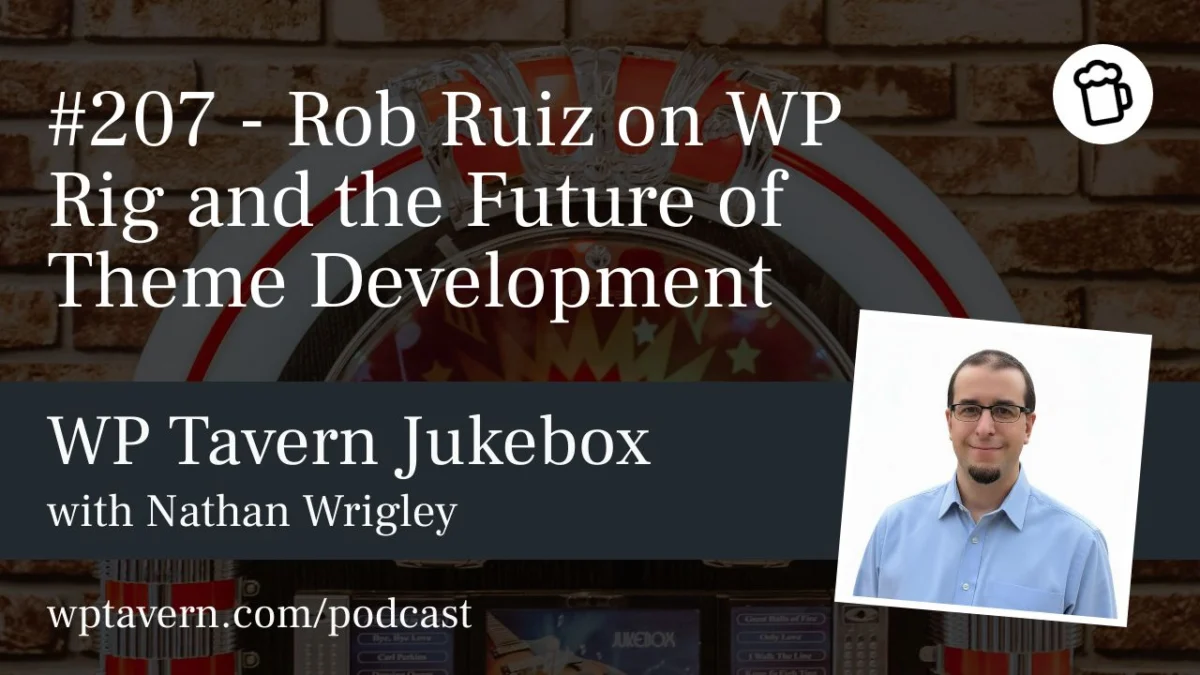
Enter WP Rig, an open-source toolkit designed to bridge this divide. Recently, WP Tavern’s Jukebox Podcast hosted Rob Ruiz, the current custodian of the project, to discuss how this framework is evolving to meet the demands of the modern web. By offering a modular, best-practice-driven environment, WP Rig aims to empower both seasoned architects and curious tinkerers to reclaim control over their WordPress projects.
The Genesis and Evolution of WP Rig
WP Rig is more than just a "starter theme"; it is a comprehensive development ecosystem. It serves as a scaffolding tool that provides a modern, minimal, and best-practice-oriented foundation for developers. By integrating industry-standard tools like Composer and Node.js, the toolkit streamlines workflows, enforces strict coding standards, and enables developers to utilize future-facing CSS features today.
A Journey from User to Maintainer
Rob Ruiz’s relationship with the project is a testament to the power of the WordPress community. Having started as a designer in the early 2000s, his career tracked the evolution of the web, moving from basic design to complex software architecture. After searching for a framework that balanced customizability with the core WordPress philosophy, he discovered WP Rig.
"I fell in love with it," Ruiz noted during the interview. "I liked the opinions it held, and I loved how it enforced best practices automatically." When the project’s original leadership announced a call for new maintainers via an article on WP Tavern, Ruiz seized the opportunity. Today, he manages the project, stewarding it through its most significant transition yet: the release of Version 3.
Core Philosophy: Why a Framework Matters
For those accustomed to clicking "install" on a theme and dragging blocks in a visual editor, the concept of a "theme development framework" can feel abstract. However, the core problem it solves is one of sustainability and control.
The Limitations of the "Database-Driven" Experience
When users rely exclusively on page builders, every design choice—every color, margin, and font size—is saved into the WordPress database. This makes global changes tedious, as a designer might have to manually update hundreds of individual blocks to reflect a design shift.
In contrast, a custom theme built via a framework allows developers to use code as a "source of truth." With CSS and template files, a single change to a variable updates the entire site instantly. "Coding provides ultimate control," Ruiz explained. "It allows you to do anything you can imagine, without the barriers or limitations imposed by a third-party plugin or builder."
The "Tinkerer" Mindset
WP Rig is designed for the curious. It encourages users to peel back the layers of WordPress, understanding how HTML, CSS, and JavaScript interact to build a page. It isn’t just about building a site; it’s about learning the foundational standards of the web. By providing guardrails—such as built-in PHP coding standards (WPCS) and automated CSS compilation—it ensures that even beginners don’t "break" the system while they learn.
Technical Infrastructure: What’s Under the Hood?
Version 3 of WP Rig represents a major leap forward, moving away from older build tools like Gulp and toward the high-speed, modern tooling ecosystem that powers contemporary software development.
Modernizing the Workflow
To get started with WP Rig, users must move their development environment from a remote server to their local machine. This shift is essential for using the "modern" side of the stack, including:
- Node.js: The runtime environment that powers the build process.
- Composer: The dependency manager for PHP, ensuring your theme is structured correctly.
- Modern CSS/JS Tools: Through the use of PostCSS and future-facing compilers, WP Rig allows developers to write CSS that isn’t yet fully supported by all browsers, converting it automatically into compatible code.
- Local Development: Tools like Local WP or the
wp-envpackage allow developers to simulate a server environment directly on their laptop, providing a safe sandbox for experimentation.
The "Scaffolding" Advantage
One of the most impressive features of WP Rig is its "bundling" capability. When a developer starts a project, they are working within the framework. However, when the time comes to ship the final product, the system generates a standalone, clean version of the theme. It strips away the framework’s branding and internal references, leaving the developer with a professional, proprietary-looking product that contains no trace of the toolkit used to build it.
Adapting to the Era of Full Site Editing (FSE)
The rise of Full Site Editing (FSE) and block-based themes has forced many developers to rethink their strategies. Initially, there was concern that FSE would render traditional coding frameworks obsolete. Ruiz, however, sees it as an opportunity for expansion.
A Hybrid Approach
WP Rig has evolved to support three distinct paradigms:
- Classic: The traditional template-based structure.
- Block-Based: Fully embracing the new FSE ecosystem.
- Hybrid: A flexible middle ground that allows developers to mix traditional code with the power of blocks.
"WP Rig has to support multiple paradigms," says Ruiz. "Through command-line commands, you can instantly shift the framework to support block-based editing." This flexibility ensures that the project remains relevant, even as the "WordPress way" of building sites continues to change.
Implications for the Future of WordPress
The long-term success of WordPress is not guaranteed; it relies entirely on the vitality of its contributor community. Ruiz argues that the "tinkerer" is the backbone of the platform.
The Risk of Stagnation
If the next generation of users is only trained to use point-and-click builders, the pool of potential contributors—people who understand the internal machinery of WordPress—will naturally decline. WP Rig serves as an educational gateway, training users to be better developers.
"If the number of people contributing to WordPress starts to decline, so too will the progress of the platform," Ruiz warned. By providing a low-friction entry point for learning, WP Rig helps ensure that the next generation of developers is ready to contribute to the core, rather than just consuming products built by others.
Getting Involved: Building a Community
While WP Rig has a dedicated user base, the project is currently in a phase of growth, seeking new contributors to help shape its future.
Resources for Newcomers
- Documentation & Tutorials: The WPRig.io website serves as the central hub, featuring a robust "Learn" section.
- Community Support: The project now hosts a Discord server, where users can ask questions, troubleshoot issues, and collaborate directly with the maintainer.
- Open Contribution: The project remains entirely open-source on GitHub. Ruiz encourages developers to submit issues, suggest improvements, or contribute pull requests.
A Final Call to Action
For the professional agency developer, WP Rig provides a "home base" for coding standards and team consistency. For the hobbyist, it offers a safe, professional-grade sandbox to learn the foundations of the web. As the web moves toward a more standardized, modern, and fast future, tools like WP Rig provide the necessary guardrails to ensure that developers—no matter their skill level—can build, learn, and grow alongside the platform they love.
Whether you are looking to build your first custom theme or you are a seasoned engineer looking for a more streamlined, modern workflow, the door to WP Rig is open. The project serves as a reminder that in the world of open source, the best way to predict the future of a platform is to help build the tools that empower its users.