The ecommerce landscape is undergoing a seismic shift, transitioning from simple digital storefronts to a complex, interconnected ecosystem of autonomous systems. This week’s product release roundup highlights a definitive trend: the rise of "agentic commerce"—the integration of AI agents capable of executing tasks, making decisions, and managing complex workflows on behalf of merchants. From payment infrastructure to automated logistics and generative product discovery, the tools available to modern retailers are evolving at a breakneck pace.
Whether you are a boutique D2C brand or a multinational enterprise, keeping up with these shifts is no longer optional. Below is a detailed analysis of this week’s most impactful developments in the ecommerce sector.
The Rise of Agentic Commerce: A Core Shift
At the heart of this week’s news is the concept of agentic commerce—the ability of software to move beyond simple automation into autonomous decision-making.

Visa and OpenAI: Redefining Payment Infrastructure
In a landmark move, Visa has partnered with OpenAI to build the underlying infrastructure for agentic commerce. This collaboration aims to allow AI agents to initiate payments securely. By integrating Visa’s payment tokenization, authorization, and fraud-monitoring capabilities directly into OpenAI’s ecosystem, the companies are creating a future where an AI agent can, for example, negotiate a bulk purchase or manage supply chain payments without human intervention. This is not just a payment integration; it is a fundamental shift in how digital commerce transactions are authenticated.
Kyndryl and the Enterprise Orchestration Layer
Recognizing that individual agents are only as good as the system that manages them, Kyndryl has released "AI Orchestration for Business." Built on their Agentic AI Framework, this tool provides the "connective tissue" for enterprises. It allows businesses to harmonize agents across disparate departments—from supply chain disruption management to store-level operations—ensuring that the AI ecosystem operates as a cohesive unit rather than a collection of silos.
Chronology of Innovation: Recent Market Moves
The following timeline details the strategic product launches and funding rounds that have defined this week’s ecommerce trajectory:

- June 9: Kinsta launches integrated bot protection for all WordPress plans, providing site owners with granular control over traffic automation.
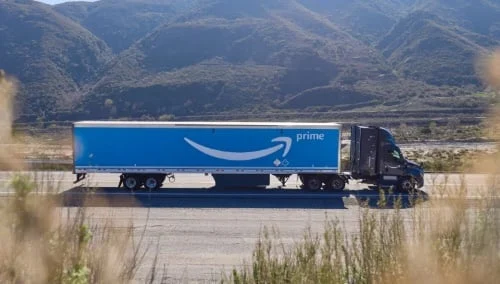
- June 9: Amazon Supply Chain Services expands its Less-Than-Truckload (LTL) freight offering across the U.S., allowing businesses to ship by the pallet.
- June 10: Athos Commerce unveils "Commerce Intelligent Discovery," a platform aimed at improving product visibility through generative engine optimization.
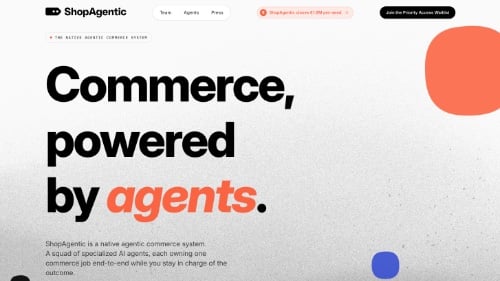
- June 10: ShopAgentic secures €1.9 million in pre-seed funding to build a coordinated suite of AI agents for catalog and fulfillment management.
- June 11: Fast Simon introduces AI-driven personalization for mid-market and enterprise Shopify merchants.
- June 11: Merchantee raises €1.8 million to expand its agentic marketplace platform, which uses autonomous agents to manage discount campaigns and dynamic pricing.
- June 12: Triple Whale releases "Moby Automations," a new suite designed to automate media buying and creative analysis.
- June 12: Fractal launches "Cogentiq e-commerce," an AI-native profit engine that monitors stock levels and media spend to maximize profitability.
Supporting Data and Strategic Funding
The market is currently signaling a strong preference for infrastructure-level AI. The funding rounds for ShopAgentic (€1.9 million) and Merchantee (€1.8 million) underscore investor confidence in the "agentic marketplace" model.
These companies are not building consumer-facing apps; they are building the "plumbing" of the new internet economy. By allowing merchants to manage complex tasks—such as auditing webhooks, adjusting pricing plans, and managing inventory—via natural language commands, these startups are effectively lowering the technical barrier to entry for high-scale ecommerce operations.
Furthermore, the Amazon Supply Chain Services expansion represents a massive shift in logistics. By offering LTL freight to third-party destinations, Amazon is moving from being a "walled garden" to a utility provider for the broader retail industry, effectively allowing any business to tap into the same logistics efficiency that powers Amazon’s own retail empire.
Official Perspectives and Industry Reactions
On Consumer Discovery: Pinterest and DoorDash
The integration of Pinterest’s new Amazon storefront linking feature marks a pivotal moment for influencer marketing. By automating affiliate tagging, Pinterest is removing the friction that has historically plagued the creator economy.
Similarly, DoorDash’s new "Ask DoorDash" tool represents the next step in conversational search. By allowing users to upload recipe photos or describe vague requests, DoorDash is moving away from keyword-based search to intent-based discovery. This aligns with the broader industry movement toward "Answer Engine Optimization" (AEO), where brands must now optimize their product content not just for search engines, but for AI models that interpret context.
On Financial Integration: ACI and Shopware
ACI Worldwide’s entry into the European Payments Initiative with the "Wero" wallet provides a critical infrastructure update for European merchants. By leveraging SEPA instant payment rails, Wero offers a unified, pan-European alternative to traditional credit card processing, potentially lowering fees and increasing conversion rates. Shopware’s concurrent partnership with PayPal further emphasizes this trend toward seamless, all-in-one payment acceptance, ensuring that merchants don’t need to juggle multiple vendor integrations to offer modern payment methods like Venmo or BNPL (Buy Now, Pay Later).
Implications for the Modern Merchant
The cumulative impact of these releases is significant. For the average ecommerce merchant, the landscape is moving toward three distinct pillars of operations:
- AI-Driven Merchandising: Platforms like Fast Simon and Pollo AI are making high-end visual content and intelligent personalization accessible to mid-market brands. The days of manual image editing and static collection management are coming to an end.
- Autonomous Operations: With Moby Automations (Triple Whale) and Cogentiq (Fractal), the role of the media buyer is evolving into that of a "campaign architect." Rather than tweaking bids manually, merchants will set parameters and profit signals, leaving the real-time execution to AI.
- Security and Trust: As AI agents become more prevalent, the threat of malicious bot traffic increases. Kinsta’s proactive move to include bot protection in all plans is a necessary defensive measure, highlighting that as we automate our sales, we must also automate our security.
Strategic Recommendations
Merchants should look to consolidate their tech stack around these emerging AI-native platforms. The goal should be "interoperability." As you adopt new tools, prioritize those that offer open APIs and agentic capabilities. If your current platform requires manual, repetitive intervention for tasks like pricing adjustments, product tagging, or image creation, you are already falling behind the curve.
The future of ecommerce is not about working harder to manage a store; it is about defining the rules of the game and letting a sophisticated, agentic infrastructure execute the strategy. As we look ahead to the remainder of 2026, we expect to see these "islands of automation" begin to connect into a truly autonomous, self-optimizing retail ecosystem.

Got an ecommerce product release? We want to hear from you. Email [email protected] to ensure your news is included in our upcoming coverage.