In the current digital landscape, many mid-career professionals operate under the assumption that the "YouTube gold rush" ended years ago. They see a platform dominated by high-energy, Gen-Z personalities and assume that unless they are willing to perform, dance, or adopt a hyper-caffeinated persona, they have no place in the video ecosystem.
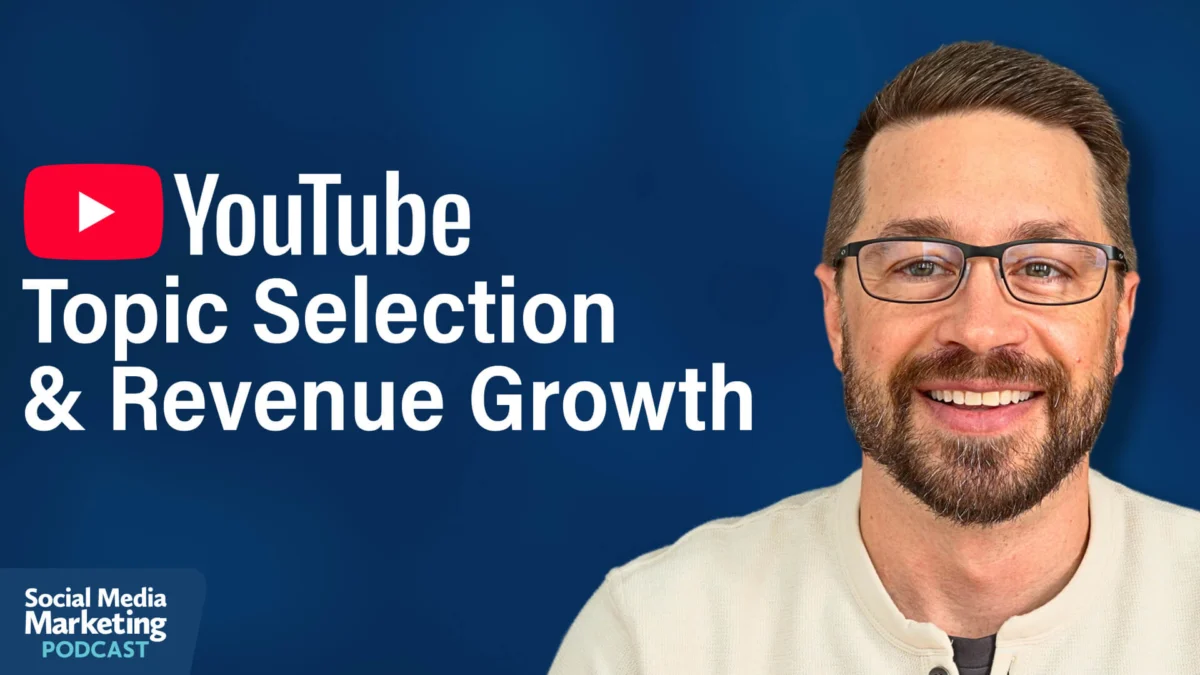
According to YouTube growth strategist Ty Myers, this could not be further from the truth. In collaboration with Michael Stelzner, Myers argues that YouTube has evolved from a platform of entertainment into the world’s most powerful search engine for expertise. For consultants, sales professionals, and business owners, YouTube is not about gaining "influencer" status; it is about building a scalable engine for lead generation and brand authority.
The Paradigm Shift: Why Your Experience Is Your Greatest Asset
The most significant barrier to entry for seasoned professionals is the "personality myth"—the idea that you must be naturally charismatic to succeed on camera. Myers dismisses this entirely. He posits that the most effective creators on YouTube today are those who understand a specific viewer’s pain points and offer a clear, actionable solution.
In professional fields like consulting, law, finance, or specialized B2B services, the skills required for success are already ingrained in the practitioner. The ability to listen, synthesize complex information, and guide a client toward a solution is exactly what makes for a high-performing video. When a professional stops trying to "be a YouTuber" and starts focusing on "teaching their client," they immediately differentiate themselves from the sea of amateur content.
The Four-Phase Framework for Strategic Growth
Building a channel that moves the needle for a business requires a shift from sporadic content creation to a structured, data-driven methodology. Myers breaks this process into four critical phases.
1. Defining the Mission and Goals
Ambiguity is the death of channel growth. Before a single frame is filmed, a creator must define the "Why." Are you looking to generate high-intent leads for a coaching program, build an audience around a specific software niche, or establish a legacy of thought leadership?
Serving "everyone" is a recipe for serving no one. By narrowing your focus, you allow the YouTube algorithm to categorize your channel accurately, ensuring your content is presented to users who are actively seeking the solutions you provide.
2. Defining the Avatar
Who exactly are you helping? Identifying the specific fears, desires, and technical problems of your target customer is paramount. This specificity must permeate your entire creative process, from the initial keyword research to the phrasing of your video titles and the design of your thumbnails. YouTube’s algorithm is incredibly sophisticated; it "reads" the transcript of your video and cross-references it with user behavior. If your content is laser-focused on a specific avatar, the algorithm becomes your most effective marketing assistant.

3. Embracing the "Repetition" Phase
Perfectionism is the enemy of progress. Highly competent professionals often struggle here, as they are used to producing polished, error-free work in their existing careers. Myers suggests a shift in mindset: focus on the "reps." It typically takes about 15 videos before a creator begins to feel comfortable enough on camera to allow their genuine personality to shine through. The goal for these first few videos is not perfection; it is volume and familiarization with the medium.
4. Pivoting from Quantity to Quality
Once the workflow feels natural, the focus shifts to treating YouTube as a distribution system. This is where creators begin to analyze the platform’s mechanics. By studying high-performing videos in your specific niche—identifying commonalities in structure, pacing, and visual storytelling—you gain the leverage necessary to scale your reach.
The Science of Pre-Production: The 80/20 Rule
The most common mistake among creators is prioritizing filming over strategy. Myers advocates for a "pre-production-first" model. In fact, he suggests that a video’s success is determined by its topic, title, and thumbnail—the elements that drive the click. A perfectly produced video that no one clicks on is a wasted effort, whereas a mediocre video with a high-performing concept can still provide massive value.
Of your weekly time investment, 60% should be dedicated to research, title iteration, and thumbnail sketching.
Data-Driven Topic Validation
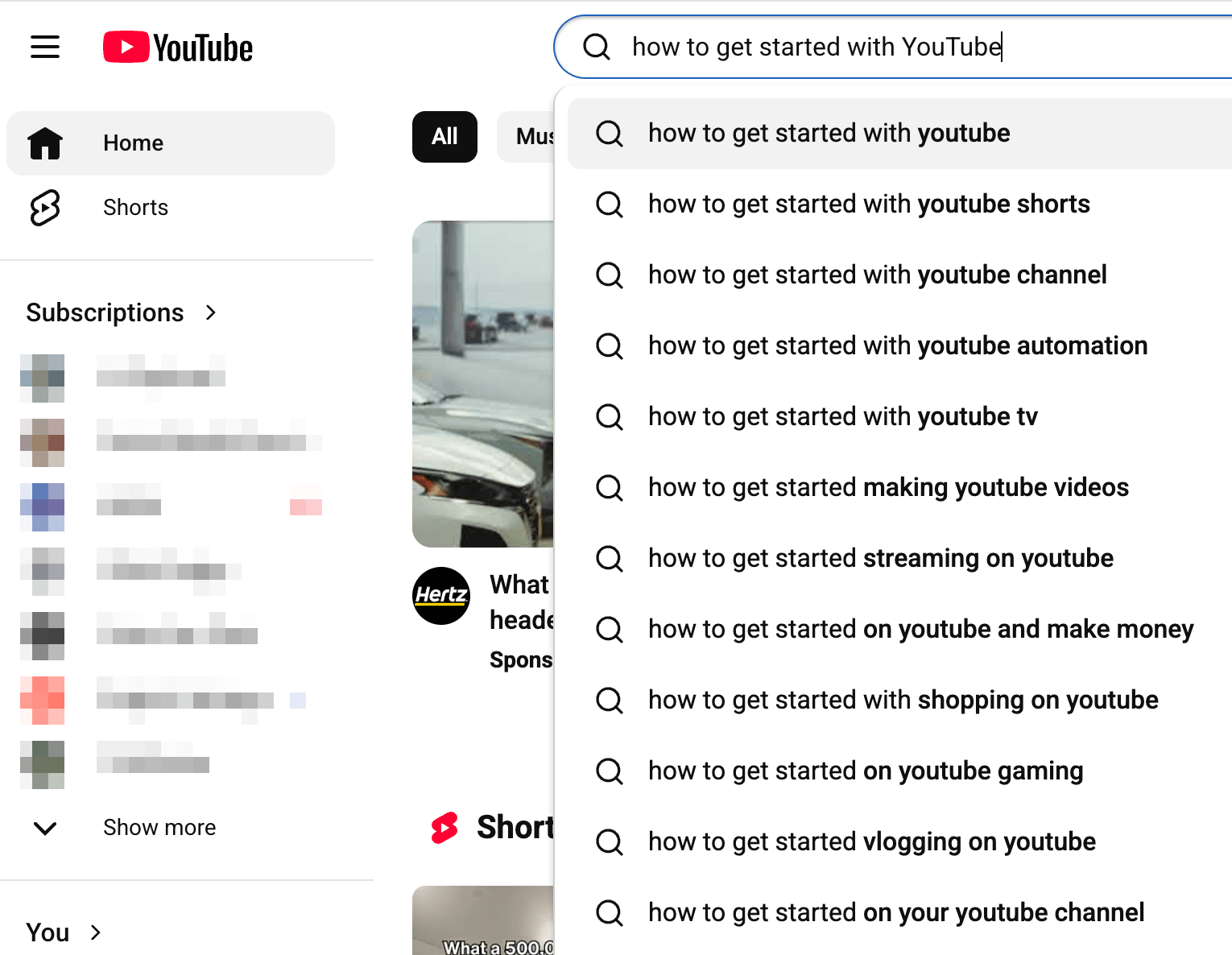
To avoid creating content in a vacuum, use tools like VidIQ to validate search intent. By entering potential topics, you can uncover the specific language your audience uses to search for solutions. If a topic has high search volume but lacks recent, high-quality content, you have found an "outlier" opportunity.
Look for "sustained view growth." A video that spiked in popularity five years ago may be obsolete. A video that has seen steady, consistent growth over the last 12 months, however, indicates a persistent, evergreen need.
Emulation as a Growth Strategy
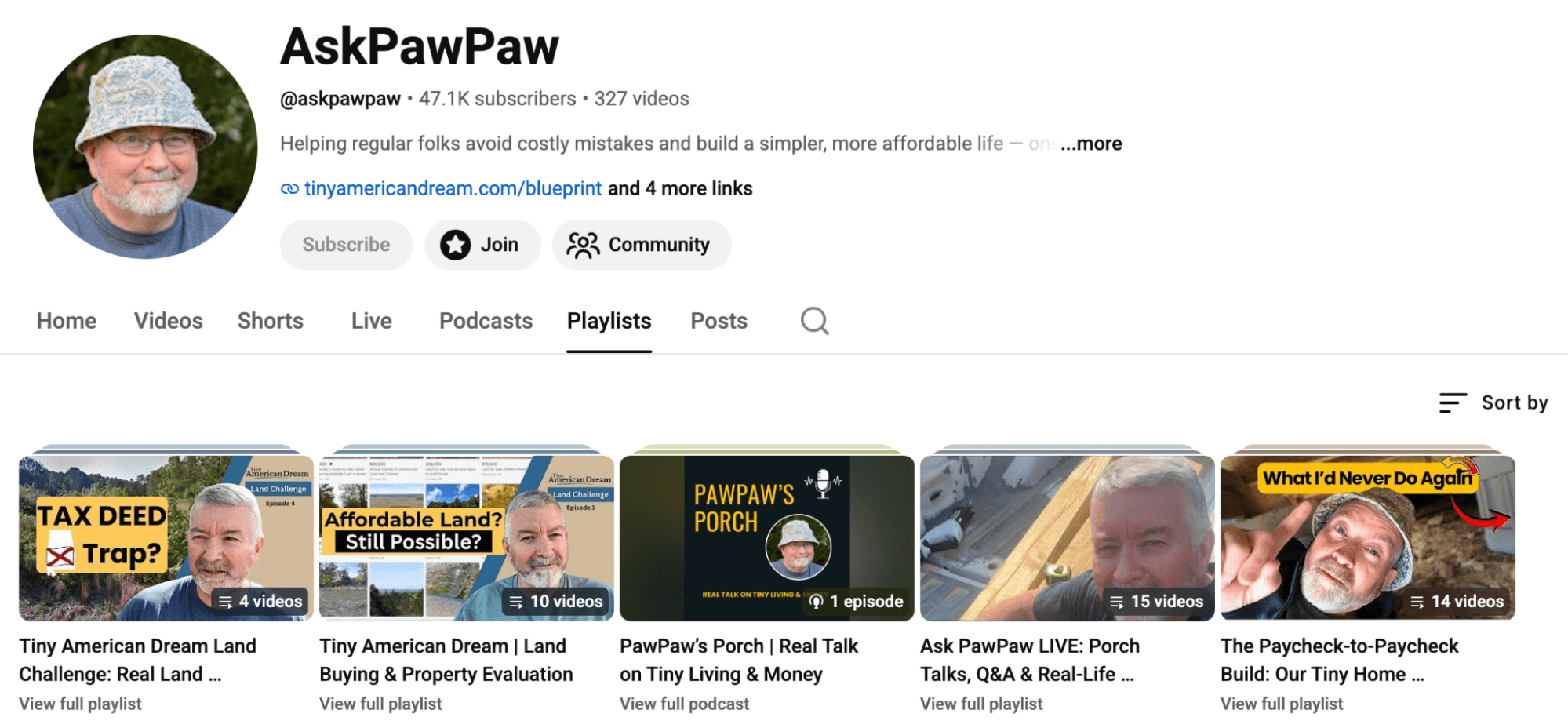
There is a profound difference between plagiarism and emulation. Emulation involves reverse-engineering the structural success of a high-performing video—such as the way it introduces a problem or its use of specific analogies—and then injecting your unique experience and stories into that framework. This approach allowed creators like Kevin (from the Ask PawPaw channel) to pivot from struggling budgeting content to highly successful tiny-home advice, simply by identifying what was working in a similar space and applying it to his own expertise.
Leveraging AI for Research and Scripting
Modern tools like Google NotebookLM and Claude have revolutionized the scripting process. Rather than asking AI to write a script from scratch, which often results in generic, soulless content, Myers recommends an "interview" method.

By feeding a tool like Claude your core topic and asking it to interview you—question by question—you extract the personal anecdotes, professional insights, and specific analogies that only you possess. This ensures the resulting script is rooted in your unique authority while being structured for maximum viewer retention.
The Hook, The CTA, and The Loop
Once the camera is rolling, the first 30 seconds are non-negotiable. A successful hook must:
- Call out the viewer: Directly identify the person the video is for.
- Create a curiosity gap: Challenge a common assumption or present a paradox that requires the rest of the video to resolve.
- Establish credibility: Briefly mention your results or experience to prove your time is worth the viewer’s.
For monetization, the transition from content to commerce must be seamless. Use a mid-roll "explicit" CTA—mentioning that you cover these topics in-depth with clients—and supplement it with "subtle" signals, such as referencing past client success stories naturally during your explanation.
Finally, prioritize session duration by ending your videos with a bridge to the next topic. By avoiding a standard "outro" (which signals to the viewer that the video is over and they can click away), you create a loop that encourages viewers to watch your next video. YouTube rewards this behavior with increased distribution, creating a virtuous cycle of growth.
Equipment: Minimalism is Key
Finally, do not let equipment be an excuse. A high-quality microphone—such as the Shure MV7+—is the only non-negotiable investment, as poor audio is the fastest way to drive viewers away. Beyond that, a modern smartphone and natural lighting from a nearby window are more than sufficient to produce professional-grade content.
As Ty Myers emphasizes, your audience is looking for the solution you provide, not a Hollywood-level production. By focusing on clear communication, strategic research, and a commitment to serving your avatar, you can turn a YouTube channel into the most effective asset in your business portfolio.