For years, the "link in bio" has been the bottleneck of Instagram marketing. It is a singular point of friction in a platform designed for fluid discovery. However, a wave of new features—ranging from direct caption links to advanced in-app editing suites—is signaling a fundamental shift in how brands, creators, and publishers interact with their audiences.
As Instagram evolves from a purely visual feed into a robust conversion engine, marketers must adapt their strategies to capitalize on these shifts. In this comprehensive guide, we explore how to leverage these new tools to optimize your content, streamline your branding, and—most importantly—drive measurable traffic.
The Strategic Shift: Why These Updates Matter
The recent rollout of tools by Meta is not merely about convenience; it is a calculated response to the changing habits of digital consumers. As social commerce becomes the backbone of the creator economy, Instagram is moving away from the "walled garden" approach. By introducing features that allow for smoother transitions from discovery to conversion, the platform is attempting to keep users engaged while simultaneously providing creators with the tools to monetize their influence.
1: Capturing Attention with Caption Links
Perhaps the most significant development is Instagram’s testing of clickable links directly within post captions. Currently limited to a select group of Meta Verified users, this feature allows for up to 10 clickable links per month.
The Account Distinction Dilemma
One of the primary hurdles for marketers is the nuance of account types. Access to this feature is currently tied to "Creator" and "Publisher" accounts, often leaving those with "Business" accounts in the dark.
Chelsea Peitz, a noted social media strategist, suggests that this is a common point of confusion. "Many marketers assume they simply don’t have access because they are a business, but the solution may be as simple as a toggle in your settings," she notes. Much like the historical limitations on the music library for business accounts—which can often be bypassed by shifting category settings—marketers should experiment with their account classification if they are eager to test these new linking capabilities.
The Trade-Off: Reach vs. Conversion
The elephant in the room remains the "off-platform" problem. Instagram’s algorithm is fundamentally designed to maximize time spent on-app. Sending a user to an external website is the antithesis of the platform’s primary objective.
Industry analysts posit that Meta is using the Meta Verified subscription model to hedge against this loss of "watch time." If a user leaves the app, the data trail—and the associated ad revenue—is interrupted. By bundling high-value features like caption links into a paid subscription, Meta creates a monetization model that protects their bottom line while offering power users the tools they demand.

Best Practices for Caption Links
- The "Start Here" Strategy: Reserve one of your monthly link allotments for a pinned post on your profile. Because new content naturally pushes high-value posts down the grid, a pinned post with a direct call-to-action acts as a permanent, evergreen sales funnel.
- Trackable Experiments: Use these links for high-intent items like courses, physical products, or exclusive lead magnets. Treat each link as a data point to measure the conversion efficiency of your captions versus your bio link.
2: The Aesthetic Advantage: Grid Customization
While the feed is where discovery happens, the profile grid remains the "digital storefront." Instagram has recently empowered users to edit thumbnails and rearrange their grid without the need to delete or re-upload content.
Why the First Impression is Critical
Chelsea Peitz emphasizes that while followers may rarely visit your grid, prospective followers always do. If a user discovers your brand via a Google search, a LinkedIn referral, or a recommendation from an AI tool like ChatGPT, they often land on your profile via a desktop browser.
"What they see in those first few seconds forms their first impression of your brand," says Peitz. By curating a cohesive grid, brands can signal authority and professionalism.
Marketing Applications
- Thumbnail Optimization: Go back to your highest-performing historical posts and update the covers. Adding clear, text-based hooks to your thumbnails can significantly increase the click-through rate for visitors who are exploring your profile for the first time.
- Grid Rearrangement: For lifestyle, hospitality, and luxury brands, visual storytelling is paramount. The ability to rearrange your grid allows for strategic visual alignment, ensuring that your most important brand messaging or current campaign assets are front and center.
3: Branded Stickers and the Giphy Ecosystem
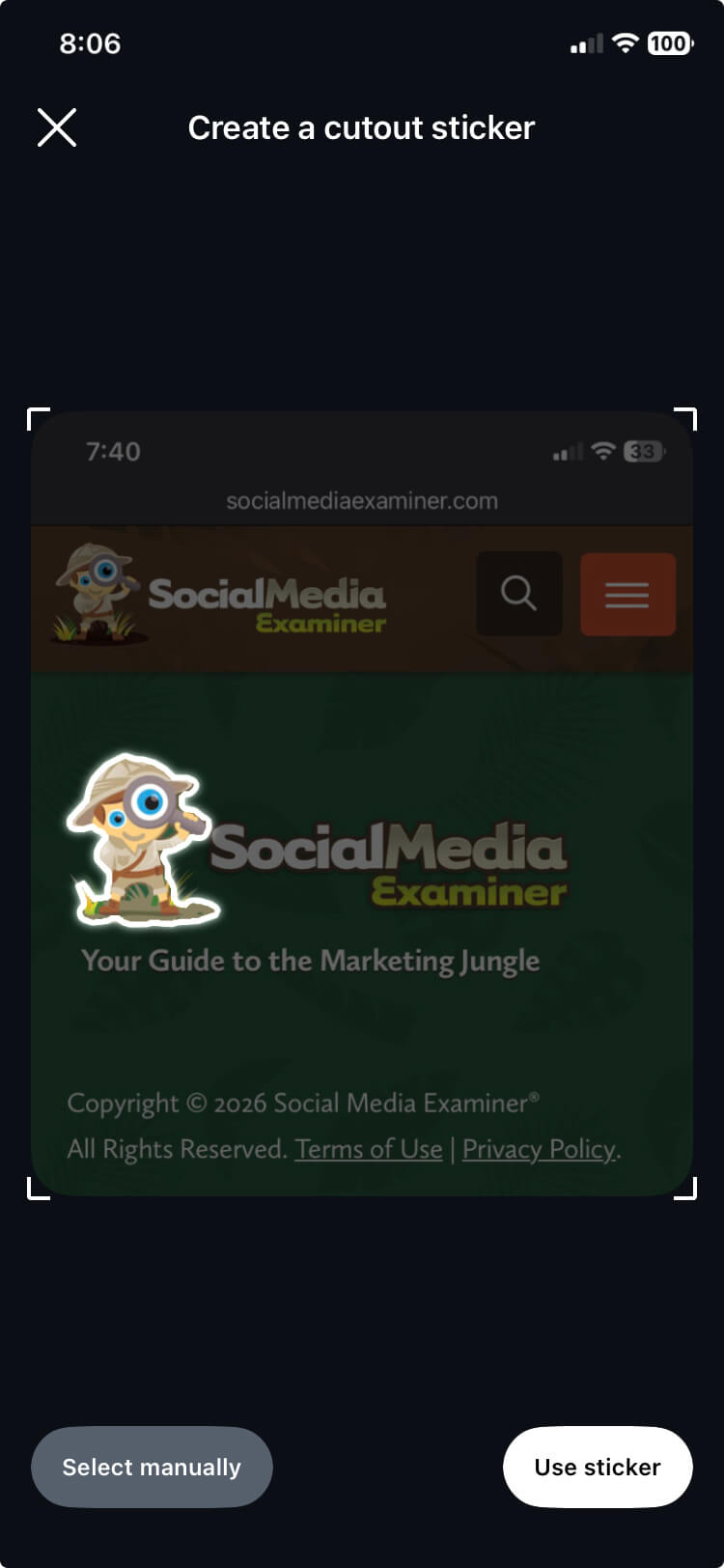
Instagram is doubling down on interactivity by expanding its sticker tools. Users can now create "Cutouts"—custom, reusable stickers from their own camera roll—and upload assets to Giphy, making them discoverable to the wider Instagram audience.
The Psychology of Sharing
Marketing with stickers requires a departure from traditional "logo-centric" thinking. As Peitz notes, "People look for stickers that say something about who they are, not something about a company they buy from."
A logo-heavy sticker is rarely used by anyone outside of your staff. To succeed, brands must create stickers that tap into a mood, a feeling, or a shared cultural identity. The goal is to provide value to the user’s self-expression, with the brand connection serving as a secondary, subtle element.
Pro-Tips for Sticker Management
- Unique Tagging: When uploading to Giphy, avoid common tags where your content will be buried. Use unique, specific strings of characters that only your community or team would use. This ensures your branded assets are easily retrievable during a campaign.
- UGC Campaigns: The most effective use of branded stickers is in user-generated content (UGC) campaigns. By incentivizing followers to use a specific sticker as part of a contest or challenge, you turn a passive asset into a functional component of your marketing campaign.
4: The Evolution of the Instagram Edits App
The Instagram Edits app has transitioned from a basic trimming tool to a sophisticated video editing powerhouse. For many creators, it has effectively replaced third-party editors.
Video Format Templates
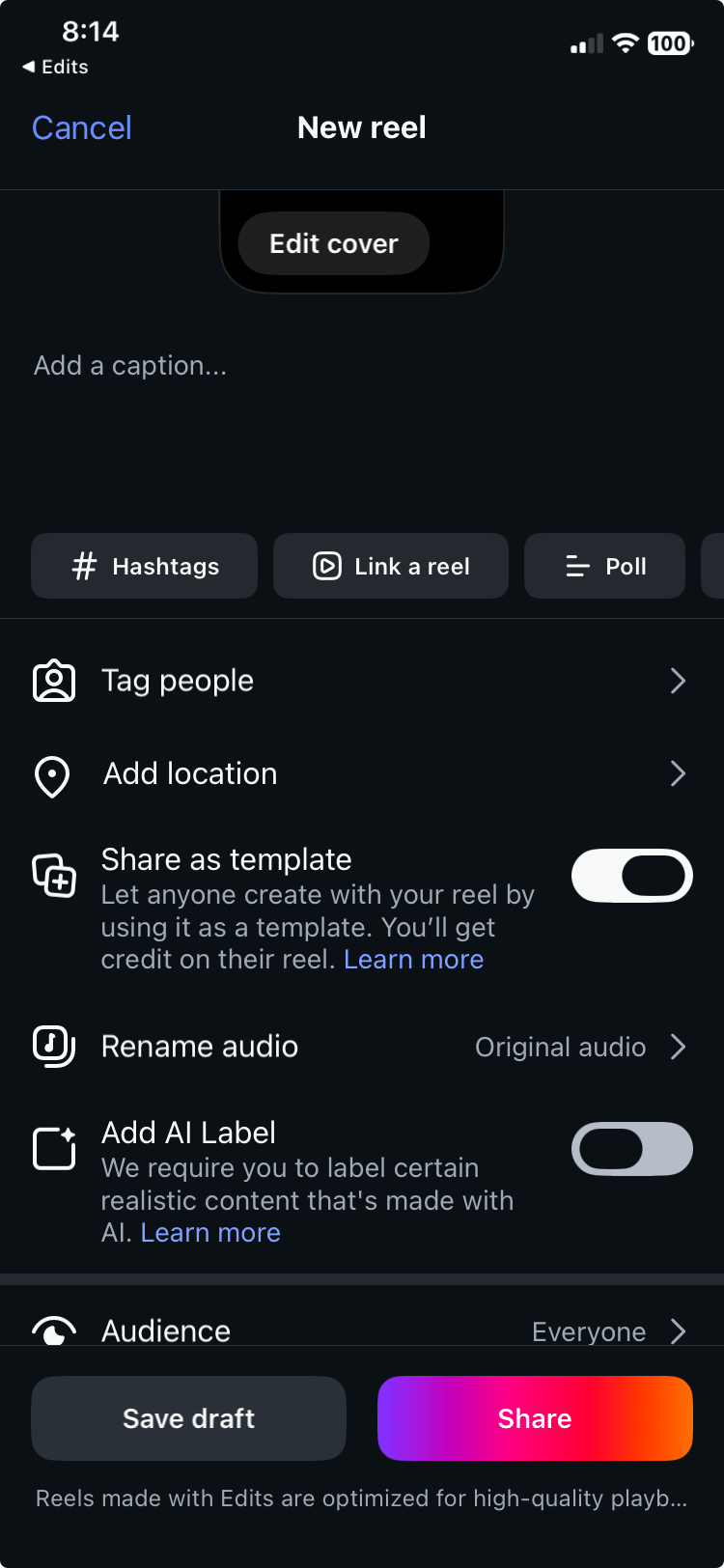
Templates are the great equalizer in video production. They allow brands to pre-set transitions, music, and timing, which can then be shared with followers.
"My husband, who has no background in video editing, can now produce high-quality Reels," says Peitz. "This is the production barrier being removed." For brands, this is a massive opportunity for UGC. By providing a branded template, you can encourage users to "drop in" their own footage, ensuring that even user-created content adheres to your brand’s visual standards.
The Voiceover Teleprompter
One of the most exciting additions is the voiceover teleprompter. Unlike traditional teleprompters that require you to watch the video playback while speaking, this mode allows for a clean, text-driven recording experience. By separating the audio recording from the visual timing, creators can focus on delivery and clarity, eliminating the stress of trying to sync spoken words to a live video timer.
In-Reel Linking
The ability to link directly to other profiles or Reels from within a video is a game-changer for content architecture. Creators can now build complex "content ecosystems" where one Reel serves as a gateway to an entire series, keeping viewers within their specific orbit rather than letting them drift back into the infinite scroll.
Implications for Future Strategy
The common thread through all these updates is the transition toward a "self-contained" marketing environment. Instagram is providing the tools for brands to control the entire customer journey: discovery, engagement, and conversion.
The Path Forward
- Prioritize Conversion Data: Use caption links to move beyond vanity metrics. If you have access, track how many users move from a caption directly to a checkout page.
- Audit Your Profile: Treat your grid as a landing page. Update your top nine posts with descriptive, engaging thumbnails that invite clicks.
- Invest in "Social-First" Production: Stop viewing video editing as a separate, external task. The Edits app is now robust enough that your entire content pipeline—from filming to templates—can live inside the platform.
- Community-Driven Branding: Use stickers and templates to empower your community. When your audience creates content using your brand assets, they become advocates rather than just consumers.
As these tools continue to roll out, the brands that thrive will be those that view Instagram not just as a place to post, but as a place to perform. Whether it’s through the subtle power of a well-placed caption link or the high-production value of a shared video template, the opportunity to scale your influence has never been greater. The era of the "link in bio" is ending; the era of the "link in context" has begun.