In the modern sports ecosystem, organizations are drowning in data but starving for deeper, more meaningful connections with their audiences. As technology accelerates the pace of sports consumption, the industry is grappling with a fundamental existential question: How do you leverage advanced analytics and Artificial Intelligence to enhance the fan experience without stripping away the raw, unscripted emotion that makes sports the world’s most powerful form of entertainment?
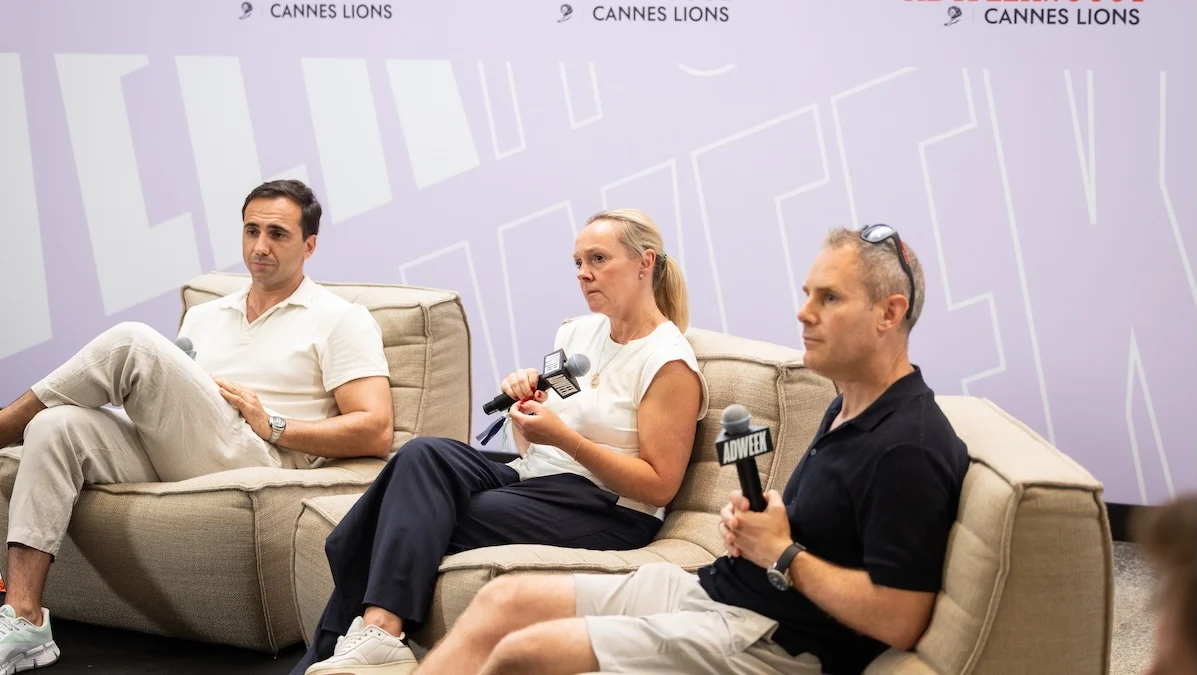
This dilemma took center stage during an exclusive ADWEEK House session at Cannes Lions, co-hosted by EY Studio+. A panel of industry luminaries—including leaders from CAA Sports, Fuse, Comcast, and EY—convened to dissect the friction between technological capability and the authentic human connection that defines fandom.
The Core Conflict: Data as a Bridge or a Barrier?
Sports organizations today possess unprecedented levels of performance metrics, demographic insights, and behavioral data. However, the panel was unanimous in one observation: the collection of data is not a strategy in itself. The challenge lies in curation.
Hanne Jesca Bax, global vice chair of clients and industries at EY, emphasized that while athletes have long relied on performance data to refine their craft, that same information is now being democratized for the fan. "Sports bring people together," Bax noted. "There is an inherent human thirst to share in the passion that sports ignite. The data should serve that thirst, not distract from the communal experience."

The consensus among the experts was clear: data must act as a "filter-remover." Roman Di Somma, head of international talent at CAA Sports, argued that the true potential of AI lies in its ability to bring the audience closer to the action, not in creating a sterile, data-heavy broadcast. "The beauty of sport is that it cannot be scripted," Di Somma explained. "We must use data to peel back the layers between the viewer and the authentic moment. If we use technology to fabricate or over-explain, we risk losing the very thing that makes the sport valuable."
Chronology: From Static Broadcasts to Immersive Ecosystems
To understand where the industry is heading, one must look at the evolution of the fan journey:
- The Broadcast Era (Pre-2010s): Fans were passive recipients of a linear broadcast. Data was limited to scoreboards and basic box scores.
- The Digital Integration Era (2010–2020): Social media and mobile apps allowed fans to follow teams in real-time. Data became a supplementary layer—secondary screens showing deeper statistics.
- The AI-Driven Personalization Era (2020–Present): We are currently in the midst of a transition where AI curates the experience. Algorithms suggest content based on granular viewing habits, and advanced metrics (such as expected goals in soccer or "clutch" probability in basketball) are integrated directly into the viewing experience.
- The Future (The Predictive/Participatory Era): The panel projected a future where the fan journey is entirely fluid—moving seamlessly from watching a live match to purchasing merchandise, interacting with creators, and participating in gaming simulations, all powered by a unified data architecture.
The Role of AI: Simplifying, Not Complicating
A recurring theme of the discussion was the danger of "over-engineering" the fan experience. Louise Johnson, global CEO of Fuse, offered a blunt assessment of consumer psychology. "Fans don’t wake up in the morning and think, ‘I really want a new sports algorithm today,’" Johnson said. "They wake up wanting to know more about the sport they love. AI is only useful if it removes friction."
For the modern fan, the sheer volume of sports content can be overwhelming. AI’s true value proposition is its ability to act as a concierge—helping fans find the content they care about, simplifying complex rules for newcomers, and ensuring that the most compelling narratives are surfaced at the right time.

Laurence Buchanan, global leader of EY Studio+, echoed this sentiment by pivoting the focus from "data" to "storytelling." He argued that data is merely the raw material for the narratives that hook fans. "It’s not the statistics that drive engagement; it’s the story the statistics reveal," Buchanan said. "When you show a younger fan the data behind a player’s speed or agility, it transforms the game into something they can relate to through their own experience with gaming and digital culture."
Supporting Data and Industry Trends
While the panel focused on qualitative shifts, the underlying industry trends provide a clear rationale for these changes:
- Gaming as an Entry Point: Younger demographics (Gen Z and Alpha) often interact with sports through video games like EA Sports FC or NBA 2K before they watch a live game. These games are inherently data-driven, creating a baseline expectation for fans that real-life sports should offer the same level of analytical transparency.
- The "Good vs. Great" Gap: Jon Gieselman, chief growth officer of connectivity and platforms at Comcast, highlighted that data is essential for broadening the fan base. "You can now be a fan of sports you never grew up watching because data provides a shorthand for understanding the difference between a good performance and a great one," he noted.
- Fragmentation: The modern fan journey is notoriously fractured. A single fan might switch between a streaming service, a betting app, an e-commerce store, and a social media platform within a 60-minute window. Organizations that successfully "connect the dots" across these touchpoints are seeing higher retention rates.
Official Perspectives: The Trust Imperative
As sports organizations move toward more personalized, data-heavy models, the issue of trust becomes the industry’s "North Star."
Paula Radcliffe, the legendary marathon world-record holder, warned against the "more is better" fallacy. She noted that while data can provide fascinating context, an excess of information can lead to cognitive overload. "There has to be a balance," Radcliffe cautioned. "If you are constantly looking at a dashboard, you aren’t feeling the race."

This caution extends to the boardroom. Di Somma emphasized that brands and teams operate on a "permission-based" economy. "Passion buys you permission," he stated. If a team or broadcaster uses AI or data-tracking in a way that feels intrusive or predatory, they risk breaking the sacred bond of loyalty with their fanbase. Transparency about how data is used—and ensuring that the value returned to the fan is tangible—is the only way to maintain that trust.
Implications for the Future of Sports Marketing
The insights from the Cannes Lions session suggest a significant shift in how sports entities will operate over the next five years:
- Unified Fan Profiles: Organizations will move away from siloed data. A fan’s experience at a physical stadium, their retail purchases, and their digital engagement will be consolidated into a single, respectful profile that allows for truly personalized communication.
- Hyper-Personalized Content: AI will be used to generate localized, relevant content at scale. A fan in Tokyo and a fan in New York may receive completely different pre-match briefings based on their interests and past behaviors.
- The Return of "Human-First" Strategy: Ironically, the more technology is used, the more important "human-first" content will become. The unpredictability of sport remains its greatest asset. Future marketing strategies will focus on highlighting the "human" behind the stats, using technology to amplify rather than replace the emotional core of the game.
Conclusion
The conversation at ADWEEK House served as a necessary reality check for an industry caught in the throes of digital transformation. While AI, big data, and personalization are the tools of the future, they are not the end goal.
As the panel concluded, the future of fan engagement belongs to the organizations that can master the "data-emotion paradox." It is about using the precision of machines to facilitate the passion of humans. If the industry can keep its focus on the story rather than the spreadsheet, the next phase of sports engagement promises to be the most inclusive, immersive, and exciting era in the history of the game. The technology is finally here—now it is up to the marketers to ensure it serves the fans, not the other way around.